What Can Cause a Sudden Change in Cat Behavior? 7 Medical...
Why Your Cat’s Sudden Behavior Shift Isn’t ‘Just Being Moody’
What can cause a sudden change in cat behavior? More often than most owners realize, the answer isn’t stress, boredom, or personality — it’s pain, neurological dysfunction, metabolic crisis, or organ failure silently escalating behind closed doors. Cats evolved to mask illness until it’s advanced; a cat who stops grooming, hides for 24+ hours, yowls at night, or suddenly avoids jumping may be signaling that something is critically wrong. In fact, a 2023 study published in Journal of Feline Medicine and Surgery found that 68% of cats presenting with acute behavioral changes had an underlying medical diagnosis confirmed within 48 hours of evaluation — and nearly one in five required immediate hospitalization. Ignoring these shifts isn’t cautious — it’s dangerous.
1. Pain: The Silent Driver Behind Aggression, Withdrawal, and Litter Box Avoidance
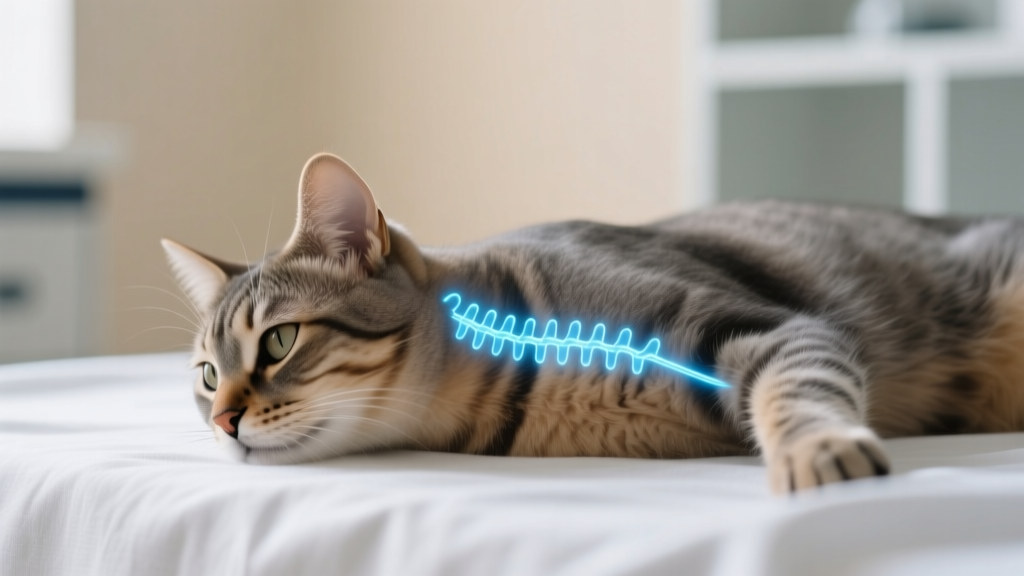
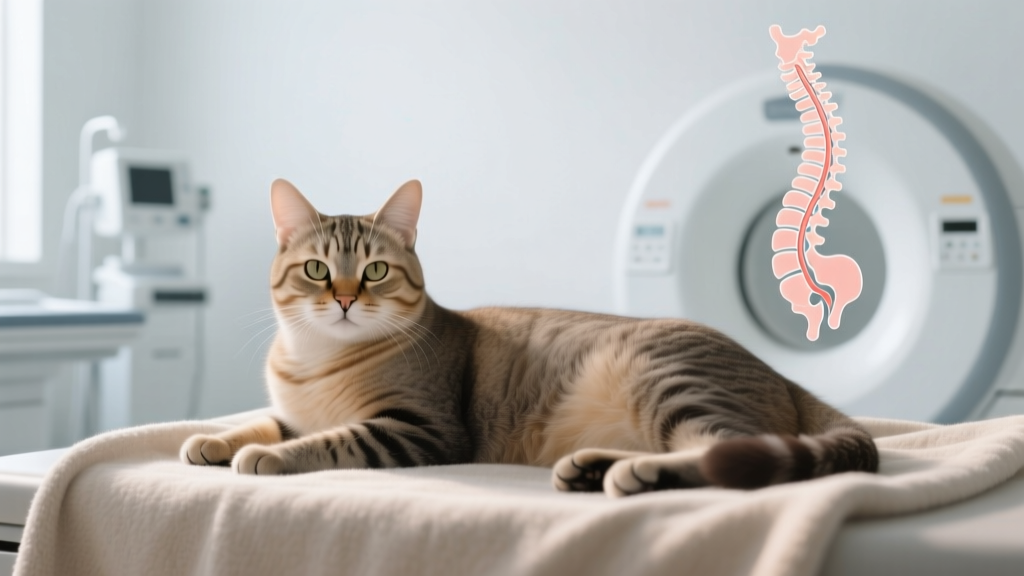
Unlike dogs or humans, cats rarely vocalize obvious pain cues — instead, they withdraw, stop eating, overgroom one area (a sign of localized discomfort), or become defensively aggressive when touched. Dr. Sarah Chen, DVM and board-certified feline specialist at the Cornell Feline Health Center, explains: “Cats don’t whine about arthritis or dental abscesses — they stop using the cat tree, avoid being petted near their hips or mouth, or start urinating outside the box because squatting hurts.” A 2022 retrospective review of 1,247 feline ER cases revealed that musculoskeletal pain (especially osteoarthritis in older cats) and dental disease accounted for over 41% of behavior-related presentations with no prior warning signs.
Key red flags linked to pain:
- New-onset hissing or swatting when approached or handled — especially around joints, abdomen, or mouth
- Limping or reluctance to jump, even onto low surfaces like couches or beds
- Excessive licking or chewing of paws, flank, or tail base (often misdiagnosed as ‘psychogenic’)
- Reduced grooming — resulting in dull, matted fur, particularly on the back or hindquarters
If you suspect pain, don’t wait for visible limping. Try the ‘gentle pressure test’: lightly press along your cat’s spine, shoulders, hips, and gums. If she tenses, pulls away, or vocalizes, stop immediately and call your vet. Never administer human painkillers — acetaminophen is fatal to cats, and NSAIDs like ibuprofen cause rapid kidney failure.
2. Neurological & Cognitive Causes: From Seizures to Senior Brain Changes
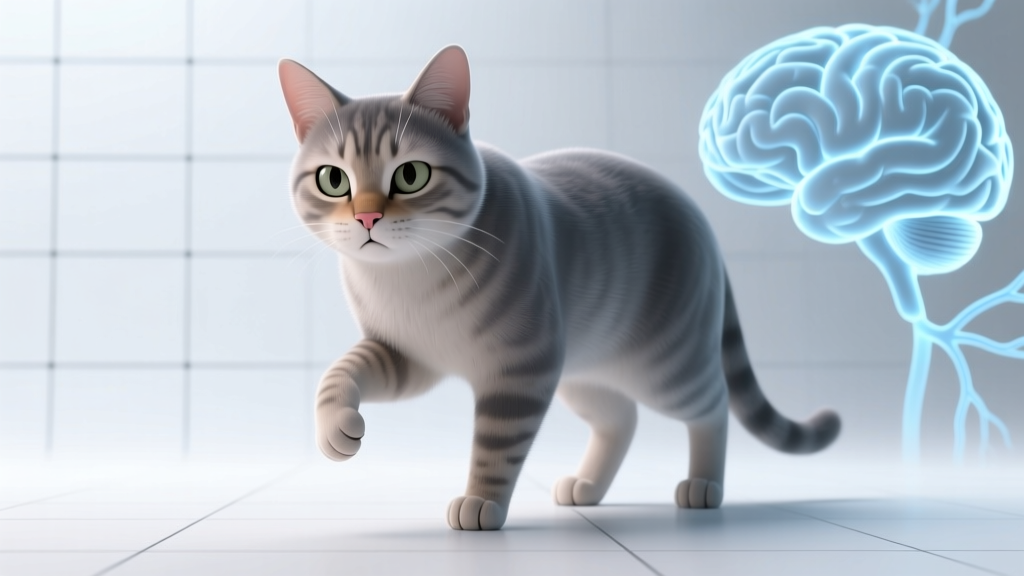
Sudden disorientation, staring into space, circling, head pressing, or unprovoked vocalization — especially at night — can indicate neurological distress. While less common than pain or metabolic issues, these signs demand urgent attention. Feline cognitive dysfunction syndrome (CDS), often called ‘cat dementia,’ typically develops gradually — but a sudden worsening may signal concurrent disease: hypertension-induced retinal detachment, brain tumors, or inflammatory meningoencephalitis.
A real-world example: Luna, a 14-year-old domestic shorthair, began yowling nonstop at 3 a.m., pacing in tight circles, and bumping into walls. Her owner assumed ‘senior confusion’ — but her blood pressure reading was 220/140 mmHg (normal: <150/100). She’d developed hypertensive encephalopathy, causing reversible brain swelling. Within 48 hours of starting amlodipine, her behavior normalized completely.
Veterinary neurologists emphasize that seizures in cats are frequently subtle — ‘absence seizures’ may look like brief freezing or lip-smacking, while partial seizures can manifest as sudden aggression or frantic grooming. Any new-onset neurological sign warrants full diagnostics: bloodwork, blood pressure, ophthalmic exam (for retinal hemorrhage), and possibly MRI if primary brain disease is suspected.
3. Metabolic & Organ System Crises: The Invisible Emergency
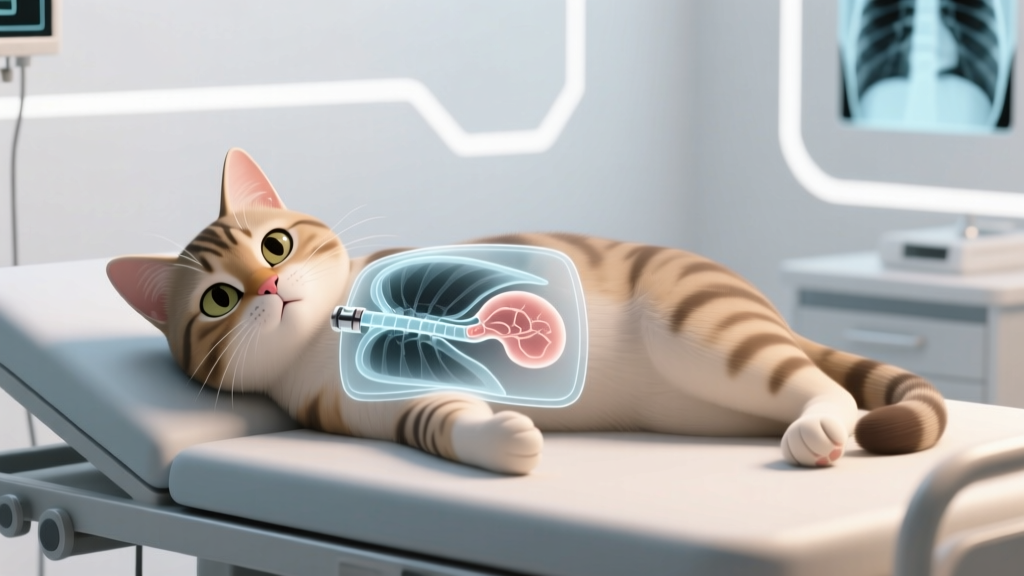
This category includes some of the most time-sensitive, life-threatening causes of sudden behavioral shifts — and many are treatable if caught early. Hyperthyroidism, chronic kidney disease (CKD), diabetes mellitus, and hepatic lipidosis all progress silently until tipping points trigger dramatic changes.
Consider this progression: A cat with early-stage CKD may drink more water and urinate more — easily missed unless you monitor litter box output. But once creatinine rises above 2.5 mg/dL, uremic toxins accumulate rapidly, causing nausea, oral ulcers, and profound lethargy. That ‘just sleeping more’ becomes refusal to eat, hiding in closets, and disorientation — all within 48–72 hours.
Similarly, diabetic ketoacidosis (DKA) can develop in undiagnosed or poorly regulated diabetic cats. Signs include sudden weakness, vomiting, rapid breathing, and a sweet, fruity breath odor — but before those appear, owners report ‘odd restlessness,’ excessive meowing, or collapse after brief activity.
Early detection saves lives. According to the American Association of Feline Practitioners (AAFP), annual senior bloodwork (including SDMA, T4, and urine specific gravity) catches 89% of stage I–II kidney disease and hyperthyroidism before clinical signs emerge — giving you months or years of high-quality life instead of emergency intervention.
4. Environmental Triggers & When They’re Really Medical Red Herrings
Yes — moving, new pets, construction noise, or even a changed litter brand *can* cause temporary stress behaviors. But here’s the critical distinction: true environmental stressors produce gradual or reversible changes — and improve within 3–5 days with consistent calming interventions (Feliway diffusers, safe spaces, routine). A sudden change lasting >24 hours, worsening over time, or paired with physical symptoms (weight loss, vomiting, labored breathing, discharge) is almost never ‘just stress.’
Case in point: Milo, a 7-year-old Bengal, began avoiding his favorite sunbeam and hiding under the bed after his family installed new hardwood floors. His owner assumed noise sensitivity — until Milo stopped eating entirely on day three and developed a fever. Bloodwork revealed acute pancreatitis, likely triggered by dietary indiscretion weeks earlier, now flaring due to stress-induced cortisol spikes. The flooring wasn’t the cause — it was the coincidental timing that delayed diagnosis.
Rule of thumb: If behavior change persists beyond 48 hours, involves appetite or litter box changes, or appears alongside any physical symptom, treat it as a medical emergency until proven otherwise.
| Timeline | Behavioral Sign | Most Likely Underlying Cause | Urgency Level & Action |
|---|---|---|---|
| 0–24 hours | Increased vocalization (especially at night), mild hiding, decreased play | Pain onset, early hypertension, mild anxiety | Moderate: Schedule vet visit within 24 hrs; monitor closely for escalation |
| 24–48 hours | Refusal to eat/drink, litter box avoidance, lethargy, aggression on handling | Organ dysfunction (kidney, liver, thyroid), severe pain, infection | High: Call vet immediately; same-day evaluation strongly recommended |
| 48+ hours | Disorientation, tremors, collapse, seizures, open-mouth breathing, pale gums | Metabolic crisis (uremia, DKA), neurological event, heart failure | Critical: Go to ER or urgent care NOW — do not wait |
Frequently Asked Questions
Can stress alone cause a truly sudden change in cat behavior?
True stress-induced behavior changes are rarely *sudden* — they build over hours or days and respond to environmental adjustments within 48–72 hours. If your cat’s behavior shifted dramatically overnight and hasn’t improved with quiet space, familiar routines, and pheromone support, assume a medical cause until ruled out. Stress can exacerbate underlying disease (e.g., triggering cystitis flare-ups), but it doesn’t create abrupt neurological or metabolic symptoms on its own.
My cat is suddenly clingy and following me everywhere — is that normal?
While increased affection can be benign, sudden, intense clinginess — especially in previously independent cats — is a documented sign of pain, nausea, or cognitive decline. Cats seek security when vulnerable. Combine this with other clues (panting, drooling, hiding when you’re not present, or reduced appetite) and consult your vet promptly. In senior cats, it may reflect early disorientation or vision/hearing loss.
How soon should I take my cat to the vet after noticing a behavior change?
Within 24 hours for any change lasting longer than a day — especially if accompanied by appetite loss, litter box issues, vomiting, lethargy, or physical signs (weight loss, coat changes, discharge). For symptoms like collapse, seizures, difficulty breathing, or inability to urinate (a life-threatening emergency in male cats), go to an emergency clinic immediately. Delaying beyond 48 hours significantly increases complication risk and reduces treatment success rates.
Are blood tests really necessary for a behavior-only concern?
Yes — and they’re often the fastest path to answers. A baseline senior panel (CBC, chemistry, T4, SDMA, urinalysis) costs less than many specialty diets and takes under 30 minutes to draw. It detects 90%+ of common causes: kidney disease, hyperthyroidism, diabetes, liver issues, and anemia. Skipping diagnostics means treating blindly — which risks missing treatable conditions and wasting time on ineffective behavioral interventions.
Could a recent vaccine or medication cause sudden behavior changes?
Rarely — but yes. Vaccine-associated lethargy or soreness usually resolves in 24–48 hours. If behavior changes begin >3 days post-vaccine or worsen after medication initiation (especially steroids, gabapentin, or certain antibiotics), contact your vet. Some medications have paradoxical effects in cats (e.g., gabapentin causing agitation), and rare immune-mediated reactions can mimic neurological disease.
Common Myths About Sudden Cat Behavior Changes
Myth #1: “Cats hide illness — so if they’re still eating, they must be fine.”
False. Many cats with advanced kidney disease, hyperthyroidism, or cancer maintain appetite until late stages. Weight loss without appetite change is a classic red flag — track body condition monthly using the Purina Body Condition Score chart. A cat who eats well but loses muscle mass over ribs or spine needs diagnostics.
Myth #2: “Older cats just slow down — it’s normal aging.”
Not quite. While activity levels may decrease, *sudden* slowing, disorientation, or vocalization changes are abnormal. Age isn’t a disease — but age-related diseases are highly treatable when caught early. Regular screening transforms ‘old age’ from decline into dignified longevity.
Related Topics (Internal Link Suggestions)
- Signs of Kidney Disease in Cats — suggested anchor text: "early kidney disease symptoms in cats"
- When to Worry About Cat Hiding Behavior — suggested anchor text: "is it normal for my cat to hide all day"
- Feline Hyperthyroidism Symptoms and Treatment — suggested anchor text: "hyperthyroid cat symptoms and prognosis"
- How to Check Your Cat’s Vital Signs at Home — suggested anchor text: "how to take cat temperature and heart rate"
- Senior Cat Blood Work Guide — suggested anchor text: "what blood tests do senior cats need"
Your Next Step: Don’t Wait for ‘More Signs’
Sudden behavior changes in cats aren’t quirks — they’re vital physiological alerts. What can cause a sudden change in cat behavior is overwhelmingly medical, not behavioral — and early intervention makes the difference between outpatient management and ICU-level care. Don’t try to ‘wait it out’ or search for DIY fixes. Instead: Call your veterinarian today and say exactly this: “My cat has had a sudden change in behavior — [describe what changed, when, and any other symptoms] — and I’d like to schedule an urgent appointment.” Bring a short video if possible (many vets welcome them), and note exact timing and frequency. You’re not overreacting — you’re practicing life-saving vigilance. Your cat’s quiet resilience depends on your willingness to speak up.