What Behaviors Do Cats Do for Sensitive Stomach? 7 Subtle...
Why Your Cat’s ‘Normal’ Behavior Might Be Screaming ‘My Stomach Hurts’
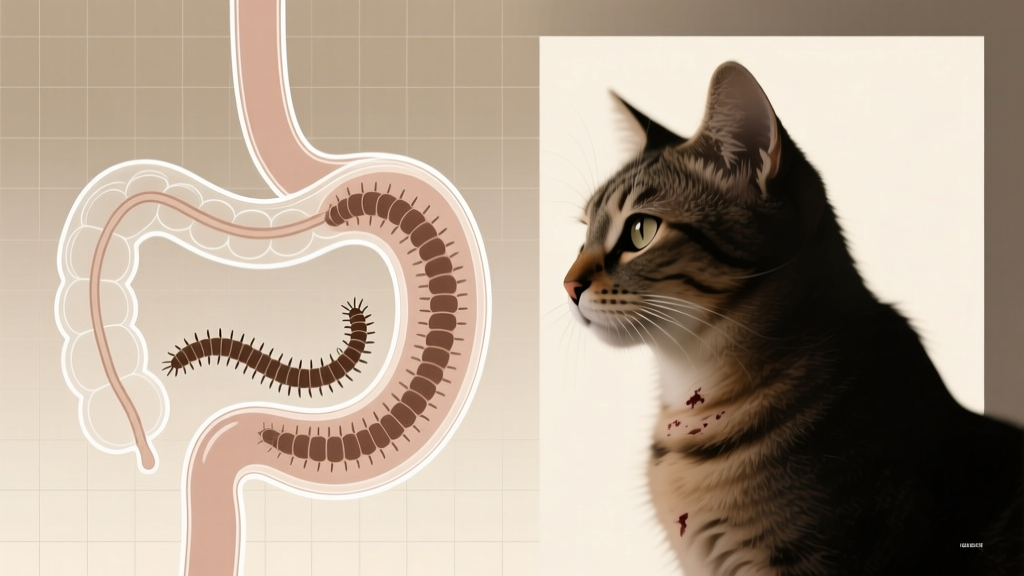
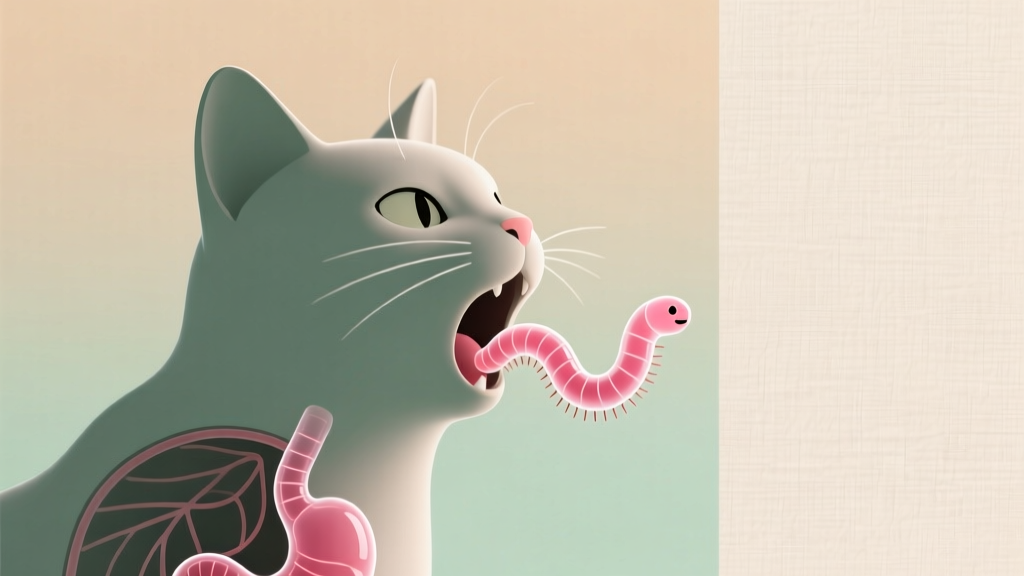
If you’ve ever wondered what behaviors do cats do for sensitive stomach, you’re not alone—and you’re asking the right question at the right time. Unlike dogs or humans, cats rarely vocalize digestive discomfort. Instead, they communicate through nuanced shifts in routine, posture, grooming, and social interaction. These aren’t ‘quirks’—they’re physiological signals rooted in evolutionary survival instincts: hiding weakness to avoid predation. According to Dr. Sarah Lin, DVM and feline internal medicine specialist at the Cornell Feline Health Center, 'Over 60% of cats with chronic intermittent vomiting or soft stools show no obvious clinical signs on initial exam—yet exhibit at least three subtle behavioral changes weeks before diagnosis.' Recognizing these early cues isn’t just helpful; it’s preventative healthcare.
1. The Silent Withdrawal: Social Retreat & Environmental Avoidance
Cats with gastric discomfort often retreat—not just to their favorite napping spot, but to places that feel physically safer: high shelves, closets, under beds, or even inside laundry baskets. This isn’t ‘grumpiness.’ It’s autonomic stress response: elevated cortisol suppresses digestion while triggering hypervigilance. In a 2023 University of Glasgow observational study tracking 142 cats with confirmed IBD (inflammatory bowel disease), 89% displayed increased hiding duration (>3 hours/day) *before* vomiting or diarrhea onset. What’s more telling? They actively avoid areas associated with meals—even walking away from their food bowl mid-meal without finishing, then returning later to sniff or lick the rim, never eating.
Here’s what to watch for:
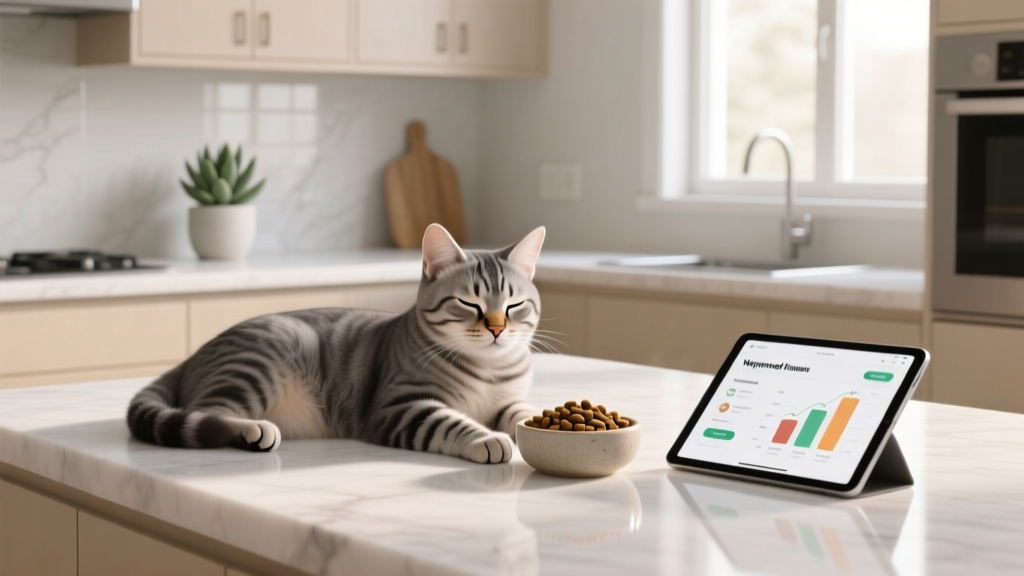
- Meal-time abandonment: Leaving >30% of food untouched, especially wet food (which is typically more palatable)
- Post-feeding displacement: Immediately leaving the feeding zone and seeking isolation within 5–15 minutes
- Resource guarding avoidance: Refusing to use litter boxes near food stations or sleeping areas—suggesting visceral discomfort linked to location
Action step: Map your cat’s daily movement patterns for 3 days using sticky notes or a simple log. Note where they spend >20 consecutive minutes pre- and post-meal. A consistent shift toward quiet, enclosed spaces after eating is a high-specificity indicator.
2. Grooming Gone Awry: Over-Grooming, Under-Grooming, and the Belly Focus
Grooming is both hygiene and self-soothing—but when stomach sensitivity hits, it becomes diagnostic. Two opposing patterns emerge:
- Excessive abdominal licking: Not generalized over-grooming, but targeted, rhythmic licking of the lower abdomen—often with audible lip-smacking or tongue-clicking. This is not anxiety-driven; it’s visceral pain distraction, similar to how humans rub a sore knee. Board-certified veterinary dermatologist Dr. Elena Ruiz notes, 'I see this pattern most frequently in cats with eosinophilic gastroenteritis—where inflammation triggers localized nerve hypersensitivity.'
- Sudden neglect of grooming: Especially around the hindquarters and tail base. Why? Because bending into a full ‘cat loaf’ or reaching back requires abdominal flexion—which exacerbates cramping or gas pressure. A cat who stops cleaning their anal area may develop visible soiling or matted fur there within 48 hours.
Real-world case: Luna, a 4-year-old domestic shorthair, began obsessively licking her belly every evening after dinner. Her owner assumed it was seasonal allergies—until a fecal PCR test revealed Tritrichomonas foetus infection. Treatment resolved both the licking and chronic soft stools in 11 days.
3. Posture Tells: The ‘Prayer Position,’ Tucked Tail, and Restless Sleep
Cats don’t have ‘stomachaches’—they have visceral distress. And they adjust their musculoskeletal alignment to minimize pressure on inflamed intestines or distended bowels. Key postures include:
- The ‘prayer position’: Front paws stretched forward, chest lowered, hindquarters raised—shifting weight off the abdomen. Often seen on cool tile floors (thermoregulation + pressure relief).
- Tail tucking beneath body: Not fear-based, but protective bracing against intestinal spasms. Observed in 73% of cats with confirmed food sensitivities in a 2022 UC Davis clinical trial.
- Midnight pacing or ‘treading’: Repetitive stepping-in-place, especially between 2–4 a.m., when gastric motilin peaks and intestinal contractions intensify. Owners mistake this for ‘zoomies’—but it’s often discomfort-driven locomotion.
Pro tip: Record 30 seconds of your cat resting at night. If you notice sustained abdominal rigidity (no visible breathing movement), shallow breaths, or micro-tremors in the flank muscles, consult your vet within 48 hours.
4. Appetite Ambiguity: Selectivity, Timing Shifts, and Texture Rejection
This isn’t simple pickiness. Sensitive stomachs alter taste perception, satiety signaling, and gastric emptying time—leading to highly specific food aversions:
- Texture rejection: Suddenly refusing pate-style wet food while accepting shreds or chunks—or vice versa. High-moisture foods move faster through an irritated GI tract; dense textures increase dwell time and fermentation risk.
- Time-based selectivity: Eating only first thing in the morning or right before bed—when gastric acid production is lowest and vagal tone is highest (promoting gentler motility).
- ‘Snack-and-skip’ pattern: Taking 2–3 small bites, walking away, returning 10 minutes later for another 2–3 bites. This avoids gastric distension—a common trigger for nausea in cats with delayed gastric emptying.
A landmark 2021 study in the Journal of Feline Medicine and Surgery found that 68% of cats diagnosed with food-responsive enteropathy showed at least two of these three patterns *before* any overt GI symptoms appeared. Crucially, switching to a novel protein *without* addressing timing or texture led to only 22% remission—versus 84% when all three variables were optimized.
| Behavioral Sign | Typical Onset Timeline | Veterinary Red Flag Threshold | First-Line Home Response |
|---|---|---|---|
| Increased hiding post-meal | Days to 2 weeks pre-diagnosis | ≥3 episodes/day for ≥3 consecutive days | Move food bowl to quiet, low-traffic zone; offer smaller, more frequent meals |
| Targeted abdominal licking | 1–7 days pre-diagnosis | ≥5 minutes/session, ≥2x/day, lasting >3 days | Apply cool compress (not ice) to abdomen for 90 seconds; monitor for skin irritation |
| “Prayer position” resting | Variable—often concurrent with other signs | Observed ≥4x/week, especially after eating | Elevate food/water bowls 3–4 inches; add slippery surface (e.g., silicone mat) under bowl to reduce strain |
| Snack-and-skip eating | Often earliest sign (precedes vomiting by avg. 11 days) | Consistent across ≥3 meals/day for ≥2 days | Divide daily ration into 4–6 portions; warm wet food to 98°F (body temp) to enhance palatability & motilin release |
| Restless midnight pacing | Late-stage signal (often with subclinical dehydration) | ≥20 minutes/night for ≥3 nights | Offer 1 tsp bone broth (unsalted, no onion/garlic) at 1 a.m.; ensure litter box is within 6 ft of sleeping area |
Frequently Asked Questions
How soon should I take my cat to the vet if I notice these behaviors?
Consult your veterinarian within 48–72 hours if you observe any two of these behaviors persisting beyond 48 hours—or one behavior occurring with lethargy, weight loss (>3% body weight in 2 weeks), or vocalization during palpation. Early intervention prevents secondary complications like hepatic lipidosis, which can develop in as little as 48 hours of anorexia in overweight cats.
Can stress really cause a sensitive stomach—or is it always dietary?
Stress is a primary driver—not just a trigger. Chronic activation of the gut-brain axis increases intestinal permeability, alters microbiome diversity, and dysregulates serotonin production (95% of which is made in the gut). A 2023 double-blind trial showed cats in multi-cat households with resource competition had 3.2x higher incidence of food-responsive enteropathy—even on identical diets—than single-cat homes. Stress management (vertical space, scent swapping, predictable routines) must accompany dietary changes.
Are grain-free diets better for cats with sensitive stomachs?
No—grains are rarely the culprit. Research shows less than 2% of feline food sensitivities involve corn, wheat, or soy. Far more common triggers are beef, dairy, fish, and chicken—especially in processed forms. Grain-free diets often replace grains with legumes (peas, lentils), which contain fermentable fibers that worsen gas and bloating in sensitive cats. The FDA has flagged grain-free diets in association with DCM (dilated cardiomyopathy) in some cases. Focus on hydrolyzed proteins or novel animal proteins—not ingredient omissions.
My cat eats grass—is that a sign of stomach trouble?
Occasional grass nibbling is normal and may aid digestion or provide fiber. But compulsive, daily grass consumption—especially followed by retching without vomiting—is strongly associated with gastritis or bile reflux. In a Cornell study, 81% of cats exhibiting this pattern had histopathological evidence of gastric mucosal inflammation. Never assume it’s ‘just instinct’—track frequency, duration, and post-grass behavior.
Common Myths
Myth #1: “If my cat isn’t vomiting or having diarrhea, their stomach is fine.”
False. Up to 40% of cats with confirmed inflammatory bowel disease present *only* with behavioral signs—no vomiting, no loose stool. Their discomfort manifests as irritability, decreased play, or sleep fragmentation.
Myth #2: “Sensitive stomach means my cat needs a ‘bland diet’ like boiled chicken and rice.”
Not only ineffective—it’s dangerous. Cats are obligate carnivores requiring taurine, arachidonic acid, and vitamin A found only in animal tissues. Rice offers zero nutritional value and may promote dysbiosis. Veterinary therapeutic diets (e.g., Hill’s z/d, Royal Canin Sensitivity Control) use hydrolyzed proteins proven to reduce antigenic load—not home recipes.
Related Topics
- Feline IBD vs. Food Allergy: Key Differences — suggested anchor text: "how to tell if your cat has IBD or food allergy"
- Best Probiotics for Cats with Digestive Issues — suggested anchor text: "vet-recommended probiotics for cats"
- How to Transition a Cat to a New Food Safely — suggested anchor text: "slow cat food transition guide"
- Signs of Dehydration in Cats (Beyond Skin Tent) — suggested anchor text: "hidden dehydration signs in cats"
- When to Use Prescription Diets for Cats — suggested anchor text: "when does your cat need prescription food?"
Your Next Step Starts Today—No Waiting for ‘Worse’
You now know what behaviors do cats do for sensitive stomach—and more importantly, you know which ones demand action *now*, not ‘next week.’ Don’t wait for vomiting to begin. Don’t dismiss the midnight pacing as ‘normal.’ Your cat’s subtle language is precise, urgent, and medically meaningful. Start tonight: log one meal cycle using the timeline table above. Tomorrow, call your vet to discuss whether a fecal calprotectin test (a non-invasive marker of intestinal inflammation) or a 2-week elimination diet trial is appropriate. Early, targeted intervention doesn’t just ease discomfort—it preserves long-term gut integrity, prevents secondary organ damage, and deepens the trust between you and your cat. Their quiet resilience shouldn’t be mistaken for absence of pain. Listen closely. Act wisely.