How to Care for a Kitten Found Outside: 7 Urgent Steps You Must Take in the First 24 Hours (Most People Skip #3 — It’s Life-Saving)
What to Do the Moment You Find a Kitten Outside
If you’re asking how to care for a kitten found outside, you’re likely holding a trembling, cold, or barely moving tiny life in your hands right now — and feeling equal parts urgency and uncertainty. This isn’t just about ‘feeding and cuddling.’ Outdoor kittens face immediate threats: hypothermia (even in mild weather), dehydration, intestinal parasites, upper respiratory infections, feline panleukopenia, and maternal separation trauma. According to Dr. Sarah Wooten, DVM and clinical advisor for the American Veterinary Medical Association, "Over 60% of neonatal stray kittens brought to shelters without initial stabilization die within 72 hours — not from illness, but from preventable stress, chilling, or aspiration." That first day is the most critical window — and this guide walks you through every evidence-backed decision, minute by minute.
Step 1: Assess Safety & Observe Before Touching
Before scooping up the kitten, pause for 5–10 minutes. Crouch low and watch quietly from 10 feet away. Is the kitten alone? Are there siblings nearby? Is a mother cat visible — even at a distance? A healthy mother may be hunting or hiding nearby; she’ll often return within 2–4 hours if undisturbed. If the kitten is crying persistently, shivering, covered in fleas or fly eggs, has discharge from eyes/nose, or is unable to stand, intervention is urgent. But if it’s warm, sleeping calmly, and appears clean and alert, wait — and monitor. This single observation step prevents unnecessary orphaning and preserves vital maternal antibodies.
Also check surroundings: Is the kitten near traffic, open drains, or aggressive dogs? Is it in direct sun or heavy rain? If immediate danger exists, gently move it to a sheltered, quiet spot — like a cardboard box lined with a soft towel — before proceeding.
Step 2: Stabilize Body Temperature — The #1 Killer of Stray Kittens
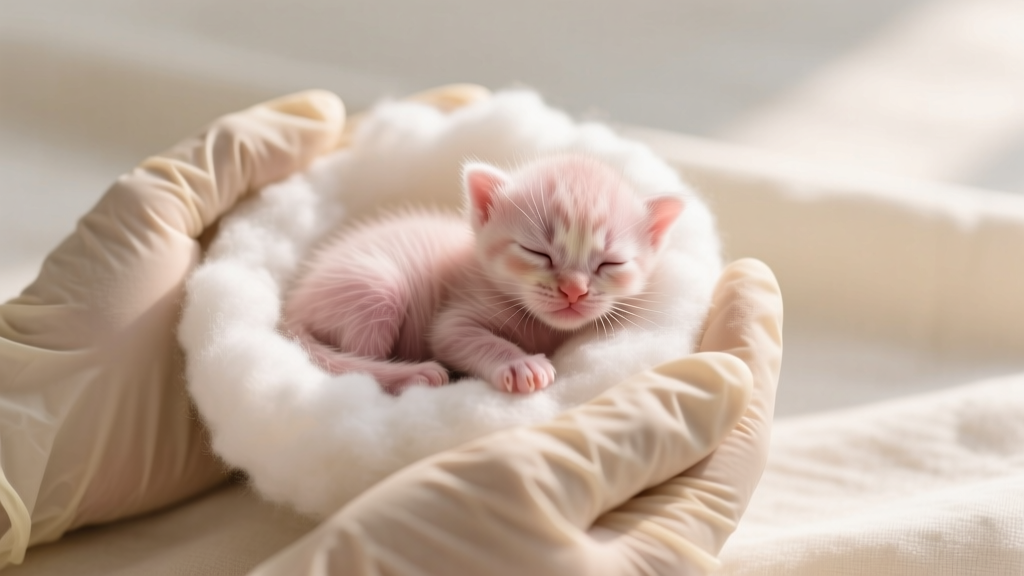
Hypothermia kills more neonatal kittens than any other condition — and it’s almost always misdiagnosed as ‘weakness’ or ‘sleepiness.’ Kittens under 4 weeks cannot regulate their own body temperature. Their ideal rectal temperature is 95–99°F (35–37.2°C); below 94°F is an emergency.
- Never use heating pads or hot water bottles directly — they cause severe burns in under 2 minutes.
- Do use ‘passive rewarming’: Wrap a clean sock filled with dry, uncooked rice (microwaved 20 seconds) or a warm (not hot) gel pack in 2–3 layers of thin cloth. Place it beside — not under — the kitten in a small, enclosed carrier or box. Cover ¾ of the box with a light blanket to retain heat.
- Monitor closely: Check rectal temp every 15 minutes with a digital thermometer (lubricated with water-based lube). Stop warming once temp reaches 97°F — rapid overheating causes shock.
Dr. Linda Lord, epidemiologist at Ohio State’s College of Veterinary Medicine, confirms: "For every 1°C drop below normal, metabolic rate falls 10–15%. A 92°F kitten has only ~50% of normal gut motility — meaning oral fluids or milk will likely aspirate or ferment, causing sepsis." Warmth first — food second. Always.
Step 3: Hydration & Feeding — What to Give (and What to NEVER Give)
Dehydration is nearly universal in outdoor kittens — but giving the wrong fluid is deadly. Cow’s milk, human baby formula, sugar water, or plain water can trigger lethal diarrhea, bloat, or aspiration pneumonia.
Safe rehydration protocol:
- Once warmed to ≥97°F, offer oral rehydration solution (ORS) — not milk — using a 1mL syringe (no needle). Use pediatric electrolyte solution (e.g., Pedialyte unflavored) diluted 50/50 with warm water. Give 1–2 mL slowly into the cheek pouch every 15 minutes for 1 hour.
- Only after 2+ hours of stable warmth AND accepted ORS should you introduce kitten milk replacer (KMR or Just Born). Never use goat’s milk — it lacks taurine and causes retinal degeneration.
- Feed in small volumes: 2–5 mL per feeding for newborns (0–1 week), increasing by 1 mL/day. Feed every 2–3 hours — including overnight — for kittens under 3 weeks.
Feeding technique matters: Hold kitten upright (never on back), tilt head slightly down, and drip milk slowly onto tongue — never force-squirt. Gagging or milk bubbling from nose means stop immediately. Aspiration is the #2 cause of death in rescued neonates.
Step 4: Parasite Control, Health Screening & When to Call the Vet
Outdoor kittens carry high parasite loads: roundworms (in >80% of strays), coccidia, ear mites, and fleas (which transmit tapeworms and Bartonella). But deworming too early — before 2 weeks — can be fatal due to immature liver metabolism.
Here’s the vet-approved timeline:
- Fleas: For kittens <4 weeks, skip chemical treatments. Instead, use a fine-tooth flea comb dipped in soapy water. Bathe only if heavily infested — use warm water + mild dish soap (like Dawn), rinse thoroughly, and dry immediately.
- Worming: Start fenbendazole (Panacur) at 2 weeks old — 0.5 mL/kg orally, daily for 3 days, repeated at 4 and 6 weeks. Prescription required in most states.
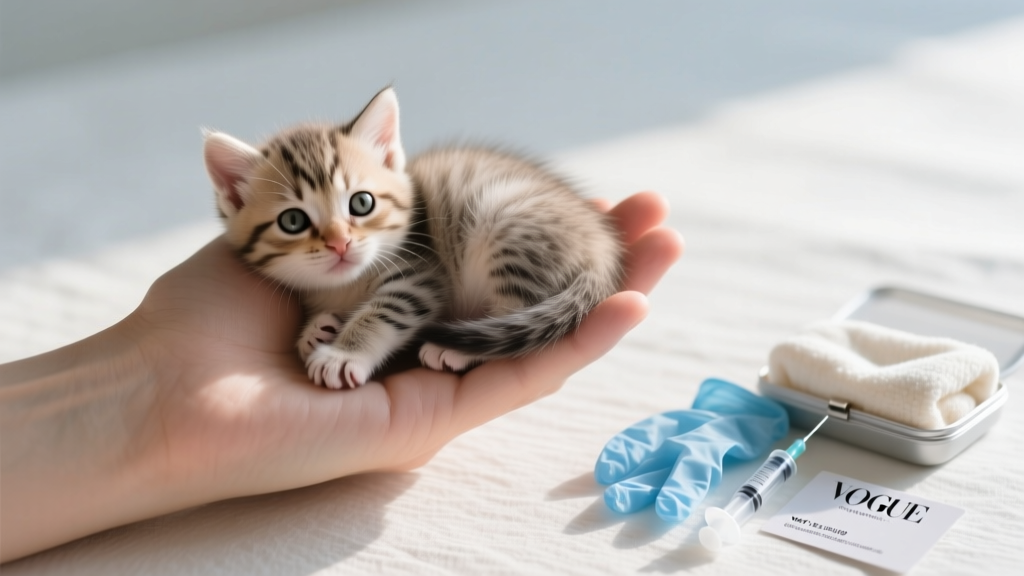
- Veterinary exam: Schedule within 24–48 hours — even if the kitten seems fine. A vet will check for: congenital defects (cleft palate, heart murmurs), eye infections (conjunctivitis), umbilical hernias, and signs of FPLV or FHV-1. Bring fecal sample in a sealed container.
Watch for red-flag symptoms requiring ER care: labored breathing, blue/pale gums, seizures, inability to nurse after warming/hydration, or blood in stool. These indicate systemic infection or failure — not something to ‘wait and see.’
Kitten Care Timeline: Critical Actions by Age
| Age | Key Actions | Tools/Supplies Needed | Risk if Missed |
|---|---|---|---|
| 0–24 hrs | Observe mom, stabilize temp, hydrate with ORS, no feeding | Thermometer, rice sock, Pedialyte, syringe | Hypothermic shock, aspiration, sepsis |
| 1–3 days | Begin KMR feeding, stimulate elimination (gentle belly rubs), weigh daily | KMR, feeding syringe, soft cloth, digital scale (0.1g precision) | Failure to thrive, urinary retention, weight loss >10% |
| 1–2 weeks | Start deworming (fenbendazole), check for eye/nose discharge, begin socialization (gentle handling) | Panacur suspension, cotton balls, saline solution | Parasitic anemia, blindness from untreated conjunctivitis |
| 3–4 weeks | Introduce shallow water bowl, start weaning to gruel (KMR + wet food), litter box training | Shallow dish, ceramic litter pan, unscented clay litter | Diarrhea from abrupt diet change, inappropriate elimination habits |
| 5–8 weeks | Vaccinations (FVRCP), spay/neuter consult, full transition to kitten food, play enrichment | Vet records, interactive toys, scratching post | Preventable viral disease, behavioral issues, obesity |
Frequently Asked Questions
Should I give the kitten to a shelter immediately?
Not necessarily — and sometimes, it’s harmful. Many municipal shelters lack neonatal kitten programs and euthanize unweaned kittens due to resource constraints. If you can provide warmth, feeding, and monitoring for 48 hours, you dramatically increase survival odds. Contact local no-kill rescues (search ‘kitten nursery near me’) or foster-based groups first. They often provide free supplies, coaching, and vet partnerships — and will take the kitten once stabilized.
Can I keep the kitten if I want to?
Yes — but ethically and legally, you must first rule out ownership. Post clear photos (face + paws) on Nextdoor, Facebook Lost & Found groups, and Ring doorbell networks. Visit local vets and clinics to scan for microchips (free service). In most states, if no owner comes forward in 3–5 days, you may assume guardianship — but formal adoption paperwork strengthens legal standing and ensures future care continuity.
What if there are multiple kittens?
Keep siblings together — always. Separation increases stress hormones 300%, suppresses immunity, and delays developmental milestones. Use one large carrier with separate warm zones (not one heat source for all). Feed individually but allow nursing or sleeping contact. Weigh each kitten separately — runts need extra attention but shouldn’t be isolated.
Is it safe to bathe a stray kitten?
Generally, no — especially under 4 weeks. Bathing drops body temperature rapidly and strips natural skin oils. Only bathe if visibly soiled with toxic substances (oil, antifreeze, paint) or heavy flea load. Use lukewarm water, mild dish soap, and dry with warm air (hair dryer on lowest setting, held 12+ inches away) while wrapped in towels. Never submerge the head.
How do I know if the kitten is abandoned or just temporarily alone?
Mother cats often leave kittens for up to 4 hours to hunt or rest. Signs of true abandonment: kittens scattered, crying nonstop for >2 hours, cold to touch, dirty fur, visible parasites, or presence of dead siblings. If the mother returns within 2 hours, quietly leave food/water nearby and monitor from afar. If she doesn’t return by dusk, intervene.
Common Myths About Stray Kittens — Debunked
- Myth: “If it’s not crying, it’s fine.” — False. Hypothermic or septic kittens become lethargy — not vocal. Silence is often the earliest sign of crisis.
- Myth: “You should feed cow’s milk because it’s ‘natural.’” — Dangerous. Kittens lack lactase after 3 weeks; cow’s milk causes osmotic diarrhea, dehydration, and metabolic collapse.
Related Topics (Internal Link Suggestions)
- When to take a kitten to the vet — suggested anchor text: "first vet visit for stray kitten"
- Kitten milk replacer comparison guide — suggested anchor text: "best kitten formula for orphans"
- How to tell a kitten’s age accurately — suggested anchor text: "kitten age chart by weight and development"
- DIY kitten heating pad alternatives — suggested anchor text: "safe homemade warming methods"
- Feral vs stray kitten behavior differences — suggested anchor text: "is my kitten feral or socialized?"
Your Next Step Starts Now — and It’s Simpler Than You Think
You don’t need to be a vet, a breeder, or even a seasoned pet owner to give this kitten its best chance. You just need to act with calm intention — starting with warmth, then hydration, then expert guidance. Print this page or save it offline. Grab a digital thermometer and unflavored Pedialyte *tonight*. And remember: that tiny, fragile creature didn’t choose to be outside — but because you searched how to care for a kitten found outside, you’ve already chosen to be its lifeline. Your next move? Call a local rescue or vet clinic *now* — even if just to ask, “Do you have a neonatal kitten protocol?” Most will say yes — and many will meet you at the parking lot with supplies. Don’t wait for ‘perfect conditions.’ Perfect is the enemy of alive.