How to Take Care of a Two Day Old Kitten: A Step-by-Step Survival Guide (Veterinarian-Approved, No Guesswork Needed)
Why This First 72 Hours Decides Everything
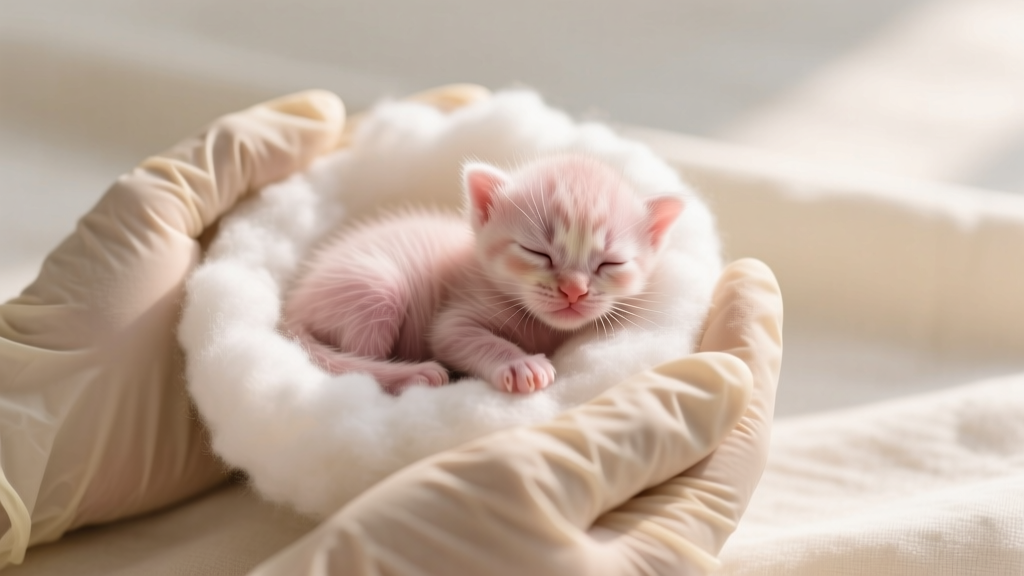
If you’re asking how to take care of a two day old kitten, you’re likely holding a tiny, trembling life that can’t regulate its own body temperature, can’t eliminate without help, and has zero immune defense. At just 48 hours old, this kitten is more vulnerable than a human newborn—and far less forgiving of well-intentioned mistakes. Neonatal mortality in orphaned kittens exceeds 50% without precise, evidence-based intervention (Journal of Feline Medicine and Surgery, 2022). This isn’t about ‘cute pet care’—it’s emergency neonatal medicine. Every decision you make in the next 48 hours directly impacts whether this kitten lives past week one. Let’s get it right—starting now.
1. Warmth Isn’t Comfort—It’s Oxygen
A two-day-old kitten’s normal rectal temperature should be 95–99°F (35–37.2°C). Below 94°F? They’re already in metabolic crisis: heart rate slows, digestion halts, and they stop nursing—even if milk is available. Hypothermia is the #1 killer of neonatal kittens, responsible for over 68% of early deaths in orphaned litters (AVMA Clinical Guidelines, 2023).
What to do—immediately:
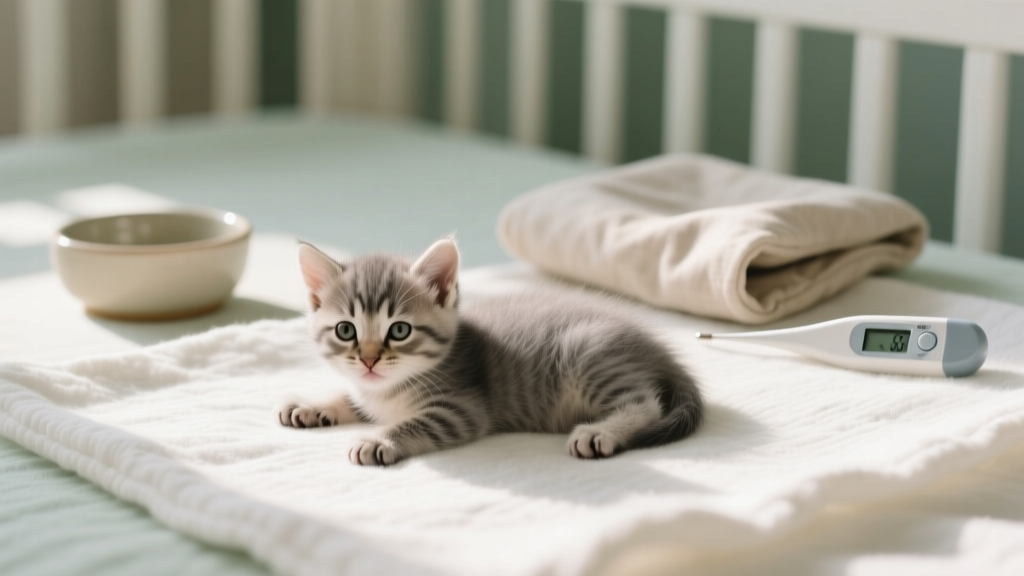
- Never use heating pads or hot water bottles alone. Direct heat causes severe burns or overheating (kittens can’t move away). Instead, create a radiant heat nest: layer a microwavable rice sock (heated 20 sec, wrapped in 2 thick towels) beneath a soft fleece blanket inside a small cardboard box. Place a digital thermometer probe under the blanket—not touching the kitten—to monitor surface temp (ideal: 85–90°F).
- Check every 15 minutes for the first hour. Gently feel the kitten’s ears, paws, and belly. They should feel warm—not hot or cool. If skin feels cool or limbs are stiff, increase insulation (add another blanket layer), not heat intensity.
- Never separate from siblings unless medically necessary. Littermates huddle for shared warmth—this natural thermoregulation reduces energy expenditure by up to 40%. If alone, place a warm (not hot) water bottle wrapped in fleece beside—but not under—the kitten, allowing contact only on one side so they can move away if needed.
Dr. Lena Cho, DVM and neonatal feline specialist at UC Davis Veterinary Medical Teaching Hospital, stresses: “A kitten that’s too cold won’t suckle—even with perfect formula. Warming must precede feeding. Always.”
2. Feeding: Precision Nutrition, Not Just ‘Milk’
At 48 hours old, a kitten needs 13–15 mL of kitten milk replacer (KMR) per 100g of body weight per day—divided into feedings every 2–3 hours, including overnight. That’s not a suggestion; it’s physiology. Their stomachs hold ~1–2 mL at this age, and blood glucose drops dangerously low within 3 hours of last feeding.
Critical non-negotiables:
- Never use cow’s milk, goat’s milk, or human baby formula. These cause life-threatening diarrhea, dehydration, and sepsis due to lactose intolerance and improper protein/fat ratios. KMR is scientifically formulated to match queen’s milk osmolality and amino acid profile.
- Warm formula to 98–100°F—no hotter. Use a digital thermometer. Too hot destroys immunoglobulins; too cold triggers regurgitation and aspiration pneumonia.
- Feeding position matters. Hold kitten chest-down, slightly angled forward (like nursing on mom), head level—not tilted up. Tilting causes aspiration. Use a 1–3 mL syringe with a softened rubber nipple (cut tip to allow slow drip flow—no gushing). Watch for swallowing: jaw movement should be rhythmic, not frantic.
Track intake meticulously. A healthy 2-day-old kitten gains 7–10g/day. Weigh daily on a gram-scale before first feeding. If weight loss >5% in 24 hours—or no gain by day 3—contact a veterinarian immediately. That’s your earliest sign of failure to thrive.
3. Stimulation & Elimination: You Are Their Bladder and Bowels
Mother cats stimulate urination and defecation by licking the kitten’s genital and anal regions after each feeding. Without this, a two-day-old kitten cannot eliminate—and will develop fatal urinary retention or toxic megacolon within 24–36 hours.
How to stimulate correctly:
- After every feeding, use a warm (not hot), damp cotton ball or soft tissue.
- Gently stroke the genital area downward (front to back) for 15–20 seconds—mimicking tongue motion.
- Switch to the anal region and stroke in small circles for 10–15 seconds.
- Stop when urine or stool appears. Urine should be pale yellow and clear; stool should be mustard-yellow, soft, and formed—not watery or green.
Red flags: No output after 3 stimulations? Pale, cloudy, or bloody urine? Green, frothy, or mucoid stool? These signal sepsis, dehydration, or intestinal infection—call an emergency vet within the hour. Also note: Kittens typically urinate after every feeding but may only defecate every 1–2 days initially.
Keep a log: time fed, amount consumed, time stimulated, output observed (color, consistency, volume). This log is your diagnostic tool—and your vet’s first data point if things go sideways.
4. Hygiene, Observation & Red Flags: Your Daily Vital Signs Checklist
Neonatal kittens don’t ‘act sick’—they crash silently. You must detect decline before symptoms appear. Perform these checks every 2–3 hours:
- Respiratory rate: Normal is 15–35 breaths/minute. Count for 15 seconds and multiply by 4. Labored breathing, open-mouth breathing, or gasping = emergency.
- Gum color: Lift lip gently. Healthy gums are bubblegum pink. Pale, white, blue, or yellow gums indicate shock, anemia, or liver issues.
- Response to touch: A healthy kitten will root (search for nipple), wiggle, and vocalize softly when handled. Lethargy, limpness, or no response to gentle toe pinch = neurological or metabolic emergency.
- Umbilical cord: Should be dry, shriveled, and black by day 2. Swelling, redness, pus, or foul odor signals omphalitis—a rapidly fatal infection.
Also disinfect hands and tools between every handling. Use 70% isopropyl alcohol on syringes/nipples; wash blankets in fragrance-free detergent; avoid essential oils or scented wipes—kittens’ livers can’t metabolize them.
| Age | Key Developmental Milestones | Critical Care Actions | Warning Signs Requiring Vet Visit |
|---|---|---|---|
| 0–24 hours | First colostrum intake (if with mom); umbilical cord still moist | Ensure warmth (95–99°F); initiate feeding within 2 hrs of birth if orphaned | No suckling reflex; cord bleeding; no meconium passed |
| 48 hours (2 days) | Eyes remain sealed; ear canals closed; begins gaining weight | Feed every 2–3 hrs; stimulate after each feeding; weigh daily; monitor gum color & respiration | No weight gain; no urine/stool in 12 hrs; lethargy; abnormal cord |
| 72 hours (3 days) | Starts subtle muscle control; may lift head briefly | Continue strict feeding/stim schedule; introduce gentle massage to aid digestion | Weight loss >5%; vomiting; persistent crying; tremors |
| Day 5–7 | Eyes begin to open (usually day 7–10); starts vocalizing more | Begin weaning prep (introduce KMR on finger for licking); increase environmental enrichment | One eye opens but other remains sealed >48 hrs; discharge from eyes/nose |
Frequently Asked Questions
Can I give a two-day-old kitten sugar water if it seems weak?
No—never. While glucose supplementation *can* be life-saving in hypoglycemia, oral sugar water is dangerous: it causes rapid osmotic shifts leading to seizures or brain swelling. Only use dextrose gel (25%) applied to gums under veterinary instruction—or better yet, get immediate vet care. Weakness at 48 hours means something is already critically wrong.
How often should I bathe a two-day-old kitten?
You shouldn’t. Bathing removes vital skin oils, risks hypothermia, and stresses their immature immune system. Clean soiled areas with warm water and a soft cloth only. If heavily soiled (e.g., birthing fluids), use a single dab of kitten-safe, pH-balanced wipe—never soap or shampoo. Drying must be immediate and thorough with warmed towels.
Is it normal for a two-day-old kitten to cry constantly?
No—it’s a major red flag. Healthy neonates sleep 90% of the time and only cry briefly during feeding or stimulation. Constant, high-pitched, or weak mewling suggests pain, cold stress, hunger (due to poor intake), or infection. Document duration and context, then contact your vet within the hour.
Can I use a human baby bottle for feeding?
Not safely. Human bottle nipples release milk too fast, increasing aspiration risk. Use only kitten-specific feeding tools: 1–3 mL syringes with rubber nipples (softened in warm water), or specialized kitten bottles with ultra-slow flow nipples. Test flow rate: tip down, squeeze gently—only 1 drop should emerge per second.
What if the kitten refuses to nurse from the syringe?
First, check temperature—cold kittens won’t suckle. Warm for 15 mins, then try again. If still refusing, try dipping the nipple in KMR and letting them lick it off, or gently rub the roof of their mouth with a clean fingertip to trigger rooting. If refusal persists >2 feedings, seek emergency vet care—this indicates neurological impairment or severe illness.
Common Myths Debunked
Myth #1: “If the kitten feels warm to my hand, it’s warm enough.”
False. Human skin averages 88–90°F—so a kitten that feels ‘warm’ to you may actually be hypothermic (94°F or lower). Always verify with a digital thermometer placed rectally (lubricated, inserted ½ inch) or via surface probe in bedding.
Myth #2: “Stimulating too much can harm the kitten.”
False. Under-stimulation is deadly; over-stimulation is nearly impossible. The risk isn’t frequency—it’s technique. Never rub vigorously or use alcohol-soaked swabs (toxic absorption). Gentle, consistent stroking with warm, damp cotton is safe and required at every feeding.
Related Topics (Internal Link Suggestions)
- Kitten colostrum alternatives — suggested anchor text: "what to feed newborn kittens without mother"
- Signs of kitten dehydration — suggested anchor text: "how to tell if a kitten is dehydrated"
- Neonatal kitten sepsis symptoms — suggested anchor text: "kitten sepsis signs and treatment"
- When do kittens open their eyes? — suggested anchor text: "kitten eye opening timeline"
- Orphaned kitten weight chart — suggested anchor text: "healthy kitten weight gain by day"
Your Next Step Is Non-Negotiable
You now hold life-or-death knowledge—but knowledge alone isn’t enough. Even with perfect technique, 2-day-old orphaned kittens face complex risks: congenital defects, undetected infections, or metabolic disorders invisible to the naked eye. Contact a veterinarian specializing in feline neonatology within the next 12 hours. Bring your feeding log, weight chart, and observations. Ask specifically for a neonatal exam—including blood glucose, hydration assessment, and umbilical culture if indicated. Many clinics offer urgent ‘kitten triage’ slots—don’t wait for ‘tomorrow.’ In neonatal care, tomorrow is often too late. You’ve taken the hardest step—showing up. Now let expert hands partner with yours. That tiny heartbeat depends on it.