Cat Inflammatory Bowel Disease: Diet and Medication Options
1. Why This Topic Matters to Cat Owners
If your cat has ongoing vomiting, diarrhea, weight loss, or seems “off” around meals, it’s stressful—and confusing. Many cats throw up occasionally, and some are picky eaters, so it can be hard to know what’s normal and what needs help. One common (and treatable) reason for chronic tummy trouble is Inflammatory Bowel Disease (IBD). Understanding IBD helps you act sooner, work efficiently with your veterinarian, and make day-to-day choices—especially diet choices—that can dramatically improve your cat’s comfort and quality of life.
2. Overview: What Is Feline IBD (Plain-Language Explanation)
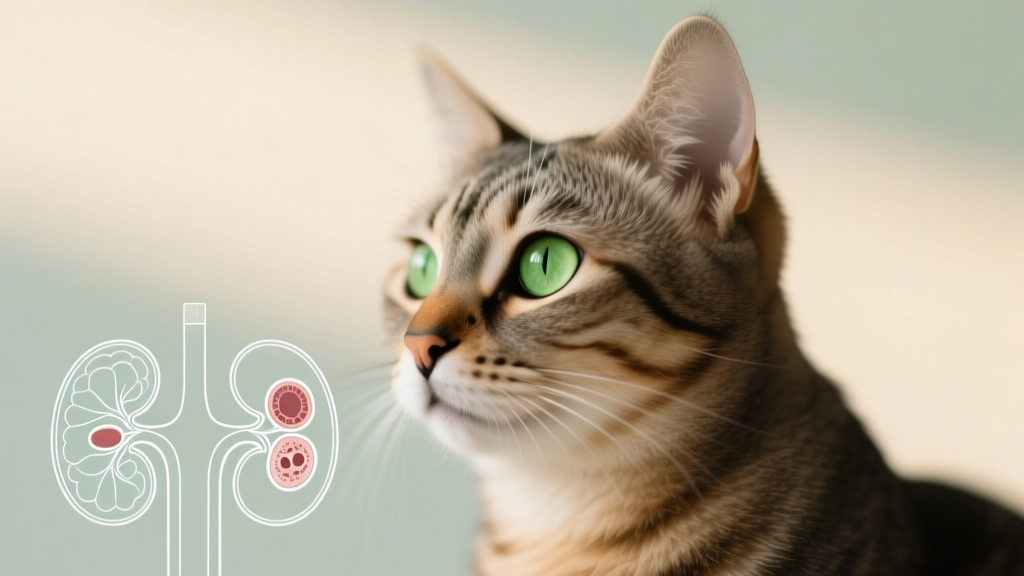
Feline IBD is a condition where a cat’s gastrointestinal (GI) tract—most often the stomach and/or intestines—becomes chronically inflamed. Inflammation means the body’s immune system is overreacting inside the gut lining. Over time, that irritated lining can’t digest food or absorb nutrients as well, which leads to symptoms like vomiting, diarrhea, weight loss, and poor appetite.
IBD isn’t one single disease with one cause. Think of it as a “pattern” your veterinarian sees: persistent GI signs plus inflammation in the gut. Different types of immune cells can be involved (lymphocytes, plasma cells, eosinophils), which can influence how the condition behaves and how it responds to treatment.
IBD is not contagious, and many cats do very well with a combination of nutrition changes, medications, and follow-up monitoring.
3. Symptoms and Warning Signs to Watch For
Signs of IBD can be subtle at first and may come and go. Track symptoms over time—patterns matter.
- Vomiting (especially more than “once in a while,” or vomiting food repeatedly)
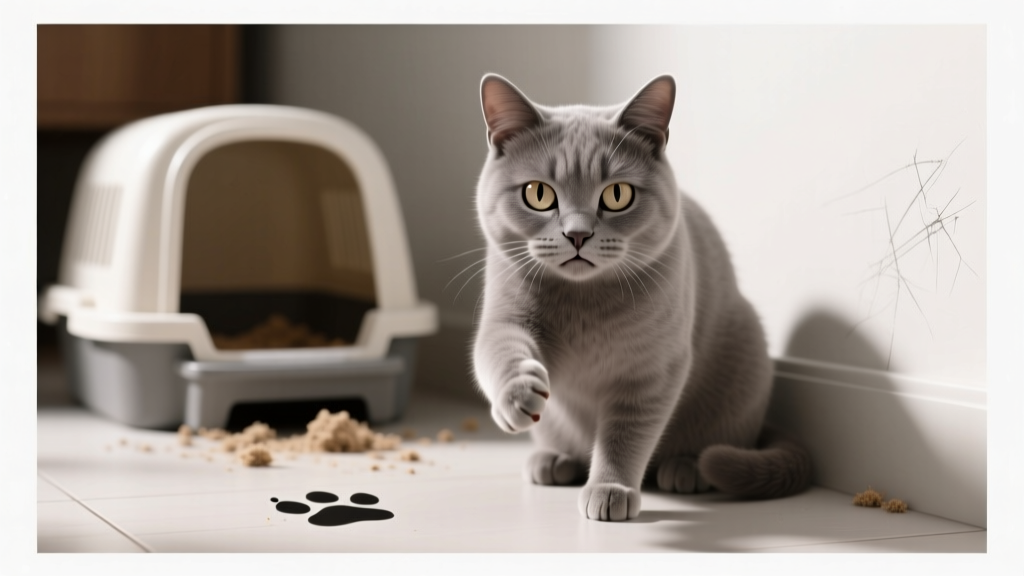
- Diarrhea (watery stool, increased frequency, or accidents outside the litter box)
- Soft stool or stool that changes between normal and abnormal
- Weight loss despite eating normally (or sometimes increased appetite)
- Reduced appetite or picking at food
- Dehydration (dry gums, sunken eyes, low energy)
- Gas, abdominal discomfort, or hiding more than usual
- Excessive grooming or a dull coat (from poor nutrient absorption)
- Blood or mucus in stool (more common with large-intestine involvement)
Practical tip you can do today: Keep a simple “GI diary” for 2 weeks: what food/treats were given, stool appearance, vomiting episodes (time and what came up), appetite, and weight (weekly). Bring it to your vet visit—it often speeds up diagnosis.
4. Causes and Risk Factors
Veterinarians don’t always find one single trigger. Most cases appear to involve a mix of immune sensitivity, diet, gut bacteria, and possibly genetics.
Potential contributors include:
- Food sensitivities (an immune response to certain proteins or ingredients)
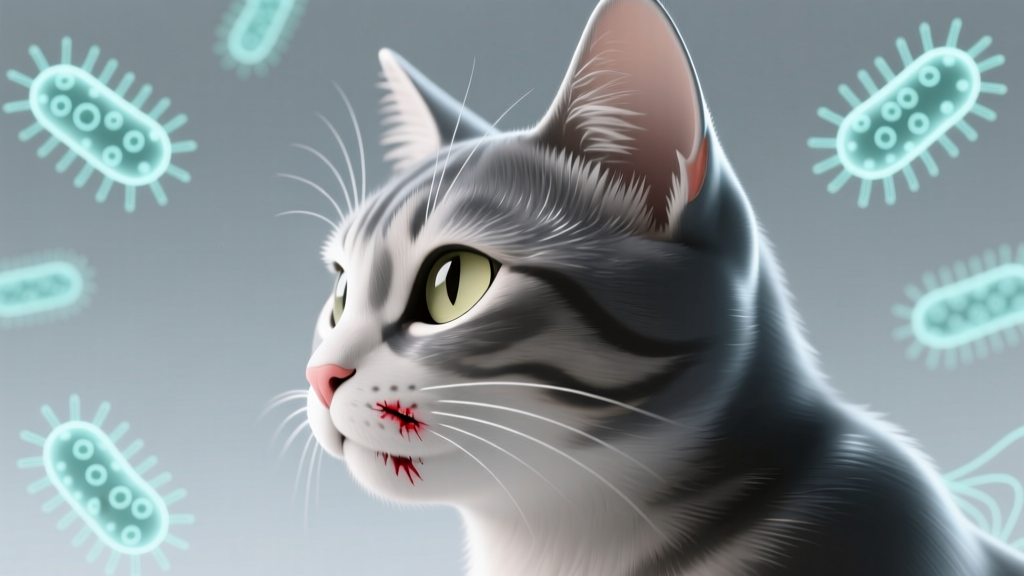
- Changes in gut microbiome (imbalances in intestinal bacteria)
- Parasites or previous infections (which can irritate the gut)
- Chronic stress (stress can influence gut motility and inflammation)
- Other diseases that mimic or overlap (pancreatitis, liver disease, hyperthyroidism)
Risk factors: IBD can happen in any cat. It’s often diagnosed in middle-aged to older cats, but younger cats can be affected too.
5. Diagnosis: What to Expect at the Vet
IBD is usually diagnosed by combining your cat’s history, exam findings, lab tests, imaging, and—when needed—biopsies. Because many conditions cause similar signs, your veterinarian’s goal is to rule out other problems and confirm inflammation.
Common diagnostic steps:
- Physical exam and detailed history (this is where your GI diary helps)
- Fecal testing to check for parasites (sometimes repeated tests are needed)
- Bloodwork (CBC/chemistry) to evaluate organ function, inflammation, anemia, protein levels
- Thyroid testing in older cats (hyperthyroidism can mimic weight loss/vomiting)
- Urinalysis for overall health and hydration status
- GI-specific tests as recommended (cobalamin/B12 and folate levels, pancreatic tests like fPLI)
- Abdominal ultrasound to assess intestinal wall thickness, lymph nodes, pancreas, liver
Confirming IBD: A definitive diagnosis often requires intestinal biopsies. Biopsies can be collected by:
- Endoscopy (a camera-guided procedure; less invasive, samples the inner lining)
- Surgical biopsy (more invasive, allows full-thickness samples and access to more locations)
Your veterinarian will discuss which route makes sense based on your cat’s symptoms, ultrasound results, age, and overall stability.
6. Treatment Options (Diet, Medication, Home Care)
Most cats with IBD are managed medically. The best plan is individualized, and it often takes some careful trial-and-response to find the right combination.
Diet Therapy: The Foundation for Many Cats
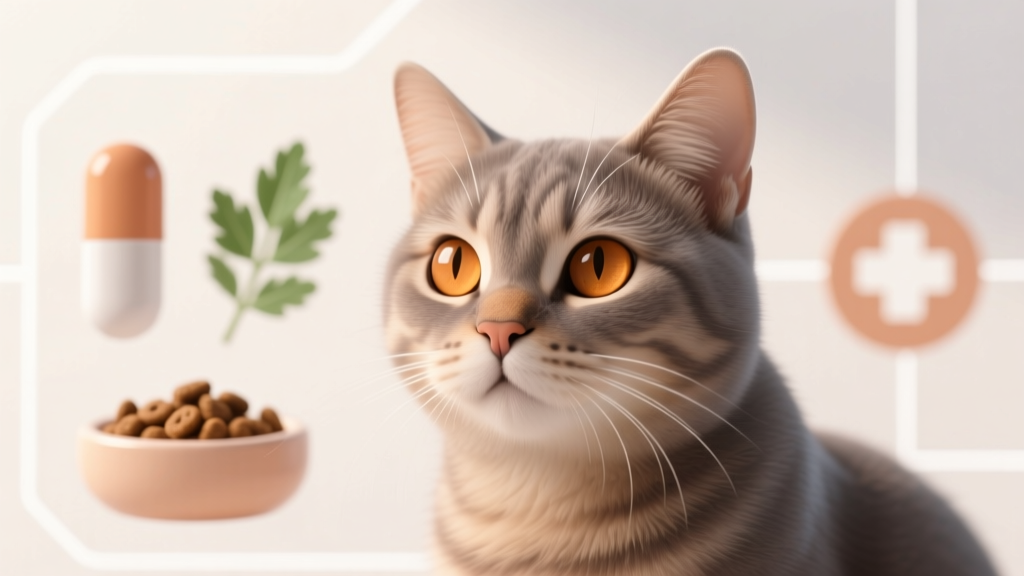
Diet is one of the most impactful tools you have. A diet trial is often the first step (or done alongside medications) because food sensitivities can drive inflammation.
Common diet approaches:
-
Novel protein diets (a protein your cat hasn’t eaten before, such as rabbit, venison, duck)
- Goal: reduce immune reaction to familiar proteins
-
Hydrolyzed protein diets (proteins broken into smaller pieces that are less likely to trigger an immune response)
- Often a good option for cats with multiple food exposures or complicated histories
-
Highly digestible GI diets (formulated to be gentle on the gut)
- May help when vomiting/diarrhea are significant and your vet wants to reduce digestive workload
How to do a diet trial correctly (actionable checklist):
- Commit to 8–12 weeks of the prescribed diet (your vet may set a specific timeline).
- Feed only the trial diet—no flavored treats, no table food, no flavored medications unless your vet approves.
- Transition slowly over 5–10 days unless your veterinarian advises a different schedule.
- Weigh your cat weekly and record stool/vomiting changes.
- If your cat refuses the food, call your vet early—don’t wait until your cat has barely eaten for days.
Wet vs. dry: Many cats with GI issues do well with canned diets due to higher moisture content. The “best” choice depends on your cat’s preferences, hydration needs, and medical history. Your veterinarian can help choose a formulation that meets calorie needs without worsening symptoms.
Medication Options (Common Tools Vets Use)
Medications are chosen based on severity, suspected triggers, and how your cat responds to diet changes.
-
Corticosteroids (anti-inflammatory immune modulation)
- Prednisolone is commonly used in cats to reduce intestinal inflammation.
- Your vet will typically use the lowest effective dose and may taper gradually.
- Possible side effects: increased appetite, thirst, behavior changes, diabetes risk in some cats (your vet will monitor).
-
Other immunosuppressive medications (when steroids alone aren’t enough or side effects are a concern)
- Examples your veterinarian may discuss include chlorambucil or cyclosporine in selected cases.
- These require careful dosing and monitoring with bloodwork.
-
Anti-nausea and anti-vomiting medications
- Maropitant and ondansetron are commonly prescribed to control nausea/vomiting and help appetite.
-
Appetite stimulants (if needed short-term)
- Your vet may prescribe mirtazapine or other options to help maintain calorie intake.
-
Antibiotics (used selectively)
- Some cats may benefit if bacterial imbalance is suspected; your vet may consider medications such as metronidazole or tylosin in specific situations.
- Antibiotics aren’t a universal fix and should be used thoughtfully.
-
Probiotics
- May help support gut microbiome balance. Choose a veterinary-recommended product rather than random human supplements.
-
Vitamin B12 (cobalamin) supplementation
- Many cats with chronic intestinal disease develop low B12, which can worsen appetite, digestion, and energy.
- Supplementation may be given by injection or oral form depending on your vet’s plan.
-
Deworming
- Even with negative fecal tests, vets sometimes recommend a deworming protocol because parasites can be missed.
Surgery: When Is It Needed?
Surgery isn’t a routine “treatment” for IBD, but it may be recommended for:
- Full-thickness intestinal biopsies when endoscopy isn’t adequate
- Suspected obstruction (foreign body), intestinal mass, or severe complications
Home Care: Comfort and Monitoring
- Reduce stress: predictable routines, quiet feeding area, enrichment, separate resources in multi-cat homes.
- Hydration support: encourage water intake with fountains, extra water in wet food, multiple water stations.
- Measured meals: smaller, more frequent meals can help some cats.
- Medication routine: ask your vet about flavorless options, pill pockets that match the diet trial, or compounding when appropriate.
- Regular weigh-ins: weight loss is an early indicator that treatment needs adjustment.
7. Prevention Strategies and Early Detection Tips
IBD can’t always be prevented, but you can reduce risk and catch problems earlier.
- Schedule routine wellness exams (especially for cats over 7 years old).
- Address vomiting early: If your cat vomits more than occasionally, don’t assume it’s hairballs.
- Parasite control: use veterinarian-recommended preventives and regular fecal checks.
- Diet consistency: avoid frequent food switches and limit treats—sensitive cats often do better with fewer variables.
- Track weight monthly at home using a baby scale or a human scale method (you + cat minus you).
- Act quickly for appetite changes: cats can get sick fast when they stop eating.
8. Prognosis and Quality of Life
The outlook for feline IBD is often good when it’s identified early and treated consistently. Many cats achieve long-term control with diet changes alone or diet plus medication. Some cats need ongoing therapy and periodic adjustments.
Quality of life is the main goal: comfortable digestion, stable weight, good appetite, normal grooming, and normal energy. Follow-up appointments matter because IBD management is often a process, not a one-time fix.
Your veterinarian may recommend periodic bloodwork (and sometimes repeat ultrasound) to monitor response and medication safety, especially if immunosuppressive drugs are used.
A note on similar conditions: Some signs of IBD overlap with other disorders, including intestinal lymphoma. This is one reason diagnostics and follow-up are so valuable—your vet wants to be sure you’re treating the right problem.
9. When to Seek Emergency Veterinary Care
IBD is usually managed through scheduled vet visits, but some situations need urgent help. Contact an emergency vet or your regular clinic right away if your cat has:
- Repeated vomiting and can’t keep down water
- Severe lethargy, collapse, or weakness
- Signs of dehydration (sticky/dry gums, very low energy)
- Black, tarry stool or large amounts of blood in stool
- Painful, swollen abdomen or crying when picked up
- Not eating for 24 hours (or less in kittens or cats with other health conditions)
- Rapid weight loss or sudden worsening of symptoms
10. FAQ: Common Questions Cat Owners Ask
Is IBD the same as a food allergy?
Not exactly. Food sensitivity or allergy can contribute to IBD, but IBD is broader—chronic inflammation in the GI tract that may involve food, gut bacteria, immune factors, and other triggers. A diet trial helps determine whether food is a major driver for your cat.
How long does it take for an IBD diet to work?
Many vets recommend an 8–12 week strict diet trial. Some cats improve sooner, but it can take weeks for intestinal inflammation to calm down. Consistency is what makes the trial meaningful.
Can my cat stay on steroids long-term?
Some cats do need long-term prednisolone, but the goal is usually the lowest effective dose (sometimes every other day). Your veterinarian will weigh benefits versus risks and may recommend monitoring bloodwork, especially if doses are higher or used for long periods.
Are grain-free diets better for cats with IBD?
Not automatically. The problem is often the protein source rather than grains, and “grain-free” isn’t the same as “hypoallergenic.” Work with your veterinarian to choose a diet designed for food sensitivity or GI support rather than selecting based on marketing terms.
What treats can I give during a diet trial?
Ideally, none unless your vet approves. Even small amounts of another protein can disrupt the trial. Ask your vet about compatible treats made from the same prescription diet, or using a small portion of the trial food as treats.
Will my cat need a biopsy?
Not always. Some cats improve with a careful diet trial and supportive care. If symptoms persist, if imaging suggests more serious disease, or if your veterinarian needs to distinguish IBD from other conditions, biopsies may be recommended to guide the best treatment plan.
If your cat has ongoing vomiting, diarrhea, or weight loss, schedule a veterinary appointment—early treatment is often simpler and more successful. For more practical cat health guidance, nutrition tips, and supportive care resources, visit catloversbase.com.