Feline Hypertension: Silent Killer in Senior Cats
1. Why this topic matters to cat owners
As cats enter their senior years, their bodies change in ways that can be easy to miss at home. One of the most overlooked conditions is high blood pressure (hypertension). It often causes no obvious signs until it has already damaged delicate organs like the eyes, kidneys, heart, and brain.
The reassuring news: feline hypertension is treatable, and early detection can prevent many of the most serious complications. If you share your home with an older cat—especially one with kidney disease or hyperthyroidism—learning the basics of blood pressure care can directly protect their vision, comfort, and lifespan.
2. Overview: What feline hypertension is (plain-language explanation)
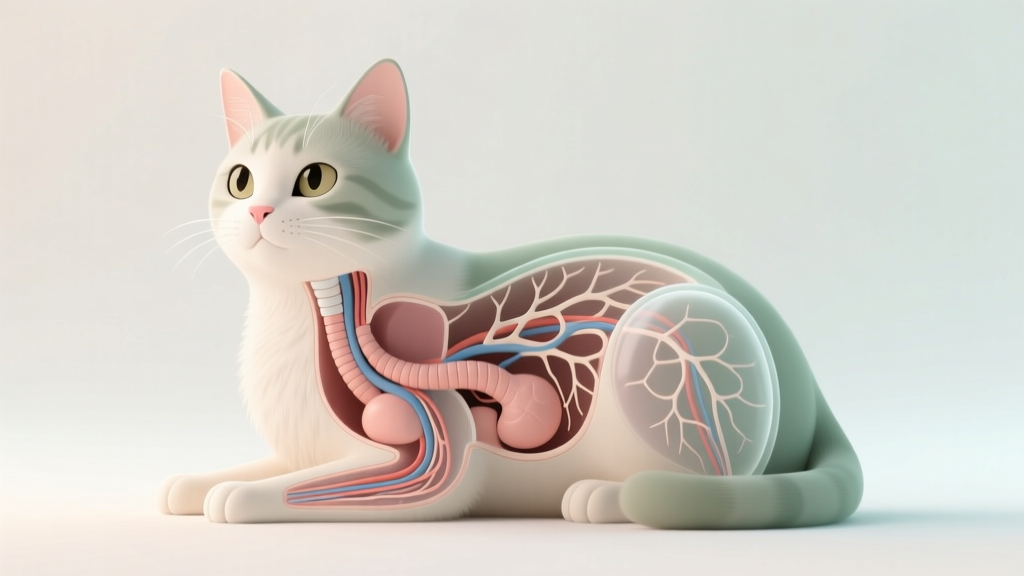
Blood pressure is the force of blood pushing against the walls of blood vessels. Your cat needs a normal, steady pressure to deliver oxygen and nutrients throughout the body. When blood pressure stays too high for too long, it creates extra stress on blood vessels and organs—like turning up the water pressure in a garden hose until the hose begins to wear out.
Feline systemic hypertension means the blood pressure in the body’s arteries is persistently elevated. Most high blood pressure in cats is secondary, meaning it happens because of another underlying condition (rather than “primary” hypertension, which is more common in people).
Why it’s called a “silent” problem: many cats act fairly normal until a sudden complication occurs, such as vision loss from retinal detachment. Regular blood pressure checks are the best way to catch it before that happens.
3. Symptoms and warning signs to watch for
Some cats show subtle changes; others show sudden, dramatic signs when organ damage occurs. Contact your veterinarian if you notice any of the following—especially in a senior cat.
Common warning signs at home
- Sudden vision changes: bumping into objects, trouble jumping, staring into space, dilated pupils, or acting “spooked” in familiar rooms
- Behavior changes: restlessness, hiding more than usual, vocalizing at night, seeming disoriented
- Weakness or wobbliness: trouble walking, stumbling, reluctance to move
- Increased thirst or urination (often tied to kidney disease)
- Weight loss and increased appetite (often tied to hyperthyroidism)
- Rapid breathing or decreased exercise tolerance
- Reduced appetite or nausea-like behaviors (lip licking, drooling, swallowing)
Signs that may be found at the vet
- Eye changes: bleeding in the eye, retinal detachment, pupil abnormalities
- Heart changes: heart murmur, gallop rhythm, thickened heart muscle
- Kidney changes: worsening kidney values, protein in urine
Many of these signs overlap with other conditions. That’s why a veterinary exam and blood pressure measurement are so valuable—hypertension may be the missing piece that explains what you’re seeing.
4. Causes and risk factors
In cats, high blood pressure is most often linked to an underlying medical issue. Identifying and managing that underlying problem is a key part of treatment.
Common underlying causes
- Chronic kidney disease (CKD): one of the most common contributors; hypertension and CKD can worsen each other
- Hyperthyroidism: excess thyroid hormone can increase heart rate and blood pressure
- Heart disease: may be associated with elevated blood pressure in some cats
- Diabetes mellitus: may increase risk indirectly through kidney and vascular effects
- Adrenal gland disorders (less common)
Risk factors
- Age: senior cats are at higher risk
- Known kidney disease or abnormal kidney bloodwork
- Diagnosed hyperthyroidism
- Previous eye problems (especially sudden changes)
- Protein in the urine (proteinuria)
Some cats develop hypertension without a clear cause (idiopathic hypertension), but this is less common. Either way, treatment is still important to protect organs.
5. Diagnosis: Methods and what to expect at the vet
Diagnosing hypertension is usually straightforward, but it does take a calm approach for accuracy. Cats can experience “white coat” stress in the clinic, which can temporarily raise blood pressure. Your veterinary team will work to get the most reliable reading possible.
Blood pressure measurement
- How it’s done: A small cuff is placed on a leg or tail, and a machine measures pressure using Doppler or oscillometric methods.
- What your cat experiences: It’s non-painful, similar to a human cuff; the main challenge is staying still.
- Accuracy tips: A quiet room, gentle handling, and multiple readings help. Your vet may discard the first reading and average the rest.
Additional tests your vet may recommend
- Complete physical exam and weight check
- Eye exam (including retinal evaluation); this is crucial because the eyes are very sensitive to high blood pressure
- Bloodwork: kidney values, electrolytes, thyroid level (T4), and other screening tests
- Urinalysis: checks urine concentration and protein loss
- Urine protein:creatinine ratio if protein is detected
- Heart evaluation: chest X-rays or echocardiogram if heart disease is suspected
Practical tip you can do today
- Ask your vet: “Should we check my cat’s blood pressure today?” This is especially helpful for cats over 10 years old or cats with CKD/hyperthyroidism.
6. Treatment options (medical, surgical, home care)
The goal of treatment is to bring blood pressure down to a safer range and prevent further organ damage. Many cats respond very well once the right medication and dose are found.
Medical treatment
- Amlodipine: commonly the first-choice medication for feline hypertension. It relaxes blood vessels and is highly effective for many cats.
- Telmisartan (or sometimes other blood pressure/proteinuria medications): may be used when kidney disease and protein in urine are present, sometimes alongside amlodipine depending on your vet’s plan.
- Treating the underlying disease: controlling hyperthyroidism, managing kidney disease, or addressing other conditions can improve blood pressure control.
What to expect: Your vet will typically recheck blood pressure after starting medication and may adjust the dose. Finding the “just right” dose can take a couple of visits.
Surgical or definitive treatments (condition-dependent)
- Hyperthyroidism management: options may include medication, prescription diet, radioactive iodine therapy (I-131), or surgery. Better thyroid control can reduce strain on the cardiovascular system.
- Addressing rare causes: if an uncommon adrenal issue is identified, treatment may involve specialized medical or surgical care.
Home care: What cat owners can do
- Give medications consistently: same time daily if possible. Don’t stop suddenly unless your veterinarian advises it.
- Monitor vision and behavior: note any bumping into objects, hesitation on stairs, or pupil changes.
- Track appetite, weight, thirst, and litter box habits: a simple notebook or phone note helps you spot trends early.
- Support kidney health if applicable: follow your vet’s diet and hydration plan (kidney diets, wet food, water fountains, or fluids if prescribed).
- Reduce stress when possible: predictable routines, easy access to resources, and comfortable resting areas can help overall stability.
Safety note: Never use human blood pressure medications unless specifically prescribed for your cat. Doses and drug choices differ greatly and can be dangerous.
7. Prevention strategies and early detection tips
You can’t prevent every cause of hypertension, but you can greatly reduce the chance of severe complications by finding it early.
Early detection checklist
- Schedule senior wellness visits: most cats benefit from exams every 6 months as they age.
- Ask for routine blood pressure screening: especially if your cat is over 10, has CKD, hyperthyroidism, or heart disease.
- Request regular lab work: kidney values, thyroid testing, and urinalysis help identify conditions linked to high blood pressure.
- Watch for subtle eye changes: hesitate to jump, misjudge distances, enlarged pupils—these deserve a prompt vet visit.
Home setup tips for senior cats (helpful right now)
- Provide night lights in hallways to help cats with early vision changes.
- Add pet stairs/ramps to favorite furniture to reduce falls if vision or balance is affected.
- Keep food, water, and litter boxes easy to access on the same level of the home.
8. Prognosis and quality of life considerations
With treatment, many cats with hypertension enjoy a good quality of life for months to years. Prognosis depends on:
- How high the blood pressure is at diagnosis
- Whether organ damage has occurred (eyes, kidneys, heart, brain)
- How quickly treatment begins and how well blood pressure responds
- The underlying disease and how manageable it is
Vision outcomes
If hypertension causes retinal detachment or bleeding in the eye, some cats regain partial vision when blood pressure is controlled quickly, but not always. Even when vision does not fully return, many cats adapt well at home with consistent furniture placement, blocked-off hazards, and predictable routines.
Living well with ongoing treatment
- Expect recheck appointments—initially more frequent, then spaced out once stable.
- Medication is often long-term. Many cats tolerate it very well.
- Your vet may adjust treatment if kidney values, thyroid status, or urine protein levels change.
9. When to seek emergency veterinary care
Hypertension can lead to sudden, serious events. Seek emergency care (or urgent same-day veterinary evaluation) if you notice:
- Sudden blindness or abrupt vision changes (dilated pupils, bumping into walls, panic in familiar spaces)
- Collapse, severe weakness, or inability to walk
- Seizures or severe disorientation
- Labored breathing, open-mouth breathing, or blue/gray gums
- Sudden, severe lethargy with poor responsiveness
If you’re unsure, it’s always appropriate to call your veterinary clinic or an emergency hospital for guidance. Quick treatment can protect vision and reduce the risk of lasting damage.
10. FAQ: Common questions cat owners ask
Can my cat have high blood pressure with no symptoms?
Yes. Many cats appear normal until hypertension affects the eyes, kidneys, heart, or brain. That’s why routine blood pressure checks in senior cats are so valuable.
How often should a senior cat’s blood pressure be checked?
It depends on your cat’s health status. Many veterinarians recommend screening senior cats at least yearly, and more often (every 3–6 months or as advised) for cats with kidney disease, hyperthyroidism, or previous high readings. Your veterinarian can tailor a schedule for your cat.
Is high blood pressure in cats curable?
Sometimes it improves significantly if the underlying cause is treated (for example, better control of hyperthyroidism). More often, it’s a manageable long-term condition with medication and monitoring.
What are the side effects of blood pressure medication?
Most cats do well. Possible side effects can include low blood pressure (lethargy, weakness), changes in appetite, or gastrointestinal upset, depending on the medication. If you notice new symptoms after starting a medication, contact your veterinarian promptly—dose adjustments can make a big difference.
Can diet lower my cat’s blood pressure?
Diet alone usually won’t control feline hypertension, but nutrition matters a lot when the underlying issue is kidney disease or hyperthyroidism. Following a veterinarian-recommended diet can support organ health and complement medication.
My cat hates vet visits. Are blood pressure readings still reliable?
They can be, especially when the clinic uses calm handling and repeats multiple readings. If stress is a major issue, ask your vet about scheduling a quiet appointment time, using pre-visit calming strategies, or doing repeat checks to confirm a true pattern.
If your cat is entering their golden years, consider blood pressure checks part of routine senior care—just like dental assessments and lab work. When caught early, hypertension is one of those conditions where proactive veterinary care can prevent heartbreaking complications.
For more caring, practical cat health guidance, visit catloversbase.com and explore our growing library of wellness resources for every life stage.