Cat Laryngeal Web: Congenital Airway Obstruction
1. Why This Topic Matters for Cat Owners
Breathing should be quiet and effortless for a cat. When you hear noisy breathing, notice your kitten struggling after a small burst of play, or see open-mouth breathing, it can be scary—and for good reason. Airway problems can become serious quickly, especially in young cats.
A laryngeal web is a rare but meaningful congenital (present at birth) cause of airway obstruction. Because it often shows up early in life and can resemble other respiratory issues (like asthma or infections), understanding the basics helps you recognize warning signs, seek timely veterinary care, and make day-to-day choices that keep your cat comfortable and safe.
2. Overview: What Is a Laryngeal Web?
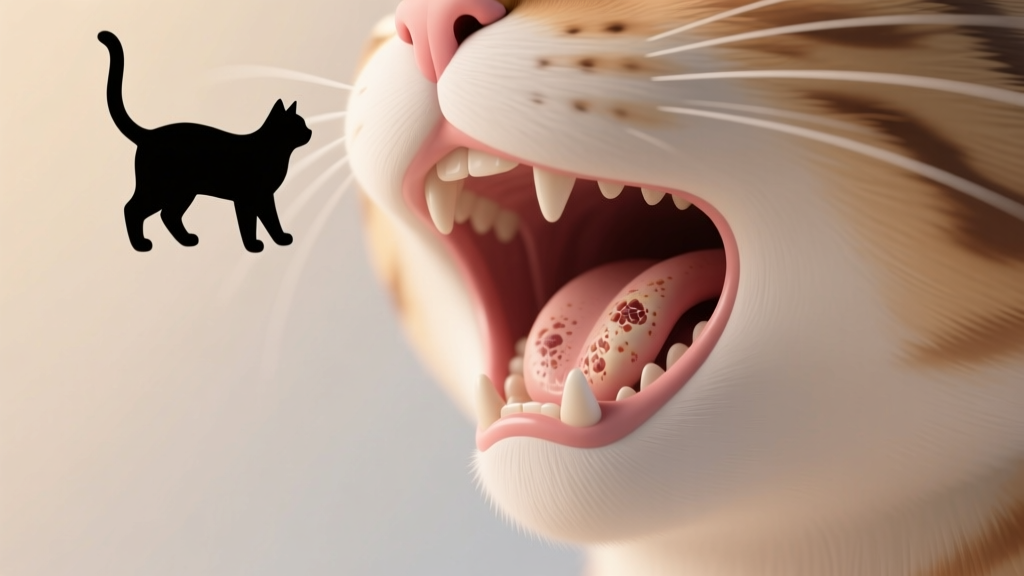
The larynx (often called the “voice box”) sits at the top of the windpipe (trachea). It protects the airway during swallowing and helps produce sound. Inside the larynx are the vocal folds and surrounding tissues that open and close to regulate airflow.
A laryngeal web is an abnormal band or “sheet” of tissue spanning part of the larynx. Think of it like a partial curtain where there should be an open passage. This can narrow the airway and make it harder for air to move in and out.
- Congenital laryngeal web: Most often due to a developmental issue before birth, when tissues that should separate don’t fully open.
- How it affects breathing: The narrower the opening, the more effort it takes to breathe—especially during excitement, heat, stress, or exercise.
- Voice changes: Because the larynx contributes to vocalization, some cats may sound hoarse or have a weaker meow.
Laryngeal webs are uncommon in cats, but they matter because they can create chronic breathing noise and, in severe cases, lead to respiratory distress.
3. Symptoms and Warning Signs to Watch For
Signs often begin when kittens become more active and energetic. Some cats have mild symptoms that only show up with exertion; others have more persistent signs.
Common symptoms
- Noisy breathing (often a high-pitched sound called stridor, usually louder when inhaling)
- Increased breathing effort (visible chest/abdominal effort, flared nostrils)
- Exercise intolerance (tiring quickly, stopping play early)
- Voice changes (hoarse, quieter meow, unusual vocal sounds)
- Coughing or gagging (sometimes confused with hairballs)
- Stress-related flare-ups (worse with excitement, restraint, travel)
More concerning warning signs
- Open-mouth breathing when not playing or stressed
- Blue/gray gums or tongue (cyanosis)
- Collapse, extreme lethargy, or inability to settle
- Frequent episodes of breathing distress
Practical at-home observations you can do today
- Record a short video of the breathing noise (resting and after mild activity) to show your veterinarian.
- Count resting respiratory rate while your cat sleeps: typical is about 16–30 breaths per minute. Consistently higher rates, or obvious effort, deserve a vet call.
- Note triggers (heat, play, stress, grooming, certain rooms, litter dust).
4. Causes and Risk Factors
A congenital laryngeal web forms during fetal development. In many cases, there’s no clear reason why it happened—just like some kittens are born with heart murmurs or cleft palates. That said, understanding risk factors can guide how quickly you pursue diagnostics.
Potential causes and contributors
- Developmental “failure to separate” of laryngeal tissues during embryonic growth
- Other congenital airway abnormalities may occur alongside it in rare cases
Risk factors
- Young age: Signs often show up in kittens or young cats.
- Stress/excitement: Any narrowing becomes more noticeable when breathing demand increases.
- Heat and poor ventilation: Warm environments increase respiratory effort.
While laryngeal webs can be congenital, some cats can develop acquired laryngeal narrowing from inflammation, trauma, or scarring. A veterinarian will consider these possibilities during the workup.
5. Diagnosis: What to Expect at the Vet
If your cat has noisy breathing or suspected upper-airway obstruction, a veterinary visit is the right move. Because breathing issues can worsen with stress, clinics often prioritize keeping cats calm and oxygenated during evaluation.
History and physical exam
- Questions about onset (since kittenhood?), triggers, exercise tolerance, and any episodes of open-mouth breathing
- Listening for where the noise is loudest (upper airway vs lungs)
- Checking gum color, hydration, temperature, and overall stability
Common diagnostic tests
- Pulse oximetry: Measures oxygen saturation.
- Thoracic (chest) X-rays: Helps rule out pneumonia, asthma-like disease, heart enlargement, or tracheal issues.
- Neck/throat imaging: X-rays may help, but many laryngeal problems don’t show clearly on plain films.
- Laryngoscopy (laryngeal exam): Often the key test. A veterinarian examines the larynx using a scope while the cat is under light anesthesia/sedation, allowing direct visualization of a web and assessment of airway size.
- Bloodwork: Checks overall health and anesthesia safety; may look for infection or inflammation.
What to know about sedation/anesthesia
Evaluating the larynx typically requires sedation or anesthesia to keep your cat safe and still. For cats with airway obstruction, the team may:
- Provide oxygen support before and after sedation
- Use carefully chosen drugs and close monitoring
- Be prepared for intubation (placing a breathing tube) if needed
If your cat is in distress, stabilization always comes first—diagnostics may be staged over time.
6. Treatment Options (Medical, Surgical, Home Care)
Treatment depends on how much the web blocks airflow and how severely your cat is affected. Mild cases may be managed conservatively, while significant obstruction often requires a procedural or surgical approach.
Medical/supportive management
Medication does not remove the web, but it can help reduce secondary inflammation and keep your cat stable, especially during flare-ups or while awaiting a procedure.
- Oxygen therapy in-clinic for respiratory distress
- Anti-inflammatory medication if swelling is contributing (only as prescribed—never give human meds)
- Sedation/anxiolytics in emergency situations to reduce panic and oxygen demand (clinic use)
- Treating concurrent problems (upper respiratory infection, aspiration pneumonia, or allergies) if present
Surgical/procedural options
When airflow is significantly restricted, your veterinarian may recommend referral to a specialist (surgery or internal medicine) for advanced airway evaluation and treatment. Options may include:
- Endoscopic treatment: In some cases, the web can be carefully opened or reduced using specialized tools (techniques vary by hospital and the web’s location/extent).
- Surgical correction: For more substantial webs, surgery may be needed to widen the airway. The exact approach depends on anatomy and severity.
- Temporary or emergency airway support: In severe situations, a temporary tracheostomy (breathing through an opening in the neck) may be considered to bypass the obstruction while healing occurs.
Because any procedure in the larynx can cause swelling afterward, close post-op monitoring is common and not a sign that something went wrong—it’s part of safe airway care.
Home care and daily management
Whether your cat is managed medically or has had a procedure, these at-home steps can reduce flare-ups:
- Keep your cat cool: Avoid hot rooms, ensure good airflow, provide fresh water, and use fans/AC during warm weather.
- Reduce stress: Predictable routines, quiet rest areas, and slow introductions to new pets or visitors.
- Use low-dust litter and avoid strong scents (smoke, aerosols, heavy perfumes, harsh cleaners).
- Feed in small, calm meals: If your cat gulps food or seems to gag, ask your vet about feeding adjustments.
- Maintain a healthy weight: Extra weight increases breathing effort.
- Harness over collar: Avoid pressure on the neck and throat during restraint or walking.
Always follow your veterinarian’s discharge instructions closely, including activity restriction after procedures and proper medication dosing.
7. Prevention Strategies and Early Detection Tips
You can’t “prevent” a congenital laryngeal web from forming, but you can prevent complications and catch worsening obstruction early.
Early detection checklist
- Schedule a veterinary exam for any kitten with persistent noisy breathing.
- Track resting respiratory rate weekly if your cat has known airway issues.
- Watch for subtle changes: less playful, sleeping more, avoiding jumping, or needing longer to recover after play.
- Keep a symptom journal (date/time, triggers, severity, recovery time).
Reducing preventable flare-ups
- Minimize smoke exposure (including vaping and candles).
- Avoid dusty environments and strong fragrances.
- Plan calm carrier training so vet visits are less stressful.
If you’re considering breeding, discuss congenital conditions with a veterinarian. While a single case doesn’t prove heritability, avoiding breeding affected cats is often recommended to reduce potential risk.
8. Prognosis and Quality of Life
The outlook varies with the size and location of the web and whether other airway issues are present.
- Mild obstruction: Many cats do well with environmental management and periodic monitoring, especially if symptoms are infrequent.
- Moderate to severe obstruction: Cats often improve significantly after appropriate airway intervention, but may require careful follow-up and temporary activity restriction during healing.
- Possible long-term considerations: Scar tissue formation or ongoing laryngeal sensitivity can occur, so your veterinarian may recommend rechecks or repeat evaluation if symptoms return.
Quality of life can be very good when breathing is stable. Your goal as an owner is to keep your cat comfortable, prevent overheating and overexertion, and respond promptly to any change in breathing pattern.
9. When to Seek Emergency Veterinary Care
Because cats can decompensate quickly with airway obstruction, trust your instincts. Seek emergency care immediately if you notice:
- Open-mouth breathing not associated with brief play
- Blue, gray, or very pale gums/tongue
- Marked breathing effort (heaving sides, extended neck, elbows held away from body)
- Collapse, severe weakness, or inability to stand
- Rapidly worsening noisy breathing or distress that doesn’t settle quickly
What to do on the way to the clinic: Keep your cat calm and cool, minimize handling, and transport in a well-ventilated carrier. Do not attempt to give human medications. Call the ER from the car if possible so they can prepare oxygen support.
10. FAQ: Common Questions About Laryngeal Webs in Cats
Can a laryngeal web be mistaken for asthma?
Yes. Asthma is a lower-airway disease (inside the lungs), while a laryngeal web is an upper-airway obstruction (throat area). Both can cause breathing difficulty, but laryngeal webs often create a higher-pitched noise during inhalation. Your veterinarian may use imaging and laryngoscopy to differentiate them.
Is noisy breathing always an emergency?
Not always, but it’s never something to ignore. If your cat is comfortable, eating, and the noise is mild, schedule a veterinary appointment soon. If there’s open-mouth breathing, blue gums, collapse, or obvious distress, it’s an emergency.
Will my cat need surgery?
Some cats with mild webs can be managed conservatively, but significant narrowing often benefits from a procedure to improve airflow. Your vet will base recommendations on symptom severity, exam findings, and laryngeal evaluation.
Is anesthesia safe for cats with airway obstruction?
Anesthesia carries additional risk when the airway is narrowed, which is why clinics take extra precautions—oxygen support, careful drug choices, and readiness to secure the airway. The diagnostic value can be very high, and your veterinarian will balance safety with the need for an accurate diagnosis.
Can my cat live a normal life with this condition?
Many cats do. With the right plan—environmental management, monitoring, and procedural treatment when needed—cats often return to normal activities. Your veterinarian can help you tailor exercise and home routines to your cat’s comfort level.
What should I monitor at home after diagnosis or treatment?
- Resting respiratory rate and breathing effort
- Frequency and triggers of noisy breathing episodes
- Appetite, energy level, and recovery time after play
- Any coughing, gagging, or swallowing difficulty
If anything worsens or changes suddenly, contact your veterinarian promptly.
If you suspect your cat may have a laryngeal web—or any breathing problem—schedule a veterinary evaluation. Early assessment can prevent emergencies and help your cat breathe easier. Visit catloversbase.com for more trustworthy cat health resources, symptom guides, and care tips to support your cat at every life stage.