Feline Mammary Tumors: Spay Before First Heat
1. Introduction: Why This Topic Matters for Cat Owners
Mammary (breast) tumors are one of the most serious cancers we see in cats—especially in unspayed females. The reason cat owners should care is simple: many mammary tumors in cats are malignant (cancerous), and early action makes a big difference. The encouraging news is that there’s a powerful prevention step available for most cats: spaying before the first heat cycle dramatically lowers the risk of developing mammary tumors later in life.
If you share your home with a kitten or an adult female cat that hasn’t been spayed, understanding mammary tumors can help you make confident, proactive choices. Even if your cat is already spayed, learning what lumps to look for and when to see your veterinarian can support earlier detection and better outcomes.
2. Overview: What Are Feline Mammary Tumors?
Cats have mammary tissue along two “chains” that run down the underside of the body—usually four glands on each side. A mammary tumor is an abnormal growth in this tissue. Tumors can be:
- Benign (non-cancerous): less common in cats
- Malignant (cancerous): more common in cats; these can spread (metastasize)
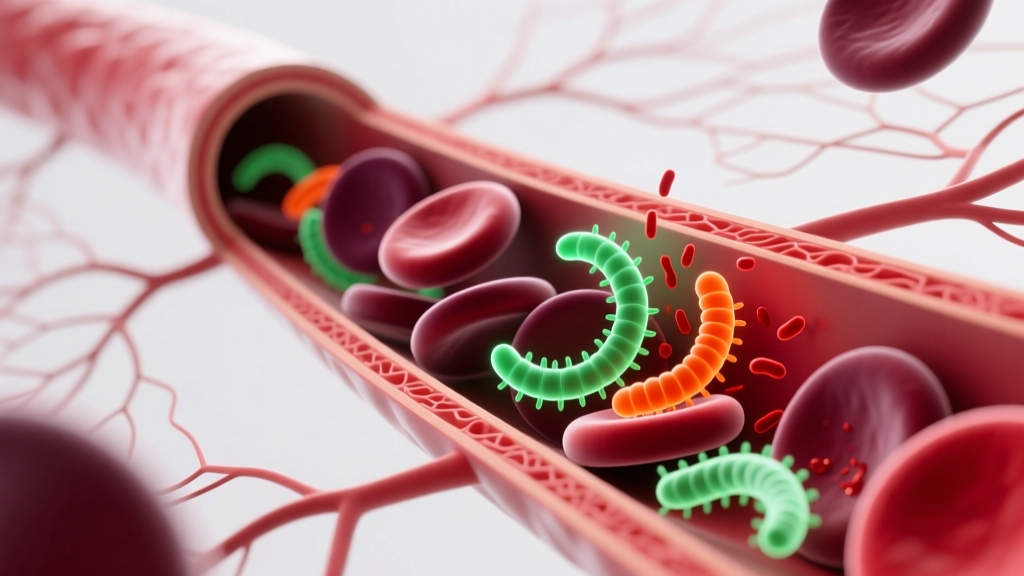
Compared with dogs, cats are more likely to develop aggressive mammary cancers. These cancers can spread to:
- Nearby lymph nodes (often in the armpit or groin area)
- The lungs
- Other organs
Because spread can happen early, finding and treating a tumor while it’s still small is one of the best ways to improve your cat’s chances.
3. Symptoms and Warning Signs to Watch For
Mammary tumors often start as small lumps, and cats are masters at acting normal even when something is wrong. Many owners find a lump while petting their cat or during a routine grooming session.
Common signs include:
- A firm lump or thickened area under the skin along the belly or chest
- One or more nodules in a line (along the mammary chain)
- Skin changes over the lump (redness, tightness, irritation)
- Ulceration (an open sore) or bleeding from the area
- Swelling around a nipple or gland
- Discharge from a nipple (not typical and should be evaluated)
- Pain or sensitivity when the belly is touched
Possible signs of more advanced disease:
- Decreased appetite or weight loss
- Lethargy
- Difficulty breathing, coughing, or faster breathing (possible lung involvement)
- Enlarged lymph nodes (your vet may feel these)
Practical tip: If you feel any new lump (even tiny), schedule a veterinary appointment. Don’t “watch it for a few months” without professional guidance—early evaluation is one of the most helpful steps you can take.
4. Causes and Risk Factors
Feline mammary tumors are strongly influenced by hormones—particularly estrogen and progesterone. That’s why spaying status and timing are such major factors.
Key risk factors:
-
Not being spayed (or being spayed later)
- Spaying before the first heat offers the greatest reduction in risk.
- Spaying after multiple heat cycles provides less protection, but it may still have health benefits.
- Age (risk increases as cats get older; many cases occur in middle-aged to senior cats)
- Breed tendencies (some lines may be more predisposed; Siamese cats are often mentioned as higher risk)
-
Hormone exposure
- Use of hormone-based heat suppression medications (less common now) may increase risk.
Why “spay before first heat” matters: Mammary tissue is highly responsive to reproductive hormones. Preventing heat cycles early reduces hormone-driven changes in the mammary glands over time, which reduces the chance for tumor development.
5. Diagnosis: What to Expect at the Vet
If you find a lump, your veterinarian will want to determine what it is and whether it may have spread. Expect a step-by-step approach, tailored to your cat’s age and overall health.
Common diagnostic steps include:
- Physical exam: Your vet will palpate (feel) the mammary chains and check nearby lymph nodes.
-
Fine needle aspirate (FNA):
- A small needle collects cells from the lump.
- This is quick and minimally invasive, but mammary tumors can be difficult to classify with FNA alone.
-
Biopsy and histopathology:
- A tissue sample is examined by a lab to determine if it’s malignant and what type of tumor it is.
- Often, the most definitive diagnosis comes after surgical removal when the mass is sent to a pathologist.
- Bloodwork and urinalysis: Helps assess overall health and anesthesia safety.
-
Imaging to check for spread (staging):
- Chest X-rays to evaluate the lungs
- Ultrasound of the abdomen in some cases
- Advanced imaging (CT) may be recommended for surgical planning or complex cases
What you can do now: Write down when you first noticed the lump, whether it seems to be growing, and any changes in appetite, weight, or breathing. Bring those notes to your appointment.
6. Treatment Options (Medical, Surgical, Home Care)
Treatment depends on the tumor size, whether it has spread, and your cat’s overall health. Your veterinarian may also refer you to a veterinary surgeon or oncologist.
Surgery (Most Common and Often Most Effective)
Surgery is typically the primary treatment, especially when the tumor appears localized. Because feline mammary tumors are frequently malignant and can be invasive, vets often recommend more extensive surgery than owners expect.
- Lumpectomy (removing only the lump) may be considered for very small, well-positioned masses, but it may not be ideal in many cases.
- Mastectomy (removing one or more mammary glands) is commonly recommended.
- Unilateral mastectomy: removing the entire chain on one side.
- Bilateral procedures: sometimes both sides are addressed, often in staged surgeries.
During surgery, your vet may also evaluate lymph nodes. Removed tissue is usually sent for histopathology to confirm tumor type and margins (whether the tumor was fully removed).
Chemotherapy and Other Oncology Care
Chemotherapy may be recommended when:
- The tumor is high-grade (more aggressive) on biopsy
- Lymph nodes are involved
- There is concern about microscopic spread
Not every cat needs chemotherapy, and many cats tolerate feline-appropriate protocols better than people expect. Your veterinary oncologist will discuss benefits, side effects, and goals (often to slow progression and support quality of life).
Pain Control and Supportive Care
Whether your cat has surgery, chemo, or both, good supportive care matters.
- Pain relief as prescribed (never give human pain meds unless your vet specifically instructs you)
- Incision care and an e-collar or recovery suit to prevent licking
- Activity restriction during healing (your vet will give a timeline)
- Nutrition support: encourage eating with vet-approved tasty options; monitor weight
- Follow-up visits for rechecks and to discuss pathology results
Home Care Tips You Can Use Immediately
- Check the incision twice daily after surgery for swelling, discharge, or gaps.
- Track appetite, litter box habits, and energy in a simple daily note.
- Prevent licking—this is one of the most common reasons incisions get infected or open.
- Keep your cat indoors during recovery to reduce infection risk and prevent jumping injuries.
7. Prevention Strategies and Early Detection Tips
The most effective prevention strategy for mammary tumors in cats is timely spaying.
Prevention steps:
- Spay before the first heat whenever possible. Talk to your veterinarian about the best timing for your kitten.
- Avoid hormone injections or pills used to suppress heat cycles unless specifically directed by a veterinarian for a medical reason.
- Maintain regular wellness exams. Annual visits (or every 6 months for seniors) help catch subtle changes earlier.
Early detection tips:
-
Do a monthly “belly check” at home:
- When your cat is relaxed, gently run your fingers along both mammary chains.
- Feel for small, firm “peas” or thickened areas under the skin.
- Measure any lump (in millimeters or centimeters) and note its location (front vs back, left vs right).
- Don’t wait for pain. Many tumors are not painful at first.
If you’re unsure whether what you’re feeling is a mammary gland, fat, or a lump, schedule a quick exam. It’s always appropriate to ask your veterinarian to check.
8. Prognosis and Quality of Life Considerations
Prognosis depends on several factors, including:
- Tumor size (smaller tumors tend to have better outcomes)
- Whether it has spread to lymph nodes or lungs
- Tumor grade (how aggressive the cells look under the microscope)
- Surgical margins (whether the tumor appears fully removed)
- Your cat’s overall health and ability to tolerate surgery or additional treatment
Quality of life is a core part of treatment planning. Many cats do very well after surgery and return to normal routines. If cancer is advanced, your veterinarian may focus on comfort, pain control, appetite support, and family goals. Palliative care can be a compassionate, effective approach when cure isn’t possible.
Good signs your cat is feeling okay:
- Eating and drinking normally
- Comfortable breathing
- Using the litter box consistently
- Normal grooming and interest in family activities
9. When to Seek Emergency Veterinary Care
Mammary tumors usually aren’t an immediate emergency on day one, but certain signs should be treated urgently.
Seek emergency care right away if you notice:
- Difficulty breathing, open-mouth breathing, or sudden rapid breathing
- Collapse, extreme weakness, or inability to stand
- Uncontrolled bleeding from an ulcerated mass or surgical site
- Severe pain (crying out, hiding, aggression when touched)
- Signs of infection after surgery: fever, foul discharge, significant swelling, incision opening
- Not eating for 24 hours (or 12 hours in a kitten or medically fragile cat)
If you’re unsure, call your veterinary clinic or local emergency hospital. They can help you decide the safest next step.
10. FAQ: Common Questions Cat Owners Ask
Does spaying really reduce the risk of mammary tumors?
Yes. Spaying early—ideally before the first heat—provides the strongest risk reduction because it minimizes lifetime exposure to reproductive hormones that influence mammary tissue. If your cat is older, spaying may still offer other health benefits, so it’s worth discussing with your veterinarian.
My cat has a small lump near a nipple. Could it be something else?
Yes, not every lump is cancer. Cats can develop cysts, inflammation, benign growths, or even localized infection. The problem is that mammary cancer can look similar at first. Any new lump along the mammary chain should be examined by a veterinarian promptly.
Are mammary tumors only found in female cats?
They’re much more common in females, especially those not spayed. Male cats can develop mammary tumors too, but it’s rare. Any mammary-area lump in a male cat still needs veterinary evaluation.
What age should I spay my kitten to help prevent this?
Your veterinarian can recommend the best timing based on your kitten’s health and lifestyle. For cancer-risk reduction, spaying before the first heat is the key goal. Schedule a kitten wellness visit early so you can plan ahead.
If my cat already has a mammary tumor, should she be spayed at the same time as surgery?
Sometimes spaying is performed at the time of tumor surgery, but the best plan depends on your cat’s condition, age, and whether she’s already spayed. Your veterinarian or veterinary surgeon will advise you on what’s most appropriate.
How can I monitor my cat at home after treatment?
Do gentle monthly checks for new lumps, watch for changes in appetite or breathing, and keep all recheck appointments. If your vet recommends imaging follow-ups (like chest X-rays), those can help detect spread earlier.
If you’ve found a lump, have questions about spaying, or want a personalized prevention plan, schedule an appointment with your veterinarian. Early guidance is one of the most protective choices you can make for your cat’s long-term health.
For more caring, practical cat health articles and wellness tips, visit catloversbase.com.