How to Take Care of an Abandoned Kitten: The First 72 Hours That Save Lives (A Step-by-Step Emergency Protocol You Can’t Afford to Skip)
Why This Matters More Than You Think — Right Now
If you’ve just found a shivering, silent, or unresponsive kitten alone in a box, alley, or storm drain, how to take care of a abandoned kitten isn’t just helpful advice—it’s a race against hypothermia, dehydration, and sepsis. Over 60% of orphaned kittens under two weeks old die within 48 hours without immediate, species-specific intervention—and most fatalities are preventable with the right knowledge. This isn’t about ‘adopting’ yet; it’s about stabilizing life before it slips away. As Dr. Sarah Lin, DVM and neonatal feline specialist at UC Davis Veterinary Medical Teaching Hospital, puts it: 'A kitten’s first 72 hours post-rescue determine 90% of its survival odds. Every minute counts—but only if you know what to do, and what *not* to do.'
Step 1: Stabilize — Warmth, Not Food, Comes First
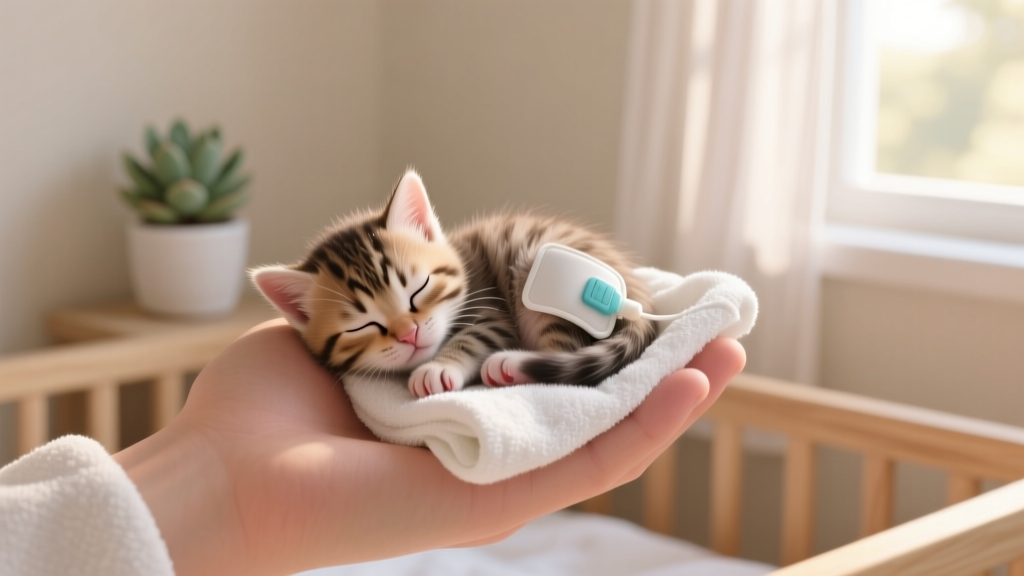
Contrary to instinct, your very first action must be warming—not feeding. Newborn kittens cannot regulate body temperature. A rectal temperature below 94°F (34.4°C) means they’re in critical hypothermic shock, and feeding milk will cause aspiration pneumonia or fatal gut stasis. Use this protocol:
- Assess gently: Feel the kitten’s paws, ears, and belly. If cool or cold, assume hypothermia.
- Warm gradually: Wrap a hot water bottle (wrapped in TWO dry towels) beside—not under—the kitten in a small box. Never use heating pads (burn risk) or direct heat lamps (dehydration). Ideal ambient temp: 85–90°F (29–32°C) for neonates (0–2 weeks), 80–85°F (27–29°C) for 2–4 week-olds.
- Monitor closely: Check rectal temp every 15 minutes with a digital thermometer (lubricated with water-based lube). Stop warming once temp reaches 95°F (35°C); continue until stable at ≥97°F (36.1°C).
Dr. Lin emphasizes: 'Warming too fast causes shock. Warming too slow delays feeding—and delays immune activation. Aim for 1°F per 10 minutes. If the kitten is lethargy-plus-shaking, rub warmed glucose gel (1/4 tsp) on gums—this provides instant energy to fuel thermoregulation.'
Step 2: Hydrate & Feed — The Right Formula, Timing, and Technique
Once warm and responsive (moving, rooting, mewing), hydration and nutrition begin—but only with kitten-specific formula. Cow’s milk, human baby formula, almond milk, or goat’s milk cause severe diarrhea, bloat, and death. Here’s what works:
- Formula choice: Use only powdered kitten milk replacer (KMR® or Just Born®), reconstituted with distilled or boiled-and-cooled water. Liquid formulas spoil faster and lack precise nutrient ratios.
- Feeding schedule: Neonates (0–1 week): every 2–3 hours, including overnight. 1–2 weeks: every 3–4 hours. 2–3 weeks: every 4–6 hours. 3–4 weeks: start weaning with gruel (formula + wet food paste).
- Technique matters: Hold kitten upright (never on back), tilt bottle slightly upward, let them suckle naturally. Watch for gulping or milk bubbling from nostrils—stop immediately. Burp after each feeding by holding upright and gently patting the back.
A 2023 study in the Journal of Feline Medicine and Surgery found that kittens fed with improper technique had 3.2× higher incidence of aspiration pneumonia. Always weigh kittens daily on a gram-scale: healthy gain is 7–10g/day. No gain—or weight loss—for 24 hours? That’s an ER-level red flag.
Step 3: Stimulate, Clean, and Monitor — The Invisible Lifesaving Routine
Kittens under 3 weeks old cannot urinate or defecate without stimulation—and failure to eliminate leads to toxic buildup, bladder rupture, or constipation-induced sepsis. This is non-negotiable, even if exhausting:
- Stimulation method: After every feeding, use a warm, damp cotton ball or soft tissue to gently stroke the genital and anal area in circular motions for 30–60 seconds—mimicking mother’s licking. Continue until urine and/or stool appears.
- Output tracking: Note color, consistency, and frequency. Urine should be pale yellow and clear; stool transitions from meconium (black, tarry) to mustard-yellow seedy paste by Day 3–4. Green, frothy, or bloody stool = vet visit today.
- Hygiene protocol: Wash hands before/after handling. Disinfect feeding supplies with boiling water (not bleach—residue harms kittens). Change bedding daily; use soft, non-looped fleece (no towels—threads snag claws).
Case in point: A Portland foster volunteer rescued three 5-day-old kittens from a rain-soaked garage. She stimulated correctly but missed one kitten’s constipation for 36 hours. By Day 2, that kitten developed abdominal distension and refused to feed—requiring emergency enema and IV fluids. 'I thought “they’re pooping fine” meant all were fine,' she shared. 'But each kitten is individual—even siblings differ in elimination timing.'
Step 4: Vet Assessment & Disease Prevention — What to Ask, What to Watch For
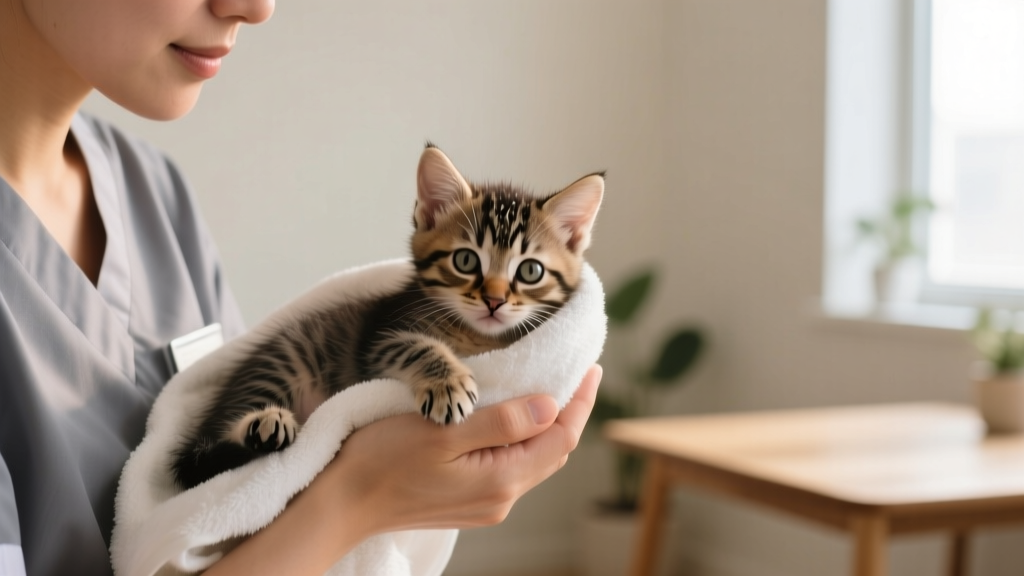
Every abandoned kitten needs a vet visit within 24–48 hours—even if seemingly perfect. Orphaned kittens have zero maternal antibodies and high risk for feline panleukopenia (distemper), upper respiratory infections (URI), coccidia, and fleas (which transmit anemia-causing tapeworms). Here’s your vet prep checklist:
- Bring notes: Birth estimate (based on eyes open, teeth, weight), feeding logs, stool/urine observations, temperature history.
- Request: Fecal float (for parasites), URI PCR panel, physical exam including eye/nose discharge, gum color, and lymph node check.
- Avoid: Dewormers or antibiotics without diagnosis—many over-the-counter products are toxic to neonates.
According to the ASPCA’s 2024 Feline Neonatal Care Guidelines, 78% of shelter-intake kittens test positive for at least one parasite—and 41% show early URI signs masked by mild lethargy. Early detection = outpatient treatment. Delayed care = hospitalization or euthanasia.
| Age Range | Critical Actions | Red Flags Requiring Immediate Vet Visit | Survival Benchmark (Source: Winn Feline Foundation, 2023) |
|---|---|---|---|
| 0–7 days | Warmth stabilization; glucose gel if lethargy; colostrum substitute (if available); strict 2–3 hr feeding; stimulation after every feed | No suckling reflex; no urine/stool in 24 hrs; blue/pale gums; gasping or limpness | 72% survival with full protocol adherence |
| 1–2 weeks | Continue feeding/stimulating; introduce scale weighing; begin gentle handling for socialization; monitor eye opening (starts ~7–10 days) | Eyes remain closed past Day 14; pus-like eye/nose discharge; persistent crying or silence; refusal to eat for >2 feeds | 89% survival with timely vet assessment |
| 2–3 weeks | Introduce low-sided litter box with shredded paper; begin short play sessions; start introducing gruel (formula + wet food); check for ear mites | Diarrhea lasting >24 hrs; blood in stool; inability to stand or walk; seizures or tremors | 94% survival with parasite treatment & nutrition support |
| 3–4 weeks | Wean fully to wet food; vaccinate (FVRCP first dose at 4 wks if high-risk); spay/neuter consult; begin litter training & bite inhibition games | Sudden weight loss >10%; labored breathing; hiding + no interaction; fever >103.5°F | 97% survival with vaccination & environmental enrichment |
Frequently Asked Questions
Can I give an abandoned kitten cow’s milk or human baby formula?
No—absolutely not. Cow’s milk contains lactose and proteins kittens cannot digest, causing severe osmotic diarrhea, dehydration, and electrolyte collapse within hours. Human formula lacks taurine, arginine, and proper fat ratios essential for feline neurodevelopment and heart function. A 2022 Cornell Feline Health Center review documented 127 cases of neonatal kitten mortality directly linked to inappropriate milk substitutes. Stick to veterinarian-approved kitten milk replacer only.
How do I know if the kitten is too young to survive on its own?
Key age indicators: Eyes closed = under 10–14 days. Umbilical cord stump still attached = under 3–5 days. No teeth visible = under 2 weeks. Inability to stand or walk steadily = under 3 weeks. If the kitten feels cold, isn’t rooting, or can’t hold its head up, it’s almost certainly under 2 weeks—and requires round-the-clock care. When in doubt, assume younger and act urgently.
What if I can’t afford a vet right now?
Contact local rescues, shelters, or TNR (Trap-Neuter-Return) groups—they often offer free or sliding-scale neonatal care. Organizations like Kitten Lady’s TinyKittens Society and Alley Cat Allies maintain regional foster networks with vet partnerships. Never delay warmth, hydration, or stimulation waiting for funds. But do prioritize vet assessment by Day 2: untreated parasites or URI can turn fatal within 48 hours.
Is it safe to handle newborn kittens? Won’t the mom reject them?
If the mother is truly absent (no sightings for 12+ hours in daylight, no nesting behavior, no vocalizations nearby), human handling is vital—and won’t cause abandonment. Feral moms may relocate kittens, but if she hasn’t returned after a full day, she likely isn’t coming back. Gentle, consistent handling builds trust and reduces stress-related cortisol spikes. Wash hands between kittens to prevent cross-contamination.
When should I start weaning and litter training?
Begin offering shallow gruel (formula mixed with high-quality wet kitten food) at 3 weeks. Introduce a low-sided litter box with unscented, non-clumping paper pellets at 3.5 weeks—most kittens show interest by sniffing and pawing. Full weaning typically completes by 6–7 weeks. Avoid clay or clumping litter until 12+ weeks: ingestion risks intestinal blockage.
Common Myths Debunked
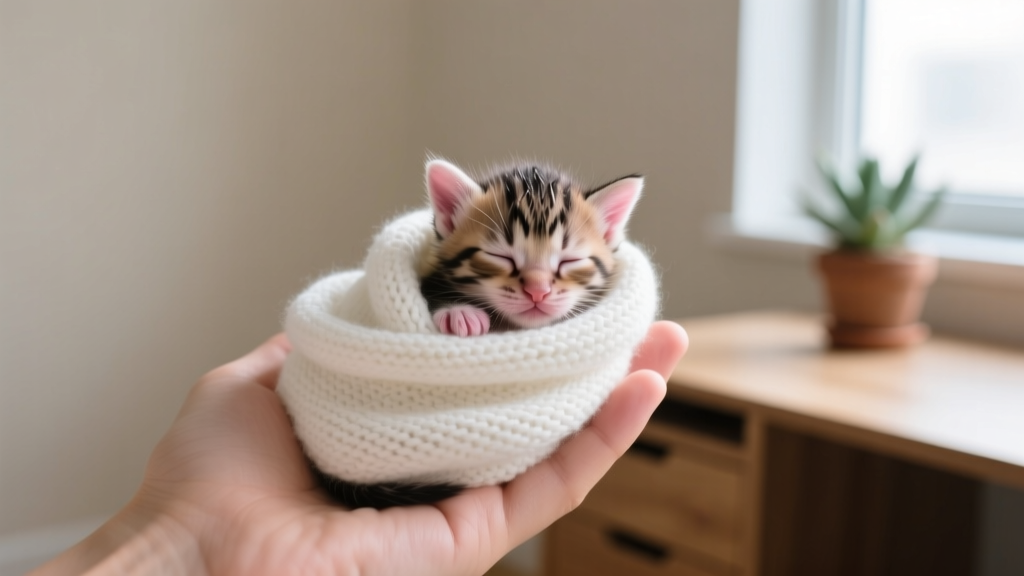
Myth #1: “Just wrap them in a sweater and they’ll be fine.”
False. Sweaters trap moisture, restrict movement, and don’t provide consistent radiant heat. Hypothermic kittens need conductive warmth (warm surface contact) and ambient air temperature control—not insulation alone.
Myth #2: “If they’re eating, they’re okay.”
Partially true—but dangerous oversimplification. Kittens can consume formula while silently developing sepsis, parasitic load, or congenital defects. Appetite doesn’t equal health. Daily weight tracking, stool/urine monitoring, and vet evaluation are irreplaceable.
Related Topics (Internal Link Suggestions)
- Kitten Feeding Schedule by Age — suggested anchor text: "kitten feeding schedule by age"
- Signs of Dehydration in Kittens — suggested anchor text: "signs of dehydration in kittens"
- How to Socialize an Orphaned Kitten — suggested anchor text: "how to socialize an orphaned kitten"
- Best Kitten Milk Replacer Brands Reviewed — suggested anchor text: "best kitten milk replacer brands"
- When to Take a Kitten to the Vet — suggested anchor text: "when to take a kitten to the vet"
Your Next Step Starts in the Next 10 Minutes
You now hold life-saving knowledge—not just theory, but field-tested, vet-validated steps that shift survival odds dramatically. Don’t wait for ‘perfect conditions.’ Grab a clean towel, warm water, a gram scale (or kitchen scale), and kitten formula—then begin warming. Print this guide or save it offline. And if you’re fostering, consider reaching out to a local rescue today: many provide free starter kits, 24/7 hotline support, and vet co-op discounts. Because every kitten deserves more than hope—they deserve precision care. Start now. Breathe. Act.