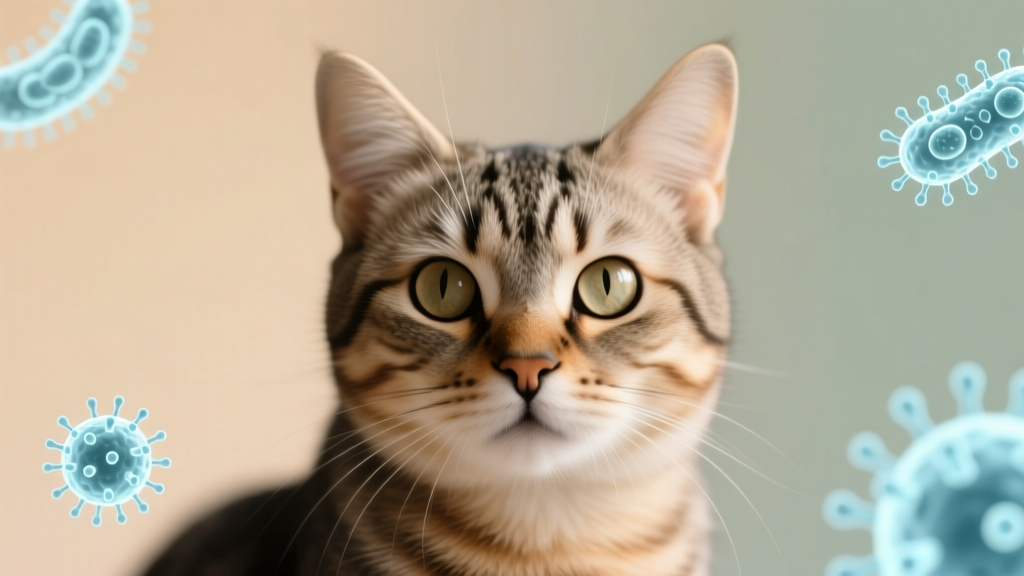
Feline Bordetella: Kennel Cough Equivalent in Cats
1. Why This Topic Matters to Cat Owners
If you’ve ever heard of “kennel cough” in dogs, you may be surprised to learn that cats can get a similar type of contagious respiratory infection, too. One of the bacteria involved is Bordetella bronchiseptica. While many cats recover well with appropriate care, bordetella can spread quickly in multi-cat environments and may become serious in kittens, seniors, or cats with other health issues.
Understanding how feline bordetella spreads, what symptoms look like, and when to call your veterinarian helps you protect not only your own cat, but also other cats your pet may come into contact with (boarding facilities, shelters, foster homes, and multi-cat households).
2. Overview: What Is Feline Bordetella?
Feline bordetella refers to respiratory disease caused by the bacterium Bordetella bronchiseptica. This organism can infect the upper airways (nose, throat) and sometimes the lower airways (trachea and lungs), leading to inflammation and coughing. It’s often discussed as a “kennel cough equivalent” because:
- It is contagious between animals (especially in close quarters).
- It can cause coughing and other respiratory signs.
- It can be part of a broader “respiratory disease complex,” meaning other viruses or bacteria may be involved at the same time.
In cats, bordetella is less common than viral upper respiratory infections (like feline herpesvirus or calicivirus), but it can still be a meaningful cause of illness—particularly in high-density cat settings.
Can cats catch bordetella from dogs? Potentially, yes. Bordetella bronchiseptica can infect multiple species. Cross-species spread is not the most common scenario, but it is possible—especially with close contact in shared spaces.
3. Symptoms and Warning Signs to Watch For
Bordetella signs can range from mild “cold-like” symptoms to more significant respiratory distress. Some cats show subtle symptoms at first.
Common signs
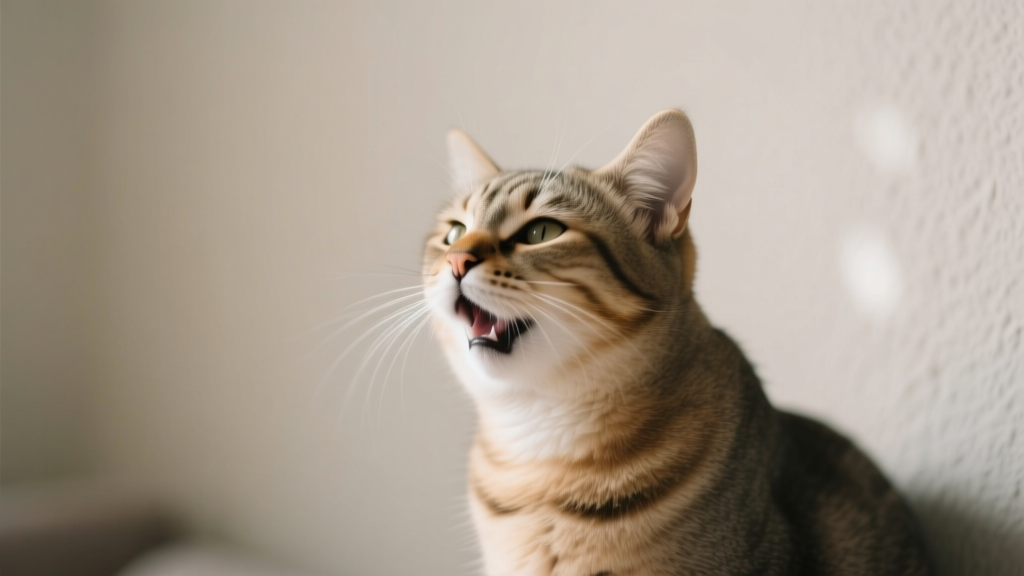
- Coughing (may sound dry, hacking, or honking; some cats cough in bursts)
- Sneezing
- Nasal discharge (clear to cloudy)
- Eye discharge and watery eyes
- Congestion or noisy breathing
- Fever
- Lethargy (sleeping more, less interest in play)
- Reduced appetite (often due to reduced sense of smell)
Signs that may indicate lower airway/lung involvement
- Fast breathing or increased effort to breathe
- Wheezing or crackly breathing sounds
- Open-mouth breathing (always concerning in cats)
- Blue or pale gums (poor oxygenation)
Practical at-home checks you can do today
- Count resting breaths: When your cat is asleep or calm, count breaths for 15 seconds and multiply by 4. Many healthy cats are roughly 16–30 breaths per minute at rest. Consistently higher rates, or visible effort, warrant a veterinary call.
- Monitor appetite and hydration: Note how much your cat eats, drinks, and urinates daily when they’re not feeling well.
- Record symptoms: A short video of coughing or breathing effort can be very helpful for your veterinarian.
4. Causes and Risk Factors
Bordetella spreads mainly through respiratory droplets (sneezing/coughing), close contact, and contaminated surfaces (bowls, bedding, carriers). The bacteria can take advantage of stress and crowded conditions.
Risk factors that make infection more likely
- Group housing: shelters, rescues, catteries, boarding facilities
- Recent adoption or rehoming (stress and exposure)
- Kittens, especially under 6 months (immature immune systems)
- Unvaccinated cats or unknown vaccine history
- Underlying illness: asthma, heart disease, chronic bronchitis, kidney disease
- Concurrent infections: viral URIs can damage airway defenses, making bacterial infection easier
How long after exposure do signs appear?
The incubation period can vary, but many cats show signs within a few days of exposure. Because cats may be exposed to multiple respiratory pathogens at once, timelines can be hard to pin down without testing.
5. Diagnosis: What to Expect at the Vet
If your cat has coughing or upper respiratory signs, your veterinarian will focus on two main goals: (1) assess breathing stability, and (2) identify the most likely cause(s) so treatment is targeted.
Common parts of a bordetella workup
- History questions: recent boarding, shelter exposure, new pets, coughing vs. gagging, appetite changes
- Physical exam: temperature, lung/chest auscultation, hydration status, eye/nose assessment
- Oxygen check: gum color, sometimes pulse oximetry
- Chest X-rays (recommended if coughing is significant, breathing is fast, or pneumonia is a concern)
- Upper airway swab for PCR respiratory panels (can detect bordetella and common viruses)
- Bacterial culture in select cases, especially if pneumonia is suspected or the cat is not improving
Because feline respiratory illness is often multifactorial, your vet may diagnose based on clinical signs and risk factors, then recommend testing if symptoms are moderate/severe, persistent, or spreading through the household.
6. Treatment Options (Medical, Supportive, and Home Care)
Treatment depends on how sick your cat is, whether the infection seems limited to the upper airways, and whether pneumonia is suspected. Always follow your veterinarian’s guidance—respiratory infections can worsen quickly in some cats.
Medical treatment
- Antibiotics: Bordetella is a bacterium, so antibiotics are often used when it’s suspected or confirmed. Your veterinarian will choose an antibiotic based on your cat’s health, severity, and local resistance patterns. Do not use leftover antibiotics or medications prescribed for another pet.
- Supportive medications: In some cases, your vet may prescribe medications to reduce fever, improve comfort, or address nausea if appetite is poor.
- Fluids: Dehydrated cats may need subcutaneous or IV fluids.
- Hospital care: Cats with breathing difficulty or pneumonia may need oxygen therapy, nebulization, injectable medications, and close monitoring.
Is surgery ever needed?
Surgery is not a treatment for bordetella. The focus is medical management and supportive care. If imaging finds an unrelated issue (for example, a foreign body or mass), your veterinarian will discuss next steps.
Home care (what you can do safely)
- Create a “recovery room”: quiet, warm, low-stress area with food, water, and litter nearby.
- Boost hydration: offer water in multiple locations; ask your vet if adding wet food or broth is appropriate.
- Encourage eating:
- Warm wet food slightly to enhance smell.
- Offer strong-smelling options (with your vet’s approval), like a prescription recovery diet.
- Gentle steam therapy: Sitting with your cat in a steamy bathroom for 10–15 minutes can help loosen congestion for some cats. Keep it calm and supervised; do not force it if stressful.
- Keep the nose and eyes clean: use a soft, damp cloth to wipe discharge as needed.
- Strict medication plan: give antibiotics exactly as prescribed and finish the full course unless your vet instructs otherwise.
Important safety reminders
- Do not give human cold medications to cats. Many are toxic or dangerous.
- Avoid essential oils, diffusers, and strong fragrances. Irritants can worsen respiratory signs in cats.
- Coughing can look like gagging. If you’re unsure whether your cat is coughing, vomiting, or trying to pass a hairball, record a video and call your veterinarian.
7. Prevention Strategies and Early Detection Tips
Prevention is especially important if your cat visits boarding facilities, grooming salons, shelters, or lives with multiple cats.
Practical prevention steps
- Quarantine new cats: Ideally separate new arrivals for 10–14 days, monitor for sneezing/coughing, and schedule a vet check.
- Reduce stress: stress can lower immunity. Provide hiding spaces, predictable routines, and slow introductions between cats.
- Improve ventilation and hygiene:
- Wash bowls and bedding regularly.
- Disinfect hard surfaces (use pet-safe disinfectants; follow label contact times).
- Wash hands between handling cats if one is ill.
- Limit exposure during outbreaks: if a shelter or boarding facility reports respiratory illness, postpone non-essential visits when possible.
Vaccination
Ask your veterinarian whether a bordetella vaccine is appropriate for your cat. It is not considered a core vaccine for every cat, but it may be recommended for higher-risk cats (for example, those entering shelters/boarding situations or living in large multi-cat households). Your vet can help weigh the benefits based on your cat’s lifestyle and local disease risk.
Early detection tip
If one cat in the home develops respiratory signs, assume the illness may be contagious and take action early:
- Separate the sick cat if possible
- Use separate bowls/litter boxes
- Schedule a veterinary visit sooner rather than later, especially for kittens
8. Prognosis and Quality of Life Considerations
For many otherwise healthy adult cats, the prognosis with timely veterinary care is good. Mild cases may improve within days after starting appropriate treatment, though full recovery can take longer depending on coinfections and the cat’s baseline health.
Cats at higher risk for complications
- Kittens and unvaccinated young cats
- Senior cats
- Cats with asthma or chronic airway disease
- Cats with weakened immune systems
Quality of life often hinges on keeping your cat eating, hydrated, and breathing comfortably. If appetite is poor for more than a day (especially in kittens) or breathing seems labored, your veterinarian should reassess promptly.
9. When to Seek Emergency Veterinary Care
Respiratory disease can become urgent quickly in cats. Seek emergency care right away if you notice any of the following:
- Open-mouth breathing or panting
- Struggling to breathe (heaving sides, extended neck, elbows held away from the body)
- Blue, gray, or very pale gums/tongue
- Collapse or extreme weakness
- Rapid breathing at rest that is persistently high or worsening
- Suspected pneumonia: lethargy plus fever, heavy breathing, and loss of appetite
- Kittens with any moderate breathing signs or not eating
If you’re unsure, it’s always appropriate to call your veterinarian or an emergency clinic for guidance. Cats are very good at hiding illness, and earlier care is usually easier and more effective.
10. FAQ: Common Questions About Feline Bordetella
Can feline bordetella spread to humans?
Bordetella bronchiseptica is primarily an animal pathogen. Human infection is uncommon but may be possible, especially in people with weakened immune systems. If someone in the home is immunocompromised, talk with your veterinarian and the person’s physician about extra hygiene steps and risk reduction.
Is bordetella the same as feline herpesvirus or calicivirus?
No. Herpesvirus and calicivirus are viruses and are very common causes of feline upper respiratory infections. Bordetella is a bacterium. Cats can have more than one infection at once, which is one reason testing may be recommended.
Will my cat always have a chronic cough after bordetella?
Most cats do not develop a chronic cough from a straightforward infection. Persistent coughing can happen if there’s underlying asthma/chronic bronchitis, if pneumonia occurred, or if another condition is present. If coughing lasts more than a couple of weeks or keeps returning, a recheck and possibly chest X-rays are a good idea.
How contagious is bordetella between cats?
It can be quite contagious in close-contact settings. Cats in shelters or crowded homes are at higher risk of spread. Isolation of sick cats, good cleaning practices, and early veterinary evaluation help reduce transmission.
Should I separate my cats if one is coughing?
Yes, when feasible. Separating reduces exposure and helps you monitor the sick cat’s appetite, litter box use, and breathing more accurately. Use separate bowls and litter boxes, and wash hands between handling cats.
Can my cat go to boarding or daycare if they recently recovered?
Ask your veterinarian for individualized guidance. Many facilities also have their own health requirements. Even after symptoms improve, some cats may still be recovering and could be more vulnerable to relapse or other infections if stressed too soon.
If your cat is coughing, sneezing, or seems “off,” scheduling a veterinary visit is the safest next step. With prompt care and thoughtful home support, many cats recover comfortably and return to normal routines.
For more practical, vet-tech-informed cat health guides, visit catloversbase.com and explore our growing library of feline wellness resources.