How to Take Care of a Kitten 101: The 7 Non-Negotiable Health & Safety Steps Every First-Time Owner Misses (and Why Skipping Just One Can Cost $300+ in Emergency Vet Bills)
Your Kitten’s First 30 Days Are the Most Critical—And Most Mismanaged
If you’re searching for how to take care of a kitten 101, you’re likely holding a tiny, wide-eyed bundle of fluff—and feeling equal parts euphoria and quiet panic. That’s completely normal. But here’s what most new owners don’t realize: kittens under 12 weeks old have an immune system only 30–40% as developed as adult cats, making them uniquely vulnerable to dehydration, hypothermia, intestinal parasites, and upper respiratory infections (URIs). According to the American Veterinary Medical Association (AVMA), nearly 68% of kitten ER visits in the first month stem from preventable issues—like improper feeding technique or delayed deworming—not accidents or genetics. This isn’t about perfection—it’s about knowing which 7 actions truly move the needle on survival, thriving, and lifelong trust.
1. Warmth, Hydration & Feeding: The Life-Sustaining Triad
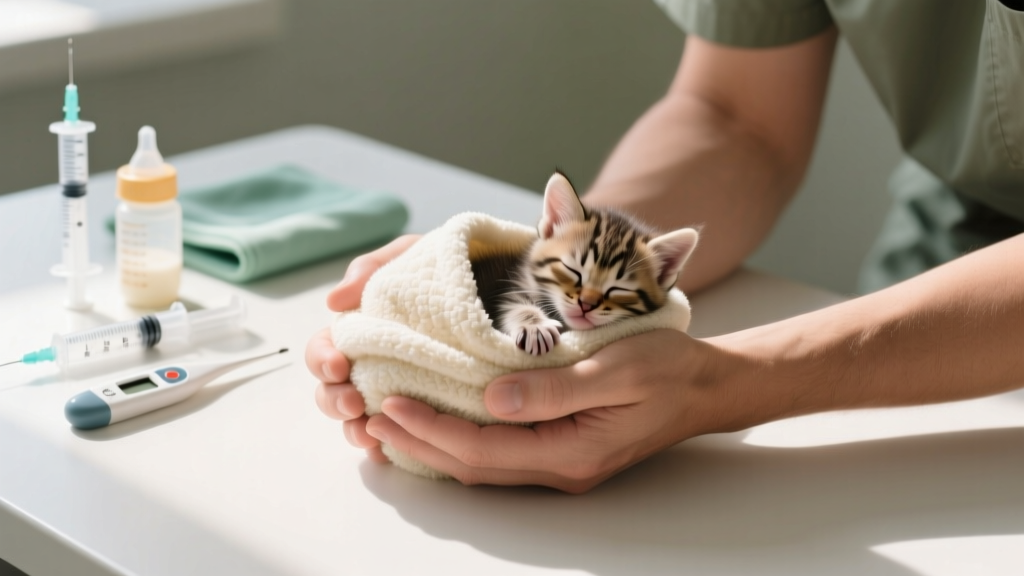
Kittens can’t regulate their body temperature until week 4—and even then, they’re still inefficient. A rectal temperature below 99°F (37.2°C) means immediate risk of hypothermic shock; above 103°F (39.4°C) suggests infection. Never assume ‘they’ll warm up on their own.’ Use a digital thermometer (not glass!) and check temp twice daily for the first 10 days if orphaned or under 3 weeks old.
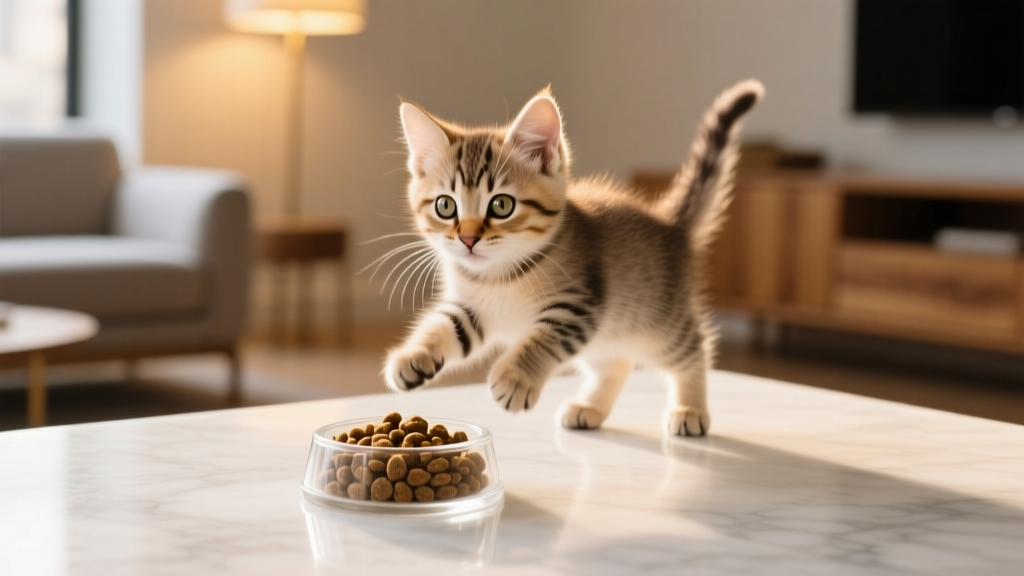
Feeding is equally precise. Cow’s milk causes severe diarrhea and malnutrition—kittens lack lactase after weaning begins at ~3 weeks. Instead, use a vet-approved kitten milk replacer (KMR) warmed to 98–100°F (36.7–37.8°C)—never microwaved (hot spots scald mouths). For kittens under 2 weeks: feed every 2–3 hours, including overnight. A 4-ounce kitten needs ~12–15 mL per feeding; use a 1-mL syringe (not bottle) for better control and reduced aspiration risk. Dr. Lena Torres, DVM and feline specialist at UC Davis School of Veterinary Medicine, emphasizes: ‘Overfeeding is more dangerous than underfeeding in neonates—bloat and aspiration pneumonia are leading causes of death in hand-reared litters.’
Hydration status is assessed via skin tenting (gently pinch scruff—should snap back instantly) and gum moisture (slight tackiness is okay; dry or sticky = concern). If gums are pale or capillary refill time exceeds 2 seconds, seek emergency care immediately.
2. Parasite Prevention & Vaccine Timing: What’s Urgent vs. Optional
Here’s a hard truth: 90% of kittens under 8 weeks harbor roundworms—even if fecal tests come back negative. Why? Larval stages evade detection. The Companion Animal Parasite Council (CAPC) recommends deworming with pyrantel pamoate starting at 2 weeks, then repeating every 2 weeks until 12 weeks old. Skip this, and worms compete for nutrients, stunt growth, and cause pot-bellied appearance, vomiting, or bloody stool.
Vaccines follow a strict window: FVRCP (feline viral rhinotracheitis, calicivirus, panleukopenia) starts at 6–8 weeks, repeated every 3–4 weeks until 16 weeks. Why so late? Maternal antibodies interfere before then—but wane unpredictably. A single missed dose leaves gaps where panleukopenia (a 90% fatal parvovirus-like illness) can strike. Rabies is given at 12–16 weeks depending on local law—and must be administered by a licensed veterinarian (no home kits). Avoid ‘all-in-one’ combo vaccines for kittens under 12 weeks; stick to core FVRCP + rabies only.
Flea control requires special caution: never use dog flea products (especially those containing permethrin—they’re neurotoxic and often fatal to kittens). Capstar (nitenpyram) is safe for kittens 4+ weeks and 2+ lbs, but it’s short-acting (24 hrs); combine with thorough environmental cleaning (vacuum daily, wash bedding at >140°F).
3. Litter Training, Socialization & Environmental Enrichment
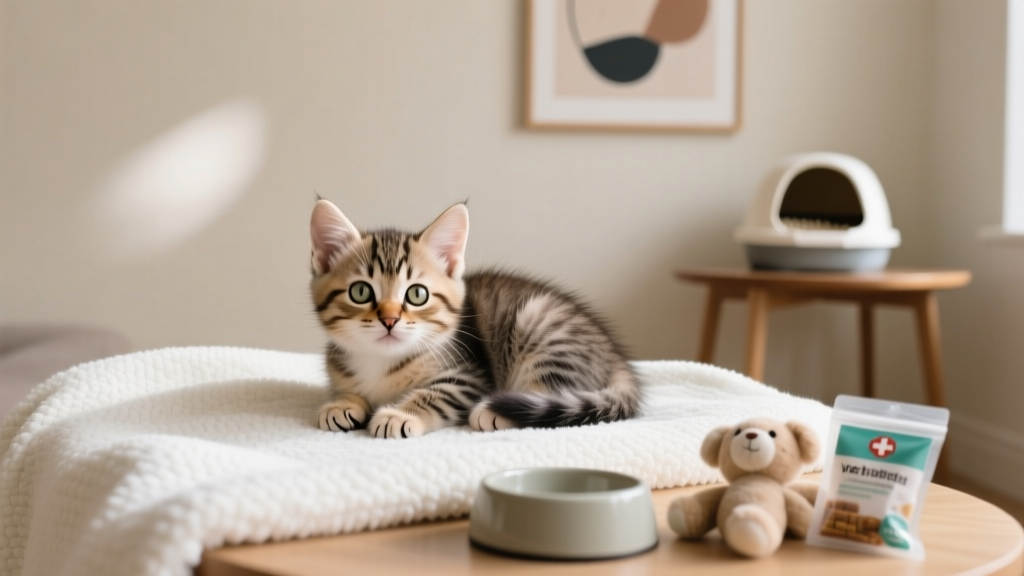
Litter training begins naturally at ~3 weeks when kittens start walking steadily. Use unscented, non-clumping clay or paper-based litter—clay clumpers expand in stomachs if ingested and cause fatal blockages. Place the box in a quiet, low-traffic corner with easy access (no high sides). Gently place your kitten in it after meals and naps—most will instinctively dig. If accidents happen, clean with enzymatic cleaner (e.g., Nature’s Miracle), not vinegar or bleach—residual scent attracts repeat visits.
Socialization is time-sensitive: the prime window is 2–7 weeks. Kittens exposed to varied people (men, children, seniors), sounds (vacuum, doorbell), surfaces (carpet, tile, grass), and handling (paws, ears, mouth) during this period develop 3x lower fear-aggression scores as adults (per 2022 Cornell Feline Health Center longitudinal study). Spend 15–20 minutes, 3x/day doing gentle ‘handling drills’: touch paws while offering treats, open mouth gently to inspect teeth, lift tail to check anus for cleanliness. Pair each action with soft praise and high-value salmon paste.
Enrichment isn’t optional—it’s neurological scaffolding. Provide vertical space (even a cardboard box on a stool), crinkle balls filled with catnip (safe after 8 weeks), and 2–3 minute ‘hunting’ sessions daily using wand toys. Kittens who lack play enrichment show increased stereotypic behaviors (excessive licking, pacing) by 6 months.
4. Recognizing Red Flags: When ‘Just Tired’ Is Actually Critical
‘She’s just sleeping a lot’ is the #1 phrase heard before ER admission. Kittens sleep 18–20 hours/day—but should rouse readily for feeding and interact alertly for 5–10 minutes after. Persistent lethargy, refusal to nurse for >2 feedings, or weak/absent suck reflex demand immediate vet contact.
Other urgent signs:
- Respiratory distress: Open-mouth breathing, nasal discharge (especially yellow/green), sneezing fits lasting >30 seconds
- Gastrointestinal crisis: Diarrhea >3 episodes in 12 hours, blood in stool, vomiting >2x in 24 hrs
- Neurological changes: Head tilt, circling, tremors, inability to stand or walk straight
- Urine output changes: No urine in 12 hours (check litter box for dampness), straining with vocalization
A 2023 study in the Journal of Feline Medicine and Surgery found that kittens presenting with URI + lethargy had a 4.7x higher mortality rate if treatment began >24 hours post-onset. Early intervention saves lives—and money: average URI treatment costs $220–$480; advanced pneumonia requiring oxygen therapy averages $1,850.
| Age Range | Critical Actions | Tools/Products Needed | Why It Matters |
|---|---|---|---|
| 0–2 weeks | Warmth monitoring (98–100°F), feeding every 2–3 hrs, stimulation for urination/defecation (gentle cotton ball rub) | Digital thermometer, KMR, 1-mL syringe, heating pad (low setting + towel barrier) | Prevents hypothermia-induced organ failure; ensures elimination (kittens can’t void without stimulation)|
| 3–4 weeks | Introduce shallow litter box, begin weaning to gruel (KMR + wet food), first deworming | Non-clumping litter, ceramic dish, pyrantel pamoate suspension | Weaning reduces aspiration risk; deworming clears hidden parasite burden before immune system is overwhelmed|
| 5–8 weeks | FVRCP vaccine #1, socialization blitz, introduce scratching post, switch to kitten food | Vaccine record, variety of toys, sisal post, AAFCO-certified kitten food | Vaccines build immunity during maternal antibody decline; socialization prevents adult anxiety disorders|
| 9–12 weeks | FVRCP #2, rabies vaccine, spay/neuter consult, microchip implant | Veterinary records, microchip scanner, pre-surgery bloodwork (optional but recommended) | Completes core immunity; microchipping before adoption prevents permanent loss (85% of lost indoor cats are reunited if chipped)|
| 13–16 weeks | FVRCP #3, final deworming, behavioral assessment, transition to adult routine | Clicker, treat pouch, schedule chart | Ensures full protection against panleukopenia; establishes lifelong routines reducing stress-related UTIs
Frequently Asked Questions
Can I bathe my kitten?
No—kittens under 12 weeks should never be bathed. Their thermoregulation is too fragile, and bathing strips protective skin oils, increasing infection risk. Spot-clean with a warm, damp cloth only if soiled. Full baths are rarely needed for indoor kittens and should wait until after 6 months and full vaccination series.
When should I take my kitten to the vet for the first time?
Within 48 hours of bringing them home—even if adopted from a shelter with paperwork. A baseline exam catches congenital issues (e.g., heart murmurs, cleft palate), verifies deworming/vaccination status, and establishes your vet relationship. Delaying past day 5 increases risk of undetected URI progression.
Is it safe to let my kitten sleep in my bed?
Not until they’re fully vaccinated (16 weeks) and parasite-free. Human bedding harbors dust mites, allergens, and potential pathogens. More critically, accidental smothering is a leading cause of kitten death in the first month. Use a cozy, enclosed carrier or kitten-safe crate beside your bed instead.
What’s the best food for kittens?
Look for AAFCO statement: ‘Formulated for growth’ or ‘All life stages.’ Avoid grain-free diets unless prescribed—2021 FDA investigation linked them to DCM (dilated cardiomyopathy) in young cats. Top-rated options include Royal Canin Kitten, Hill’s Science Diet Kitten, and Blue Buffalo Wilderness Kitten. Always transition foods over 7 days to avoid GI upset.
How do I stop my kitten from biting during play?
Biting is normal exploration—but must be redirected *before* teeth touch skin. Keep a toy within arm’s reach; when biting starts, freeze, say ‘ouch!’ firmly, and immediately offer the toy. Reward gentle mouthing with treats. Never use hands as toys—this teaches bite inhibition fails. Consistency for 10–14 days reshapes behavior.
Common Myths
Myth #1: “Kittens don’t need vaccines if they stay indoors.”
False. Panleukopenia virus survives in environment for over a year and can be tracked in on shoes or clothing. Indoor-only kittens have 92% lower exposure risk—but not zero. Vaccination is non-negotiable for survival.
Myth #2: “I should wait until my kitten is 6 months old to spay/neuter.”
Outdated. ASPCA and AVMA now endorse pediatric spay/neuter at 4–5 months. Early sterilization reduces mammary cancer risk by 91% and eliminates uterine infections (pyometra), which carry 25% mortality even with surgery.
Related Topics
- Kitten Vaccination Schedule — suggested anchor text: "kitten vaccination timeline"
- Best Kitten Food Brands Vet-Approved — suggested anchor text: "top vet-recommended kitten food"
- How to Litter Train a Kitten Fast — suggested anchor text: "litter training a kitten in 3 days"
- Signs of Sick Kitten: Early Warning Indicators — suggested anchor text: "kitten health warning signs"
- Kitten Socialization Checklist Printable — suggested anchor text: "free kitten socialization checklist"
Next Steps: Your 24-Hour Action Plan
You now know the 7 non-negotiables: temperature checks, correct feeding, timely deworming, FVRCP timing, litter setup, socialization windows, and red-flag recognition. Don’t try to implement all at once—start tonight. Within the next 24 hours: 1) Download our free Kitten Care Timeline Tracker (includes vaccine/deworming alerts), 2) Call your vet to book the first exam and confirm their KMR and pyrantel brand preferences, and 3) Set a phone reminder for ‘Day 14 Deworming’ right now. Your kitten’s resilience isn’t luck—it’s built, one evidence-backed decision at a time.