Feline Cauda Equina Syndrome: Tail and Hind Weakness
1. Why this topic matters to cat owners
When a cat’s tail suddenly looks limp, their back legs seem wobbly, or they start having trouble using the litter box, it can be frightening. These signs can be linked to a problem in the lower spine where important nerves control the tail, hind legs, bladder, and bowels. One condition that affects this area is called cauda equina syndrome. While it’s not as commonly discussed as kidney disease or diabetes, it’s a serious issue that can impact comfort, mobility, and daily life.
The good news is that many cats do better when they’re evaluated early. Knowing what to watch for—and when to seek urgent veterinary care—can make a real difference.
2. Overview: what cauda equina syndrome means (plain-language explanation)
The cauda equina (Latin for “horse’s tail”) is a bundle of nerves at the end of the spinal cord. In cats, the spinal cord ends before the very last vertebrae, and the remaining nerves travel through the spinal canal to exit lower down. These nerves supply sensation and movement to:
- The tail
- The hind limbs (especially certain muscles and reflexes)
- The anus and rectum
- The bladder and urethra
Cauda equina syndrome happens when these nerves are compressed, stretched, inflamed, or injured. Think of it like a cable bundle getting pinched—signals don’t travel normally. Depending on which nerves are affected and how severely, a cat may show mild tail weakness or more significant problems such as hind-end pain, trouble walking, or loss of bladder control.
This syndrome is sometimes discussed alongside lumbosacral disease (issues at the junction of the last lumbar vertebra and the sacrum). In cats, cauda equina problems are often related to trauma (like a tail-pull injury), disc disease, inflammation, masses, or other spinal conditions.
3. Symptoms and warning signs to watch for
Signs can appear suddenly (after injury) or gradually (with degenerative or progressive causes). Contact your veterinarian if you notice any of the following.
Tail and hind-end changes
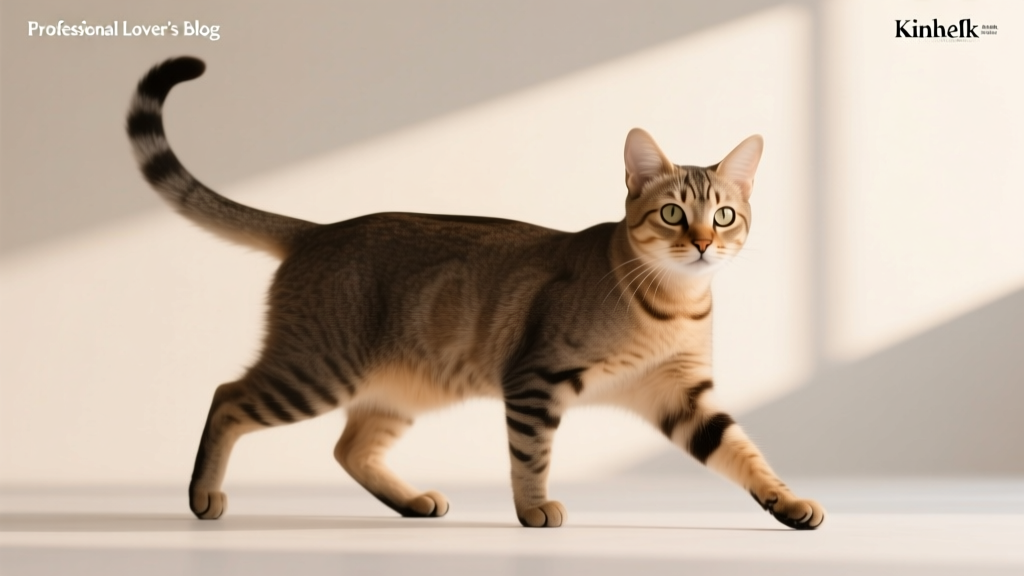
- Limp tail or reduced tail movement (“tail paralysis”)
- Tail held low and not responding normally to touch or excitement
- Pain at the base of the tail or lower back (may cry out, flinch, or avoid being picked up)
- Chewing/overgrooming the tail or hindquarters due to nerve sensations
Hind limb and walking changes
- Weakness in the back legs, wobbliness, or stumbling
- Difficulty jumping or reluctance to climb stairs
- Changes in gait (short steps, dragging toes, scuffing nails)
- Reduced reflexes in the hind legs (your vet will test this)
Bathroom and grooming red flags
- Litter box accidents, leaking urine, or dribbling
- Straining to urinate or not producing urine normally
- Constipation or reduced ability to pass stool
- Stool stuck to fur or decreased ability to posture/squat
Behavior changes that can signal discomfort
- Hiding more than usual
- Irritability when touched near the hips, tail base, or lower back
- Decreased appetite (sometimes pain-related)
Practical tip: If your cat allows it, take a short video of their walking and tail movement and bring it to the appointment. Subtle gait changes can be easier for your vet to assess with a video.
4. Causes and risk factors
Cauda equina syndrome is a description of nerve dysfunction—there are several possible underlying causes. Your veterinarian’s job is to identify what’s affecting the nerves and how urgently it needs treatment.
Common causes
- Trauma
- Tail-pull injury (tail caught in a door, grabbed forcefully, or accident)
- Falls, vehicular trauma, animal attacks
- Pelvic fractures or sacral injuries
- Intervertebral disc disease (IVDD)
- Disc material can bulge or herniate and compress nerves
- Degenerative changes
- Arthritis or bony changes around the lumbosacral area may narrow spaces where nerves travel
- Inflammation or infection
- Inflammatory spinal conditions (less common, but possible)
- Infections affecting vertebrae or surrounding tissues
- Masses/tumors
- Growths in or near the spinal canal can compress nerve roots
Risk factors
- Outdoor access (higher risk of trauma)
- High-rise windows/balconies without protection (fall risk)
- Multi-pet households where scuffles may occur
- Senior cats (higher chance of arthritis/degenerative spinal changes)
- Previous spinal or pelvic injury
Action you can take today: If your cat has outdoor access, consider transitioning to supervised outdoor time (catio, harness walks) and ensure windows/balconies are secured with sturdy screens designed for pets.
5. Diagnosis: what to expect at the vet
If cauda equina syndrome is suspected, your veterinarian will focus on identifying both nerve function and the cause of compression or injury.
History and physical exam
Your vet may ask:
- When did the signs start—suddenly or gradually?
- Any known falls, tail injuries, or recent accidents?
- Any litter box changes, constipation, or urinary issues?
- Changes in appetite, grooming, or behavior?
Neurologic exam
This may include checking:
- Tail tone and response to touch
- Pain response near the tail base and lower back
- Hind limb strength, coordination, and reflexes
- Anal tone and perineal reflex (important for nerve function)
Imaging and tests
- X-rays (radiographs) to look for fractures, dislocations, arthritis, or obvious spinal changes
- Advanced imaging (CT or MRI) may be recommended for the clearest look at discs, nerves, and soft tissues; MRI is often best for nerve/disc detail
- Bloodwork/urinalysis to assess overall health and screen for infection or other concurrent issues
- Bladder assessment (palpation, ultrasound, residual urine checks) if urinary control seems affected
What owners often find helpful: Bring notes about bowel movements and urination frequency/volume. If your cat has accidents, a photo of the urine clump size (or a description) can help your vet gauge changes.
6. Treatment options: medical, surgical, and home care
Treatment depends on the cause, severity, and how much function is affected. Many cats require a combination of pain control, rest, and supportive care. Some need surgery or specialty referral.
Medical management
- Pain relief
- Your veterinarian may prescribe cat-safe pain medications and, when appropriate, medications for nerve pain.
- Never give human pain relievers (such as ibuprofen, naproxen, acetaminophen) unless specifically directed—many are toxic to cats.
- Anti-inflammatory therapy
- May be used depending on the suspected cause; your vet will choose what’s safest based on your cat’s health history.
- Activity restriction
- Crate rest or strict “no jumping” periods can be essential with disc or spinal injury.
- Bladder and bowel support
- If a cat cannot fully empty the bladder, your vet may teach you how to express the bladder or may place a temporary catheter in severe cases.
- Constipation may be managed with hydration support, stool softeners, diet changes, or medications as directed by your vet.
Surgical treatment
Surgery may be recommended when:
- There is significant nerve compression (disc herniation, unstable fracture, mass effect)
- Pain is severe or persistent despite medication
- Neurologic function is worsening
- Bladder/bowel control is compromised and imaging suggests a surgically correctable cause
Procedures vary widely—ranging from stabilizing fractures to decompressing nerves. Your veterinarian may refer you to a veterinary neurologist or surgeon for advanced imaging and specialized care.
Home care and supportive care
At home, comfort and safety are key. Helpful steps include:
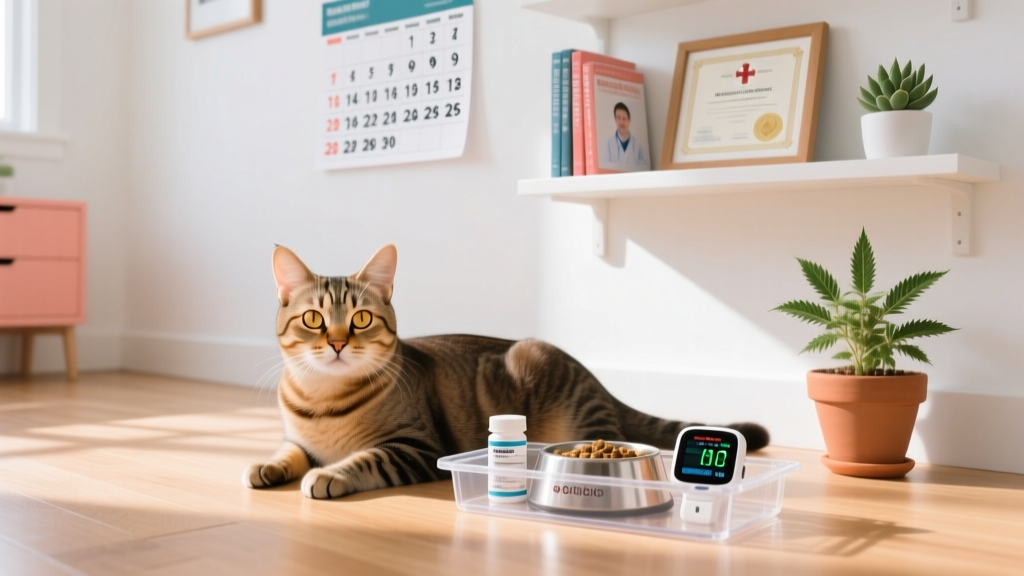
- Set up a recovery area with a low-entry litter box, food/water nearby, and soft bedding
- Prevent jumping by blocking access to high furniture and using pet steps only if your vet approves
- Use a low-dust, gentle litter to reduce irritation if mobility makes litter box use messy
- Assist grooming with gentle brushing and pet-safe wipes if your cat can’t reach their hind end comfortably
- Monitor bathroom habits twice daily (urine output, straining, constipation)
- Follow medication instructions exactly and call your vet if your cat becomes very sleepy, vomits, stops eating, or seems unusually distressed
Immediate practical setup: Swap one litter box to a shallow storage-bin lid or low-sided senior/kitten box. Many cats with hind weakness avoid tall-sided boxes because climbing in hurts or feels unstable.
7. Prevention strategies and early detection tips
Not every case is preventable, but you can reduce risks and catch changes early.
Prevent trauma and falls
- Keep cats indoors or provide supervised outdoor options (catio, leash/harness)
- Secure windows and balconies with pet-rated screens
- Avoid pulling or lifting a cat by the tail; teach children gentle handling
- Use non-slip rugs or mats for seniors who slide on smooth floors
Support healthy mobility
- Maintain a healthy body weight to reduce stress on joints and spine
- Encourage low-impact play (short, frequent sessions rather than intense bursts)
- Ask your veterinarian about joint-support strategies for older cats (diet, supplements, medications)
Early detection checklist
- Watch for decreased jumping, stiffness, or hesitation before stairs
- Notice tail carriage changes (lower tail, reduced swishing)
- Track litter box habits: frequency, clump size, accidents, constipation
- Schedule a veterinary exam promptly for any new hind-end weakness or pain
8. Prognosis and quality of life considerations
Prognosis varies widely and depends on:
- The underlying cause (trauma vs. disc disease vs. mass)
- How severe the nerve injury is
- Whether bladder/bowel control is affected
- How quickly treatment begins
Mild cases (pain, mild weakness, partial tail changes) may improve with rest and medical management over days to weeks. More severe cases—especially those involving urinary retention or complete loss of tail function—may take longer, require surgery, or have incomplete recovery.
Quality of life can still be very good, even when recovery isn’t perfect. Many cats adapt well with:
- Accessible litter boxes and comfortable resting spaces
- Appropriate pain control
- Help with hygiene if needed
- Regular rechecks to adjust the treatment plan
If your cat has ongoing mobility issues, ask your veterinarian about rehabilitation options. Some cats benefit from guided exercises, massage, laser therapy, or other supportive therapies depending on what’s available and appropriate.
9. When to seek emergency veterinary care
Seek urgent or emergency veterinary care right away if you observe any of the following:
- Inability to urinate, repeated straining with little/no urine, or a very firm, painful abdomen
- Sudden paralysis or rapidly worsening hind limb weakness
- Severe pain (crying out, panting, extreme restlessness, or refusing to move)
- Loss of bowel control with weakness, or no anal tone (your vet may detect this)
- Known trauma (fall, hit by car, tail caught in door) followed by tail limpness, weakness, or shock-like signs (pale gums, collapse)
Even if your cat seems “okay” after an accident, internal injuries and spinal damage can be missed at home. A prompt exam is the safest choice.
10. FAQ: common questions from cat owners
Can my cat’s tail paralysis get better on its own?
Sometimes, mild nerve injuries improve with time and rest, but tail paralysis can also signal serious nerve damage—especially if bladder or bowel function is affected. A veterinary exam is the best way to determine severity and whether supportive care, medications, or imaging is needed.
Is cauda equina syndrome painful for cats?
It can be. Some cats show obvious pain at the tail base or lower back, while others mainly show subtle signs like hiding, decreased appetite, or reluctance to jump. Pain control is an important part of treatment, so let your veterinarian know about any behavior changes.
How do vets tell the difference between a tail injury and a spine problem?
Your vet will use a neurologic exam to check reflexes, sensation, and muscle function, and may recommend X-rays or advanced imaging. Tail injuries and lower spinal issues can overlap, and imaging helps identify fractures, disc disease, or compression affecting the cauda equina nerves.
What if my cat is leaking urine or having accidents?
Urinary leakage can happen when nerves to the bladder aren’t working properly. This needs veterinary attention promptly—urine retention can become an emergency, and chronic bladder issues raise the risk of infection and discomfort. Your vet may assess bladder size, run a urinalysis, and recommend medications or bladder expression support.
Will my cat need surgery?
Not always. Some cats improve with medical management and strict rest, especially when signs are mild and stable. Surgery is more likely if imaging shows significant nerve compression, unstable injuries, or a condition that is unlikely to improve without decompression or stabilization.
What can I do right now while waiting for my appointment?
- Keep your cat in a small, quiet space to limit jumping and stairs
- Provide a low-entry litter box and easy access to food and water
- Do not give human pain medication
- Monitor urination and bowel movements; if your cat can’t urinate, seek emergency care immediately
- Bring videos of walking/tail movement to your vet visit
If your cat shows tail weakness, hind limb wobbliness, or any litter box changes, scheduling a veterinary visit promptly is the safest way to protect nerve function and comfort. For more practical, cat-owner-friendly health guides and wellness tips, visit catloversbase.com.