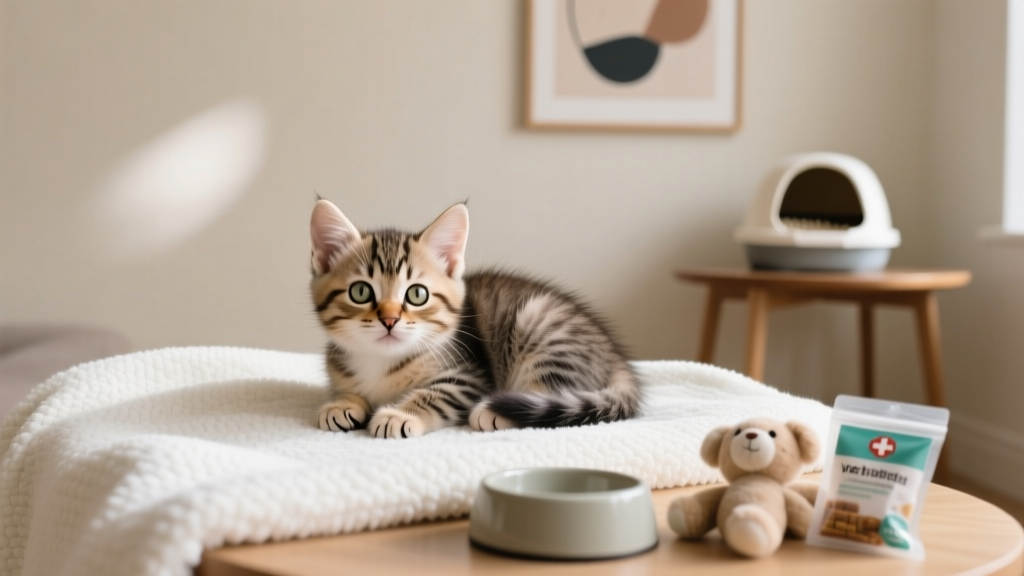
How to Take Care of 2 Month Kitten: The 7 Non-Negotiable Health & Safety Steps Every New Owner Misses (And Why Skipping Just One Puts Your Kitten at Risk)
Why This Is the Most Critical Week of Your Kitten’s Life — And How to Get It Right
If you’re wondering how to take care of 2 month kitten, you’ve landed at the most pivotal inflection point in feline development. At eight weeks old, your kitten is weaned but immunologically vulnerable, socially impressionable, and physically unprepared for adult-level hazards — yet many new owners unknowingly expose them to preventable risks: toxic plants, unsupervised stairs, delayed vaccines, or inappropriate food that triggers GI distress. This isn’t just ‘baby cat care’ — it’s intensive, time-sensitive health stewardship. According to the American Association of Feline Practitioners (AAFP), kittens under 12 weeks account for over 68% of preventable emergency vet visits related to parasitism, trauma, and vaccine-preventable diseases like panleukopenia. Getting these first 30 days right doesn’t just shape behavior — it determines lifelong immunity, organ resilience, and stress tolerance.
Vaccinations, Parasites & Vet Visits: Your First 14 Days Are Non-Negotiable
Your kitten’s immune system is still relying heavily on maternal antibodies — which begin fading between 6–12 weeks. That creates a dangerous ‘immunity gap’ where vaccines may not yet trigger full protection, yet maternal immunity no longer shields them. That’s why timing matters more than ever. Your first vet visit should happen within 48 hours of bringing your kitten home — even if they seem perfectly healthy. Dr. Lena Cho, DVM and feline specialist at the Cornell Feline Health Center, emphasizes: ‘A physical exam isn’t optional at 8 weeks — it’s diagnostic triage. We check for congenital heart murmurs, cleft palates, umbilical hernias, and signs of fading kitten syndrome before symptoms escalate.’
Here’s what your vet will address:
- Core Vaccines: First FVRCP (feline viral rhinotracheitis, calicivirus, panleukopenia) dose — administered between 6–8 weeks, with boosters every 3–4 weeks until 16 weeks.
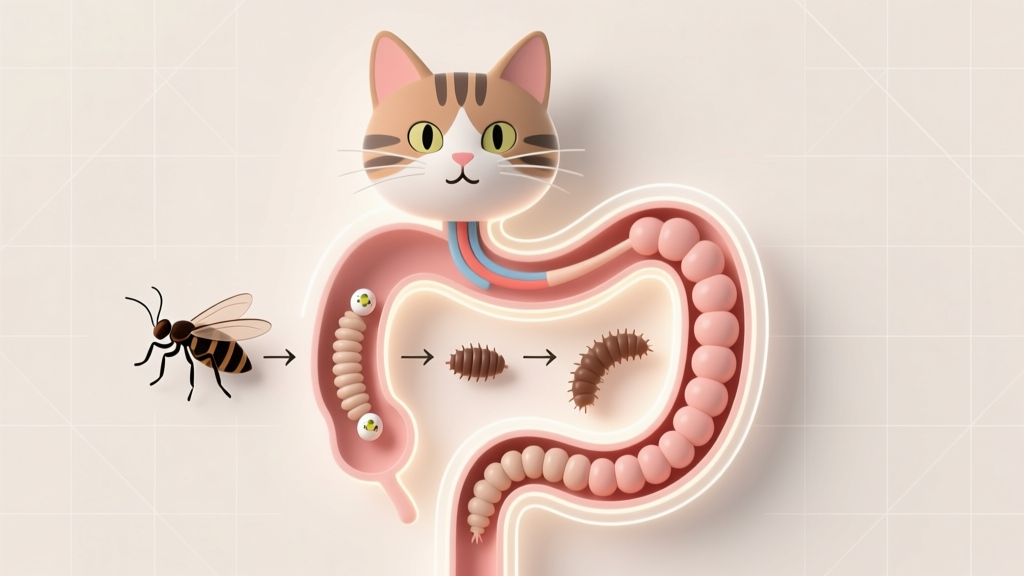
- Deworming: Broad-spectrum treatment for roundworms and hookworms (present in >90% of shelter kittens, per ASPCA data). Repeat in 2 weeks — eggs can re-infect from fur or environment.
- Fecal Float & PCR Testing: Not just for worms — giardia, coccidia, and Tritrichomonas foetus (a common cause of chronic diarrhea in young cats) require DNA-level detection.
- FIV/FeLV Screening: Only if mom is unknown or symptomatic — false positives are common in kittens under 6 months due to maternal antibodies, so confirmatory testing is essential at 6 months.
Avoid over-the-counter dewormers. Many contain pyrantel pamoate only — effective against roundworms but useless against tapeworms or coccidia. Prescription fenbendazole (Panacur®) covers broader parasites and is safe for kittens as young as 2 weeks.
Nutrition & Hydration: More Than Just ‘Kitten Food’
At two months, your kitten burns calories at nearly double the rate of an adult cat — requiring 250–300 kcal/kg/day. But calorie density isn’t the only factor. Their immature kidneys can’t concentrate urine efficiently, making dehydration a silent threat. A 2022 study in the Journal of Feline Medicine and Surgery found that 41% of kittens hospitalized for lethargy had subclinical dehydration — often misdiagnosed as ‘just tired.’
Transitioning food? Never switch cold turkey. Mix 25% new food with 75% current food for 3 days, then 50/50 for 3 days, then 75% new for 3 days. Sudden changes cause bacterial dysbiosis — leading to vomiting, mucus stools, or refusal to eat.
Wet food isn’t optional — it’s physiological necessity. Canned or pouch food provides 75–80% moisture, mimicking natural prey hydration. Dry kibble averages only 10% moisture and forces kittens to drink more — but their thirst drive is underdeveloped. Place multiple shallow water bowls (ceramic or stainless steel — avoid plastic, which harbors biofilm) near food, litter boxes, and napping spots. Try adding 1 tsp low-sodium chicken broth (no onion/garlic) to water for palatability — but never substitute broth for plain water long-term.
Supplements? Generally unnecessary — and potentially harmful. Human multivitamins, fish oil, or probiotics formulated for dogs can cause vitamin A toxicity or electrolyte imbalances. If gut health is a concern post-deworming, ask your vet about FortiFlora® (a feline-specific, clinically studied probiotic).
Socialization, Environment & Behavioral Safety: The 3-Week Window That Shapes Trust
The prime socialization period for kittens closes at 14 weeks — but the most impactful imprinting happens between 2–7 weeks. At 2 months, your kitten is primed to learn ‘safe’ vs. ‘dangerous,’ ‘human’ vs. ‘predator,’ and ‘play’ vs. ‘attack.’ Miss this window, and fear-based aggression or avoidance can become neurologically hardwired.
Key science-backed strategies:
- Controlled Exposure: Introduce one new stimulus per day — vacuum cleaner (on low, across the room), visitor (seated, offering treats), car ride (5-minute session in carrier), umbrella (opened slowly). Always pair with high-value treats (tiny bits of cooked chicken or freeze-dried salmon).
- Play = Predation Practice: Use wand toys (never fingers!) to simulate hunting. End sessions with a ‘kill’ — let them ‘catch’ a stuffed mouse. This satisfies predatory drive and prevents redirected biting.
- Litter Box Mastery: Use unscented, clumping clay or paper-based litter (avoid crystal or scented litters — dust irritates airways; scent overwhelms their olfactory system). Provide one box per floor + one extra. Scoop twice daily — kittens refuse dirty boxes faster than adults.
Environmental hazards kill more 2-month kittens than disease. Common culprits: blind cords (strangulation risk), dangling phone chargers (electrocution), laundry pods (caustic burns), and open toilets (drowning). Install cord shorteners, use outlet covers, and keep bathroom doors closed — even if your kitten seems ‘too small to fall in.’
Care Timeline Table: What to Do, When, and Why
| Age | Action | Why It Matters | Who Should Do It |
|---|---|---|---|
| Day 1–2 | Full veterinary exam + fecal test + first FVRCP | Detects congenital issues, establishes baseline weight/temp, begins immunity building | Veterinarian |
| Day 3–7 | Introduce litter box, food/water stations, safe sleeping area | Reduces stress-induced GI upset; prevents accidents from confusion | Owner |
| Week 2 | First deworming + start socialization protocol | Breaks parasite life cycle; maximizes neural plasticity for trust-building | Owner + Vet |
| Week 3–4 | Second FVRCP + repeat fecal test + microchip implant | Boosts antibody titers; confirms parasite clearance; enables recovery if lost | Veterinarian |
| Week 5–6 | Begin nail trims + tooth brushing with pet-safe paste | Prevents overgrown nails (painful walking), builds tolerance for future dental care | Owner (with vet guidance) |
Frequently Asked Questions
Can I bathe my 2-month-old kitten?
No — bathing is strongly discouraged before 12 weeks unless medically necessary (e.g., severe flea infestation with approved pediatric treatment). Kittens cannot regulate body temperature well; wet fur causes rapid heat loss and hypothermia. Instead, use a warm, damp washcloth to spot-clean soiled areas, and dry immediately with a towel and low-heat hair dryer held 18+ inches away. If fleas are present, consult your vet for kitten-safe topical treatments like Revolution® (selamectin) — never use dog flea products.
How much should a 2-month-old kitten sleep?
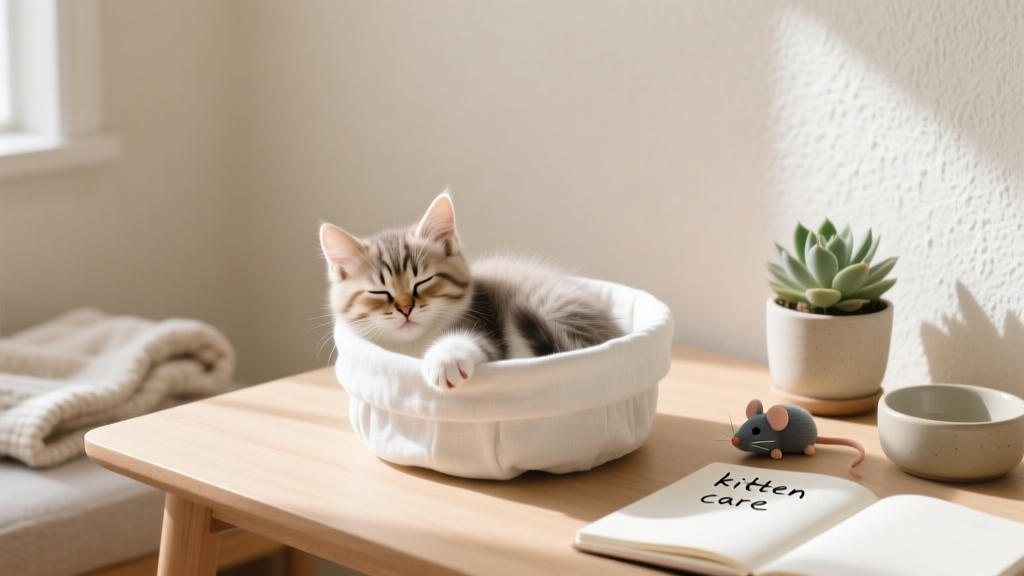
18–22 hours per day — but in 20–40 minute cycles. Don’t mistake deep sleep for lethargy. True lethargy means no interest in food, play, or interaction for >12 hours, or inability to rouse fully. Monitor sleep posture: curled tightly with paws tucked = normal; sprawled, mouth open, or head tilted = potential neurological or respiratory issue requiring immediate vet evaluation.
Is it safe to let my kitten outside at 2 months?
Absolutely not. Outdoor exposure before 16 weeks carries extreme risk: predators (hawks, coyotes), cars, toxins (antifreeze, pesticides), infectious diseases (FIV/FeLV from stray cats), and getting lost. Even enclosed ‘catios’ should wait until after final vaccines at 16 weeks. Indoor enrichment — climbing trees, puzzle feeders, bird-at-window perches — meets all instinctual needs safely.
What does healthy kitten poop look like?
Formed, moist, brown logs — not too hard (constipation) or too soft (diarrhea). Yellow, green, or gray stool signals digestive distress; blood or mucus requires same-day vet care. Straining, frequent small amounts, or vocalizing during defecation may indicate urinary tract issues — especially in males, who can develop life-threatening blockages by 12 weeks.
When should I spay/neuter?
For owned kittens, 4–5 months is optimal — after vaccines are complete but before first heat (females) or spraying (males). Early-age spay/neuter (8–12 weeks) is safe and recommended by shelters to prevent overpopulation, but requires specialized pediatric protocols. Discuss timing with your vet based on breed, size, and health status.
Common Myths Debunked
Myth #1: “Kittens don’t need vaccines if they’re indoor-only.”
False. Panleukopenia virus survives for over a year on surfaces — you can track it in on shoes or clothing. Calicivirus spreads via aerosolized sneeze droplets through HVAC systems. Indoor kittens have zero natural immunity — and zero margin for error.
Myth #2: “If my kitten is eating and playing, they’re definitely healthy.”
Dangerously misleading. Kittens mask illness until 70% of organ function is lost. A 2-month-old with early kidney disease may still chase toys — but bloodwork would reveal elevated creatinine. Subtle signs like decreased grooming, quieter meows, or slightly cooler ears warrant vet assessment.
Related Topics (Internal Link Suggestions)
- Kitten vaccination schedule — suggested anchor text: "what vaccines does my kitten need and when"
- Signs of sick kitten — suggested anchor text: "early warning signs your kitten is unwell"
- Best kitten food brands vet-approved — suggested anchor text: "top vet-recommended kitten foods for growth"
- How to introduce kitten to other pets — suggested anchor text: "safe, stress-free introduction to dogs or cats"
- Kitten microchipping process — suggested anchor text: "why microchipping at 8 weeks saves lives"
Your Next Step Starts Today — Not Tomorrow
You now hold the roadmap to safeguarding your kitten’s most fragile, formative stage — grounded in veterinary science, not folklore. Remember: consistency beats perfection. If you miss a deworming dose by two days? Reschedule immediately — don’t double up. If socialization feels overwhelming? Start with just five minutes of gentle handling daily. What matters most is showing up with calm attention and informed intention. Your next action? Call your vet today to book that first exam — and mention you’re caring for a 2-month-old kitten. Ask specifically for a ‘kitten wellness package’ that includes fecal testing, weight tracking, and a printed care timeline. Then, download our free 2-Month Kitten Daily Tracker (link) to log meals, litter use, playtime, and observations — because the smallest details often reveal the biggest insights. You’re not just raising a pet. You’re nurturing a lifelong companion — and you’ve already taken the bravest step: choosing to learn.