Why Do Cats Behavior Change Side Effects? 7 Hidden Health...
When Your Cat Suddenly Acts ‘Different’ — It’s Rarely Just ‘Personality’
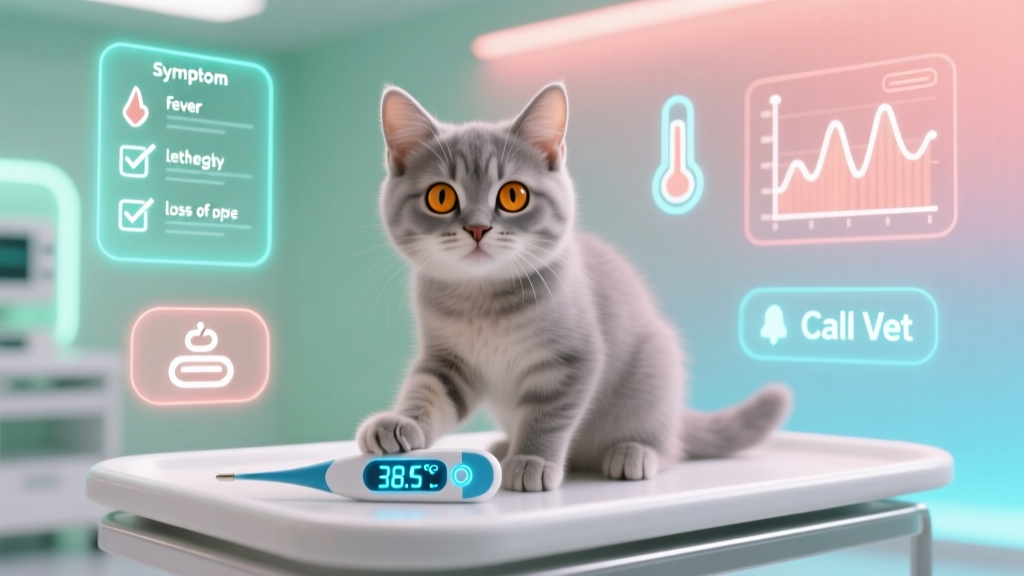
\nIf you’ve ever asked yourself, why do cats behavior change side effects, you’re not alone — and your concern is medically valid. Sudden shifts in your cat’s activity level, sociability, litter box habits, vocalization, or grooming routine are rarely just ‘mood swings.’ In fact, veterinary behaviorists emphasize that over 80% of abrupt behavioral changes in adult and senior cats stem from undiagnosed physical illness or treatment-related side effects — not boredom, spite, or ‘getting old.’ Ignoring these signs can delay critical intervention for conditions like hyperthyroidism, chronic kidney disease, or even early-stage dementia. This guide cuts through the myths with evidence-based insights from board-certified feline medicine specialists, real owner case studies, and a step-by-step clinical decision framework you can use at home — before your next vet visit.
\n\n1. Medical Conditions Masquerading as ‘Behavior Problems’
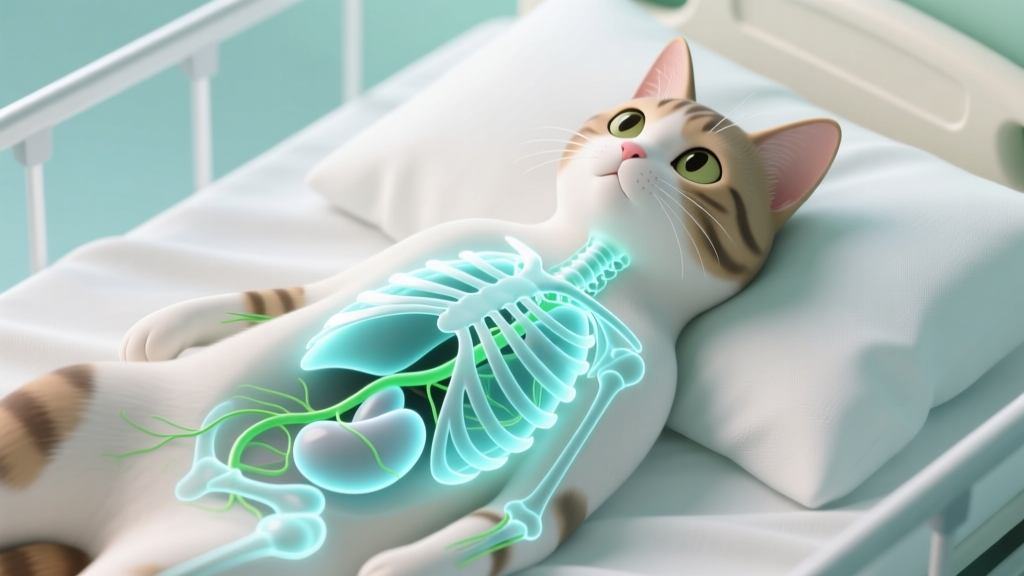
\nCats are masters of masking pain and illness — a survival instinct that makes diagnosing internal disease incredibly challenging. What looks like ‘grumpiness’ may be severe oral pain; ‘hiding’ could indicate nausea from liver dysfunction; and ‘urinating outside the box’ is often the first sign of lower urinary tract inflammation — not a rebellion against your new rug. According to Dr. Sarah Wooten, DVM, CVJ, a certified feline practitioner and contributor to the American Association of Feline Practitioners (AAFP), ‘If a cat’s behavior changes after age 7, assume it’s medical until proven otherwise. We see dozens of cases yearly where owners waited weeks thinking their cat was ‘just stressed,’ only to discover advanced, treatable disease.’
\n\nHere are the top five health conditions linked to measurable behavioral side effects — with telltale patterns most owners miss:
\n- \n
- Hyperthyroidism: Often presents as increased vocalization (especially at night), restlessness, weight loss despite ravenous appetite, and irritability — mistaken for ‘senior anxiety.’ \n
- Dental Disease: Over 70% of cats over age 3 have clinically significant periodontal disease. Pain manifests as food dropping, chewing on one side, decreased grooming, or aggression when touched near the head. \n
- Chronic Kidney Disease (CKD): Early signs include increased thirst/urination, subtle lethargy, and ‘staring into space’ episodes — often dismissed as ‘zoning out.’ Later stages bring disorientation, pacing, and inappropriate elimination. \n
- Osteoarthritis: Affects up to 90% of cats over age 12. Behavioral red flags: reluctance to jump, avoiding high perches, decreased play, overgrooming over stiff joints, or sudden aggression when lifted. \n
- Cognitive Dysfunction Syndrome (Feline Dementia): Not just ‘confusion’ — includes repetitive vocalizing, nighttime yowling, spatial disorientation (getting stuck in corners), and altered sleep-wake cycles. Importantly, it’s frequently comorbid with hypertension or CKD — meaning the behavior is a *symptom*, not the root cause. \n
2. Medication & Treatment Side Effects You Might Overlook
\nPrescription drugs — even those considered ‘safe’ — carry documented behavioral side effects in felines. Unlike dogs or humans, cats metabolize medications uniquely due to deficient glucuronidation pathways, making them far more sensitive to neuroactive compounds. A 2023 study in the Journal of Feline Medicine and Surgery found that nearly 1 in 4 cats prescribed gabapentin for pain management developed transient but pronounced agitation, vocalization, or ataxia — often misattributed to ‘stress from the car ride’ rather than the drug itself.
\n\nCommon culprits and their behavioral signatures:
\n- \n
- Gabapentin: Dose-dependent sedation or paradoxical agitation (pacing, meowing, hiding); onset within 1–2 hours. \n
- Methimazole (for hyperthyroidism): GI upset (vomiting/drooling) → decreased appetite → withdrawal or irritability; rare but serious idiosyncratic reactions can cause lethargy or tremors. \n
- NSAIDs (e.g., meloxicam): Not FDA-approved for long-term feline use. Subclinical renal effects may manifest as increased anxiety, reduced interaction, or aversion to handling. \n
- Antibiotics (e.g., clindamycin, metronidazole): Can disrupt gut microbiota, leading to nausea-driven lethargy or aggression — especially if administered orally in pill form. \n
- Topical flea treatments (e.g., permethrin — never use on cats): Neurotoxicity causes tremors, hypersalivation, seizures, and extreme vocalization — an emergency requiring immediate decontamination and supportive care. \n
Crucially, side effects aren’t always immediate. Some — like behavioral shifts from chronic low-grade inflammation caused by untreated dental disease — develop gradually over months, mimicking ‘normal aging.’ Keep a daily log: note time of medication, food intake, litter box use, interaction attempts, and any vocalizations or avoidance behaviors. This timeline becomes invaluable for your vet.
\n\n3. The ‘Silent Pain’ Protocol: A 5-Step At-Home Assessment
\nYou don’t need an exam room to spot red flags. Veterinarian Dr. Tony Buffington, DVM, PhD, developer of the ‘Pain-Free Feline’ assessment tool, recommends this validated 5-step observation protocol — designed specifically for owners to detect subtle discomfort before overt symptoms appear:
\n- \n
- Observe posture at rest: Does your cat curl tightly (indicating abdominal or back pain) or sprawl unnaturally (suggesting joint stiffness)? \n
- Check blink rate: Healthy cats blink slowly and frequently. Reduced blinking or squinting can signal ocular pain or systemic discomfort. \n
- Monitor grooming symmetry: Overgrooming one flank or undergrooming the hindquarters may point to localized pain or mobility limits. \n
- Test vertical mobility: Place a favorite toy on a low shelf (12–18 inches). Hesitation, circling before jumping, or using forelimbs only suggests arthritis or neuromuscular issues. \n
- Assess social tolerance: Gently stroke along the spine and base of tail. Flinching, tail flicking, or moving away indicates referred pain — common in kidney, bladder, or spinal conditions. \n
Score each step daily for one week. Three or more consistent ‘concerns’ warrants a vet consult — even without classic ‘sick cat’ signs like fever or vomiting.
\n\n4. When to Act — and What to Say at the Vet
\nTiming matters. While some changes (like mild decreased activity over several months) warrant evaluation within 2 weeks, others demand same-day care. Use this clinical triage table to determine urgency — and prepare precise language for your vet appointment.
\n\n| Behavior Change | \nPossible Cause | \nUrgency Level | \nWhat to Tell Your Vet | \n
|---|---|---|---|
| Sudden aggression toward people or other pets | \nNeurological event, severe pain (dental, abdominal), toxin exposure | \nEMERGENCY — Same day | \n“My cat bit me unprovoked for the first time yesterday — no history of aggression. He’s also refusing food and hiding.” | \n
| New onset of inappropriate urination/defecation | \nUTI, FLUTD, CKD, diabetes, spinal cord compression | \nUrgent — Within 48 hrs | \n“She’s peeing on my bed twice daily for 3 days — litter box is clean, water intake increased.” | \n
| Vocalizing loudly at night (especially elderly cats) | \nHypertension-induced retinal detachment, cognitive decline, hyperthyroidism | \nHigh Priority — Within 1 week | \n“He’s yowling between 2–4 AM every night for 10 days — pacing, seems disoriented.” | \n
| Decreased grooming + matted fur on hindquarters | \nOsteoarthritis, obesity-related immobility, chronic pain | \nRoutine — Schedule within 2 weeks | \n“She hasn’t licked her back legs in over a week — fur is knotted, she winces when I touch her hips.” | \n
| Increased affection or clinginess | \nAnxiety from vision/hearing loss, early dementia, metabolic imbalance | \nMonitor — Reassess in 7 days | \n“She’s following me constantly and won’t sleep alone — started 5 days ago, no other changes.” | \n
Pro tip: Bring video. A 30-second clip of the behavior (e.g., straining to urinate, abnormal gait, or vocalizing) is worth 10 minutes of description. Vets consistently report videos increase diagnostic accuracy by 40%.
\n\nFrequently Asked Questions
\nCan stress really cause long-term behavior changes — or is it always medical?
\nStress *can* trigger lasting changes — but only when chronic and unaddressed (e.g., multi-cat household tension causing persistent cystitis). However, true idiopathic stress accounts for <5% of sudden-onset behavioral shifts in cats over age 5. Always rule out medical causes first. As Dr. Dennis O’Brien, DACVB, states: ‘If you treat a painful cat for anxiety, you’re treating the symptom, not the disease — and delaying relief.’
\nMy cat changed behavior right after starting a new food — could it be dietary side effects?
\nYes — but indirectly. Food allergies rarely cause behavioral shifts; however, diet-induced GI upset (e.g., from high-fat kibble triggering pancreatitis) or nutrient imbalances (e.g., thiamine deficiency from raw fish diets causing neurological signs) can. More commonly, abrupt food changes cause nausea or discomfort — leading to irritability or withdrawal. Always transition foods over 7–10 days and monitor closely.
\nDo senior cats ‘just get weird’ as they age — or is dementia the main culprit?
\n‘Getting weird’ isn’t normal aging. While some slowing occurs, significant personality shifts — like forgetting litter box location, staring blankly at walls, or failing to recognize family members — signal Cognitive Dysfunction Syndrome (CDS). But CDS is often secondary: hypertension from kidney disease damages brain vasculature; hyperthyroidism increases metabolic demand on neurons. Treating the underlying condition can dramatically improve cognition.
\nWill bloodwork catch everything — or are there tests my vet might skip?
\nStandard senior panels (CBC, chemistry, T4, SDMA) catch ~70% of common causes — but miss key things. Ask specifically for: blood pressure measurement (hypertension is silent but devastating), dental radiographs (50% of dental disease is below the gumline), and urine culture (not just UA — many UTIs are culture-positive but dipstick-negative). If behavior changes persist despite ‘normal’ labs, request referral to a boarded feline specialist or veterinary neurologist.
\nCan environmental changes (new baby, pet, or move) cause medical-like symptoms?
\nAbsolutely — but again, rarely in isolation. Chronic stress elevates cortisol, which suppresses immunity and worsens underlying conditions (e.g., triggering FLUTD flare-ups in predisposed cats). So while the *trigger* is environmental, the *behavior* reflects physiological deterioration. Address both: reduce stressors *and* investigate medical roots.
\nCommon Myths About Cat Behavior Changes
\nMyth #1: “Cats don’t show pain — so if they’re eating and purring, they’re fine.”
False. Purring can occur during pain, fear, or healing — it’s a self-soothing mechanism, not a happiness signal. Studies using facial grimace scales confirm cats exhibit clear, quantifiable pain expressions even while eating.
Myth #2: “Older cats naturally become less active and more withdrawn — it’s just aging.”
While minor slowing occurs, profound withdrawal, disorientation, or personality inversion (e.g., a formerly social cat becoming aggressive) is never ‘normal aging.’ It’s the body’s alarm system — and early intervention can restore quality of life for years.
Related Topics (Internal Link Suggestions)
\n- \n
- Feline Hyperthyroidism Symptoms — suggested anchor text: "early signs of hyperthyroidism in cats" \n
- Cat Dental Pain Indicators — suggested anchor text: "how to tell if your cat has tooth pain" \n
- Senior Cat Blood Work Checklist — suggested anchor text: "essential senior cat lab tests" \n
- Gabapentin for Cats Side Effects — suggested anchor text: "what to expect with gabapentin in cats" \n
- Feline Cognitive Dysfunction Guide — suggested anchor text: "cat dementia symptoms and treatment" \n
Your Next Step Starts With Observation — Not Panic
\nUnderstanding why do cats behavior change side effects isn’t about assigning blame — it’s about reclaiming agency. Every subtle shift holds a clue, and your role as caregiver is irreplaceable: you know your cat’s baseline better than any test. Start tonight — grab a notebook or open a notes app. Log one behavior (e.g., ‘licked paws 3x today vs. usual 10x’) and one environmental factor (e.g., ‘gave half dose of methimazole’). Do this for 5 days. Then, call your vet — not with ‘my cat seems off,’ but with: ‘Here’s what changed, when, and what else happened around that time.’ That specificity transforms vague concern into actionable data. Because in feline medicine, behavior isn’t just a symptom — it’s the first word of the diagnosis.