Cat Vestibular Neuritis: Inner Ear Nerve Inflammation
1. Why this topic matters to cat owners
Few things are as scary as watching a cat suddenly lose balance, stumble, or tilt their head like the world has shifted overnight. These signs can look dramatic and can easily be mistaken for a stroke or seizure. One possible cause is vestibular neuritis, an inflammation affecting the nerve pathways that help control balance and head position. The good news: many cats recover well with prompt veterinary care and supportive nursing at home.
Understanding vestibular neuritis helps you respond calmly, protect your cat from injury, and get the right care quickly—especially because similar symptoms can also be caused by conditions that require urgent treatment.
2. Overview: what vestibular neuritis is (plain-language explanation)
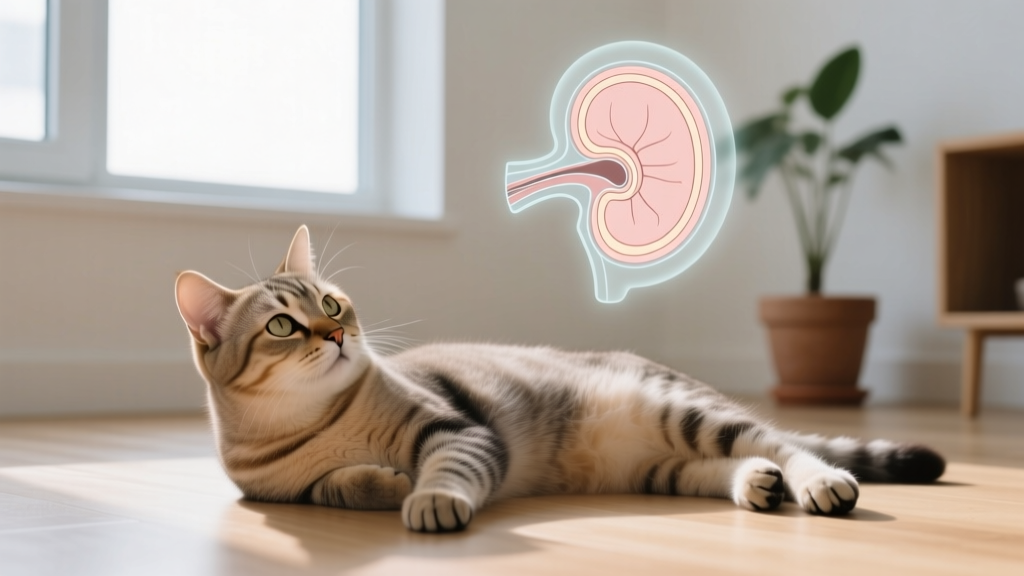
Your cat’s balance system is called the vestibular system. It’s made up of:
- The inner ear (a tiny “gyroscope” that senses motion and position)
- The vestibular nerve (carries balance signals from the inner ear to the brain)
- Brain centers that interpret those signals and coordinate eye, head, and body movement
Vestibular neuritis refers to inflammation of the vestibular nerve (or nearby vestibular structures). When that nerve becomes irritated or inflamed, the brain receives mismatched information from the two ears. The result is sudden dizziness-like symptoms: head tilt, wobbliness, and abnormal eye movements.
Veterinary teams may use terms like:
- Peripheral vestibular disease: usually involves the inner ear or vestibular nerve (often includes vestibular neuritis)
- Central vestibular disease: involves the brainstem or cerebellum (often more serious and needs thorough investigation)
Because the symptoms overlap, any sudden balance problem should be evaluated by a veterinarian.
3. Symptoms and warning signs to watch for
Vestibular neuritis often appears suddenly. Some cats seem fine one moment and severely off-balance the next.
Common signs
- Head tilt (often persistent at first; may improve over time)
- Loss of balance, wobbling, falling, or walking in circles
- Ataxia (uncoordinated gait)
- Nystagmus (rapid, involuntary eye movements—side-to-side, up-and-down, or rotary)
- Motion sickness signs: nausea, drooling, lip-smacking
- Vomiting (especially early on)
- Reluctance to move due to dizziness or fear of falling
Signs that may suggest a different or more serious cause
These don’t automatically mean it’s an emergency, but they increase concern for central nervous system involvement or other underlying illness and warrant prompt veterinary evaluation:
- Severe lethargy, weakness, or collapse
- New seizures
- Abnormal mentation (not acting “aware,” seeming confused, not responding normally)
- Weakness on one side of the body
- Multiple cranial nerve deficits (facial droop, trouble swallowing, voice change)
- Persistent loss of appetite or inability to drink
4. Causes and risk factors
“Neuritis” describes inflammation, but the underlying trigger isn’t always clear. In many cats, vestibular signs are associated with inner ear disease rather than a purely isolated nerve inflammation.
Possible causes
- Otitis media/interna (middle/inner ear infection): bacteria, yeast, or chronic inflammation can affect inner ear structures and the vestibular nerve
- Inflammatory conditions: irritation of the nerve or inner ear for reasons that aren’t always identified
- Nasopharyngeal polyps (more common in younger cats): benign growths that can affect the middle ear and cause vestibular signs
- Trauma to the head/ear region
- Ototoxic medications (certain drugs can damage the inner ear—this is uncommon but important; risk increases if the eardrum is ruptured and certain ear medications reach the middle/inner ear)
- Tumors affecting the ear canal, middle ear, or nerve (more likely in older cats)
- Central causes that mimic vestibular neuritis: stroke, inflammation/infection in the brain, toxin exposure—your vet’s exam helps sort this out
Risk factors
- History of chronic ear problems (recurrent otitis, wax buildup, ear mites)
- Older age (higher chance of tumors or vascular events; also more likely to have concurrent illness)
- Young cats with signs plus noisy breathing or swallowing issues (raises suspicion for polyps)
- Use of ear medications without a confirmed intact eardrum
5. Diagnosis: what to expect at the vet
Vestibular symptoms can look urgent, and your veterinarian will focus on two big goals: (1) keeping your cat safe and comfortable, and (2) determining whether the problem is peripheral (ear/nerve) or central (brain).
Typical steps
- History questions: sudden vs gradual onset, exposure to toxins/medications, ear scratching, recent infections, appetite changes
- Full physical exam and vital signs
- Neurologic exam: evaluates balance, reflexes, eye movements, and whether other cranial nerves are affected
- Otoscope exam: checks ear canals and eardrum; some cats need gentle sedation for a thorough look
Common tests (based on what your vet finds)
- Ear cytology (swab of the ear debris under microscope) to look for yeast/bacteria
- Culture and sensitivity if infection is suspected or resistant
- Bloodwork (CBC/chemistry) to assess overall health and rule out metabolic contributors
- Blood pressure check, especially in senior cats
- Imaging:
- CT can evaluate middle/inner ear changes and polyps
- MRI is best for nerve/brain evaluation and inner ear detail
- X-rays are less sensitive but may be used in some settings
If your cat is very nauseated, dehydrated, or unable to walk safely, your veterinarian may recommend hospitalization for stabilization while diagnostics are pursued.
6. Treatment options (medical, surgical, and home care)
Treatment depends on the suspected cause. Some cats improve with supportive care alone, while others need targeted therapy for infection, polyps, or more complex disease.
Medical treatment
- Anti-nausea medication (to control vomiting and help your cat eat and drink)
- Appetite support when needed
- Fluids (subcutaneous or IV) if dehydrated
- Antibiotics/antifungals if a middle/inner ear infection is suspected or confirmed
- Pain control if ear inflammation is painful
- Anti-inflammatory therapy in select cases (your vet will decide what’s appropriate; steroids are not a do-it-yourself option and can be risky with infections or certain diseases)
Important: Never put ear drops into your cat’s ear unless a veterinarian has examined the eardrum. If the eardrum is ruptured, some medications can harm the inner ear and worsen vestibular signs.
Surgical or procedural treatment
- Polyp removal (traction avulsion or surgical removal, depending on location and recurrence risk)
- Advanced ear procedures for chronic severe middle ear disease (less common, reserved for specific cases and specialty care)
- Mass/tumor management may involve imaging-guided planning, surgery, and/or oncology options
Home care (practical steps you can start right away)
Once your cat has been evaluated and your veterinarian has given home-care instructions, these steps help prevent injury and support recovery:
- Create a safe recovery space: small room, no stairs, block access to high furniture, use rugs/yoga mats for traction
- Use low-sided litter boxes and keep food/water close by
- Assist with mobility: gently steady your cat when walking; avoid forcing movement if they’re panicky
- Offer strong-smelling foods (per vet guidance): warmed wet food, tuna water (in moderation), or veterinary recovery diets
- Keep lights soft and the environment calm; sudden movement can worsen nausea
- Give medications exactly as prescribed and finish full antibiotic courses if prescribed
- Monitor intake/output: track eating, drinking, urination, bowel movements, and vomiting episodes
7. Prevention strategies and early detection tips
Not every case is preventable, but you can reduce risk and catch problems earlier.
What you can do
- Address ear issues early: head shaking, ear scratching, odor, discharge, or sensitivity should prompt a vet visit
- Avoid home ear treatments without an exam (especially peroxide, alcohol, or random “antibacterial” drops)
- Schedule routine wellness checks, particularly for senior cats
- Monitor blood pressure and general health in older cats (hypertension and other illnesses can mimic or contribute to neurologic signs)
- Use medications carefully: tell your vet about all drugs/supplements your cat receives, including topical ear products
- Act quickly on sudden balance changes: early evaluation helps rule out emergencies and start supportive care sooner
8. Prognosis and quality of life considerations
Many cats with peripheral vestibular disease, including vestibular neuritis or inner ear inflammation, show noticeable improvement within days and continue improving over 2–4 weeks. Some cats may have a lingering mild head tilt even after they feel normal otherwise.
What recovery can look like
- First 24–72 hours: often the worst period; nausea and imbalance are most pronounced
- Days 3–7: steadier walking, less vomiting, improved appetite
- Weeks 2–4: continued compensation; head tilt may fade or persist mildly
Quality of life
With good support, most cats remain comfortable and regain confidence. The keys are preventing falls, maintaining hydration and nutrition, and following your veterinarian’s plan. If an underlying cause like infection or a polyp is found and treated, long-term outlook can be very good.
If vestibular signs are due to a tumor or central neurologic disease, prognosis varies widely. Your veterinarian (and sometimes a neurologist) can guide expectations based on imaging and response to therapy.
9. When to seek emergency veterinary care
Any sudden vestibular episode should be evaluated promptly. Seek urgent or emergency care if you see any of the following:
- Continuous vomiting or inability to keep water down
- Collapse, extreme weakness, or inability to stand
- Seizures
- Severe disorientation, stupor, or unresponsiveness
- Suspected toxin exposure (including human medications)
- Rapid worsening of symptoms over hours
- Signs of significant pain (crying out, hiding, aggression when touched, painful ears)
- Not eating for 24 hours (or less in kittens/senior cats), or signs of dehydration (dry gums, sunken eyes, very low urine output)
If safe to do so, keep your cat in a carrier with a towel for stability during transport. Avoid offering food right before travel if your cat is actively nauseated unless your veterinarian advises otherwise.
10. FAQ: Common questions from cat owners
Is vestibular neuritis the same as a stroke in cats?
No. A stroke (vascular event) can cause sudden neurologic signs, including vestibular signs, but vestibular neuritis refers to inflammation affecting the vestibular nerve/inner ear pathways. Because they can look similar at home, a veterinary exam is the safest way to tell the difference and rule out central causes.
Will my cat’s head tilt go away?
Often it improves significantly, especially if the underlying cause is treated. Some cats keep a mild tilt long-term even though they feel fine and function normally. Cats are excellent at adapting.
Can ear infections really cause balance problems?
Yes. The balance organs sit in the inner ear. Inflammation or infection in the middle/inner ear can interfere with balance signals and trigger head tilt, nystagmus, and wobbliness. This is one reason ear exams and appropriate treatment are so important.
What can I do at home while waiting for my vet appointment?
- Keep your cat confined to one safe room away from stairs
- Provide traction (rugs, mats) and a low-entry litter box
- Minimize handling and sudden movement
- Do not put anything in the ears or give human medications
- If vomiting is severe or your cat can’t stand, seek emergency care rather than waiting
Is vestibular neuritis contagious to other pets?
Vestibular neuritis itself is not considered contagious. If the vestibular signs are due to an underlying ear infection, that infection is usually not contagious in a household setting, though ear mites (a different issue) can spread between pets and can contribute to ear inflammation. Your vet can clarify the cause.
Will my cat need a specialist (neurologist or ENT surgery)?
Not always. Many cases can be managed by a primary care veterinarian. Referral is more likely if signs point to central vestibular disease, symptoms persist without improvement, ear disease is severe or recurrent, a polyp is suspected, or advanced imaging (CT/MRI) is recommended.
If your cat shows sudden balance changes, head tilt, or abnormal eye movements, schedule a veterinary visit as soon as possible. Prompt evaluation is the best way to reduce discomfort, prevent injury, and rule out more serious conditions.
For more practical, cat-owner-friendly health guidance, visit catloversbase.com for additional cat wellness resources.