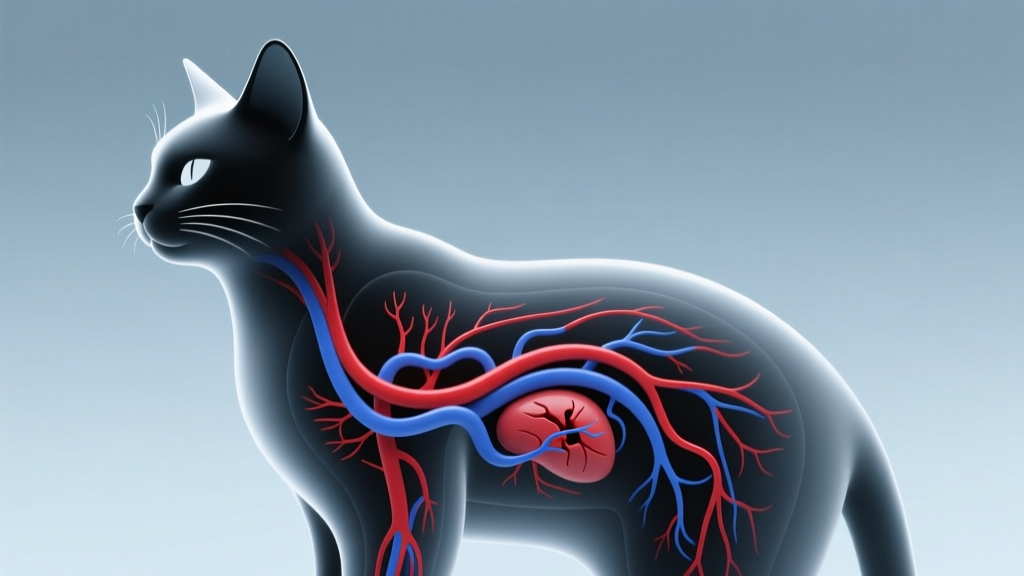
Feline Granulocytic Ehrlichiosis: Tick-Borne Blood Disease
1. Why This Topic Matters to Cat Owners
Ticks don’t just cause annoying bites—they can transmit infections that affect a cat’s blood cells and immune system. One of these infections is feline granulocytic ehrlichiosis, a tick-borne disease that can make cats feel suddenly unwell with fever, low energy, and appetite changes. While this illness is considered less common in cats than in dogs, it does occur, and it can be missed because the signs often look like many other “not feeling well” problems.
The good news: with prompt veterinary care, many cats respond well to treatment. Understanding what to watch for—and how to prevent tick exposure—helps you protect your cat and seek care early if something seems off.
2. Overview: What Is Feline Granulocytic Ehrlichiosis?
Feline granulocytic ehrlichiosis is an infection caused by bacteria that target a specific type of white blood cell called a granulocyte (most commonly a neutrophil). The organism most often associated with this disease is Anaplasma phagocytophilum, which used to be grouped under “ehrlichiosis” because it behaves similarly to Ehrlichia bacteria. In everyday conversation, you may hear vets refer to it as “granulocytic ehrlichiosis” or “anaplasmosis.”
Here’s what’s happening inside the body in plain language:
- A tick feeds on a cat and transmits the organism into the bloodstream.
- The organism enters white blood cells and can interfere with how the immune system functions.
- The immune response and infection can lead to inflammation, fever, and changes in blood cell counts (like low platelets).
Some cats will clear the infection or show mild signs; others can become noticeably sick. Co-infections (more than one tick-borne disease at the same time) can make symptoms more severe and diagnosis more complicated.
3. Symptoms and Warning Signs to Watch For
Signs can vary from mild to significant, and they may appear suddenly. Some cats feel sick for a few days; others have waxing-and-waning signs. Contact your veterinarian if you notice any of the following—especially if your cat has any tick exposure or goes outdoors.
Common signs
- Fever (your cat feels warm, seeks cool surfaces, or seems “off”)
- Lethargy or hiding more than usual
- Decreased appetite or not eating
- Weight loss if illness persists
- Muscle or joint discomfort (less jumping, stiffness, sensitivity to being picked up)
Possible additional signs
- Lameness or shifting leg discomfort
- Enlarged lymph nodes (a vet may feel these under the jaw or behind the legs)
- Vomiting or diarrhea in some cases
- Pale gums (can be linked to anemia or poor circulation)
- Bruising, small red/purple dots on the skin, or nosebleeds (may suggest low platelets and needs veterinary attention)
Owner tip: If your cat is eating less, acting painful, or unusually quiet for more than 24 hours, it’s worth calling your veterinarian—cats can deteriorate quickly when they stop eating.
4. Causes and Risk Factors
The direct cause is exposure to a tick carrying the organism. The tick must feed long enough to transmit infection, which is why prevention and prompt removal matter.
Risk factors that increase likelihood
- Outdoor access (including supervised yard time)
- Living in or traveling to tick-endemic areas (wooded, brushy, or grassy regions)
- Multi-pet households where dogs go hiking or into tall grass (ticks can hitchhike indoors)
- Stray/feral exposure or recently adopted outdoor cats
- Inadequate tick prevention or gaps in monthly protection
Seasonality
Tick activity often increases in warmer months, but in many regions ticks can be active anytime temperatures are mild. Even indoor cats can encounter ticks that come inside on people, dogs, or other animals.
5. Diagnosis: Methods and What to Expect at the Vet
Because the symptoms are non-specific, diagnosis usually involves a combination of history, physical exam findings, and lab testing. If you’ve found a tick on your cat recently, tell your veterinarian—this detail can speed up the diagnostic process.
Common diagnostic steps
- Physical exam: checking temperature, hydration, gum color, lymph nodes, joint comfort, and overall condition.
- Complete blood count (CBC): looks for changes such as:
- Low platelets (thrombocytopenia), which can increase bleeding risk
- Low or high white blood cell counts
- Anemia in some cases
- Blood smear evaluation: sometimes the organism can be seen as clusters (morulae) inside granulocytes, though this is not always detectable.
- Serology (antibody tests): indicates exposure and immune response; results must be interpreted alongside symptoms and other tests.
- PCR testing: looks for the organism’s DNA; helpful for confirming active infection.
- Additional screening: your vet may test for other tick-borne illnesses or feline infections that can look similar (and sometimes occur together).
What you can do before the visit
- Write down when symptoms began and any changes in eating, drinking, urination, or mobility.
- Bring any tick you removed (sealed in a small container or bag), or a photo of it.
- List any parasite preventives used and the date last given.
6. Treatment Options (Medical, Surgical, Home Care)
Treatment is typically medical. There’s no surgical “fix,” but supportive care can be important for cats who are dehydrated, not eating, or dealing with complications.
Medical treatment
- Antibiotics: Doxycycline is commonly used for granulocytic ehrlichiosis/anaplasmosis. Your veterinarian will determine the correct dose and duration for your cat.
- Pain control: if joint or muscle pain is present, your vet may prescribe cat-safe analgesics. Do not give human medications (many are toxic to cats).
- Supportive care: depending on severity, your cat may need fluids, anti-nausea medication, appetite support, or hospitalization.
Home care and monitoring
- Give all medications exactly as prescribed and finish the full course unless your vet advises otherwise.
- Encourage eating: offer warmed, strong-smelling foods; keep meals small and frequent; reduce stress and provide a quiet recovery area.
- Track progress: note appetite, energy, litter box habits, and any bruising or bleeding.
- Follow-up testing: your vet may recheck bloodwork to ensure platelets and other values are improving.
Tick removal guidance (at home)
If you find a tick, remove it promptly using fine-tipped tweezers or a tick tool:
- Grasp close to the skin and pull steadily straight out.
- Avoid twisting aggressively, crushing the tick, or applying substances like oil or alcohol before removal.
- Clean the bite area and wash your hands.
- Contact your vet if the skin becomes swollen, painful, or oozing.
If your cat is fractious, painful, or the tick is in a difficult area (ear canal, eyelid), have a veterinary professional remove it safely.
7. Prevention Strategies and Early Detection Tips
Prevention centers on reducing tick exposure and using veterinarian-approved parasite control. This is one of the most practical ways to protect your cat immediately.
Tick prevention you can start now
- Use a vet-recommended tick preventive labeled for cats. Many dog products are dangerous for cats—always verify the species and weight range.
- Stay consistent: apply or administer preventives on schedule (set a monthly reminder).
- Check your cat daily during tick season, especially:
- around the head and neck
- under the collar
- in armpits and groin
- between toes
- around the ears
- Reduce tick habitat: keep grass short, remove leaf litter, and discourage wildlife that carry ticks.
- Protect indoor cats too if ticks are common in your region or if dogs in the home go outdoors frequently.
Early detection tips
- Know your cat’s normal behavior: energy level, jumping ability, appetite, and social habits.
- Take note of subtle changes: “quieter than usual” and “not finishing meals” often come before more obvious illness.
- If your cat had a tick bite and develops fever, lethargy, or appetite loss within days to weeks, schedule a vet visit.
8. Prognosis and Quality of Life Considerations
Many cats recover well with appropriate antibiotics and supportive care, especially when treated early. Some cats may feel significantly better within a few days of starting treatment, but it’s still important to complete the full medication course and attend follow-ups.
Factors that influence prognosis
- How quickly treatment begins
- Severity of platelet drop and whether bleeding complications occur
- Co-infections with other tick-borne organisms
- Underlying conditions (kidney disease, immune compromise, poor nutritional status)
Quality of life during recovery improves with rest, pain control (if needed), and easy access to food, water, and the litter box. Keep your cat indoors during treatment to reduce stress and prevent further tick exposure.
9. When to Seek Emergency Veterinary Care
Granulocytic ehrlichiosis can often be managed with prompt outpatient care, but certain signs warrant urgent evaluation. Seek emergency veterinary help if your cat has:
- Trouble breathing or open-mouth breathing
- Collapse, extreme weakness, or unresponsiveness
- Bleeding (nosebleeds, blood in urine or stool, bleeding gums) or widespread bruising
- Pale or white gums
- Repeated vomiting or inability to keep water down
- Not eating for 24 hours (or 12 hours in kittens or cats with diabetes/other medical issues)
- Severe pain, crying, or sudden inability to walk/jump
If you’re unsure, call your veterinarian or an emergency clinic and describe what you’re seeing. It’s always better to ask early than wait.
10. FAQ: Common Questions Cat Owners Ask
Can indoor cats get granulocytic ehrlichiosis?
Yes. While the risk is lower for strictly indoor cats, ticks can hitchhike inside on dogs, people, clothing, or gear. If ticks are common where you live, talk with your veterinarian about appropriate prevention even for indoor cats.
Is granulocytic ehrlichiosis contagious to other cats or to humans?
Direct cat-to-cat spread is not considered typical. The primary route is through tick bites. Humans can get similar infections from tick bites, but your cat doesn’t “give it” to you through casual contact. The shared risk is tick exposure in the same environment, so protecting pets helps reduce ticks in the home.
How soon after a tick bite will my cat get sick?
Timing can vary. Some cats develop signs within days to a couple of weeks after exposure. Others may have mild signs that come and go. If you find a tick and your cat becomes lethargic, feverish, or stops eating, schedule a veterinary visit.
Will my cat always test positive once infected?
Not always. Antibody tests may remain positive for a period after exposure, while PCR tests are more likely to detect active infection. Results depend on timing, the test used, and whether treatment has started. Your veterinarian will interpret results alongside clinical signs and bloodwork changes.
What happens if my cat can’t take doxycycline?
Some cats experience stomach upset with certain medications. Never stop or change antibiotics without veterinary guidance. If your cat vomits, drools, refuses food, or seems distressed after dosing, call your veterinarian promptly—there may be options such as adjusting how the medication is given, adding anti-nausea support, or using an alternative treatment plan.
What’s the single most effective thing I can do to prevent tick-borne disease?
Use a reliable, veterinarian-approved tick preventive labeled for cats consistently, and pair it with regular tick checks. This combination dramatically reduces the chance of tick attachment and disease transmission.
If your cat has possible tick exposure or is showing signs like fever, lethargy, appetite loss, or bruising, schedule a veterinary exam. Early care makes a real difference, and your vet can tailor prevention to your region and your cat’s lifestyle.
For more practical, cat-owner-friendly health guidance, visit catloversbase.com for additional cat health resources and wellness tips.