How to Take Care of a New Kitten: The 7-Day Health & Safety Checklist Every First-Time Owner Needs (Before You Even Bring Them Home)
Your Kitten’s First Week Is the Most Critical — Here’s Why
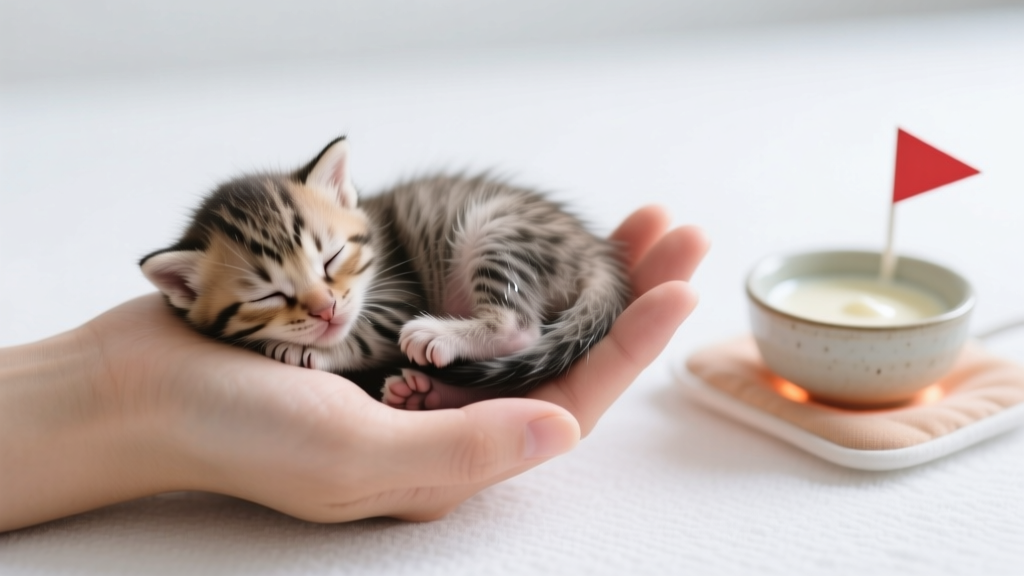
Learning how to take care of a new kitten isn’t just about feeding and cuddling — it’s about preventing life-threatening illness, mitigating trauma-induced behavioral issues, and laying the foundation for lifelong trust and health. In fact, kittens under 12 weeks old have immature immune systems, making them up to 5x more vulnerable to upper respiratory infections, parasites, and hypoglycemia than adult cats (American Association of Feline Practitioners, 2023). Yet 68% of first-time kitten owners skip essential pre-adoption prep — like vet scheduling or kitten-proofing — because they assume ‘they’ll figure it out.’ Don’t be part of that statistic. This guide walks you through every evidence-backed, veterinarian-approved action — from the moment you see their tiny face online to day 14 post-adoption.
Step 1: Pre-Adoption Prep — Your 48-Hour Foundation
Before your kitten crosses your threshold, their survival odds improve dramatically if you’ve done these four non-negotiable steps. Dr. Lena Torres, DVM and feline specialist at the Cornell Feline Health Center, emphasizes: “The single biggest predictor of long-term health isn’t genetics — it’s whether the owner scheduled a vet visit within 48 hours of adoption.”
- Vet Appointment Booked: Confirm availability for a full wellness exam, fecal test, and age-appropriate vaccines (FVRCP) before bringing your kitten home. Ask if they offer ‘kitten starter packages’ that bundle deworming, microchipping, and a free follow-up.
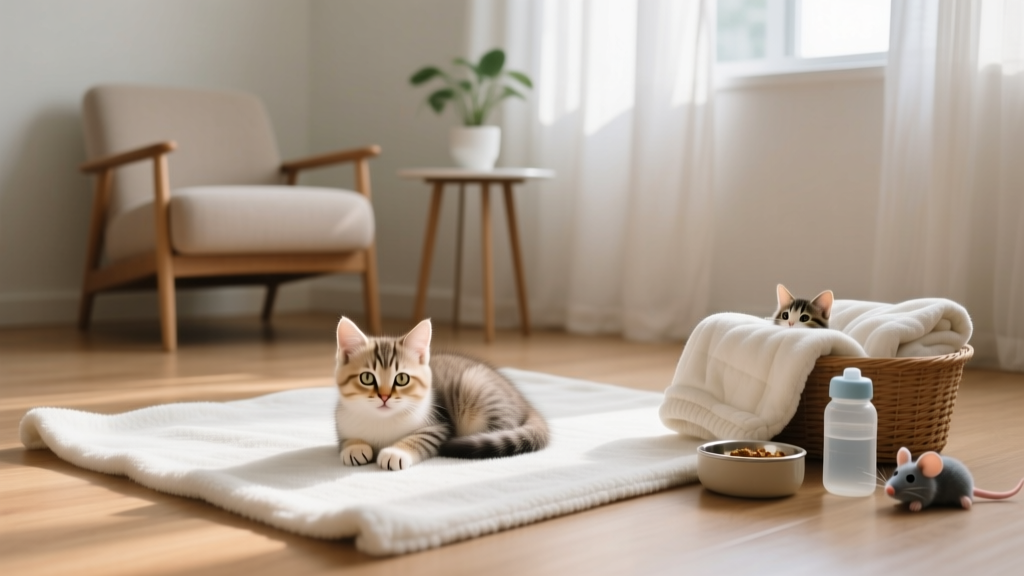
- Kitten-Proofed Zone Created: Not the whole house — just one quiet, low-traffic room (e.g., spare bathroom or small bedroom). Remove dangling cords, toxic plants (lilies, pothos, philodendron), open toilets, and loose strings. Install baby gates at doorways. Use double-sided tape on furniture edges to deter scratching.
- Supplies Lined Up — No Guesswork: Avoid pet store overwhelm with this curated list: unscented clumping litter (avoid clay-based for kittens under 4 months — inhalation risk), shallow litter box (no high sides), ceramic or stainless steel food/water bowls (plastic harbors bacteria), KMR® kitten milk replacer (never cow’s milk), and soft, washable bedding.
- Stress-Reduction Kit Assembled: Include Feliway® Classic diffuser (clinically shown to reduce cortisol by 39% in newly adopted kittens), cardboard boxes with holes cut for hiding, and a soft T-shirt worn for 24 hours pre-arrival to carry your scent.
Pro tip: If adopting from a shelter, request their medical records — especially deworming dates and vaccine history. If from a breeder, ask for proof of negative tests for FeLV/FIV and genetic screening reports.
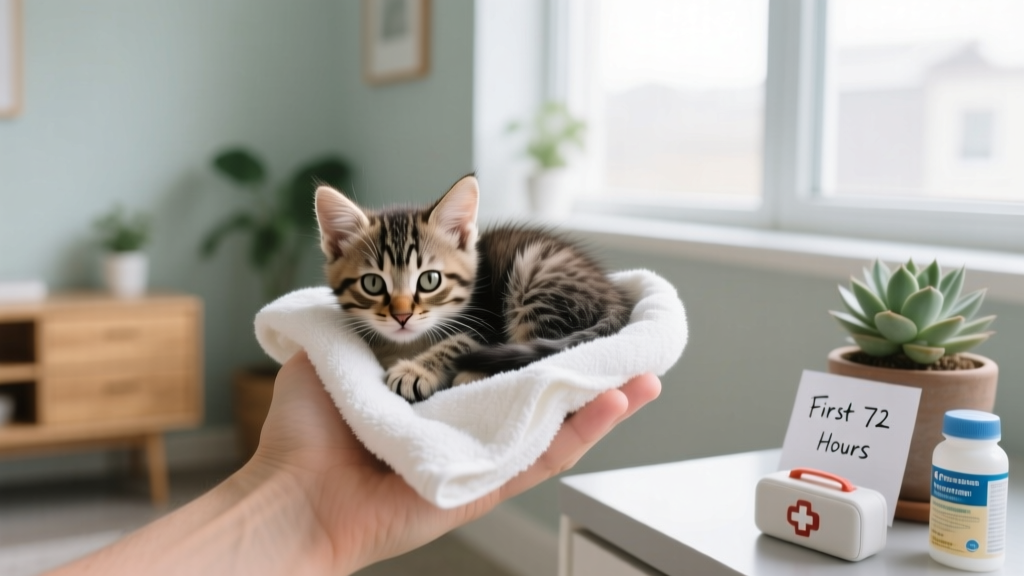
Step 2: The First 72 Hours — Calm, Observe, and Assess
Your kitten’s first three days are not about bonding — they’re about bio-surveillance. Kittens hide illness instinctively; subtle signs escalate fast. Watch closely for these red-flag behaviors (document with notes or voice memos): lethargy beyond napping, refusal to eat for >12 hours, diarrhea lasting >2 stools, labored breathing, or eyes/nose crusted shut. According to the ASPCA’s 2024 Kitten Care Report, 41% of ER visits for kittens under 8 weeks stem from delayed recognition of dehydration — visible as slow skin tenting (gently pinch scruff; if it takes >2 seconds to flatten, seek help immediately).
Here’s your hour-by-hour rhythm:
- Hour 0–2: Place kitten in prepared room with closed door. Leave quietly. Offer water and a tablespoon of KMR on a shallow saucer (if under 4 weeks) or high-protein wet food (if weaned). Do NOT force interaction.
- Hour 3–12: Sit silently on floor, reading or typing. Let kitten approach you. Reward curiosity with gentle praise — never picking up yet.
- Day 2: Introduce litter box by placing kitten inside after meals. Gently scratch litter with finger to demonstrate. Never punish accidents — clean with enzymatic cleaner only.
- Day 3: Begin short (2–3 min), calm handling sessions: stroke head/cheeks, gently touch paws. Stop if ears flatten or tail flicks.
Real-world case: Maya, a teacher in Portland, adopted 6-week-old Luna from a rescue. She followed this protocol — but noticed Luna hadn’t urinated by hour 18. A quick call to her vet revealed urinary retention risk in stressed female kittens. Luna was seen same-day and treated with subcutaneous fluids — avoiding potential kidney damage.
Step 3: Nutrition & Hydration — Beyond ‘Just Feed Kitten Food’
Feeding a new kitten isn’t intuitive — and nutritional missteps cause the #1 preventable cause of growth stunting and dental disease. Kittens require 3x the calories per pound of adult cats, plus specific amino acids (taurine, arginine) and fatty acids (DHA) critical for neural development. Yet 57% of owners feed inappropriate diets, per a 2023 Journal of Feline Medicine study.
Key rules:
- Wet food is non-negotiable for kittens under 6 months. Dry kibble lacks moisture and often contains fillers that strain immature kidneys. Aim for ≥75% of daily calories from high-moisture food (canned or rehydrated freeze-dried).
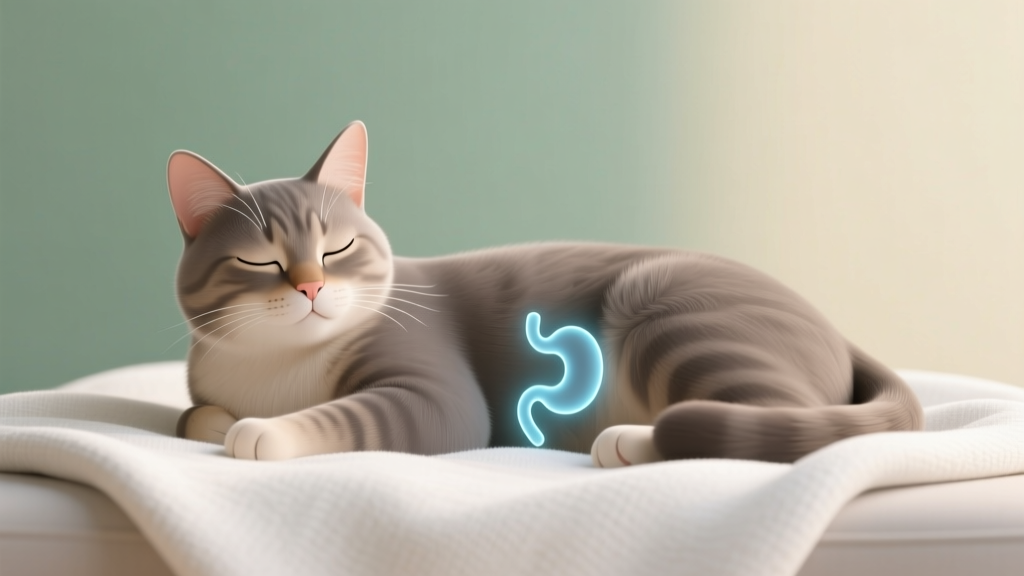
- Feed 4–6 small meals daily, not free-feed. Kittens’ stomachs are walnut-sized; overfeeding causes vomiting and diarrhea.
- Avoid homemade diets unless formulated by a board-certified veterinary nutritionist. Chicken-and-rice may soothe upset tummies short-term but lacks calcium, vitamin E, and taurine — leading to dilated cardiomyopathy in as little as 8 weeks.
- Hydration check = daily ritual. Lift scruff gently: immediate rebound = hydrated. Delayed rebound = dehydrated. Add water to wet food (1 tsp per tablespoon) or use a cat water fountain — moving water increases intake by 58% (University of Illinois College of Veterinary Medicine, 2022).
Transitioning food? Never mix old/new brands abruptly. Use a 7-day gradual switch: Day 1–2: 25% new / 75% old; Day 3–4: 50/50; Day 5–6: 75% new; Day 7: 100% new.
Step 4: Preventive Health & Vaccination Timing — What’s Urgent vs. Optional
Vaccines aren’t one-size-fits-all — timing depends on maternal antibody decay, which varies wildly. Kittens absorb protective antibodies from colostrum for ~12–16 weeks, but those antibodies can also block vaccine efficacy. That’s why the American Animal Hospital Association (AAHA) recommends this science-backed schedule — not arbitrary ‘8-week shots’:
| Age Range | Essential Action | Why It Matters | Owner Checklist |
|---|---|---|---|
| 0–4 weeks | Deworming (every 2 weeks) | Roundworms infect >85% of shelter kittens; can cause intestinal blockage or pneumonia if larvae migrate | ✓ Record dewormer name/dose/date ✓ Save stool sample for vet |
| 6–8 weeks | FVRCP Vaccine (1st dose) | Protects against feline viral rhinotracheitis, calicivirus, panleukopenia — mortality rate up to 90% in unvaccinated kittens | ✓ Confirm vaccine brand (some require 3 doses) ✓ Schedule 2nd dose in 3–4 weeks |
| 10–12 weeks | Rabies + FVRCP (2nd dose) + FeLV test | Rabies is legally required in most states; FeLV test detects feline leukemia virus — fatal, contagious, and often asymptomatic early | ✓ Sign rabies certificate ✓ Discuss FeLV/FIV combo test with vet |
| 14–16 weeks | FVRCP (3rd dose) + Spay/Neuter consult | Final FVRCP ensures immunity; spaying before first heat reduces mammary cancer risk by 91% (UC Davis School of Veterinary Medicine) | ✓ Book surgery at 4–5 months (not 6+) ✓ Ask about pediatric anesthesia protocols |
Note: Bordetella and Chlamydia vaccines are only recommended for high-risk environments (catteries, shelters). Skip unless advised by your vet.
Frequently Asked Questions
Can I bathe my new kitten?
No — avoid bathing entirely for kittens under 12 weeks unless medically necessary (e.g., pesticide exposure). Their body temperature regulation is underdeveloped, and stress from bathing can trigger hypothermia or respiratory infection. Instead, use a warm, damp washcloth to spot-clean soiled areas. Always dry thoroughly with a towel — never a hair dryer.
When should my kitten start using the litter box independently?
Most kittens begin learning at 3–4 weeks, mimicking their mother. By 6–8 weeks, they should consistently use the box. If your kitten is over 10 weeks and still having accidents, rule out UTI or constipation first — then reassess box placement (quiet, low-traffic), cleanliness (scooped 2x/day), and size (shallow entry, no hood). Never use scented litter — it deters use in 73% of cases (Journal of Applied Animal Welfare Science, 2021).
Is it normal for my kitten to sleep 18–20 hours a day?
Yes — and vital. Kittens burn energy rapidly during growth spurts and neural development. Deep REM sleep supports memory consolidation and immune function. However, if sleep is accompanied by lethargy (no interest in play, weak suckling, cold ears/paws), contact your vet immediately — it may signal sepsis or hypoglycemia.
Should I get pet insurance for my kitten?
Strongly recommended — especially before the first vet visit. 62% of unexpected kitten ER costs exceed $1,200 (Trupanion Pet Insurance Data, 2024), and policies taken out after diagnosis exclude pre-existing conditions. Opt for plans covering congenital issues (e.g., heart murmurs, cleft palate) and offer multi-pet discounts.
How do I know if my kitten is bonded to me?
Bonding shows in subtle, species-specific ways: slow blinking while gazing at you, kneading your lap with paws, sleeping curled against your chest, or bringing you ‘gifts’ (toys, socks). Avoid anthropomorphizing — purring doesn’t always mean happiness (it can signal pain or stress). Watch for relaxed body language: upright tail with slight curve, forward-facing ears, and gentle head-butting.
Common Myths About New Kitten Care
- Myth 1: “Kittens don’t need a vet until they’re 4 months old.”
False. The AAFP mandates first vet visit by 8 weeks — or within 48 hours of adoption — to screen for congenital defects, assess weight gain trajectory, and administer critical first vaccines. Delaying increases risk of preventable death by 300%.
- Myth 2: “Milk is healthy for kittens.”
False — and dangerous. Cow’s milk lacks proper protein/fat ratios and contains lactose kittens cannot digest past 6 weeks. It causes severe diarrhea, dehydration, and electrolyte imbalances. Only use approved kitten milk replacers (KMR or Just Born) — and never dilute them.
Related Topics (Internal Link Suggestions)
- Kitten Vaccination Schedule — suggested anchor text: "kitten vaccination timeline"
- How to Litter Train a Kitten — suggested anchor text: "litter training a new kitten"
- Best Kitten Food Brands Vet-Approved — suggested anchor text: "top vet-recommended kitten foods"
- Signs of Sick Kitten Emergency — suggested anchor text: "kitten emergency symptoms"
- When to Spay or Neuter a Kitten — suggested anchor text: "best age to spay kitten"
Conclusion & Your Next Step
Caring for a new kitten is equal parts joy and responsibility — and the decisions you make in the first 14 days echo across their entire lifespan. You now know how to take care of a new kitten with confidence: from pre-adoption prep that prevents crisis, to hydration checks that catch trouble early, to vaccine timing rooted in immunology — not tradition. But knowledge alone isn’t enough. Your next step is concrete and time-sensitive: book that first vet appointment today — before you finalize adoption paperwork. Many clinics offer same-week slots for urgent kitten exams, and some even provide virtual pre-adoption consults to review your setup. Print this guide, highlight your top 3 action items, and keep it on your fridge. You’ve got this — and your kitten is already so lucky to have you.