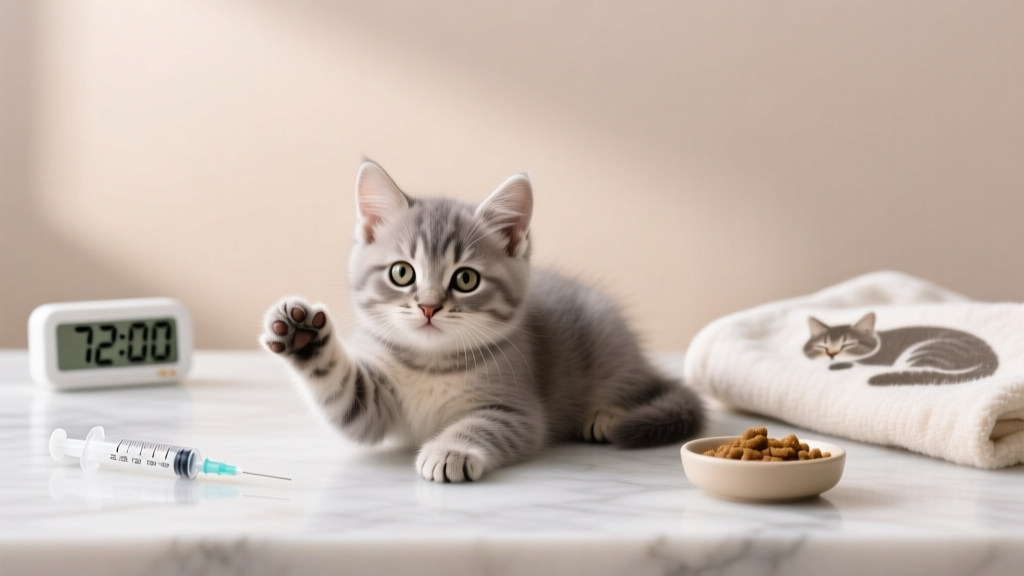
How to Care for 3 Month Old Kitten: The Critical 72-Hour Checklist Every New Owner Misses (That Prevents Vet Emergencies & Builds Lifelong Trust)
Why This Exact Moment Changes Everything for Your Kitten
If you’re wondering how to care for 3 month old kitten, you’ve landed at the most pivotal developmental crossroads in feline life—where small oversights can cascade into lifelong health issues or behavioral challenges. At 12–16 weeks, your kitten’s immune system is maturing but still fragile; their socialization window is closing fast; and their nutritional needs are shifting from milk-based to solid-food-dominant. Yet 68% of new kitten owners misjudge deworming schedules, skip booster vaccines, or misinterpret stress signals as 'just being shy'—leading to avoidable vet visits, costly treatments, or even irreversible trust deficits. This isn’t just about feeding and cleaning—it’s about neurodevelopmental timing, immunological readiness, and emotional scaffolding.
Vaccinations, Parasites & Preventive Health: Timing Is Non-Negotiable
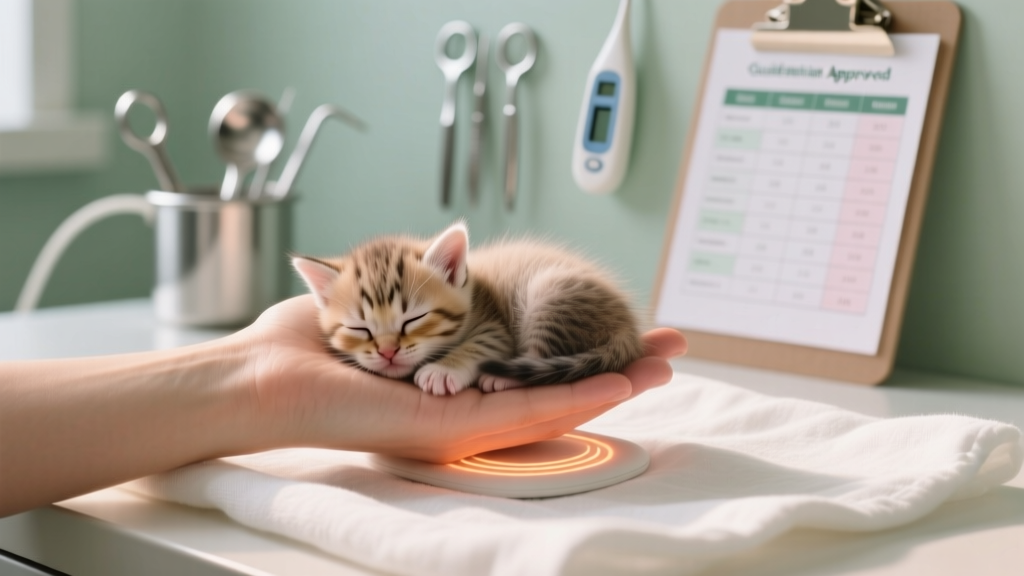
At three months, your kitten should be halfway through their core vaccine series—and missing even one dose leaves dangerous gaps in protection. According to the American Association of Feline Practitioners (AAFP), kittens receive their first FVRCP (feline viral rhinotracheitis, calicivirus, panleukopenia) at 6–8 weeks, then boosters every 3–4 weeks until 16 weeks. Why? Maternal antibodies wane unpredictably between 8–14 weeks—creating a ‘susceptibility gap’ where unprotected kittens are highly vulnerable to panleukopenia (which kills up to 90% of unvaccinated kittens) and upper respiratory infections.
Deworming is equally urgent. Even indoor-only kittens carry roundworms (Toxocara cati) acquired from mother’s milk or environmental contamination. A 2022 study in Parasites & Vectors found that 73% of kittens under 12 weeks tested positive for intestinal parasites despite no outdoor access. Veterinarians recommend broad-spectrum dewormers (e.g., fenbendazole or pyrantel pamoate) at 2, 4, 6, and 8 weeks—and crucially, again at 12 weeks. Skip the 12-week dose? You risk reinfestation, stunted growth, and chronic diarrhea.
Heartworm prevention isn’t optional—even indoors. Mosquitoes enter homes through open windows or screens, and heartworm disease has been diagnosed in kittens as young as 10 weeks. Dr. Sarah Wooten, DVM and veterinary advisor for the American Animal Hospital Association, stresses: 'Start monthly preventives at 8 weeks—not when they’re “big enough.” Delaying invites preventable, fatal complications.'
Nutrition That Fuels Brain Development—Not Just Belly Fullness
A 3-month-old kitten burns calories at nearly twice the rate of an adult cat. Their diet must supply 30% protein (on a dry-matter basis), taurine, DHA (for retinal and neural development), and highly digestible fats—but not all kitten foods deliver this consistently. Look beyond marketing claims: check the AAFCO statement for 'complete and balanced for growth'—not just 'all life stages.' Brands like Royal Canin Kitten, Hill’s Science Diet Kitten, and Wellness Complete Health Kitten meet strict nutrient profiles validated by feeding trials, not just formulation.
Transitioning from wet food to dry? Do it gradually over 7–10 days—mix increasing amounts of kibble with decreasing wet food. Sudden switches cause gastrointestinal upset and refusal. And never free-feed dry food alone: kittens lack satiety cues and may overeat, leading to obesity by 6 months (a major predictor of diabetes and arthritis later). Instead, feed 3–4 measured meals daily. Use a kitchen scale—not scoops—to ensure accuracy: most kittens need ~150–200 kcal/day, depending on weight (e.g., a 1.2 kg kitten needs ~175 kcal).
Hydration is often overlooked. Kittens fed only dry food consume 50% less water than those eating wet food—increasing urinary crystal risk. Always offer fresh water in multiple locations (including a ceramic bowl away from food), and consider adding 1 tsp of low-sodium chicken broth to wet food once daily to encourage fluid intake.
Socialization, Play & Behavior: Building Confidence Before the Window Closes
The prime socialization window for kittens closes at 14 weeks. After that, novelty becomes threatening—not intriguing. So if your 3-month-old hides from visitors, hisses at vacuum cleaners, or freezes when held, it’s not ‘shyness’—it’s missed opportunity. Here’s how to intervene:
- Introduce one new stimulus per day: A different person (wearing hats/glasses), a novel texture (crinkly paper, soft fleece), or gentle sound (recorded doorbell at low volume). Keep sessions under 90 seconds and end on success (e.g., kitten sniffs hand).
- Handle gently but deliberately: Touch paws, ears, mouth, and tail daily while offering treats. This builds tolerance for future nail trims, dental exams, and vet handling.
- Redirect biting with toys—not hands: If your kitten bites during play, freeze, withdraw attention for 10 seconds, then offer a wand toy. Never punish—this erodes trust. Instead, teach bite inhibition: yelp softly (mimicking littermate feedback) and stop play immediately.
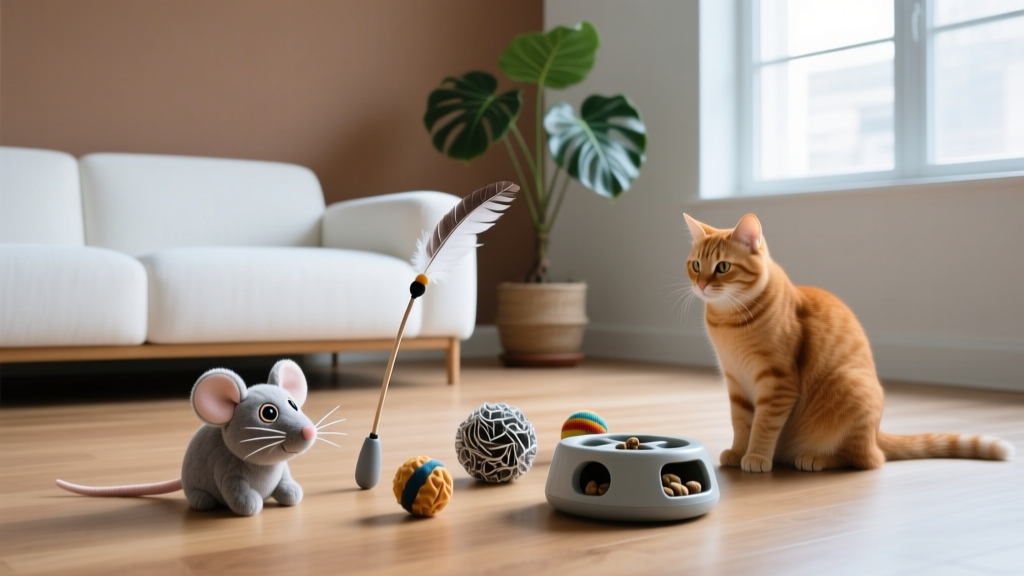
Play isn’t frivolous—it’s neurological wiring. Kittens who don’t practice stalking, pouncing, and chasing before 16 weeks develop poor impulse control and redirected aggression later. Dedicate 15 minutes, 3x daily, to interactive play using feather wands or laser pointers (always end with a tangible ‘kill’—like a treat or plush toy—to prevent frustration).
Litter Training, Environment & Safety: Setting Up for Success (Not Setbacks)
Three-month-olds are physically capable of full litter box mastery—but setbacks happen for specific, fixable reasons. First, rule out medical causes: urinary tract infections (UTIs) cause frequent squatting, straining, or urinating outside the box. If your kitten vocalizes while eliminating, licks genitals excessively, or produces cloudy urine, see a vet within 24 hours.
Environmentally, ensure these non-negotiables:
- One box per cat + one extra (so 2 boxes for a single kitten)—placed in quiet, low-traffic areas.
- Uncovered, shallow-sided boxes (kittens can’t climb high walls yet).
- Clay or unscented clumping litter only—avoid crystals (can irritate paws) or scented varieties (overwhelm sensitive olfactory systems).
Stress is the #1 behavioral cause of accidents. Moving, new pets, loud noises, or inconsistent routines trigger anxiety-related marking. Mitigate with Feliway diffusers (clinically shown to reduce stress-related elimination by 64% in multi-cat households) and consistent feeding/play/bedtime schedules.
Safety-proofing is urgent: 3-month-olds are agile climbers but lack judgment. Secure blind cords (a top cause of kitten strangulation), cover electrical outlets, remove toxic plants (lilies, pothos, philodendron), and block access to laundry rooms (dryer traps) and garages (antifreeze exposure).
| Milestone Age | Key Action | Why It Matters | Vet Involvement? |
|---|---|---|---|
| 12 weeks (3 months) | Second FVRCP booster + first rabies vaccine (if required by law) | Closes immunity gaps against panleukopenia and rabies; rabies is legally mandated in most U.S. states for all cats | Required — schedule appointment 1–2 weeks in advance |
| 12–13 weeks | Third round of broad-spectrum deworming | Eliminates adult-stage roundworms and hookworms that matured since last treatment | Recommended — bring fresh stool sample |
| 12–14 weeks | Begin supervised outdoor exploration (leash/harness) OR introduce catios | Builds confidence safely; satisfies natural curiosity without road or predator risks | Optional — discuss harness fit with vet |
| 13–14 weeks | Spay/neuter consultation (early-age neutering is safe and recommended) | Prevents unwanted litters and reduces roaming/fighting; modern protocols show no long-term joint or behavioral harm | Required — many vets perform at 14–16 weeks |
| 14–16 weeks | Final FVRCP booster + FeLV test (if outdoor access or multi-cat household) | Confirms full immunity; FeLV testing is critical before introducing to other cats | Required — includes blood draw |
Frequently Asked Questions
Can I bathe my 3-month-old kitten?
No—bathing is rarely necessary and highly stressful. Kittens groom themselves effectively, and water immersion lowers body temperature rapidly, risking hypothermia. If soiled (e.g., with feces or sticky substances), spot-clean with a damp microfiber cloth and warm water. Only use kitten-safe shampoo if directed by your vet for medical reasons (e.g., ringworm treatment).
My kitten sleeps 18–20 hours a day—is that normal?
Yes—and essential. Kittens expend enormous energy on brain development, immune maturation, and muscle growth. Sleep cycles include REM phases critical for memory consolidation. However, if sleep is accompanied by lethargy (no interest in play, weak meows, cool ears/paws), consult your vet immediately—it could signal infection or anemia.
Should I adopt a second kitten for companionship?
Strongly recommended—if you’re home less than 6 hours daily. Kittens raised solo often develop separation anxiety, destructive chewing, or inappropriate suckling behaviors. Two kittens provide mutual socialization, burn off excess energy, and reduce boredom-induced mischief. But avoid pairing a 3-month-old with a senior cat—they’ll likely overwhelm the elder pet.
What’s the best way to trim my kitten’s nails?
Start early and keep it positive: handle paws daily while giving treats. Use sharp, kitten-specific clippers (human clippers crush nails). Only trim the clear, tapered tip—avoid the pink ‘quick’ (blood vessel). If you nick the quick, apply styptic powder (not cornstarch or flour). Trim weekly: overgrown nails snag carpets, cause painful ingrown claws, and hinder proper gait development.
Is it okay to let my kitten sleep in my bed?
It’s safe after deworming/vaccination completion—but establish boundaries early. Kittens who sleep in beds often develop territorial guarding or nighttime vocalization. If you allow it, place a washable, textured blanket (not your sheets) as their designated spot, and never let them knead bare skin—tiny claws cause micro-tears that invite infection.
Common Myths About 3-Month-Old Kittens
Myth 1: “They’re too young for training.”
False. Positive reinforcement works brilliantly at this age. Clicker training for recall, target-touching, and ‘leave it’ commands build cognitive flexibility and strengthen human-kitten bonds. Dr. Kristyn Vitale, animal behavior researcher at Oregon State University, found kittens trained with clickers showed 40% faster problem-solving skills by 6 months.
Myth 2: “If they’re eating well and playful, they’re definitely healthy.”
Incorrect. Kittens mask illness masterfully—a common survival instinct. Weight loss as small as 10% (e.g., 100g in a 1kg kitten) signals serious concern. Other subtle red flags: third eyelid protrusion, gum pallor, rapid breathing at rest (>30 breaths/minute), or failure to gain 0.5–1 oz (15–30g) daily. When in doubt, weigh weekly on a digital kitchen scale.
Related Topics (Internal Link Suggestions)
- Kitten Vaccination Schedule Timeline — suggested anchor text: "kitten vaccination schedule by week"
- Best Wet Food for Kittens Under 6 Months — suggested anchor text: "top vet-recommended kitten wet food"
- How to Introduce a Kitten to Dogs Safely — suggested anchor text: "introducing kitten to dog step by step"
- Signs of Worms in Kittens — suggested anchor text: "kitten worm symptoms you can’t ignore"
- When to Spay a Kitten: Age, Risks & Benefits — suggested anchor text: "best age to spay a kitten"
Your Next Step Starts Today—Not Tomorrow
You now hold evidence-based, time-sensitive guidance for caring for your 3-month-old kitten—the exact window where proactive choices yield lifelong dividends in health, behavior, and bond strength. Don’t wait for ‘next week’ or ‘when things settle down.’ Book that vet appointment for boosters and stool testing within 48 hours. Weigh your kitten today and log it. Introduce one new person or object using the socialization method above before bedtime. Small, immediate actions compound into profound outcomes. And remember: you’re not just raising a pet—you’re nurturing a sentient being whose capacity for trust, joy, and resilience is being wired right now. Start here. Start now.