Cat Cystitis: Stress-Induced Bladder Inflammation
1. Introduction: Why Cat Cystitis Matters
If you’ve ever seen your cat strain in the litter box, cry while urinating, or start peeing outside the box, it can be upsetting—and confusing. Many cat owners immediately worry about a urinary tract infection, but in cats, bladder trouble is often tied to inflammation rather than infection. One of the most common culprits is cat cystitis, especially the stress-related type called feline idiopathic cystitis (FIC).
This topic matters because cystitis can be painful, recurrent, and disruptive to your cat’s wellbeing. It can also look similar to a life-threatening urinary blockage (especially in male cats). Understanding what cystitis is, what triggers it, and how it’s treated can help you act quickly and reduce the chance of repeat episodes.
2. Overview: What Is Cat Cystitis (and Stress-Induced FIC)?
Cystitis means inflammation of the urinary bladder. In cats, bladder inflammation can happen for several reasons, including:
- Feline idiopathic cystitis (FIC) (the most common in many adult cats)
- Urinary stones (uroliths)
- Crystals and mucus plugs
- Bacterial infection (less common in younger cats, more likely in seniors or cats with other illnesses)
- Rare causes like tumors or anatomical problems
Stress-induced cystitis typically refers to FIC. “Idiopathic” means no single cause is identified. That doesn’t mean “mystery illness” with no solution—it means the inflammation is driven by a combination of factors, often involving:
- Stress and environmental changes
- Altered bladder lining protection (the bladder wall may be more easily irritated)
- Nervous system and stress hormone responses that can amplify pain and inflammation
Think of FIC as a bladder that becomes overly reactive. When stress levels rise or routine changes, the bladder can become inflamed, leading to painful urinary signs—even when no bacteria are present.
3. Symptoms and Warning Signs to Watch For
Cystitis symptoms can range from mild to severe. Cats often try to hide pain, so subtle clues matter. Watch for:
- Frequent trips to the litter box with small amounts of urine
- Straining to urinate or prolonged squatting
- Crying/meowing while urinating
- Blood in the urine (pink, red, or rusty tint)
- Urinating outside the litter box (often on cool surfaces like tubs, tile, or sinks)
- Excessive licking of the genital area
- Strong-smelling urine (not always present)
- Reduced appetite, hiding, irritability (signs of discomfort)
Very important: These signs can look identical whether the problem is inflammation, stones, or a blockage. If your cat is straining and producing little or no urine, treat it as urgent until a veterinarian says otherwise.
4. Causes and Risk Factors
Stress-induced cystitis (FIC) is usually triggered by a combination of internal sensitivity and external stressors. Common risk factors include:
Cat and Lifestyle Factors
- Indoor-only lifestyle with limited enrichment
- Multi-cat households (especially if resources are shared or there is tension)
- Overweight or sedentary cats
- Low water intake, especially cats eating only dry food
- Middle-aged cats are commonly affected (but any age can be impacted)
Stress Triggers (Often Overlooked)
- Moving homes, remodeling, guests, loud noises
- New baby, new pet, or changes in household schedule
- Conflict with another cat (even subtle staring/blocking)
- Litter box changes (location, type of litter, box style)
- Outdoor cats seen through windows (territorial stress)
- Boredom, lack of play, lack of safe hiding places
Other Medical Causes That Can Mimic or Contribute
- Bladder stones (can irritate the bladder lining)
- UTIs (more common in older cats, cats with diabetes or kidney disease)
- Constipation (can increase litter box discomfort and urinary straining)
5. Diagnosis: What to Expect at the Vet
Because urinary signs look similar across several conditions, your veterinarian’s goal is to identify (or rule out) dangerous or treatable causes like blockage, stones, and infection.
Common Veterinary Tests
- Physical exam (including bladder size and pain assessment)
- Urinalysis to look for blood, crystals, urine concentration, and inflammation
- Urine culture to confirm or rule out bacterial infection (especially important in older cats)
- X-rays to check for certain types of bladder stones
- Ultrasound to assess the bladder wall, look for stones not visible on X-ray, and check kidneys
- Bloodwork if your cat is unwell, older, or there’s concern for kidney issues or dehydration
If your cat is male and straining, the vet will also evaluate for urethral obstruction. A blocked cat may require immediate stabilization and catheterization.
6. Treatment Options (Medical, Surgical, and Home Care)
Treatment depends on the underlying cause. For stress-induced cystitis (FIC), the focus is pain control, reducing inflammation, and preventing recurrences by addressing stress and hydration.
Medical Treatment
- Pain relief: This is a cornerstone of treatment. Your vet may prescribe pain medication appropriate for cats (never give human pain meds).
- Anti-spasm or urethral relaxant medications: Sometimes used to reduce straining and discomfort, especially in male cats.
- Fluid support: Encouraging water intake at home or giving fluids at the clinic may help dilute urine and soothe the bladder.
- Antibiotics: Only when a bacterial infection is confirmed or strongly suspected. Many cats with cystitis do not need antibiotics.
- Prescription urinary diets: If crystals or stones are present, your vet may recommend a diet formulated to alter urine pH and reduce recurrence.
Surgical/Procedural Treatment
- Urinary catheterization: Needed for urethral obstruction (emergency).
- Stone removal: Some stones require surgery or specialized procedures; others can be dissolved with diet.
- Perineal urethrostomy (PU surgery): In certain male cats with repeated obstructions, a PU may be considered. This is not a “cure” for FIC, but it can reduce life-threatening blockages.
Home Care You Can Start Right Away (Vet Guidance Still Needed)
These supportive steps can help many cats feel better and reduce flare-ups:
- Boost hydration:
- Switch to or add canned/wet food (often the single most helpful change)
- Add a little water or low-sodium broth (vet-approved) to meals
- Offer multiple water stations and consider a cat water fountain
- Optimize the litter box setup:
- Follow the “n+1 rule”: one box per cat, plus one extra
- Keep boxes in quiet, accessible locations
- Scoop daily; fully clean regularly
- Many cats prefer unscented, clumping litter and a roomy box
- Reduce stress:
- Create predictable routines for feeding and play
- Provide hiding spaces, vertical perches, and scratching posts
- Use slow introductions for new pets and manage inter-cat conflict
- Ask your vet about pheromone diffusers or calming supplements
If your cat is currently showing urinary signs, schedule a veterinary visit promptly. Home care is supportive, but diagnosis is essential to rule out blockage and stones.
7. Prevention Strategies and Early Detection Tips
Many cats with FIC can live comfortably with the right prevention plan. Practical steps include:
- Increase moisture in the diet (wet food, measured water add-ins)
- Maintain a healthy weight with portion control and daily play
- Enrichment “daily minimums”:
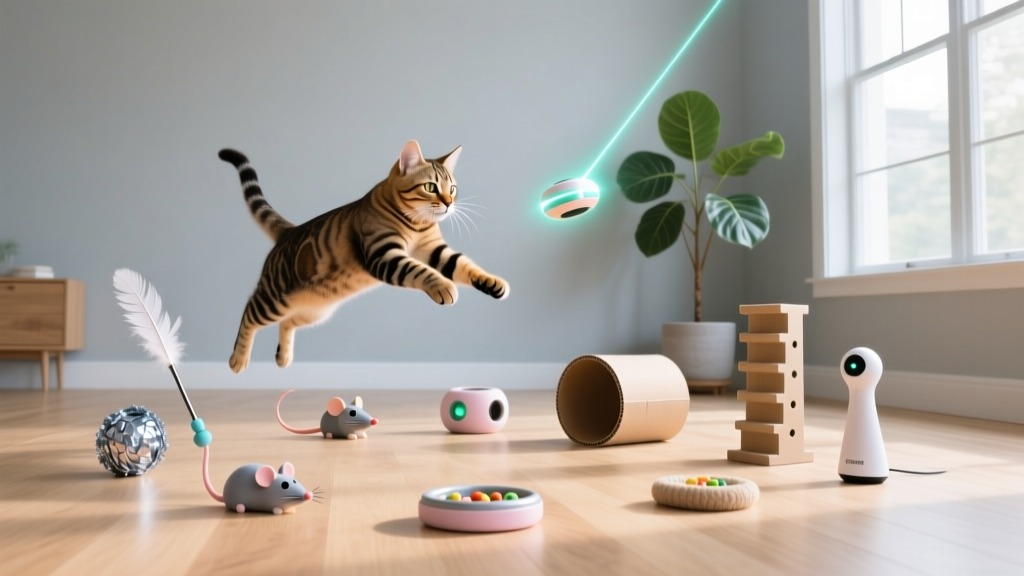
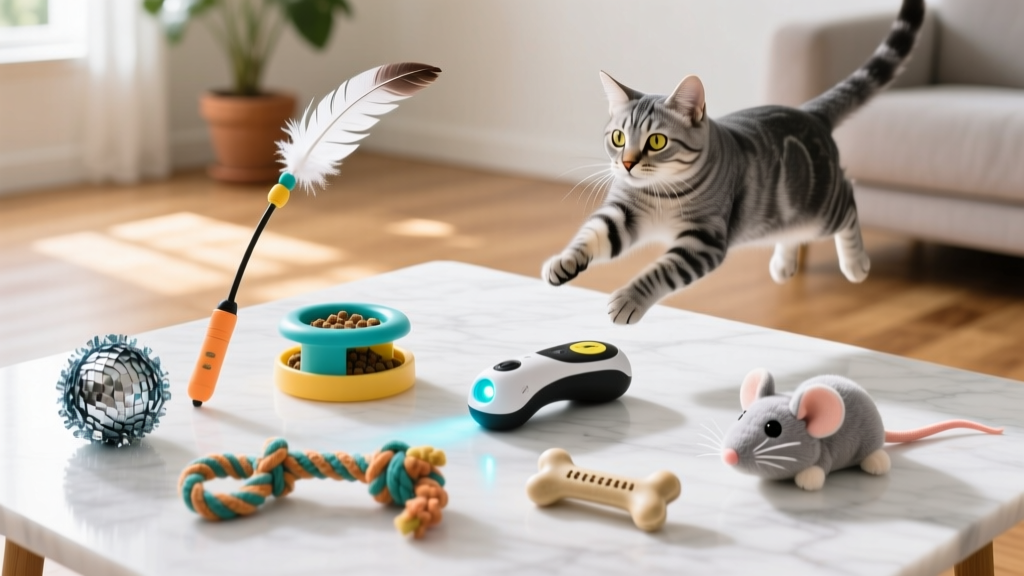
- Two to three short interactive play sessions daily (5–10 minutes each)
- Food puzzles or hunting-style feeding
- Window perches and safe solo activities
- Multi-cat harmony:
- Separate resources (food, water, beds, litter boxes) across different areas
- Watch for subtle bullying: blocking hallways, staring, chasing, or guarding boxes
- Track litter box habits: Notice changes in frequency, clumps, or location. Catching a flare early often shortens recovery time.
- Regular vet checkups: Especially for senior cats, who are more prone to true infections and other medical issues.
8. Prognosis and Quality of Life
The reassuring news: most cats with stress-induced cystitis improve, and many go long periods without flare-ups once triggers are managed. Episodes often wax and wane. Some cats have occasional flares during stressful events, while others need a more structured prevention plan.
Quality of life usually stays good when:
- Pain is treated quickly during flare-ups
- Hydration is improved long-term
- Environmental stressors are reduced
- Underlying issues (stones, infections, constipation) are addressed
If your cat has frequent recurrences, your veterinarian may recommend a tailored plan including prescription diets, behavioral support, environmental modifications, and periodic rechecks.
9. When to Seek Emergency Veterinary Care
Some urinary problems become emergencies quickly. Go to an emergency vet or urgent clinic right away if you notice:
- Straining with little or no urine produced
- Repeated trips to the litter box with no output
- Crying in pain or extreme restlessness
- Vomiting, severe lethargy, collapse, or weakness
- A firm, enlarged abdomen or signs your cat cannot get comfortable
A urinary blockage is most common in male cats and can become life-threatening in a short time. If you’re unsure whether your cat is producing urine, it’s safest to have them examined immediately.
10. FAQ: Common Questions from Cat Owners
Is cat cystitis the same as a urinary tract infection (UTI)?
No. Cats can get UTIs, but many cats with urinary symptoms have inflammation without infection, especially in stress-induced FIC. That’s why urinalysis and sometimes a urine culture are so helpful—treatment differs.
Can stress really cause blood in my cat’s urine?
Yes. Stress-induced cystitis can inflame the bladder lining enough to cause blood and pain. It’s still important to see your veterinarian because stones, infection, and other issues can look the same.
Should I give my cat antibiotics “just in case”?
Only give antibiotics if your veterinarian prescribes them. Unnecessary antibiotics can cause side effects and contribute to resistance. Many cystitis cases in otherwise healthy adult cats are not bacterial.
Does wet food really help with cystitis?
For many cats, yes. Increasing water intake helps dilute urine and may reduce bladder irritation. Wet food is a practical way to increase moisture, and it’s often recommended as part of an FIC prevention plan.
My cat peed outside the litter box—are they being spiteful?
Cats don’t typically urinate outside the box out of spite. With cystitis, cats may associate the box with pain and choose another location. A vet check is the first step, followed by making the litter box setup as comfortable and accessible as possible.
How long does a cystitis flare-up last?
Some cats improve within a few days, while others take longer. Pain control, hydration support, and reducing stress can speed recovery. If signs persist, worsen, or keep returning, your veterinarian may recommend additional testing and a longer-term management plan.
If your cat is showing urinary signs, schedule a veterinary visit as soon as you can—prompt care prevents complications and gets your cat comfortable faster. For more caring, practical cat health guidance, visit catloversbase.com and explore our growing library of feline wellness resources.