Feline Nanophyetus: Salmon Poisoning Disease Vector
1) Why this topic matters to cat owners
If you share your home with a cat who loves to “sample” table scraps, sneak into the trash, or hunt near creeks and rivers, parasites and food-borne infections are more than a theoretical risk. One of the most serious salmon-related threats for pets in certain regions is linked to a tiny intestinal fluke called Nanophyetus salmincola.
On its own, this fluke often causes mild or even unnoticed digestive upset. The bigger concern is what it can carry: a bacterium (Neorickettsia helminthoeca) that can trigger salmon poisoning disease (SPD) in dogs and, far less commonly, in other species. Cats are not the classic SPD patient, but they can still become infected with Nanophyetus and may develop gastrointestinal illness. For cat owners, the practical takeaway is simple: raw or undercooked salmon and trout can be risky, and prompt veterinary care for vomiting/diarrhea after fish exposure can prevent complications.
2) Overview: what is Nanophyetus, and how does it relate to salmon poisoning disease?
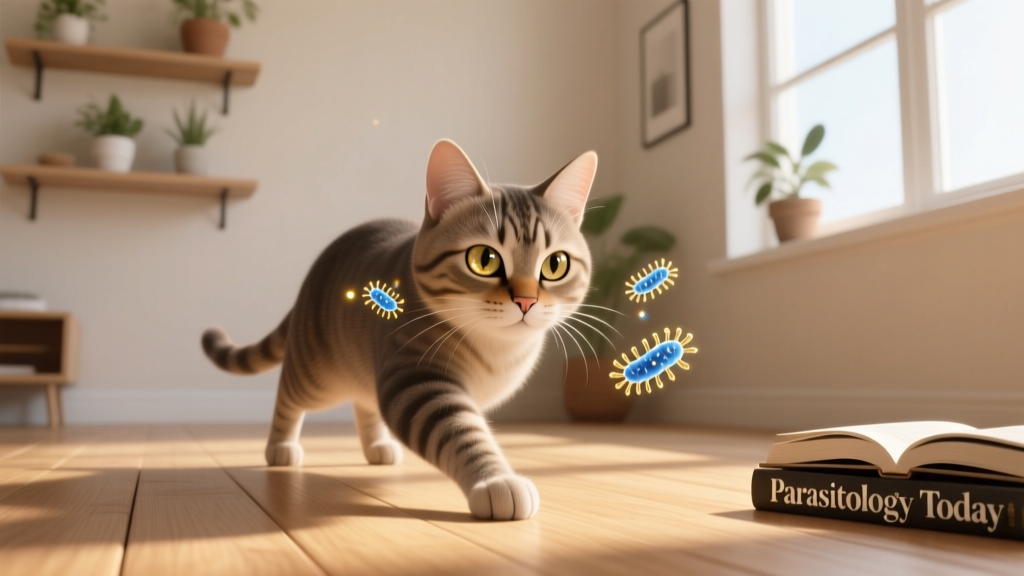
Nanophyetus salmincola is a microscopic parasitic fluke (a type of trematode) that lives in the intestines of fish-eating animals. Its life cycle typically involves:
- Freshwater snails (first intermediate host)
- Fish such as salmon, trout, and other species (second intermediate host)
- Mammals or birds that eat infected fish (definitive host)
Cats can become infected when they eat raw or undercooked fish containing the fluke’s immature stages. Once inside the cat, the flukes mature in the intestinal tract and begin producing eggs that pass in stool.
Salmon poisoning disease is not caused directly by the fluke itself. Instead, the fluke can act as a vector (carrier) for the bacterium Neorickettsia helminthoeca. When a pet consumes fish infected with Nanophyetus carrying this bacterium, the pet may develop systemic illness.
Key point for cat owners: SPD is most well-documented in dogs and is considered rare in cats. Even so, cats can still get sick from eating raw fish—whether from flukes, bacteria, or other parasites—so prevention and early veterinary guidance matter.
3) Symptoms and warning signs to watch for
Signs can range from mild digestive upset to more significant illness, depending on what the cat is exposed to (fluke alone vs. fluke plus bacterial infection, plus other possible fish-borne pathogens).
Common signs that warrant a call to your veterinarian
- Vomiting (especially repeated episodes or inability to keep water down)
- Diarrhea (watery, frequent, or with mucus)
- Reduced appetite or refusing food
- Lethargy or hiding more than usual
- Weight loss (over days to weeks)
- Dehydration (tacky gums, sunken eyes, weak or “tired” appearance)
More serious warning signs
- Fever (may show as warm ears/paws, panting, or profound lethargy; a thermometer is needed to confirm)
- Abdominal discomfort (hunched posture, sensitivity when picked up, reluctance to move)
- Blood in stool or black, tarry stool
- Rapid decline over 24–48 hours
If your cat becomes ill after eating raw fish, treat it as a time-sensitive concern and contact your veterinarian the same day.
4) Causes and risk factors
Primary cause
- Eating raw or undercooked fish (especially salmonid fish such as salmon and trout) that contains Nanophyetus larvae
Risk factors that increase exposure
- Outdoor access near streams, rivers, or coastal areas where salmon run
- Hunting/scavenging behavior (cats that catch fish or raid fish remains)
- Raw-feeding or offering raw fish treats
- Access to fishing bait, fish carcasses, or compost bins
- Geography: Nanophyetus is most associated with the Pacific Northwest of North America (and other regions where the snail/fish hosts exist)
Why cooked fish is different
Proper cooking kills flukes and most bacteria. Problems are most often linked to raw, lightly cured, cold-smoked, or undercooked fish. Freezing may reduce risk for some parasites, but it is not a guarantee for all pathogens and doesn’t make spoiled fish safe.
5) Diagnosis: what to expect at the vet
Your veterinarian’s goal is to figure out what’s making your cat sick and to stabilize them if dehydration or systemic illness is present. Be ready to share:
- When symptoms started
- Whether your cat ate raw/undercooked fish (type of fish, amount, and timing)
- Any outdoor access and possible scavenging
- Vomiting/diarrhea frequency and appearance
- Any medications or supplements your cat is on
Common diagnostic steps
- Physical exam (hydration status, abdominal palpation, temperature, gum color)
- Fecal testing:
- Fecal flotation/sedimentation to look for parasite eggs (fluke eggs can be small and may require specific methods)
- Additional fecal tests to rule out other parasites
- Bloodwork (CBC/chemistry) to assess dehydration, inflammation/infection, organ function, and electrolyte imbalances
- Urinalysis if dehydration or kidney involvement is a concern
- Imaging (x-rays or ultrasound) if abdominal pain, obstruction concerns, or severe GI signs are present
If salmon poisoning disease is suspected based on exposure history and symptoms, your veterinarian may recommend specific testing and/or start treatment promptly rather than waiting for confirmatory results, because early therapy can be life-saving in dogs and is still the safest approach when suspicion is high.
6) Treatment options (medical, surgical, and home care)
Treatment depends on what your veterinarian finds. Many cats with mild GI upset improve quickly with supportive care, while cats that are dehydrated or systemically ill need more intensive treatment.
Medical treatment
- Antiparasitic medication to eliminate flukes (your veterinarian will choose an appropriate dewormer and dosing schedule)
- Antibiotics if a bacterial component is suspected (especially if SPD-like illness is a concern)
- Anti-nausea medication to control vomiting and help your cat start eating again
- GI protectants when indicated to soothe the stomach/intestines
- Fluids:
- Subcutaneous fluids for mild dehydration
- IV fluids for moderate to severe dehydration, weakness, or electrolyte imbalance
Surgical treatment
Surgery is not a typical treatment for Nanophyetus infection itself. It may be considered only if diagnostics suggest another urgent issue (for example, a foreign body obstruction) that happens to coincide with the timing of fish exposure.
Home care (only under veterinary guidance)
- Follow medication directions exactly and finish all prescribed courses
- Feed a bland or GI-support diet if recommended (never start a restrictive diet without your vet’s input, especially for kittens, seniors, or cats with chronic disease)
- Encourage hydration:
- Offer multiple water stations
- Use a fountain if your cat prefers running water
- Ask your vet whether adding water to canned food is appropriate
- Monitor the litter box for stool frequency, blood, or straining
- Keep your cat indoors while recovering to reduce exposure and allow accurate monitoring
Do not give over-the-counter anti-diarrheals, pain relievers, or “leftover antibiotics.” Many human medications are dangerous for cats, and delaying proper care can worsen dehydration quickly.
7) Prevention strategies and early detection tips
Most prevention is straightforward and can be implemented immediately at home.
Practical prevention steps
- Do not feed raw or undercooked salmon/trout (or raw fish of unknown safety)
- Cook fish thoroughly before offering small portions as a treat
- Secure trash cans and block access to fish scraps, skins, and bones
- Supervise outdoor time or keep cats indoors, especially near waterways during fishing seasons or salmon runs
- Prevent scavenging: dispose of fish carcasses and bait safely
- Use veterinarian-recommended parasite prevention and schedule routine fecal checks as advised for your cat’s lifestyle
Early detection tips
- After any suspected fish exposure, watch for vomiting/diarrhea over the next 1–7 days
- Weigh your cat weekly if they are prone to GI issues or have outdoor access
- Know your cat’s baseline appetite and energy so subtle changes stand out
- Call your veterinarian early—waiting for “one more day” can allow dehydration to set in
8) Prognosis and quality of life considerations
For cats with mild intestinal fluke infection, the prognosis is generally good with appropriate veterinary treatment. When significant vomiting/diarrhea leads to dehydration, recovery still tends to be very good if fluids and medications are started promptly.
If a cat develops a more systemic illness pattern (high fever, profound lethargy, refusal to eat, dehydration), the prognosis depends on how quickly treatment begins and whether other conditions are present (such as pancreatitis, underlying kidney disease, or concurrent infections). Early veterinary intervention supports a faster return to normal appetite, hydration, and energy.
Quality of life usually rebounds quickly once nausea is controlled and hydration is restored. Many cats feel noticeably better within 24–72 hours of effective supportive care, though full GI recovery may take a bit longer.
9) When to seek emergency veterinary care
Go to an emergency vet clinic (or contact your veterinarian urgently) if you notice any of the following:
- Repeated vomiting or vomiting plus inability to keep water down
- Severe lethargy, collapse, or extreme weakness
- Signs of dehydration (sticky gums, very tired, not urinating normally)
- Blood in vomit or stool, or black/tarry stool
- Fever with significant malaise
- Kittens, seniors, or cats with chronic illness showing any GI signs after fish exposure (these cats can worsen faster)
- Known ingestion of raw salmon/trout followed by vomiting/diarrhea—especially within a few days
10) FAQ: common questions from cat owners
Can cats get salmon poisoning disease?
Salmon poisoning disease is classically diagnosed in dogs and is considered rare in cats. Cats can still become infected with Nanophyetus by eating raw fish and can develop gastrointestinal illness. Because raw fish exposure can cause serious illness from multiple causes (parasites, bacteria, toxins, spoilage), it’s wise to contact your veterinarian promptly if your cat becomes sick after eating it.
Is it safe to give my cat raw salmon as a treat?
It’s not recommended. Raw salmon can expose cats to parasites (including flukes), bacteria, and other pathogens. If you want to offer fish, choose fully cooked fish in small amounts, with no bones, seasoning, onion/garlic, or oily sauces. Your veterinarian can help you decide what fits your cat’s diet and health needs.
What if my cat just licked or tasted a small amount?
A tiny lick may not cause illness, but you should still watch closely for vomiting, diarrhea, reduced appetite, or lethargy over the next several days. If any signs appear, call your veterinarian and mention the fish exposure. When cats do get sick, early care is simpler and safer than waiting.
How is Nanophyetus diagnosed?
Veterinarians often start with a history (raw fish exposure) and a physical exam, then use fecal testing to look for parasite evidence and bloodwork to assess dehydration and systemic effects. Because fluke eggs can be tricky to detect and cats may have more than one issue going on, your vet may recommend multiple tests or treat based on strong suspicion.
Will my other pets be at risk if one cat was exposed?
Other pets are most at risk if they also have access to raw/undercooked fish or fish scraps. The parasite’s life cycle requires specific hosts (snails and fish), so it doesn’t spread directly from cat to cat like a cold. Still, shared environmental risks (trash, outdoor access near waterways, fish remains) can expose multiple pets, so prevention should be household-wide.
What’s the fastest way to protect my cat starting today?
- Stop offering raw fish and secure any fish scraps
- Prevent scavenging (indoors is safest; supervise outdoor time)
- Schedule a vet visit if your cat has had recent raw fish exposure, especially if any GI signs appear
- Keep routine wellness exams and ask your vet about fecal testing frequency for your cat’s lifestyle
If you’re worried your cat may have eaten raw salmon or trout, or you’re seeing vomiting, diarrhea, or lethargy, contact your veterinarian for personalized guidance. For more cat health and wellness resources you can use year-round, visit catloversbase.com.