Feline Parathyroid Adenoma: Calcium Regulation Tumor
1) Why This Topic Matters to Cat Owners
Your cat’s body works hard to keep certain minerals in a safe, narrow range—especially calcium. Calcium isn’t just “bone stuff.” It’s essential for normal muscle movement, nerve function, blood clotting, and heart rhythm. When calcium rises too high, cats can become weak, nauseated, dehydrated, or even develop kidney complications.
A parathyroid adenoma is a usually benign (non-cancerous) tumor that can disrupt calcium regulation and quietly cause health issues long before the problem is obvious. The reassuring news: when caught early, many cats do very well with treatment and monitoring. Knowing what to watch for helps you advocate for your cat and seek care before complications build.
2) Overview: What Is a Parathyroid Adenoma?
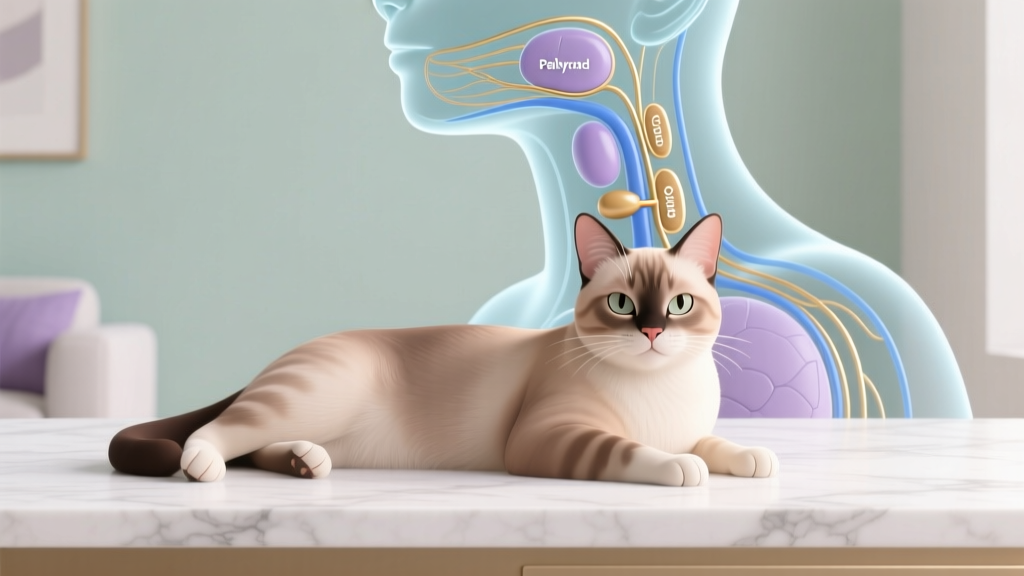
Cats have four tiny parathyroid glands near (or sometimes within) the thyroid glands in the neck. These glands produce parathyroid hormone (PTH), a key controller of calcium balance. PTH tells the body to:
- Release calcium from bones (when the blood level is low)
- Conserve calcium in the kidneys (so less is lost in urine)
- Increase vitamin D activation, which boosts calcium absorption from the intestines
A parathyroid adenoma occurs when one parathyroid gland develops a small growth that produces too much PTH on its own. This is called primary hyperparathyroidism. Too much PTH typically leads to high blood calcium (hypercalcemia).
How hypercalcemia affects the body (plain language): high calcium makes it harder for cells to function normally. The kidneys are especially sensitive—cats may drink and urinate more, become dehydrated, and over time may develop kidney strain or mineral buildup. Muscles and nerves may not work as smoothly, and the digestive tract can become upset.
Is it cancer? Most parathyroid tumors in cats are benign adenomas. Rarely, a malignant tumor (parathyroid carcinoma) can occur. Your veterinarian will focus first on stabilizing your cat and confirming the cause of the elevated calcium.
3) Symptoms and Warning Signs to Watch For
One tricky aspect of parathyroid adenomas is that signs can start subtly. Some cats are diagnosed after routine bloodwork shows high calcium before any clear symptoms appear.
Common signs of hypercalcemia in cats include:
- Increased thirst and urination (bigger clumps in the litter box, more visits)
- Decreased appetite or picky eating that’s new for your cat
- Weight loss
- Lethargy, less interest in play, sleeping more than usual
- Vomiting and/or constipation
- Weakness, reluctance to jump, seeming “wobbly”
- Dehydration (tacky gums, reduced grooming, dull coat)
Less common but important warning signs:
- Urinary tract issues (straining, frequent trips, discomfort) if mineral changes contribute to crystals or stones
- Behavior changes (hiding more, seeming uncomfortable)
Practical at-home tip: If you’re unsure whether thirst and urination have increased, take a 7-day “litter box and water log.” Note the number of urine clumps daily and how often you refill the water bowl or fountain. Bring that information to your vet—it’s genuinely helpful.
4) Causes and Risk Factors
The direct cause is usually a spontaneous benign growth in one parathyroid gland. In many cats, we never identify a clear trigger.
Risk factors and related considerations:
- Age: Middle-aged to older cats are more commonly affected.
- Incidental detection: Cats who get routine senior wellness bloodwork are more likely to be diagnosed early.
- Other causes of high calcium: Not every hypercalcemic cat has a parathyroid tumor. Chronic kidney disease, certain cancers (like lymphoma), vitamin D toxicity, granulomatous disease, and idiopathic hypercalcemia can also elevate calcium.
Why this matters: The “risk factor” most relevant to you as an owner is making sure hypercalcemia is investigated thoroughly—because treatment depends on the cause.
5) Diagnosis: What to Expect at the Vet
If your vet suspects a parathyroid problem, expect step-by-step testing. The goal is to confirm true hypercalcemia, assess organ impact (especially kidneys), and determine whether PTH is inappropriately high.
Common diagnostic steps:
- Physical exam and history: Appetite, weight trends, thirst/urination, vomiting, constipation, activity changes.
- Bloodwork:
- Total calcium and ideally ionized calcium (the most biologically active form)
- Kidney values (BUN, creatinine) and phosphorus
- Electrolytes and overall health screening
- Urinalysis: Looks for dehydration, urinary infection, crystals, and how well the kidneys are concentrating urine.
- PTH testing: A key test. In primary hyperparathyroidism, PTH may be high or “normal but inappropriate” given the high calcium (normally PTH should be low when calcium is high).
- PTH-related peptide (PTHrP): May be checked if cancer is a concern, as some tumors produce PTHrP and raise calcium.
- Imaging:
- Neck ultrasound to look for an enlarged parathyroid gland
- Abdominal ultrasound or X-rays if searching for other causes (masses, organ changes, stones)
What owners often worry about: “Will my cat need a biopsy?” Often, the combination of calcium results, PTH testing, and ultrasound is enough to guide treatment. If surgery is done, the removed tissue is typically sent to a lab to confirm the diagnosis.
Immediate action you can take: Bring a list (or photos) of any supplements, chews, human vitamins, rodenticides, or medications your cat could access. Vitamin D exposure is especially important to rule out.
6) Treatment Options (Medical, Surgical, Home Care)
Treatment depends on how high the calcium is, whether your cat is symptomatic, and whether primary hyperparathyroidism is confirmed.
Surgical treatment (most definitive)
Parathyroidectomy—removing the abnormal parathyroid gland—is often considered the best long-term option when a parathyroid adenoma is confirmed. It can be curative.
- Benefits: Removes the source of excessive PTH, often normalizing calcium.
- Key risk to plan for: Low calcium after surgery (hypocalcemia). The remaining parathyroid glands may have been “asleep” due to the tumor’s overproduction and can take time to recover.
- Monitoring: Cats typically need calcium checks after surgery and may need temporary calcium/vitamin D supplementation.
Minimally invasive options (availability varies)
Some specialty centers offer techniques such as ultrasound-guided ablation (for example, alcohol ablation or heat-based ablation) for certain cases. These approaches aim to destroy the abnormal tissue without open surgery. Your vet or a veterinary internal medicine specialist can advise whether your cat is a candidate.
Medical management
Medical therapy may be used:
- To stabilize high calcium before surgery
- If surgery isn’t possible due to other health concerns
- While awaiting specialist evaluation
Medical management may include:
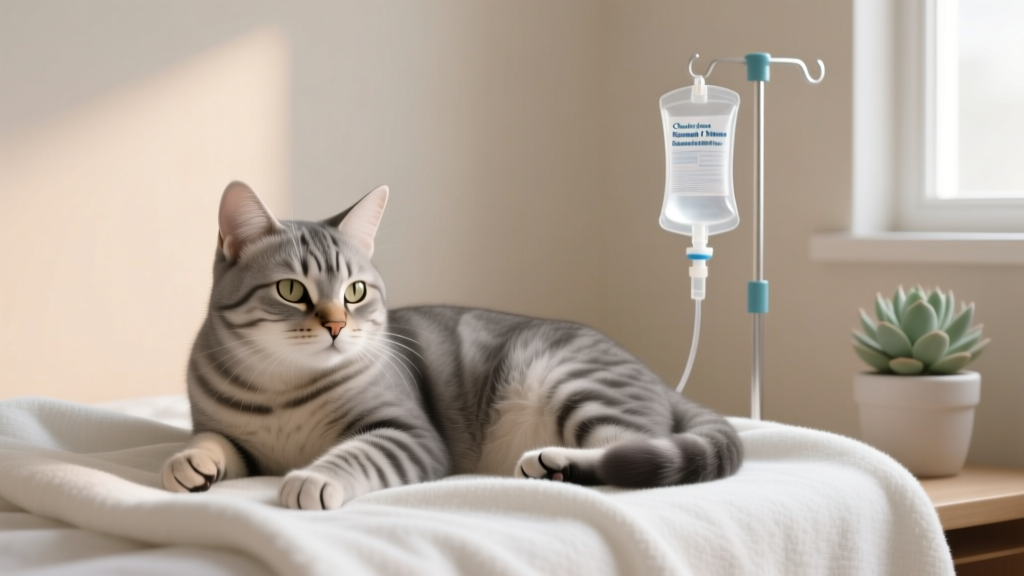
- IV fluids to correct dehydration and help the kidneys flush excess calcium
- Medications that reduce calcium levels (your veterinarian will choose based on your cat’s overall health and kidney function)
- Diet adjustments in select cases (guided by your vet; avoid making major diet changes on your own)
Home care and supportive care
At home, your role is to support hydration, appetite, and observation—while following your vet’s instructions closely.
- Hydration support: Provide multiple water stations, consider a cat fountain, feed canned food if approved by your vet.
- Litter box monitoring: Track urine clumps and stool quality daily.
- Medication routine: Give medications exactly as prescribed; don’t stop suddenly unless directed.
- Follow-up visits: Keep all recheck appointments for calcium and kidney monitoring.
Do not give supplements (especially calcium or vitamin D) unless your veterinarian specifically prescribes them. After treatment, supplementation may be needed temporarily—but only with veterinary guidance and proper dosing.
7) Prevention and Early Detection Tips
You can’t reliably prevent a parathyroid adenoma from forming, but you can greatly improve outcomes with early detection and proactive care.
Actionable strategies:
- Schedule routine wellness bloodwork: Especially for cats over age 7–8. Many cases are found early this way.
- Ask if ionized calcium should be checked when total calcium is high or borderline.
- Track weight monthly: A baby scale or home pet scale can catch subtle weight loss early.
- Watch water intake and litter box output: Increased thirst/urination is often the first clue of mineral or kidney stress.
- Prevent toxin exposure: Keep human vitamins, vitamin D products, and rodenticides locked away.
Early detection tip: If your cat is due for dental cleaning or anesthesia for any reason, ask your vet whether pre-anesthetic labs include calcium. It’s a simple add-on that can catch hidden issues.
8) Prognosis and Quality of Life
For cats with a confirmed parathyroid adenoma, the prognosis is often good—especially when treated before severe kidney strain or other complications occur.
What influences prognosis:
- How high the calcium is and how long it has been elevated
- Kidney function at diagnosis (some cats have concurrent chronic kidney disease)
- Successful treatment and follow-up (including monitoring for low calcium after surgery)
Quality of life: Many cats return to normal routines—eating better, gaining strength, and acting more like themselves—once calcium levels normalize. If long-term medical management is chosen, quality of life can still be very good with proper monitoring and prompt adjustment of therapy.
9) When to Seek Emergency Veterinary Care
Contact an emergency veterinarian right away if your cat has known or suspected hypercalcemia and shows any of the following:
- Severe weakness, collapse, or inability to stand
- Repeated vomiting or inability to keep water down
- Signs of dehydration (very dry/tacky gums, sunken eyes, extreme lethargy)
- Little to no urine output, or painful/strained urination
- Severe constipation with distress
- Confusion, tremors, or seizures (uncommon, but urgent)
If your cat has had parathyroid surgery recently, treat these as urgent as well:
- Facial twitching, tremors, restlessness
- Stiff gait or seeming unusually “jumpy” or uncomfortable
- Sudden loss of appetite or marked lethargy
These can be signs of low calcium, which needs prompt veterinary assessment and treatment.
10) FAQ: Common Questions Cat Owners Ask
1) Is a parathyroid adenoma the same thing as a thyroid tumor?
No. The thyroid and parathyroid glands sit near each other, but they have different jobs. The thyroid regulates metabolism through thyroid hormones. The parathyroid regulates calcium through PTH. Imaging and specific blood tests help your vet tell them apart.
2) My cat’s calcium is high—does that automatically mean a parathyroid tumor?
No. High calcium has several possible causes, including kidney disease, certain cancers, vitamin D toxicity, and idiopathic hypercalcemia. Parathyroid adenoma is one important cause, but diagnosis requires additional testing such as ionized calcium, PTH, and often ultrasound.
3) What’s the difference between total calcium and ionized calcium?
Total calcium includes calcium attached to proteins plus free calcium. Ionized calcium is the free, active form that affects nerves and muscles. Some cats have normal total calcium but high ionized calcium (or vice versa), so your vet may recommend checking ionized calcium for a clearer picture.
4) Can diet fix high calcium from a parathyroid adenoma?
Diet changes alone usually won’t resolve calcium elevation caused by a parathyroid adenoma because the root issue is hormone overproduction. Diet may be part of supportive care, especially if kidney health is also a concern, but it should be guided by your veterinarian.
5) What should I expect after surgery?
Many cats feel better as calcium normalizes, but careful monitoring is essential. Your vet will recheck calcium levels, sometimes multiple times in the first days to weeks. Temporary calcium and/or vitamin D supplementation may be prescribed to prevent or treat low calcium while the remaining parathyroid glands recover.
6) How often will my cat need follow-up testing?
Follow-up depends on treatment choice and your cat’s kidney function. After surgery or ablation, calcium is commonly checked soon after and again over the following weeks. With medical management, periodic bloodwork and urinalysis help ensure calcium stays controlled and kidneys remain supported. Your veterinarian will tailor the schedule to your cat.
Practical next step: If your cat has increased thirst/urination, unexplained vomiting, constipation, weight loss, or low energy—schedule a veterinary visit and ask whether calcium (including ionized calcium) should be evaluated. Early testing can prevent months of silent strain on the kidneys and body.
For more caring, vet-informed cat health guides and wellness tips, visit catloversbase.com.