Feline Portosystemic Shunt: Liver Bypass in Kittens
1. Why This Topic Matters to Cat Owners
Kittens are supposed to be bundles of energy that grow quickly, learn fast, and thrive with good food and routine veterinary care. When a kitten stays unusually small, seems “off,” or has strange episodes after eating, it can leave owners worried and confused. One possible (and often treatable) explanation is a portosystemic shunt (PSS)—sometimes described as a “liver bypass.”
A portosystemic shunt is uncommon in cats, but it’s a condition where early recognition can make a big difference. With the right diagnosis and care plan, many cats can enjoy a comfortable, happy life. This guide explains what’s happening inside your kitten’s body, what signs to watch for, and what to expect at the veterinary clinic.
2. Overview: What Is a Portosystemic Shunt (PSS)?
Your cat’s liver is a hardworking filter and processing center. It helps:
- Detoxify substances absorbed from the intestines
- Process nutrients from food
- Make proteins that support growth and blood clotting
- Support normal brain function by removing toxins like ammonia
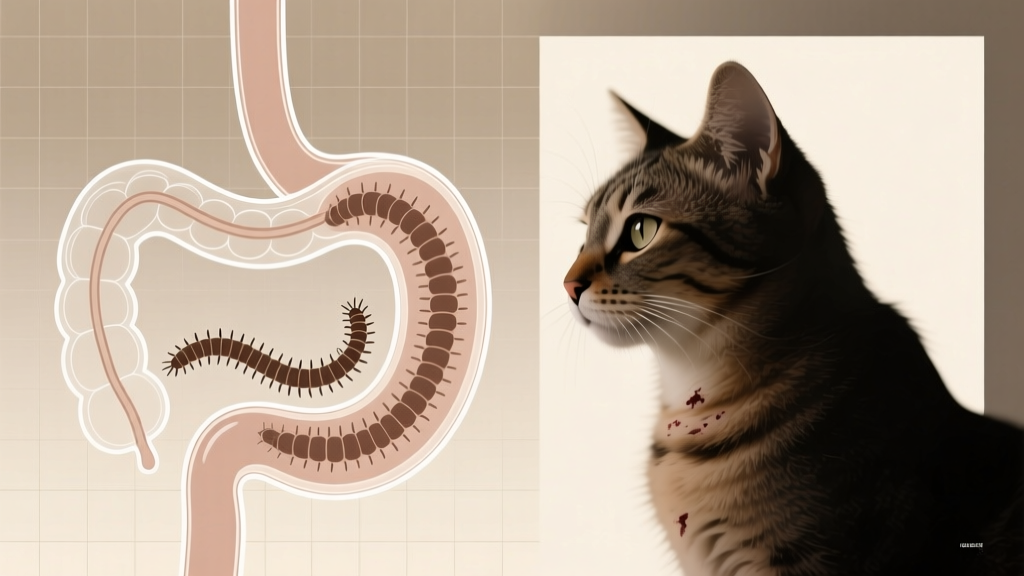
Normally, blood from the stomach and intestines travels through a large vessel called the portal vein into the liver before returning to the heart. This route allows the liver to “clean” the blood and process nutrients properly.
With a portosystemic shunt, an abnormal blood vessel allows blood to bypass the liver and flow directly into the general circulation. That means toxins and byproducts—especially ammonia—can build up in the bloodstream and affect the brain and other organs. This can lead to a set of signs often grouped under hepatic encephalopathy (brain effects from liver-related toxins).
There are two main categories:
- Congenital PSS (present at birth): Most common in kittens. Usually a single abnormal vessel.
- Acquired PSS (develops later): Often multiple small shunts that appear secondary to severe liver disease and high pressure in the portal system.
Many owners first notice problems in young cats, often under a year old, though mild cases can be missed until later.
3. Symptoms and Warning Signs to Watch For
Signs can be subtle at first and may come and go, especially after meals. If you notice any of the following, schedule a veterinary appointment promptly.
Common signs in kittens and young cats
- Slow growth or being smaller than littermates
- Poor weight gain despite eating
- Low energy, sleeping more than expected
- Intermittent vomiting or diarrhea
- Decreased appetite or picky eating
- Drooling or nausea
Neurologic (brain-related) signs that may worsen after eating
- Staring spells or seeming “spaced out”
- Wobbly walking (ataxia), stumbling, or weakness
- Pressing head against walls or furniture
- Circling or disorientation
- Behavior changes (restlessness, unusual vocalizing)
- Seizures in more severe cases
Urinary tract clues
- Frequent urination or accidents outside the litter box
- Blood in urine or straining (possible bladder stones/crystals)
Practical tip: If your kitten seems worse after meals, keep a simple log for 3–7 days: meal times, food type, and any odd behaviors within 1–6 hours after eating. Bring this to your vet—patterns can be helpful.
4. Causes and Risk Factors
In kittens, most portosystemic shunts are congenital, meaning the abnormal vessel formed during development before birth. The exact cause is not always known.
Potential risk factors and associations
- Congenital vascular abnormality (most common in kittens)
- Breed predisposition: PSS can occur in any cat. Some purebred lines may show increased risk, but cats of all backgrounds—including domestic shorthairs—can be affected.
- Underlying liver disease (more relevant to acquired shunts): scarring or chronic liver conditions can contribute to multiple acquired shunts.
A portosystemic shunt is not something you cause by feeding the “wrong” food or missing a supplement. It’s a medical condition that needs veterinary evaluation.
5. Diagnosis: What to Expect at the Vet
Diagnosing PSS typically involves a combination of history, physical exam, lab work, and imaging. Your veterinarian will focus on ruling out other causes of poor growth, GI upset, or neurologic episodes.
Step-by-step common diagnostics
- Physical exam: assessing growth, body condition, hydration, and neurologic status.
- Bloodwork (CBC and chemistry panel): may show changes suggesting reduced liver function or altered metabolism.
- Urinalysis: may reveal urinary crystals and can help assess kidney function and hydration.
- Bile acids test: a key screening test. Your vet measures bile acids before and after a meal to see how effectively the liver is processing them. Elevated results can support suspicion of PSS.
- Blood ammonia or ammonia tolerance testing: sometimes used to evaluate toxin buildup (handled carefully, as testing methods vary by clinic).
Imaging to confirm and map the shunt
- Abdominal ultrasound: may identify a shunt and evaluate liver size/appearance. Accuracy depends on equipment and the sonographer’s experience.
- CT angiography: often considered the best way to locate and plan surgical correction. It provides detailed images of blood vessels.
- Nuclear scintigraphy (at specialty centers): can confirm abnormal blood flow patterns.
What this feels like as an owner: It can be a few visits. Many cats start with screening labs, then move on to advanced imaging if results point toward PSS. If your veterinarian recommends referral to an internal medicine specialist or surgeon, that’s common and often beneficial.
6. Treatment Options (Medical, Surgical, Home Care)
Treatment depends on whether the shunt is congenital vs. acquired, whether it’s a single vessel, and how stable your cat is at diagnosis. Many kittens benefit from both medical stabilization and long-term planning.
Medical management (often started right away)
Medical therapy aims to reduce toxin production/absorption and support liver function. Your veterinarian may recommend:
- Diet therapy: a highly digestible diet with carefully managed protein levels. The goal is adequate nutrition without triggering toxin buildup. Your vet may suggest a prescription hepatic diet or a tailored plan.
- Lactulose: a medication that helps trap ammonia in the gut and promotes its removal. Dose is individualized; too much can cause diarrhea.
- Antibiotics (such as those targeting gut bacteria): reduce ammonia-producing bacteria in the intestines, used as directed by your vet.
- Anti-nausea medications or appetite support if needed
- Management of urinary crystals/stones if present
Some cats can do reasonably well long-term with medical management alone, particularly if surgery isn’t an option. That said, congenital single shunts are often best addressed with surgery when appropriate.
Surgical treatment (for many congenital single shunts)
Surgery aims to redirect blood flow back through the liver by gradually closing the abnormal vessel. Techniques vary, and your surgeon will choose based on shunt type and anatomy. Common approaches include:
- Ameroid constrictor: a device that slowly closes the shunt over time
- Cellophane banding: encourages gradual closure via natural tissue reaction
- Other ligation methods: sometimes partial closure is safest initially to avoid sudden pressure changes
Gradual closure is important because the liver and portal system need time to adjust. Cats are typically stabilized medically before surgery and closely monitored afterward.
Home care: practical steps you can take
- Give medications exactly as prescribed. Don’t adjust lactulose or antibiotics on your own—call your vet if stools become watery or your cat seems dehydrated.
- Feed consistent meals and avoid sudden diet changes unless directed by your veterinarian.
- Prevent access to high-protein treats (jerky, large amounts of meat/fish, dog treats) unless your vet says they’re appropriate.
- Keep your cat indoors during treatment; disorientation episodes can increase risk of injury.
- Track symptoms: appetite, stool quality, vomiting, behavior changes after meals, and litter box habits.
Always consult your veterinarian before adding supplements. Some “liver support” products can interact with medications or be inappropriate for kittens.
7. Prevention Strategies and Early Detection Tips
You can’t prevent most congenital shunts, but you can improve outcomes through early detection and smart monitoring.
Early detection tips
- Schedule kitten wellness visits on time and discuss growth concerns early.
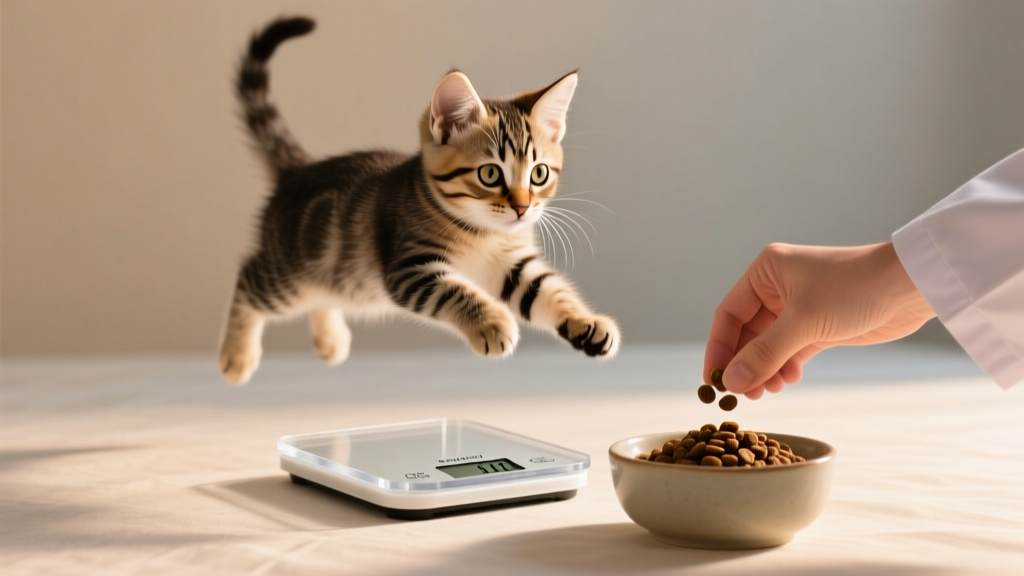
- Weigh your kitten weekly during the first months at home. A simple kitchen scale can help for small kittens.
- Watch for post-meal “weirdness”: wobbly walking, staring, drooling, or sudden sleepiness.
- Don’t ignore chronic mild GI signs (intermittent vomiting/diarrhea), especially paired with poor growth.
If you breed cats
- Discuss genetic risk with your veterinarian and consider breeding guidance. Cats with congenital PSS should not be bred.
8. Prognosis and Quality of Life
Prognosis varies, but there are many reasons to feel hopeful with proper veterinary care.
What outcomes can look like
- After successful surgery: many cats show significant improvement in growth, energy, and neurologic signs over weeks to months. Some may still need a specialized diet or medication for a period of time.
- With medical management only: some cats do well for years, especially with consistent diet, lactulose (if prescribed), and monitoring. Others may have recurring episodes that require medication adjustments or rechecks.
- Acquired shunts: prognosis depends heavily on the underlying liver disease; long-term management may be more complex.
Quality of life is the main goal. A good plan is one where your cat eats well, maintains weight, acts like themselves, and has minimal episodes. Regular rechecks help your vet fine-tune diet and medications as your kitten grows.
9. When to Seek Emergency Veterinary Care
Contact an emergency veterinarian right away if your cat has any of the following:
- Seizure activity, collapse, or loss of consciousness
- Severe disorientation (can’t navigate, continuous circling, severe weakness)
- Repeated vomiting or inability to keep water down
- Signs of dehydration (very dry gums, profound lethargy, sunken eyes)
- Straining to urinate or crying in the litter box (possible urinary blockage or painful stones)
- Sudden worsening after surgery (vomiting, extreme lethargy, abnormal behavior, pale gums)
If you suspect a neurologic episode, keep your cat safe: dim the lights, reduce noise, prevent falls, and avoid putting your hands near the mouth during a seizure. Then head to the vet.
10. FAQ: Common Questions Cat Owners Ask
Can a kitten with a portosystemic shunt live a normal life?
Many can live an excellent life, especially if the shunt is congenital and treated appropriately. Some cats do best with surgery; others do well on medical management. The key is working closely with your veterinarian and keeping up with rechecks.
Do symptoms always show up when a kitten is very young?
Not always. Some kittens show signs early (poor growth, post-meal episodes), while others have mild symptoms that become more noticeable with age or stress. Any recurring neurologic signs or failure to thrive warrants a veterinary visit.
Is a special diet required forever?
It depends. Some cats need long-term diet management; others may transition after successful surgical correction and stabilization. Never switch diets abruptly—your vet can guide a safe transition based on your cat’s labs and symptoms.
Will my cat need lifelong medication like lactulose?
Some cats do, especially if surgery isn’t performed or if there is residual shunting. After surgery, medications may be reduced over time if your cat remains stable and follow-up tests look good. Only adjust medications under veterinary supervision.
Is a portosystemic shunt painful?
The shunt itself isn’t typically described as painful, but it can make cats feel nauseated, tired, or mentally “foggy.” Complications like urinary stones can be painful. Treatment focuses on keeping your cat comfortable and preventing episodes.
How can I support my kitten at home while waiting for testing or surgery?
Stick to the diet your veterinarian recommends, avoid high-protein treats unless approved, give medications on schedule, keep routines calm, and track symptoms. If anything escalates—especially neurologic signs—call your vet immediately.
If you’re worried your kitten may have a portosystemic shunt, schedule a veterinary visit as soon as possible. Early testing and a clear plan can prevent complications and help your kitten feel better faster.
For more caring, practical cat health guidance, visit catloversbase.com and explore our growing library of feline wellness resources.