Cat Moniliformis: Spiny-Headed Worm Infection
1. Why this topic matters to cat owners
If your cat hunts bugs, plays with roaches, or occasionally sneaks outdoors, they can be exposed to parasites you may not hear about at routine checkups. One of these is Moniliformis, a “spiny-headed worm” (an acanthocephalan) that can infect the intestinal tract. It’s not as common as roundworms or tapeworms, but it can cause stomach and intestinal upset, weight loss, and—rarely—more serious gut irritation.
Learning what Moniliformis is, how cats get it, and what early signs look like helps you act quickly and protect your cat’s comfort. The good news: with veterinary care and prevention steps at home, most cats do very well.
2. Overview: what Moniliformis infection is (plain-language medical explanation)
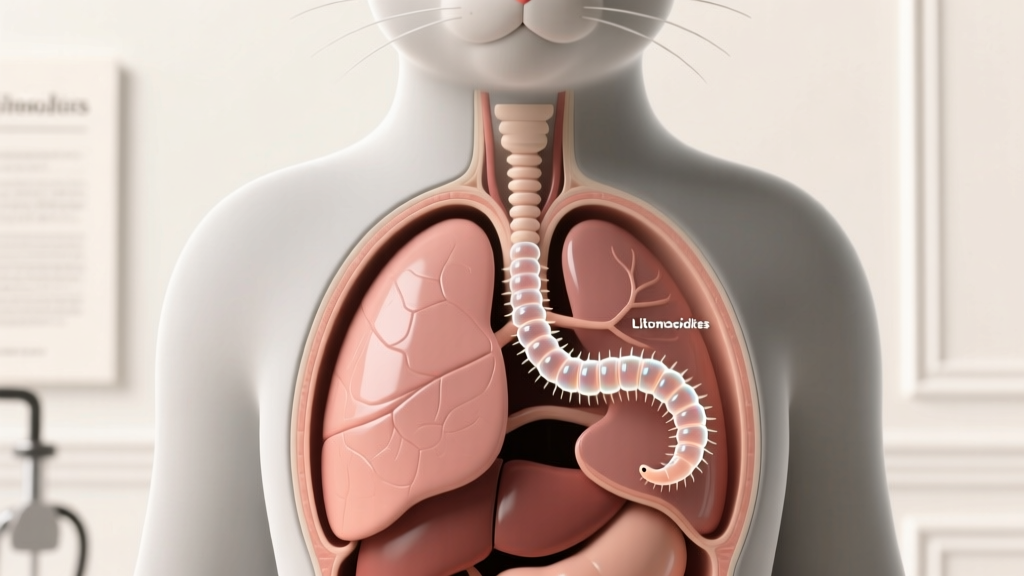
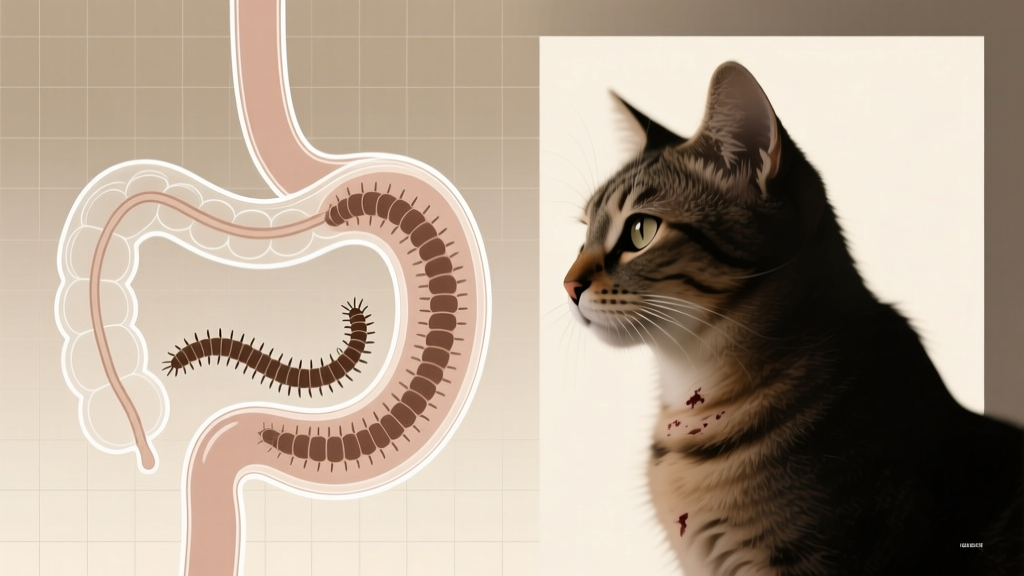
Moniliformis is a genus of parasitic worms in the group called acanthocephalans, commonly nicknamed spiny-headed worms. Unlike many intestinal worms, these parasites have a spiny, retractable “head” (proboscis) that anchors into the intestinal lining.
- Where it lives: Usually the small intestine.
- Why it can irritate the gut: The worm attaches to the intestinal wall using tiny hooks/spines, which can cause inflammation.
- How cats get it: Cats typically become infected by eating an intermediate host (most often insects such as cockroaches or beetles) carrying the larval stage. Sometimes rodents can act as “transport” hosts after eating infected insects, so a cat that hunts mice may also be exposed indirectly.
Moniliformis infections are sometimes discovered when a cat has ongoing digestive issues that don’t respond to diet changes or routine dewormers. Because it’s relatively uncommon, diagnosis can take a little extra detective work by your veterinary team.
3. Symptoms and warning signs to watch for
Some cats have mild infections with subtle signs. Others may show more noticeable digestive trouble, especially if they have a heavier worm burden or sensitive GI tract.
Common signs cat owners may notice:
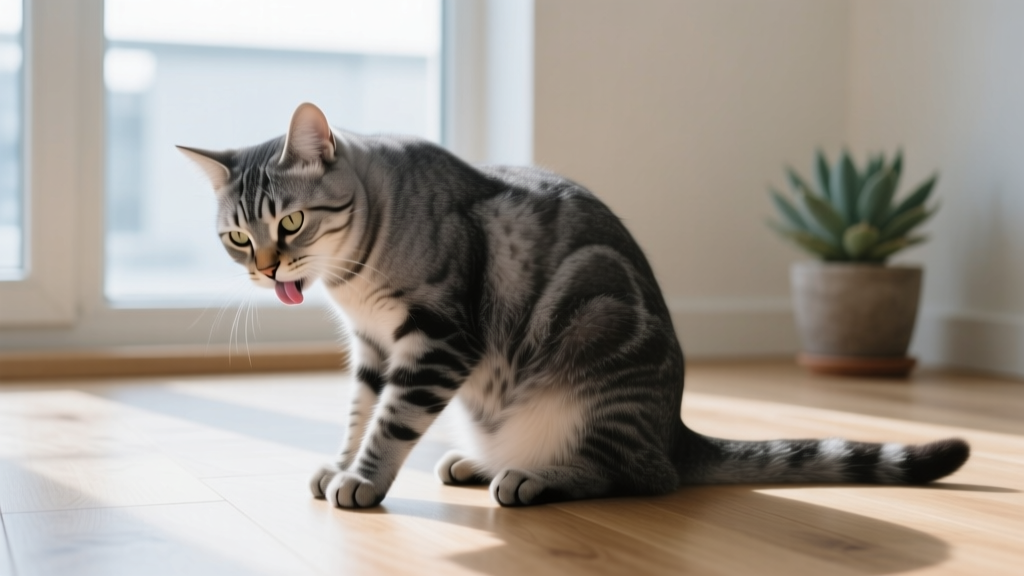
- Intermittent or ongoing vomiting
- Diarrhea or soft stool (sometimes with mucus)
- Decreased appetite or picky eating that’s new
- Weight loss or poor body condition
- Lethargy or reduced playfulness
- Signs of abdominal discomfort (hunched posture, hiding, sensitivity when picked up)
Less common but more concerning signs:
- Blood in stool (bright red or dark/tarry)
- Persistent vomiting (especially multiple times in a day)
- Dehydration (tacky gums, sunken eyes, low energy)
- Suspected intestinal obstruction (rare, but possible with significant intestinal inflammation or other concurrent issues)
If you see worms in the stool or vomit, save a photo (or the sample in a sealed container) and call your veterinarian. With Moniliformis specifically, you may not always see an obvious worm at home—many cases are found through fecal testing.
4. Causes and risk factors
Moniliformis infections happen when a cat ingests the parasite’s larval form. The life cycle typically involves an insect host.
Common risk factors include:
- Outdoor access (even “just the backyard”)
- Hunting behavior (cats that catch insects, lizards, or rodents)
- Roach or beetle exposure in the home, garage, basement, or apartment building
- Multi-pet homes where doors open frequently and insects enter
- Stray/feral history or recently adopted cats with unknown parasite exposure
Important context: Moniliformis is not the first parasite most veterinarians suspect, because it’s less common than roundworms, hookworms, Giardia, or tapeworms. That’s why a thorough history—especially “does your cat hunt insects or have roach exposure?”—can be extremely helpful.
5. Diagnosis: what to expect at the vet
If your cat has vomiting, diarrhea, or weight loss, your veterinarian will first assess overall stability, hydration, and belly comfort, then recommend testing based on symptoms and risk factors.
Common diagnostic steps:
- History and physical exam: Expect questions about outdoor time, hunting, pest exposure, diet, and any recent changes.
- Fecal testing: A fecal flotation and/or centrifugation test may detect parasite eggs. Because shedding can be inconsistent, your vet may request multiple samples on different days.
- Fecal PCR or parasite panels: These may be used to rule out other causes (like Giardia, Tritrichomonas, or bacterial overgrowth), depending on your cat’s signs.
- Bloodwork: A CBC/chemistry panel can check hydration status, anemia, inflammation, organ function, and overall health before treatment.
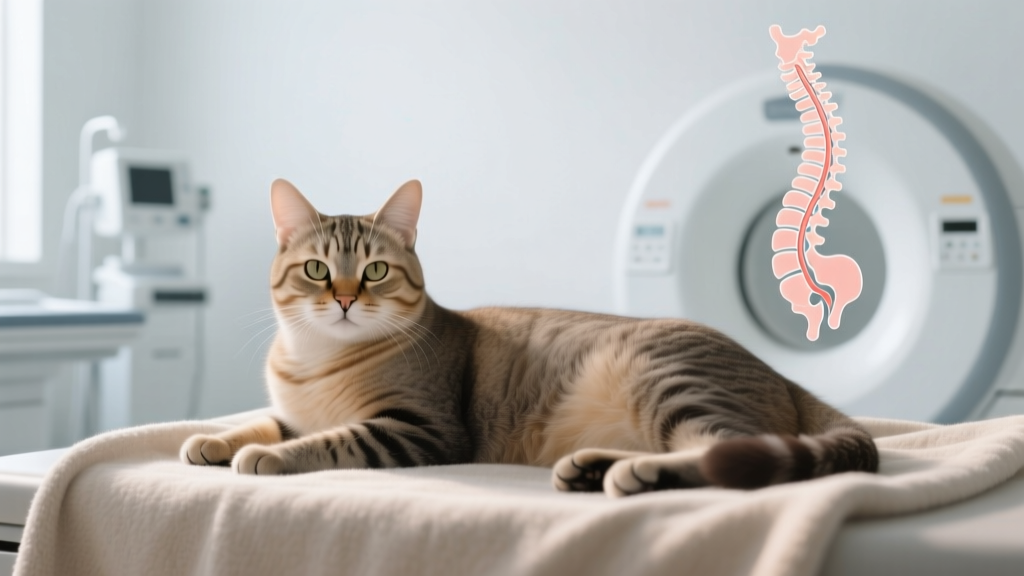
- Imaging (X-rays or ultrasound): Recommended if your cat has significant pain, chronic vomiting, weight loss, or concern for obstruction, thickened intestines, or another underlying condition.
Tip for owners: Bring a fresh stool sample (ideally less than 12 hours old) in a sealed container. If your cat’s stool is loose, your vet can still often work with it—just let the clinic know.
6. Treatment options (medical, surgical, and home care)
Treatment is tailored to the cat’s symptoms, parasite burden, and overall condition. Because Moniliformis is different from typical intestinal worms, not every over-the-counter dewormer will be effective. This is a key reason to involve a veterinarian rather than treating blindly at home.
Medical treatment
- Targeted antiparasitic medication: Your veterinarian will select a deworming protocol based on current veterinary guidance, local experience, and your cat’s health status. In some cases, more than one dose or a repeat treatment may be recommended.
- Supportive GI care: Depending on symptoms, your cat may receive anti-nausea medication, probiotics, B12 supplementation, or short-term intestinal protectants.
- Fluids: If dehydrated from vomiting/diarrhea, your cat may need subcutaneous fluids (outpatient) or IV fluids (hospitalization).
Surgical treatment (uncommon, but possible)
Surgery is not typical for Moniliformis, but may be discussed if imaging suggests an intestinal blockage, a severe localized intestinal issue, or if another problem is found (foreign body, mass, severe ulceration). Your vet will walk you through risks, benefits, and alternatives.
Home care you can do immediately (alongside vet care)
- Hydration support: Offer fresh water in multiple locations; consider a fountain if your cat drinks poorly.
- Gentle diet plan (only if your vet agrees): Some cats do better temporarily on a highly digestible veterinary diet. Avoid frequent diet changes without guidance.
- Medication routines: Give all medications exactly as prescribed and finish the full course, even if your cat seems better quickly.
- Litter box monitoring: Track stool consistency, frequency, and any blood or mucus. A simple note on your phone helps your vet adjust treatment.
- Reduce reinfection risk: Start pest control measures right away (details below), especially if roaches are involved.
Do not give leftover dewormers or dog medications to a cat. Cats are very sensitive to certain drugs, and incorrect dosing can be dangerous.
7. Prevention strategies and early detection tips
Preventing Moniliformis infection focuses on limiting exposure to insect intermediate hosts and keeping your cat’s parasite prevention plan up to date.
Actionable prevention steps:
- Keep cats indoors when possible: Indoor cats have far fewer parasite exposures.
- Stop the “bug buffet”: If your cat loves chasing roaches or beetles, address the pest issue promptly.
- Seal cracks, fix leaks, and store food in airtight containers.
- Use pet-safe pest control methods and follow label instructions carefully.
- If hiring an exterminator, tell them you have cats and ask about drying times and safe re-entry.
- Reduce hunting opportunities: Keep your cat inside at night, supervise outdoor time, or use a secure catio.
- Routine fecal exams: Ask your veterinarian how often your cat should have stool checks (often 1–2 times per year for many cats; more if outdoor/hunting).
- Year-round parasite prevention: Use veterinarian-recommended preventives appropriate for your region and your cat’s lifestyle.
Early detection tip: If your cat has recurring vomiting or soft stool for more than a few days, or weight loss over a few weeks, schedule a vet visit sooner rather than waiting. Chronic GI signs are easier to manage when caught early.
8. Prognosis and quality of life considerations
Most cats have a good prognosis when Moniliformis infection is identified and treated appropriately. Many return to normal appetite and stool quality once the parasite is cleared and intestinal irritation settles.
Factors that can affect recovery:
- How long symptoms have been present: Longer-standing inflammation can take more time to resolve.
- Overall parasite burden: Heavier infections may cause more irritation and require closer follow-up.
- Concurrent conditions: Food sensitivities, inflammatory bowel disease, pancreatitis, or other parasites can complicate the picture.
- Reinfection risk: If insect exposure isn’t controlled, treatment may work but the cat can be reinfected.
Quality of life is usually excellent after treatment. Your role at home—monitoring litter box habits, appetite, and energy—helps confirm that your cat is truly improving and not just having a short “good day.”
9. When to seek emergency veterinary care
Contact an emergency veterinarian or urgent care clinic right away if you notice any of the following:
- Repeated vomiting (especially if your cat can’t keep water down)
- Severe lethargy, collapse, or unusual weakness
- Signs of dehydration (very sticky gums, rapid breathing, extreme tiredness)
- Blood in vomit or black/tarry stool
- Painful or swollen abdomen, crying when picked up, or a “praying” posture that persists
- No stool plus vomiting and poor appetite (possible obstruction)
- Kittens, seniors, or cats with chronic disease showing GI signs—these cats can worsen faster
If your cat is stable but has mild vomiting/diarrhea, call your regular veterinarian for next steps. When it comes to intestinal parasites, professional guidance is the safest path.
10. FAQ: common questions from cat owners
Is Moniliformis contagious to other pets or to people?
Direct transmission from cat to cat is unlikely because Moniliformis typically requires an insect intermediate host to complete its life cycle. However, if multiple pets share the same environment with roaches/beetles (or access to hunting), more than one pet could be exposed. Some spiny-headed worms can infect people under specific circumstances (usually via accidental ingestion of infected insects), but this is considered uncommon. If you’re concerned, ask your veterinarian and focus on pest control and hygiene.
Will a routine dewormer fix it?
Not always. Many common dewormers are designed for roundworms, hookworms, or tapeworms. Moniliformis is different, so treatment needs to be vet-directed. If your cat has persistent signs after routine deworming, follow up—don’t keep repeating over-the-counter products.
What should I bring to the vet appointment?
- A fresh stool sample (sealed container)
- Any photos of vomit/stool abnormalities
- A list of current medications, preventives, and diet (brand/flavor)
- Notes on symptom timing (when it started, how often it happens)
My cat eats bugs sometimes. Should I worry?
Occasional insect chasing isn’t an automatic emergency, but it does raise parasite risk. If your cat frequently eats cockroaches or beetles, or you have a known roach problem, it’s smart to schedule a fecal exam and tighten pest control. Prevention is much easier than managing chronic GI irritation.
How will I know treatment worked?
Most owners see improvements in appetite, energy, vomiting, and stool quality over days to a couple of weeks, depending on how irritated the intestines were. Your veterinarian may recommend a repeat fecal test to confirm clearance, especially if your cat had significant symptoms or ongoing exposure risk.
Can this cause long-term intestinal damage?
Most cats recover fully, especially with timely treatment and reinfection prevention. Long-term issues are more likely if the infection is heavy, symptoms have been present for a long time, or another GI condition is also present. If your cat has chronic diarrhea or weight loss, your veterinarian may recommend additional work-up even after parasites are treated.
If you suspect your cat may have a spiny-headed worm infection—or any ongoing vomiting, diarrhea, or weight loss—schedule a veterinary exam for proper testing and safe treatment. For more practical cat health guidance, prevention tips, and behavior support, visit catloversbase.com.