Feline Iris Melanoma: Eye Color Change Warning Sign
1. Why This Topic Matters to Cat Owners
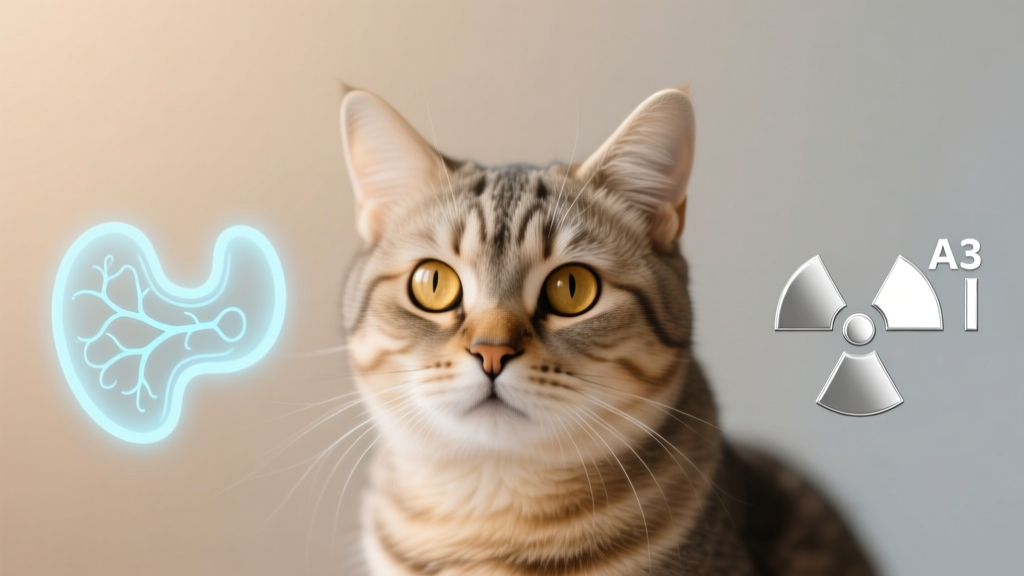
Your cat’s eyes are more than just beautiful—they’re also a window into their health. A gradual change in eye color can be easy to miss, especially if it happens over months. But certain pigment changes in the colored part of the eye (the iris) can signal a condition called feline iris melanoma, a potentially serious cancer.
The good news: many pigment changes are benign, and even when melanoma is suspected, catching it early can make a real difference in treatment options and long-term comfort. Knowing what to look for helps you act promptly without panicking, and it helps your veterinarian protect both your cat’s vision and overall health.
2. Overview: What Is Feline Iris Melanoma?
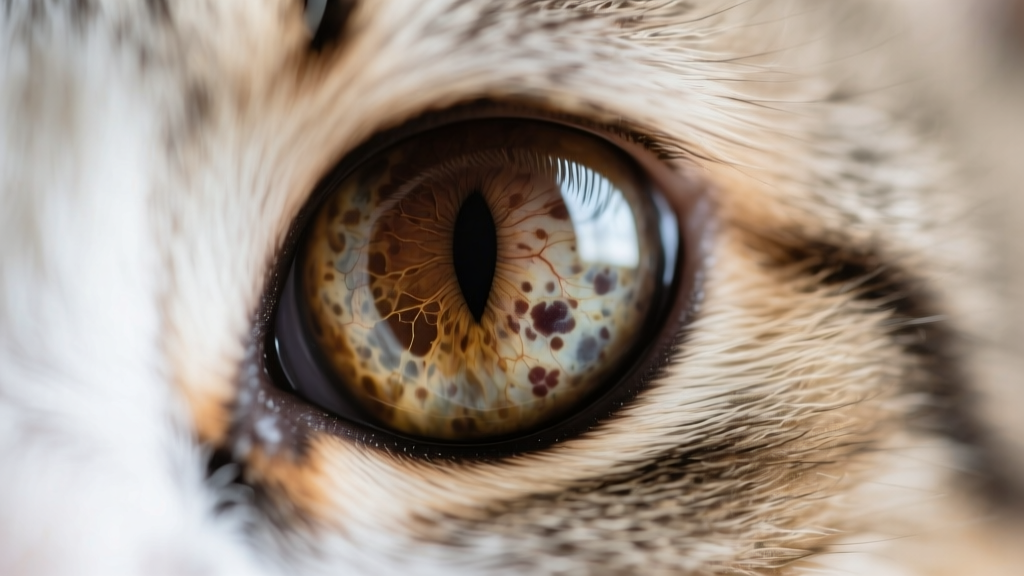
The iris is the colored ring of tissue around the pupil. The iris contains pigment-producing cells called melanocytes. Sometimes these cells start producing more pigment than usual, creating brown or black spots. Pigment changes in the iris exist on a spectrum:
- Iris melanosis: flat, freckle-like pigmentation that can be benign (non-cancerous), especially early on.
- Iris melanoma: cancerous growth arising from melanocytes. It can begin subtly and look similar to melanosis at first.
What makes iris melanoma concerning is its potential to:
- Invade local eye structures, leading to pain, inflammation, or glaucoma (high pressure in the eye).
- Spread (metastasize) to other parts of the body in some cats, particularly if it becomes more aggressive.
Not every dark spot is melanoma, and not every cat with iris melanosis will develop melanoma. The key is monitoring and veterinary evaluation when changes appear.
3. Symptoms and Warning Signs to Watch For
Iris melanoma can be sneaky at first. Some cats act completely normal while pigment slowly expands. Watch for these changes, especially if they are new or progressing:
Eye color and iris changes
- New brown/black spots on the iris (especially if one eye is affected more than the other)
- Spreading pigment that grows over time, merging from small speckles into larger patches
- Thickened or raised areas of the iris rather than flat freckles
- Distorted pupil shape (the pupil may look irregular, not round)
- Different colored eyes developing in a cat that previously had matching eye color
Signs of discomfort or eye disease
- Squinting or keeping one eye partially closed
- Redness of the white of the eye
- Watery discharge or excessive tearing
- Cloudiness or a hazy look to the eye
- Pawing at the eye or rubbing the face
Possible complications (more urgent)
- Glaucoma signs: a larger-looking eye, cloudy cornea, obvious pain, sudden vision changes
- Vision changes: bumping into objects, hesitation in dim light, missing jumps
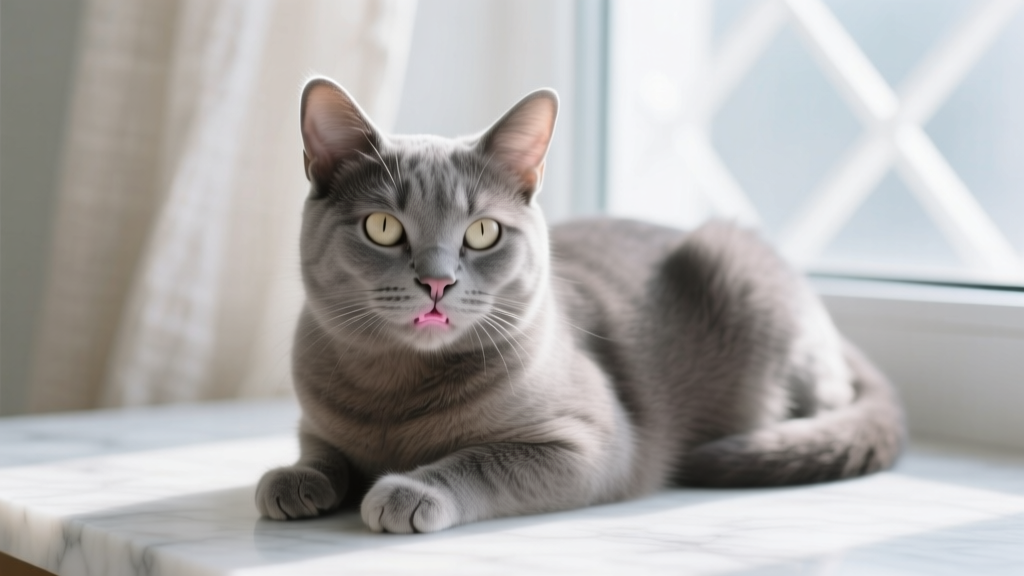
Practical tip: Take a clear photo of both eyes once a month in the same lighting. This creates a timeline that helps you (and your vet) detect subtle progression.
4. Causes and Risk Factors
Veterinary medicine doesn’t have a single confirmed cause for feline iris melanoma. It’s thought to develop when pigment cells in the iris begin to multiply and behave abnormally.
Risk factors veterinarians consider
- Age: More common in middle-aged to older cats.
- Pre-existing iris pigmentation: Cats with iris freckles or melanosis may be monitored more closely for progression.
- Progressive change over time: Pigment that expands, thickens, or causes structural changes raises more concern than stable, flat freckles.
Breed, sex, and coat color are not as clearly linked as they are with some other feline conditions. Any cat can develop iris melanoma.
5. Diagnosis: What to Expect at the Vet
If you notice a changing eye color or new pigment, schedule a veterinary appointment. Your vet may recommend evaluation by a veterinary ophthalmologist (eye specialist), especially if the pigment is spreading or the eye shows signs of inflammation or pressure changes.
Common diagnostic steps
- Complete eye exam: Using magnification and bright light to assess the iris surface, pupil shape, and internal structures.
- Tonometry: A quick test that measures intraocular pressure to screen for glaucoma.
- Slit-lamp exam: Allows a detailed look at the front of the eye, including the iris thickness and cornea.
- Ophthalmoscopy: Evaluates the back of the eye (retina) to check overall eye health.
- Gonioscopy: Examines the drainage angle of the eye (important if glaucoma is a concern).
- Ocular ultrasound: Helpful if the view into the eye is limited or if the vet wants to assess deeper structures.
Body-wide screening (when recommended)
If melanoma is suspected, your veterinarian may discuss staging tests to look for spread or to prepare safely for anesthesia:
- Bloodwork and urinalysis
- Chest X-rays
- Abdominal ultrasound (in some cases)
Will my cat need a biopsy?
Biopsying the iris is not always straightforward and may not be recommended early on due to the delicate nature of the eye. Often, veterinarians rely on a combination of exam findings, documented progression, and the presence of complications (like glaucoma) to guide decisions. When an eye is surgically removed, the tissue is typically submitted for histopathology to confirm the diagnosis.
6. Treatment Options (Medical, Surgical, and Home Care)
Treatment depends on how extensive the pigment change is, whether it’s progressing, and whether the eye is painful or at risk for glaucoma. Your vet’s goal is to protect your cat’s comfort first, then vision when possible.
Monitoring (watchful waiting)
For small, flat, stable pigment spots without other abnormalities, your vet may recommend:
- Regular rechecks (often every 3–6 months)
- Repeat eye pressure measurements
- Photo documentation to track changes
This approach is common for early iris melanosis, as many cases do not rapidly progress.
Medical management
Medications cannot “cure” melanoma, but they may be used to manage complications:
- Anti-inflammatory eye drops if uveitis (inflammation inside the eye) is present
- Glaucoma medications to reduce eye pressure when needed
- Pain control (oral medications) if the eye is uncomfortable
Never use leftover eye drops or human medications without veterinary guidance—some products can worsen eye problems or be unsafe for cats.
Surgical options
When pigment changes are progressive and concerning, or when the eye becomes painful (especially with glaucoma), surgery may be recommended:
- Enucleation (removal of the eye): Sounds scary, but cats typically recover well and adapt quickly. This is often the most definitive way to remove a suspected melanoma and relieve pain in a diseased eye.
Some specialty centers may discuss additional procedures in select cases. Your veterinarian or ophthalmologist will guide you based on what they see during the exam and what’s safest for your cat.
Home care after treatment
- E-collar use: Prevents rubbing the surgical site or eye.
- Give medications exactly as prescribed: Use reminders and finish the full course unless your vet tells you to stop.
- Keep activity calm during healing: Limit jumping if advised.
- Watch for redness, swelling, discharge, or lethargy and report concerns promptly.
7. Prevention Strategies and Early Detection Tips
You can’t fully prevent iris melanoma, but you can greatly improve early detection and reduce the risk of missed progression.
Practical steps you can start today
- Monthly eye check at home: In a well-lit room, look at both eyes. Compare the iris color and pupil shape.
- Take baseline photos: Front-facing shots and close-ups, if your cat tolerates it.
- Schedule routine wellness exams: Even healthy adult cats benefit from yearly checkups; seniors often benefit from twice-yearly visits.
- Don’t “wait and see” if changes are progressing: A new spot that spreads over weeks to months deserves a veterinary exam.
If your cat already has iris freckles or melanosis, ask your veterinarian how often rechecks should occur and whether a referral to an ophthalmologist makes sense.
8. Prognosis and Quality of Life Considerations
Prognosis varies. Some cats live comfortably for years with stable iris pigment changes under monitoring. Others develop more aggressive disease, eye inflammation, or glaucoma that affects comfort and vision.
Quality of life is the priority
- Pain-free matters most: A painful eye can significantly reduce a cat’s well-being, even if they hide it.
- Cats adapt well to vision loss: Many cats do remarkably well with one eye or even limited vision, especially in a consistent home environment.
- After eye removal, many cats return to normal routines: Eating, playing, climbing, and cuddling often resume quickly once discomfort is gone.
If histopathology confirms melanoma, your vet may recommend periodic monitoring for overall health. Your care team can walk you through what follow-up makes sense based on your cat’s individual results.
9. When to Seek Emergency Veterinary Care
Some eye problems can worsen rapidly. Seek urgent veterinary attention (same day or emergency clinic) if you notice:
- Sudden squinting or obvious eye pain
- A rapidly cloudy or blue-looking cornea
- A visibly enlarged eye or bulging appearance
- Sudden vision loss (disorientation, bumping into objects)
- Significant redness with lethargy or hiding behavior
- Trauma to the eye (scratch, bite, blunt injury)
These signs can indicate glaucoma, severe inflammation, ulceration, or injury—conditions that need prompt treatment to protect comfort and, in some cases, vision.
10. FAQ: Common Questions Cat Owners Ask
Is every eye color change in cats cancer?
No. Cats can develop benign iris freckles or melanosis. What raises concern is progressive spread, thickening, changes to pupil shape, or signs of inflammation/pain. Any new or changing pigmentation should be evaluated by a veterinarian.
My cat has one brown spot on the iris. Should I worry?
A single small spot may be benign, but it should be documented and monitored. Take a clear photo and schedule a non-urgent vet visit. Your vet can decide if it looks like stable melanosis or something that needs closer follow-up.
Can iris melanoma make my cat go blind?
It can, especially if it leads to glaucoma or significant changes inside the eye. Some cats maintain vision for a long time, while others develop complications. Early veterinary monitoring helps catch pressure changes and inflammation before they become severe.
If my cat needs an eye removed, will they still have a good life?
In most cases, yes. Cats generally adapt very well to one-eyed vision and often feel better once a painful eye is removed. Many owners are surprised at how quickly their cat returns to normal behavior after recovery.
How fast does iris melanoma spread?
It varies. Some cases progress slowly over months to years, while others change more quickly. That’s why recheck schedules and photo tracking are so helpful—your vet is looking for the rate of change, not just the presence of pigment.
What should I bring to the vet appointment?
Bring:
- Photos showing changes over time (if you have them)
- A list of medications and supplements
- Notes about symptoms (squinting, tearing, behavior changes)
This helps your vet assess progression and decide whether referral to an ophthalmologist is appropriate.
If you’ve noticed a change in your cat’s eye color, the best next step is to schedule a veterinary exam. Most cats do better when eye conditions are identified early, and your vet can guide you through monitoring or treatment in a calm, step-by-step way.
For more trusted cat health guidance, symptom check tips, and wellness resources, visit catloversbase.com.