How to Care for Days Old Kitten: The First 72 Hours Are Critical — A Step-by-Step Survival Guide That Cuts Through the Panic (No Vet Nearby? Do This First)
Why Your First 72 Hours With a Days-Old Kitten Could Save Its Life
If you’ve just found or taken in a newborn kitten—or are fostering one without its mother—you’re likely overwhelmed, anxious, and searching for reliable answers fast. How to care for days old kitten isn’t just a routine pet-care question—it’s an immediate, high-stakes health emergency. Neonatal kittens (0–7 days old) cannot regulate their own body temperature, cannot eliminate waste without stimulation, and lack immune defenses. Their mortality rate exceeds 30% in the first week without expert-level human intervention—even with perfect care. But here’s the truth: with the right knowledge, tools, and timing, you *can* dramatically increase survival odds. This guide distills evidence-based neonatal kitten care from veterinary neonatology literature, shelter medicine protocols, and real-world foster experience—so you act confidently, not frantically.
1. Stabilize Temperature & Environment: The #1 Priority (Before Feeding)
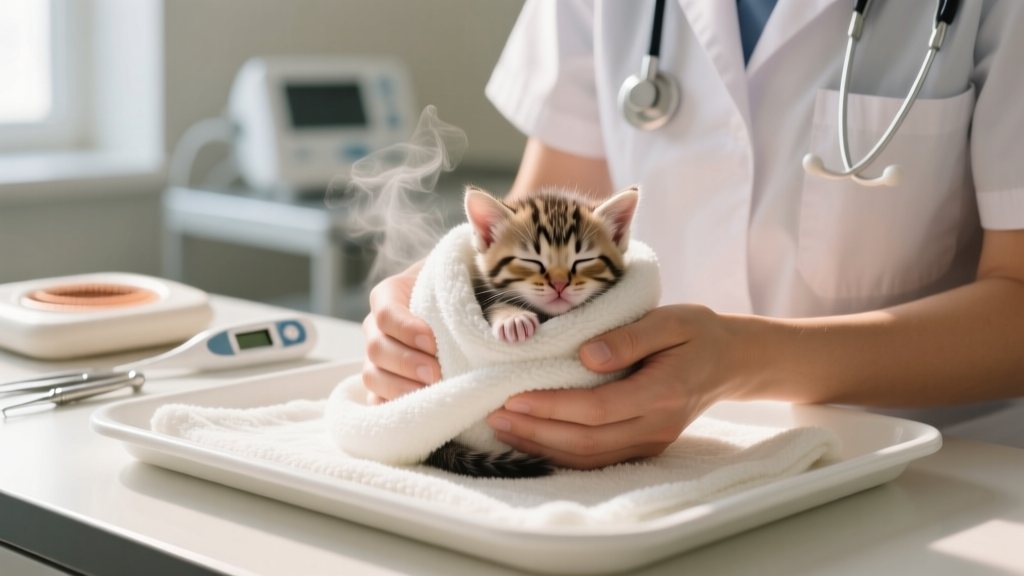
Contrary to popular belief, feeding a cold kitten can be fatal. Hypothermia slows digestion, paralyzes gut motility, and triggers aspiration pneumonia during bottle-feeding. A kitten’s rectal temperature must be ≥94°F (34.4°C) before any milk is offered—and ideally 96–99°F (35.5–37.2°C). Newborns lose heat 3x faster than adults due to high surface-area-to-mass ratio and zero shivering capacity.
What to do immediately:
- Use a heating pad on LOW setting—never high or medium—placed under *half* of a small, ventilated box (e.g., a plastic carrier lined with fleece). This lets the kitten move away if overheated.
- Avoid heat lamps and hot water bottles—they cause rapid, dangerous temperature spikes and burns. One study in the Journal of Feline Medicine and Surgery found 68% of thermal injuries in neonates occurred with improvised heating methods.
- Monitor rectally every 15 minutes using a digital thermometer lubricated with water-based lube. Insert only ½ inch—no deeper. Record temps in a log.
- Humidity matters: Keep ambient humidity at 55–65%. Dry air dehydrates mucous membranes and increases respiratory effort. Place a damp (not dripping) washcloth nearby—not inside the nest—to gently raise humidity.
Dr. Sarah Wooten, DVM and veterinary consultant for the ASPCA’s Foster Program, emphasizes: “A kitten at 92°F has a 90% chance of dying within 6 hours if warmed too quickly or fed before reaching 95°F. Slow, steady rewarming over 2–3 hours is non-negotiable.”
2. Feeding Protocol: What, When, How Much—and Why Cow’s Milk Is Deadly
Feeding a days-old kitten isn’t about hunger—it’s about preventing hypoglycemia, dehydration, and sepsis. Kittens burn through glucose reserves in under 2 hours without intake. But the wrong formula causes fatal diarrhea, bloat, or aspiration.
Formula essentials:
- Never use cow’s milk, goat’s milk, or human baby formula. These lack taurine, have incorrect calcium:phosphorus ratios, and contain lactose levels kittens cannot digest—leading to osmotic diarrhea and rapid dehydration.
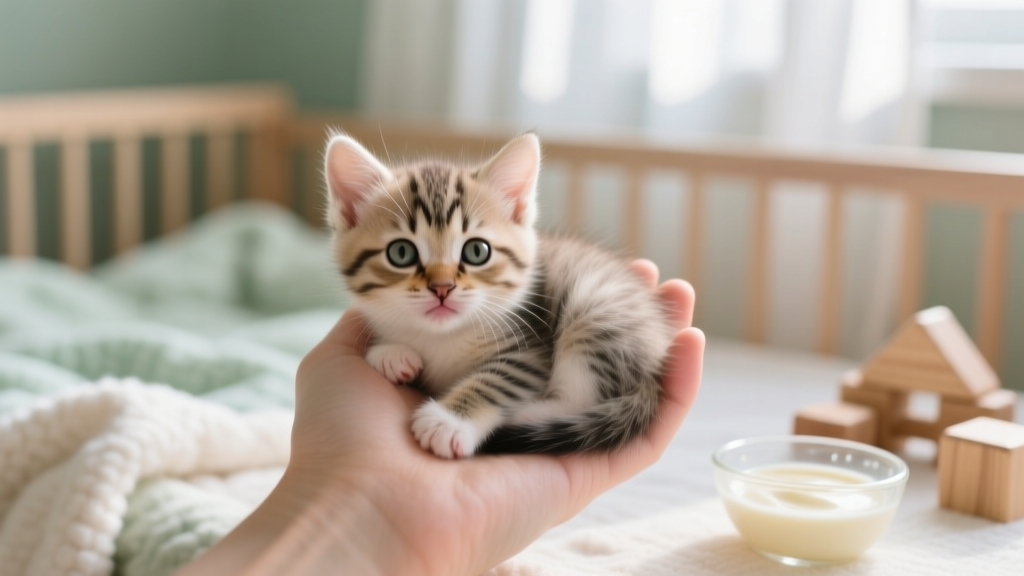
- Use only commercial kitten milk replacer (KMR) or similar vet-approved formulas like PetAg KMR or Breeder’s Edge Foster Care. Powdered versions are preferred—they reduce bacterial load vs. liquid formulas (which grow E. coli after opening).
- Warm formula to 95–98°F (35–36.7°C)—test on your inner wrist. Too hot burns oral tissues; too cold slows gastric emptying.
Feeding schedule (0–7 days):
- Every 2 hours around the clock (including overnight)—yes, even at 2 a.m. Missing a feeding risks hypoglycemic seizures.
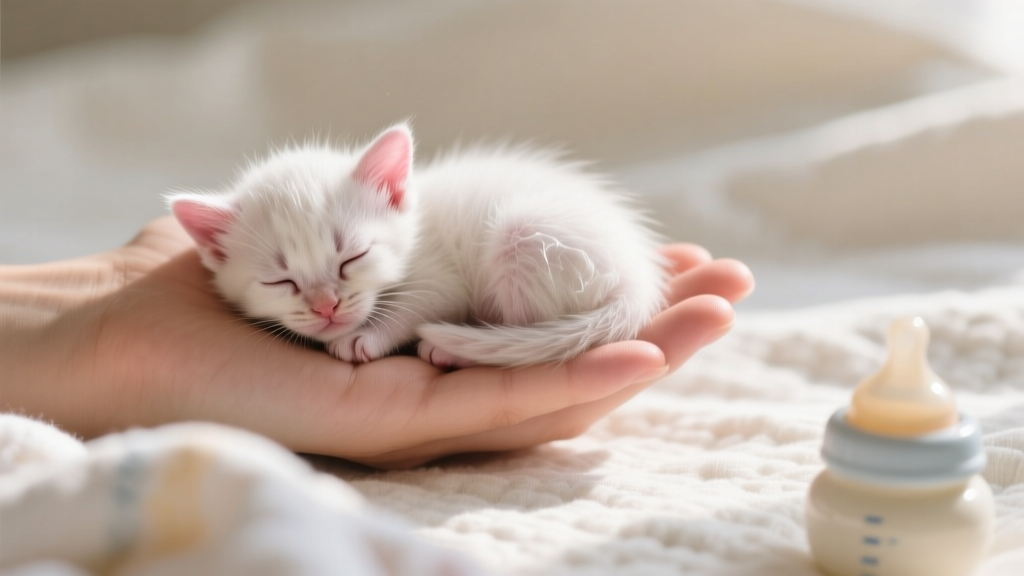
- Volume per feed: 1–2 mL per 30g body weight. A 100g kitten needs ~3–6 mL per feeding. Use a 1-mL syringe or kitten nursing bottle with a #0 or #1 nipple—never a dropper (aspiration risk is 4x higher).
- Position: Hold kitten upright or slightly reclined—never on its back. Gently stroke the jaw to trigger suckling reflex. Stop feeding if the kitten pushes the nipple away or falls asleep mid-feed (signs of fatigue or distress).
⚠️ Red flag: If the kitten gags, coughs, or milk bubbles from nostrils, stop immediately. Aspiration pneumonia develops silently and kills within 24–48 hours.
3. Elimination & Hygiene: Stimulating Poop & Pee (Yes, You Must Do It)
Neonatal kittens lack voluntary control over bladder and bowel function until day 12–14. Without stimulation, urine backs up, causing painful cystitis and kidney damage. Feces accumulate, leading to toxic megacolon or fatal constipation.
Stimulation technique (non-negotiable for every feeding):
- After each feeding, use a warm, damp cotton ball or soft tissue to gently stroke the genital and anal area in a circular motion for 30–60 seconds—mimicking the mother’s licking.
- You should see urine within 15 seconds and stool within 1–2 minutes. If nothing occurs after 90 seconds, try again—then contact a vet. No output for 2+ feeds = emergency.
- Wipe gently but thoroughly after each elimination. Use separate cotton balls for urine vs. feces to prevent UTI transmission.
Hygiene extends beyond elimination: Change bedding daily (or more often if soiled), disinfect feeding tools with boiling water or veterinary-grade sanitizer (not bleach—residue is toxic), and wash hands before/after handling. A 2022 shelter outbreak traced to unsterilized bottles caused 11 kitten deaths in 72 hours—highlighting how critical sanitation is.
4. Monitoring & Red Flags: When to Rush to the Vet (Not Wait Until Morning)
Neonatal kittens deteriorate silently and rapidly. Subtle changes signal systemic collapse. Track these daily metrics in a simple log:
- Weight (weigh daily at same time on a gram-scale—kittens should gain 7–10g/day)
- Temperature (rectal, every 4 hours for first 24h, then every 8h)
- Feeding volume & frequency (record mL consumed per feed)
- Urination/defecation (color, consistency, frequency)
- Activity level (vocalization, rooting, muscle tone)
Immediate vet referral needed if ANY of these occur:
- No weight gain—or weight loss—for >24 hours
- Rectal temp <94°F or >103°F
- Skin tenting >2 seconds (sign of severe dehydration)
- Weak, high-pitched, or absent cries
- Cyanosis (blue gums/tongue), labored breathing, or gasping
- Bloody or black tarry stools
Don’t wait for “obvious” symptoms. Dr. Jennifer Coates, veterinary advisor for PetMD, states: “By the time a kitten is lethargy or cold, it’s already in Stage 3 shock. Intervention must happen at the first sign of weakness—not when it stops moving.”
| Age Range | Key Developmental Milestones | Critical Care Actions | Warning Signs Requiring Vet Visit |
|---|---|---|---|
| 0–24 hours | First colostrum intake (if with mom); thermoregulation failure risk highest | Stabilize temp ≥95°F; initiate feeding within 2 hrs of birth; stimulate after every feed | No suckle reflex; no urine in 4 hrs; temp <93°F |
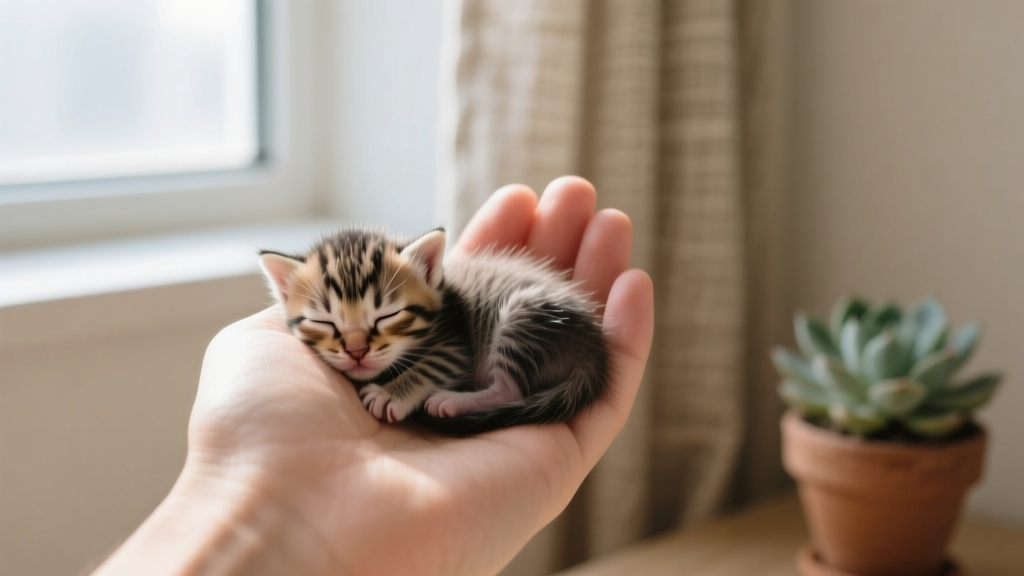
| 1–3 days | Eyes remain sealed; ear canals closed; limited mobility | Feed every 2 hrs; weigh daily; monitor for jaundice (yellow gums/skin = liver failure) | Refusal to eat >2 feeds; green/yellow discharge from eyes/nose; tremors |
| 4–7 days | Begin subtle eye opening; start gaining weight steadily; vocalize more | Introduce gentle handling (2–5 min/day); check for umbilical cord detachment (should fall off by day 5) | Cord red/swollen/pus; eyes stuck shut past day 7; no weight gain for 48h |
Frequently Asked Questions
Can I use human baby formula in an emergency?
No—absolutely not. Human formula lacks taurine (essential for feline heart and vision development) and contains excessive iron and sucrose, which cause osmotic diarrhea, dehydration, and metabolic acidosis. In a true emergency with no KMR available, a temporary substitute is 1 part plain whole milk yogurt + 2 parts warm water + 1 drop of liquid pediatric multivitamin (no iron)—but this is only for one feeding while you source proper formula. Contact a 24-hour vet or rescue immediately.
How do I know if the kitten is getting enough to eat?
Watch for three signs: (1) Steady weight gain (7–10g/day), (2) a rounded, soft belly (not tight or sunken), and (3) contented, quiet sleep between feeds. A hungry kitten will root frantically, cry continuously, and feel cool to the touch. Also track intake: A 120g kitten should consume ~4–7 mL per feed. Underfeeding is far more common—and dangerous—than overfeeding.
What if the kitten won’t take the bottle?
First, rule out pain or illness: Check for mouth sores, nasal congestion (clear nostrils with saline drops), or low temp (<95°F). Try warming the nipple tip, gently stroking the lips to trigger rooting, or switching to a smaller nipple size. If refusal persists >2 feeds, consult a vet—esophageal stricture or neurological issues may be present. Never force-feed; aspiration risk is extremely high.
Is it safe to handle newborn kittens?
Yes—but minimally and with strict hygiene. Human scent doesn’t cause abandonment (a persistent myth), but oils, lotions, or bacteria on your hands can harm fragile skin or gut flora. Wash hands thoroughly with unscented soap, wear clean cotton gloves if possible, and limit handling to feeding/stimulation/cleaning. Overhandling stresses kittens and raises cortisol, suppressing immunity.
When should eyes open—and what if they don’t?
Kittens’ eyes typically begin opening between days 5–14, starting as narrow slits. Full opening takes 2–3 days. If both eyes remain tightly shut past day 14—or if you notice swelling, pus, or crusting—seek urgent veterinary care. This could indicate conjunctivitis, corneal ulcer, or feline herpesvirus, all requiring topical antibiotics or antivirals.
Common Myths About Caring for Days-Old Kittens
Myth 1: “If the mother cat abandons her kittens, she’ll reject them if you touch them.”
False. Feral or stressed mothers may temporarily leave kittens to hunt or rest—but human scent does not trigger rejection. In fact, many rescues successfully reunite handled kittens with moms who return within hours. The real danger is hypothermia or starvation during that absence—so intervene immediately.
Myth 2: “Kittens need solid food or wet food by day 5.”
Dangerously false. Neonates lack digestive enzymes to process anything but milk replacer until week 3–4. Introducing solids causes severe gastrointestinal distress, bacterial overgrowth, and fatal sepsis. Weaning begins at 3–4 weeks—not days.
Related Topics (Internal Link Suggestions)
- Signs of kitten dehydration — suggested anchor text: "how to tell if a newborn kitten is dehydrated"
- Kitten bottle feeding techniques — suggested anchor text: "best way to bottle feed a newborn kitten"
- When do kittens open their eyes? — suggested anchor text: "newborn kitten eye opening timeline"
- Neonatal kitten weight chart — suggested anchor text: "healthy kitten weight by day"
- Finding a kitten-friendly veterinarian — suggested anchor text: "emergency vet for newborn kittens near me"
Your Next Step Starts Now—And It’s Simpler Than You Think
You now hold life-saving knowledge—not just advice. Caring for a days-old kitten is intense, yes—but it’s also deeply rewarding. Every gram gained, every tiny meow, every blink of an opening eye is proof your vigilance is working. Don’t wait to gather “perfect” supplies. Start with warmth, sterile feeding tools, and KMR—then call a feline-savvy vet *today*, even for a phone consult. Many offer free triage for neonates. And if you’re fostering, reach out to local rescues—they often provide 24/7 mentorship, formula loans, and emergency transport. You don’t have to do this alone. Your compassion bought this kitten time. Now, let expertise turn that time into life.