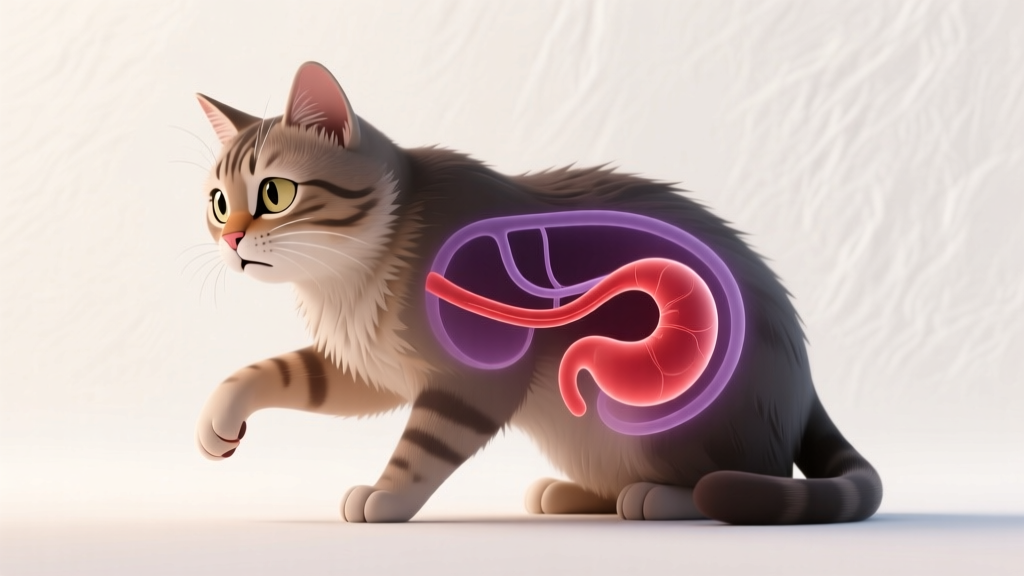
Cat Splenic Torsion: Spleen Twisting Emergency
1. Why this topic matters for cat owners
Your cat’s spleen is a quiet “support organ” that helps filter blood, store red blood cells, and assist the immune system. Most of the time you never have to think about it. Splenic torsion changes that quickly. It happens when the spleen twists on its blood supply, potentially cutting off circulation and causing internal pain, bleeding issues, and shock if not treated promptly.
Splenic torsion is uncommon in cats, but when it occurs it can become a true emergency. The good news: cats can do very well with fast veterinary care. Knowing the warning signs helps you act quickly without panic—and gives your veterinarian the best chance to stabilize and treat your cat safely.
2. Overview: what splenic torsion is (plain-language explanation)
Splenic torsion means the spleen rotates (twists) around the tissues that hold it in place, especially the blood vessels that run to and from it. Think of it like a garden hose kinking: blood can’t flow normally. This leads to:
- Congestion and swelling of the spleen as blood gets trapped inside.
- Reduced oxygen delivery to splenic tissue, which can cause tissue damage.
- Inflammation and abdominal pain.
- Effects on the whole body, such as weakness, pale gums, and sometimes collapse if circulation is compromised.
Splenic torsion can be:
- Acute: sudden onset and more dramatic symptoms.
- Chronic or intermittent: twisting may partially happen and worsen over time, causing vague, on-and-off signs like low appetite or lethargy.
In cats, splenic torsion may occur on its own, but it can also be associated with other abdominal conditions. Your veterinarian’s job is not only to confirm the torsion, but also to check for any underlying issues that could have contributed.
3. Symptoms and warning signs to watch for
Cats are experts at hiding illness. With splenic torsion, signs can range from subtle to obvious. Contact a veterinarian promptly if you notice any of the following, especially if several occur together.
Common signs cat owners may see
- Sudden lethargy (hiding, not greeting you, sleeping more than usual)
- Decreased appetite or refusing food
- Vomiting or retching
- Abdominal discomfort (tense belly, flinching when picked up, “praying” posture, or restlessness)
- Weakness or reluctance to jump
- Rapid breathing or increased effort to breathe
More urgent red flags
- Pale or white gums (a clue for poor circulation or anemia)
- Cold ears/paws, low energy, or seeming “out of it”
- Collapse or inability to stand
- Distended abdomen (swollen belly)
- Rapid heart rate (you may feel the chest pounding)
Practical check you can do at home (no special tools)
- Gum color: gently lift the lip—gums should be healthy pink. Pale, white, or gray gums warrant urgent veterinary contact.
- Breathing rate at rest: when sleeping, count breaths for 30 seconds and multiply by 2. Consistently high resting rates (especially with effort) deserve a same-day call.
- Behavior changes: “not acting right,” hiding, or refusing favorite treats can be an early clue.
4. Causes and risk factors
In many cats, a single clear cause isn’t found. That can be frustrating, but it’s also common in veterinary medicine. Splenic torsion generally happens when the spleen has increased mobility or when something changes the abdomen’s normal anatomy or pressure.
Potential contributors
- Laxity or stretching of supportive ligaments (the tissues that help keep the spleen positioned)
- Splenic enlargement (a heavier spleen may be more prone to twisting)
- Abdominal trauma (falls, being stepped on, car accidents)
- Sudden vigorous activity (less common in cats, but possible)
- Other abdominal conditions that shift organs or cause inflammation
Which cats may be at higher risk?
- Cats with a history of recurrent vomiting or chronic gastrointestinal disease (not because it causes torsion directly, but because abdominal inflammation can change organ stability)
- Cats with known splenic masses or splenomegaly (enlarged spleen) on previous imaging
- Cats that have experienced significant trauma
Splenic torsion is much more often discussed in dogs, but cats can still develop it. Any cat can be affected, including indoor-only cats.
5. Diagnosis: what to expect at the vet
If your veterinarian suspects splenic torsion, they will focus on two goals: (1) stabilizing your cat, and (2) confirming the diagnosis and ruling out other causes of abdominal pain and weakness.
Initial assessment
- Physical exam: checking gum color, hydration, abdominal pain, heart rate, and temperature
- Blood pressure and oxygen assessment when available
- IV catheter placement may happen early if your cat appears unstable
Common diagnostic tests
- Bloodwork (CBC and chemistry): evaluates anemia, inflammation, organ function, and hydration status
- Clotting tests: may be recommended because a compromised spleen can affect coagulation
- Abdominal X-rays (radiographs): can show an enlarged spleen or displacement, though findings can be nonspecific
- Abdominal ultrasound: often the most helpful imaging tool to assess splenic size, texture, and blood flow patterns
Some clinics may recommend referral to an emergency hospital or specialty center for advanced imaging, 24/7 monitoring, or surgery—especially if your cat is unstable.
What you can do to help the vet
- Bring notes: when symptoms started, vomiting episodes, appetite changes, litter box habits.
- List medications/supplements and any toxin exposure concerns.
- If safe, take a short video of abnormal breathing, weakness, or collapse episodes.
6. Treatment options (medical, surgical, and home care)
Treatment depends on your cat’s stability and how strongly splenic torsion is suspected or confirmed. Because the spleen’s blood supply may be compromised, surgery is frequently the definitive treatment.
Stabilization (often first)
- IV fluids to support circulation and blood pressure
- Pain control (cats with abdominal pain need appropriate analgesia)
- Anti-nausea medication if vomiting is present
- Blood transfusion may be recommended if significant anemia or shock is present
Surgical treatment
The standard surgical approach is typically splenectomy (removal of the spleen). This may sound scary, but cats can live without a spleen. Other organs (like the liver and bone marrow) help take over many of the spleen’s roles.
- Why removal is often recommended: a twisted spleen may be damaged, and untwisting it can potentially release inflammatory byproducts into the bloodstream. Your surgeon will choose the safest approach for your cat.
- What happens during surgery: your cat is anesthetized, the abdomen is explored, the spleen and its vessels are managed carefully, and the abdomen is closed once bleeding is controlled and other issues are addressed.
Medical management alone?
In many cases, medical management without surgery is not considered a long-term solution if torsion is confirmed, because the underlying twist can continue compromising blood flow. Your veterinarian may discuss non-surgical management only in very select situations, typically when torsion is not clearly present or surgery is not possible. Always ask what risks come with delaying surgery.
Home care after treatment (what you can do immediately)
- Give medications exactly as prescribed (pain meds, antibiotics if needed, anti-nausea meds).
- Restrict activity: no jumping, running, or rough play for the recommended recovery period.
- Use a recovery collar or suit to prevent licking the incision.
- Monitor the incision twice daily for swelling, redness, discharge, or gaping.
- Encourage eating and hydration with vet-approved options (warm food slightly, offer small frequent meals, keep water accessible).
- Keep the litter box easy to access (low entry, quiet location).
If your cat won’t eat for 24 hours after coming home, is hiding more than expected, vomits repeatedly, or seems painful despite medication, call your veterinarian.
7. Prevention strategies and early detection tips
Because splenic torsion is rare and often unpredictable, there isn’t a guaranteed prevention plan. What you can do is reduce risk where possible and catch problems early.
Practical prevention and early detection
- Schedule routine wellness exams (cats are good at masking slow-developing issues).
- Address chronic vomiting promptly: repeated GI upset should be evaluated rather than assumed to be “hairballs.”
- Maintain a healthy body condition with appropriate diet and play—overall health improves surgical resilience if emergencies happen.
- Reduce trauma risk: secure windows/balconies, use sturdy carriers, and supervise introductions to new pets.
- Know your cat’s baseline: normal appetite, energy, breathing rate, gum color. Changes are easier to spot when you know what’s normal.
8. Prognosis and quality of life considerations
With timely diagnosis and appropriate treatment, many cats can recover well and return to a normal quality of life. Prognosis depends on:
- How quickly treatment begins after symptoms start
- Whether shock or severe anemia has developed
- Presence of underlying disease (for example, a splenic mass or another abdominal disorder)
- Overall health and age of your cat
After splenectomy, most cats adapt without noticeable long-term limitations. Your veterinarian may recommend follow-up bloodwork and periodic checks, especially if there were abnormalities before surgery.
9. When to seek emergency veterinary care
Call an emergency veterinarian or go in right away if your cat has:
- Pale/white gums or suddenly very slow capillary refill (gums stay white after pressing)
- Collapse, extreme weakness, or inability to stand
- Labored breathing or rapid breathing at rest
- Severe abdominal pain (crying out, tense belly, hiding and reacting strongly to touch)
- Repeated vomiting with lethargy or signs of dehydration
- Distended abdomen or sudden swelling
Do not give human pain medications (many are toxic to cats). Keep your cat warm, minimize handling, and transport in a secure carrier. If possible, call ahead so the clinic can prepare.
10. FAQ: Cat splenic torsion
Can a cat live without a spleen?
Yes. Cats can live without a spleen. The spleen supports immune function and blood cell management, but other organs can compensate. Your veterinarian may recommend follow-up monitoring based on your cat’s individual case.
Is splenic torsion the same as a ruptured spleen?
No. Splenic torsion is twisting of the spleen and its blood supply. A ruptured spleen usually involves tearing and bleeding, often due to trauma or a mass. Torsion can contribute to serious complications, and both conditions require veterinary evaluation quickly.
Will my cat always have obvious pain if the spleen twists?
Not always. Some cats show clear abdominal pain, while others mainly seem quiet, weak, or off their food. Cats often hide discomfort, so subtle behavior changes can still be meaningful.
How fast does splenic torsion become dangerous?
It can become serious quickly, especially if circulation is significantly compromised. Because you can’t tell at home how severe the twist is, it’s safest to have your cat evaluated the same day when concerning signs appear.
Could this be mistaken for hairballs or a “simple stomach bug”?
Yes. Vomiting and low appetite can look like many common problems. The difference is that splenic torsion may also cause weakness, pale gums, abdominal pain, or rapid breathing. If your cat seems systemically unwell (not just a single vomit), contact a veterinarian promptly.
What questions should I ask my veterinarian?
- Do you suspect splenic torsion, and what else is on the differential list?
- Does my cat need stabilization first (fluids, pain control, transfusion)?
- What imaging is recommended—X-ray, ultrasound, or referral?
- If surgery is advised, what is the expected timeline and recovery plan?
- What should I monitor at home after discharge?
If you’re worried your cat may be experiencing splenic torsion—or any sudden weakness, pale gums, or abdominal pain—contact a veterinarian right away. Fast, calm action is the best way to protect your cat’s outcome.
For more cat health guides, symptom check tips, and caring, practical resources, visit catloversbase.com.