Cat Intussusception: Telescoping Intestine Emergency
1. Why this topic matters to cat owners
Most cat parents are familiar with vomiting, hairballs, and the occasional upset stomach. Intussusception is different. It’s a true intestinal emergency where a portion of the intestine slides into the adjacent section, much like a telescope collapsing into itself. When that happens, the intestinal passage can become blocked, blood supply can be reduced, and the affected tissue can become severely damaged in a short time.
The good news: cats can and do recover—especially when they’re seen quickly and treated appropriately. Knowing the early warning signs and understanding what your veterinarian is looking for can help you act fast without panicking.
2. Overview: what intussusception is (plain-language medical explanation)
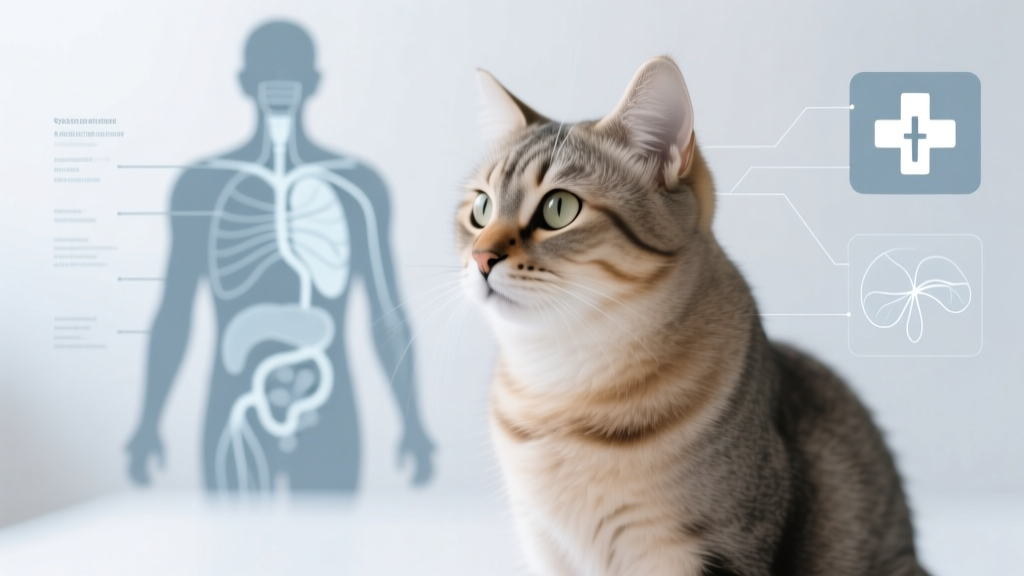
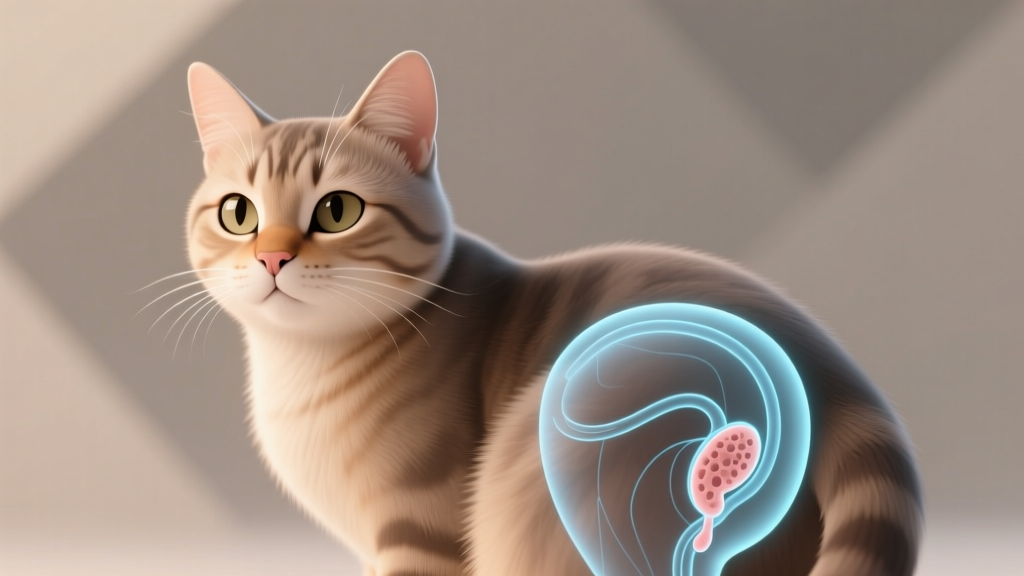
Intussusception (in-tuh-suh-SEP-shun) occurs when one segment of intestine (the intussusceptum) slides inside the neighboring segment (the intussuscipiens). This “telescoping” can happen in the small intestine, at the junction between the small and large intestine (ileocolic region), or less commonly within the large intestine.
When the intestine folds into itself, several problems can occur:
- Obstruction: Food and fluid can’t pass normally, leading to vomiting, dehydration, and worsening discomfort.
- Swelling and inflammation: The trapped segment becomes swollen, making it harder (or impossible) for the intestine to return to its normal position.
- Reduced blood flow: If blood vessels are compressed, the tissue can become damaged or die (necrosis), which can lead to perforation and infection in the abdomen.
Intussusception is often triggered by something that disrupts normal intestinal movement (motility) or irritates the gut. In cats, it can occur at any age but is more commonly discussed in young animals and in pets with underlying intestinal disease.
3. Symptoms and warning signs to watch for
Signs can vary depending on how long the problem has been present, where it’s located, and whether the bowel is fully blocked. Some cats show vague symptoms at first. If you notice multiple signs together—especially vomiting plus lethargy—contact a veterinarian promptly.
Common symptoms
- Vomiting (may be frequent; may or may not contain food or bile)
- Loss of appetite or refusing food altogether
- Lethargy, hiding, reduced interaction
- Abdominal pain (tensing, guarding, crying out when picked up, “prayer position” with chest down and rear up)
- Diarrhea or loose stool
- Blood or mucus in stool
- Constipation or little/no stool production in some cases
- Dehydration (dry gums, sunken eyes, tacky saliva)
- Weight loss if the problem is more chronic or recurring
What you might notice at home right away
- Repeated trips to the litter box with minimal output
- Vomiting that isn’t typical for your cat (more frequent, more forceful, or not hairball-related)
- A sudden “not themselves” demeanor: quiet, withdrawn, or uncomfortable
- Signs of pain when you touch the belly or lift your cat
4. Causes and risk factors
Intussusception is usually a symptom of another problem rather than a stand-alone disease. Anything that alters normal intestinal movement or causes inflammation can increase risk.
Potential causes and contributing factors
- Intestinal inflammation (chronic enteritis, inflammatory bowel disease)
- Parasites (more common in young cats or those without routine fecal testing/deworming)
- Gastrointestinal infections (bacterial, viral, or protozoal)
- Foreign bodies (string, ribbon, hair ties, foam earplugs, toys—cats are notorious for swallowing linear objects)
- Intestinal masses (polyps, tumors), which can disrupt normal flow and movement
- Recent abdominal surgery (temporary changes in motility during recovery)
- Severe diarrhea episodes that cause abnormal intestinal contractions
Cats at higher risk
- Kittens and young cats (more likely to have parasites or infectious diarrhea)
- Cats with a history of chronic vomiting/diarrhea
- Cats known to chew and swallow non-food items
- Outdoor cats or those exposed to parasites through hunting or contaminated environments
5. Diagnosis: what to expect at the vet
If your veterinarian suspects an intestinal obstruction or intussusception, they’ll focus on two priorities: stabilizing your cat (hydration, pain control) and confirming the diagnosis as quickly as possible.
Typical steps in a diagnostic workup
- History and physical exam: Your vet will ask about vomiting frequency, stool changes, appetite, possible toxin/foreign body exposure, and timeline. They’ll palpate the abdomen; sometimes a “sausage-shaped” mass can be felt, though not always.
- Bloodwork (CBC/chemistry/electrolytes): Helps assess dehydration, infection/inflammation, electrolyte imbalances, kidney/liver function, and surgical risk.
- Abdominal imaging:
- X-rays (radiographs): Can show obstruction patterns (gas/fluid buildup) but may not definitively identify intussusception.
- Ultrasound: Often the most helpful. Intussusception may appear as a characteristic “target” or “bullseye” pattern. Ultrasound can also reveal fluid in the abdomen, swollen lymph nodes, foreign material, or masses.
- Fecal testing: Looks for parasite eggs or organisms, especially in kittens or cats with diarrhea.
How you can help your vet
- Bring a fresh stool sample if you can (or a photo of stool/vomit if that’s easier).
- Write down when symptoms started and how many times vomiting occurred.
- Tell the team if your cat could have swallowed string, ribbon, thread, tinsel, or toys—linear foreign bodies are especially dangerous.
6. Treatment options (medical, surgical, and home care)
Treatment depends on your cat’s stability, how advanced the intussusception is, and whether the intestine is still healthy. Many cases require surgery, but supportive medical care is essential either way.
Stabilization and medical support
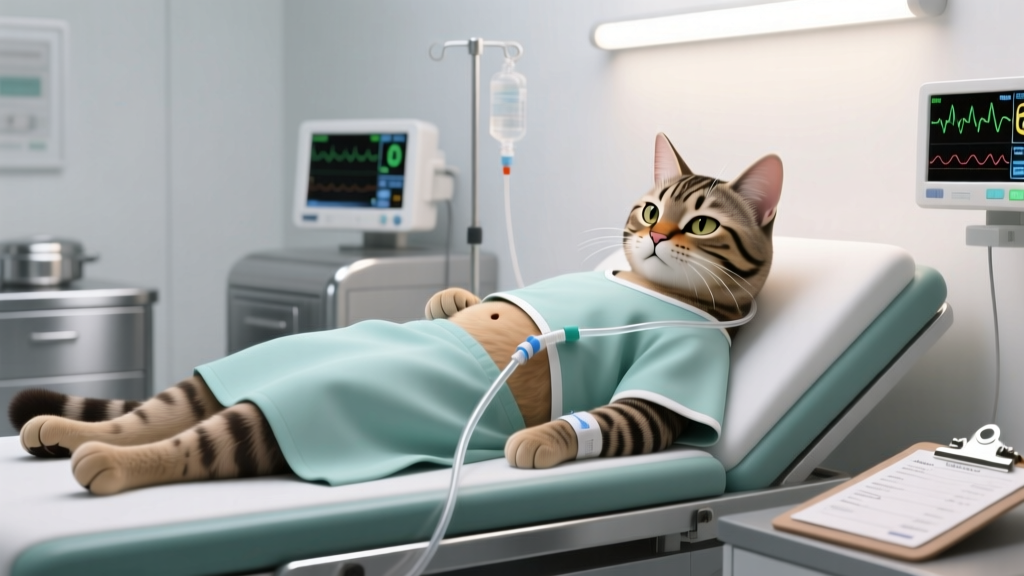
- IV fluids to correct dehydration and electrolyte imbalances
- Pain control (safe analgesics prescribed by your veterinarian)
- Anti-nausea medication to control vomiting
- Antibiotics if there’s concern about bacterial translocation, infection, or intestinal compromise
- Addressing underlying causes (deworming, diet trials, treatment for inflammation or infection) as appropriate
Surgical treatment
Surgery is commonly recommended because intussusception can quickly progress to reduced blood supply and intestinal damage. During surgery, the veterinarian will:
- Locate the telescoped section and attempt manual reduction (gently easing the intestine back into place) if tissue is healthy.
- If the bowel is damaged, remove the affected section and perform an intestinal resection and anastomosis (cutting out unhealthy intestine and reconnecting the healthy ends).
- In some cases, consider a procedure called enteroplication (suturing intestinal loops in a way that reduces recurrence). This is case-dependent and not appropriate for every cat.
Home care after treatment
Your veterinarian will tailor discharge instructions to your cat’s condition and whether surgery was performed. Common home-care steps include:
- Medication schedule: Give pain meds, antibiotics, anti-nausea meds exactly as prescribed. Never use human pain medications—many are toxic to cats.
- Feeding plan: Small, frequent meals; often a bland or prescription gastrointestinal diet for a period of time.
- Activity restriction: Keep your cat calm, indoors, and discourage jumping while the incision heals.
- Incision monitoring: Watch for redness, swelling, discharge, gaping, or excessive licking. Use an e-collar or recovery suit if advised.
- Litter box tracking: Note appetite, vomiting, stool output, and any straining. Keep a simple daily log for the first 1–2 weeks.
Practical tip you can act on immediately: If your cat is recovering, set up a “recovery room” (quiet space with food, water, litter box, and soft bedding) to reduce stress and prevent overactivity.
7. Prevention strategies and early detection tips
Not all cases are preventable, but you can lower risk and catch problems earlier.
Reduce exposure to common triggers
- Prevent foreign body ingestion: Put away string, thread, yarn, ribbon, tinsel, hair ties, and small chewable toys. Supervise play with wand toys and store them after use.
- Parasite control: Use veterinarian-recommended parasite prevention and schedule routine fecal exams, especially for kittens and outdoor cats.
- Manage chronic GI issues: If your cat has ongoing vomiting or diarrhea, don’t “wait it out” for months. Chronic inflammation can increase risk of serious complications.
Early detection habits
- Know your cat’s “normal” vomiting frequency (many healthy cats rarely vomit). A change matters.
- Check the litter box daily for stool volume, diarrhea, or blood.
- Weigh your cat monthly (a baby scale works well). Unexplained weight loss is a valuable early clue.
- Schedule wellness visits and discuss any pattern of GI upset—even if it seems mild.
8. Prognosis and quality of life considerations
Prognosis depends on how quickly treatment happens and whether the intestine remained healthy. Cats treated early—before significant tissue damage—often do very well.
Factors associated with a better outcome
- Prompt diagnosis and stabilization
- No intestinal perforation or widespread infection
- Healthy tissue that can be reduced without resection, or limited resection with good healing
- Successful management of underlying causes (parasites, chronic inflammation, foreign body risk)
Longer-term considerations
- Recurrence: Intussusception can recur, especially if the underlying trigger remains.
- Digestive sensitivity: Some cats may need a long-term GI diet or treatment plan for inflammatory bowel disease.
- Post-surgical healing: Most cats return to normal routines after recovery, but follow-up visits are important to confirm proper healing and bowel function.
9. When to seek emergency veterinary care
Contact an emergency veterinarian or urgent-care clinic right away if you see any of the following. These signs don’t confirm intussusception, but they do suggest a potentially serious GI obstruction or abdominal problem.
- Repeated vomiting, especially more than 2–3 times in a day or vomiting with inability to keep water down
- Severe lethargy, collapse, or weakness
- Signs of significant pain (crying, hiding, tense abdomen, reluctance to move)
- Bloated or enlarging abdomen
- No stool (or very small amounts) plus vomiting and reduced appetite
- Blood in stool with vomiting, weakness, or dehydration
- Any concern that your cat swallowed string, ribbon, thread, or tinsel (do not pull visible string—go to the vet)
If you’re unsure, call your veterinary clinic. A quick phone triage can help determine whether your cat should be seen immediately.
10. FAQ: common questions cat owners ask
Can intussusception resolve on its own in cats?
Occasionally, mild cases may reduce spontaneously, but it’s not something to rely on at home. Because blood flow can be compromised and the condition can worsen quickly, a veterinarian should evaluate any suspected obstruction or persistent vomiting/abdominal pain.
Is intussusception the same as constipation or a hairball blockage?
No. Constipation is difficulty passing stool, and hairballs typically involve stomach irritation and vomiting hair. Intussusception is a structural problem where the intestine telescopes into itself. The symptoms can overlap, which is why imaging (especially ultrasound) is so valuable.
What’s the difference between intussusception and a foreign body obstruction?
A foreign body obstruction is a physical item blocking the intestine (like string or a toy). A foreign body can cause intussusception by irritating the bowel and altering motility. Many cats with obstruction need surgery regardless of which is present.
How risky is surgery for intussusception?
Any abdominal surgery carries risk, especially in dehydrated or unstable patients. Veterinary teams reduce risk by stabilizing with IV fluids, correcting electrolytes, managing pain, and monitoring closely during and after anesthesia. Many cats recover well when treated promptly.
What should I feed my cat after treatment?
Follow your veterinarian’s plan exactly. Many cats do best with small, frequent meals of a prescription gastrointestinal diet during recovery. Avoid sudden diet changes and rich treats. If your cat won’t eat for 24 hours after coming home (or sooner for kittens), call your vet.
Can intussusception come back?
Yes, recurrence is possible. The best prevention is controlling the underlying trigger—parasite prevention, managing chronic GI disease, and preventing access to string and other swallowable objects. Keep follow-up appointments so your vet can monitor recovery and adjust long-term care.
If your cat is vomiting, painful, or suddenly not acting like themselves, professional veterinary care is always the safest next step. For more practical cat health guidance, symptom check tips, and wellness resources, visit catloversbase.com.