Feline Dipetalonema: Subcutaneous Filarial Nematode
1. Introduction: Why this topic matters to cat owners
Most cat owners have heard about heartworm, fleas, and ticks—but fewer people know that cats can also be affected by other worm-like parasites called filarial nematodes. One group sometimes discussed under the name Dipetalonema (a name still used in some resources, though classification may vary) includes parasites that live in the tissues under the skin or around connective tissues.
For many cats, these infections are mild or never cause obvious illness. Still, understanding what they are helps you make smart decisions about parasite prevention, recognize when a skin lump needs veterinary attention, and reduce the risk of complications. If you’re a cat parent who wants clear, calm guidance, this article will walk you through what to watch for and what your veterinarian may recommend.
2. Overview: What is feline Dipetalonema (subcutaneous filarial nematode)?
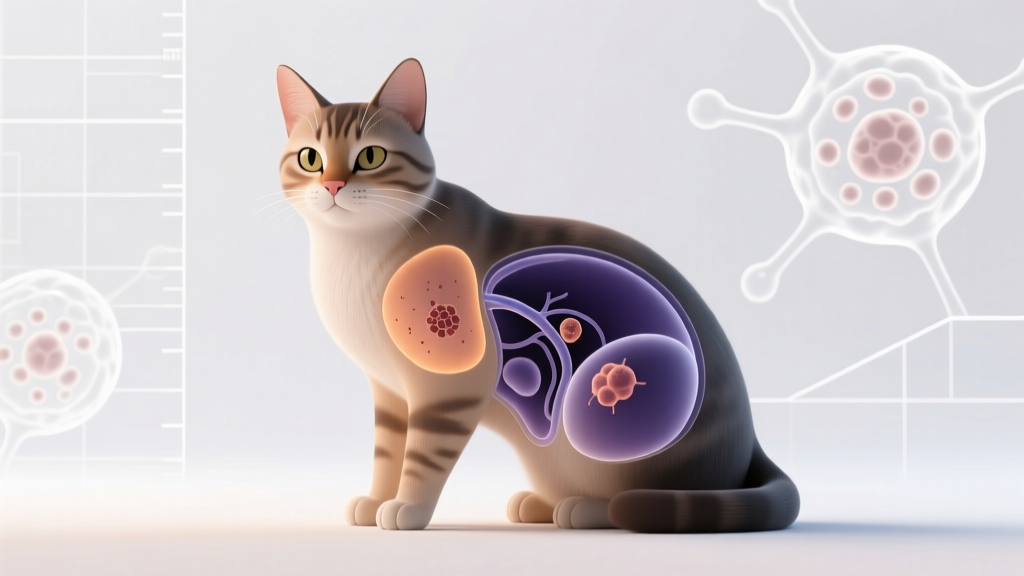
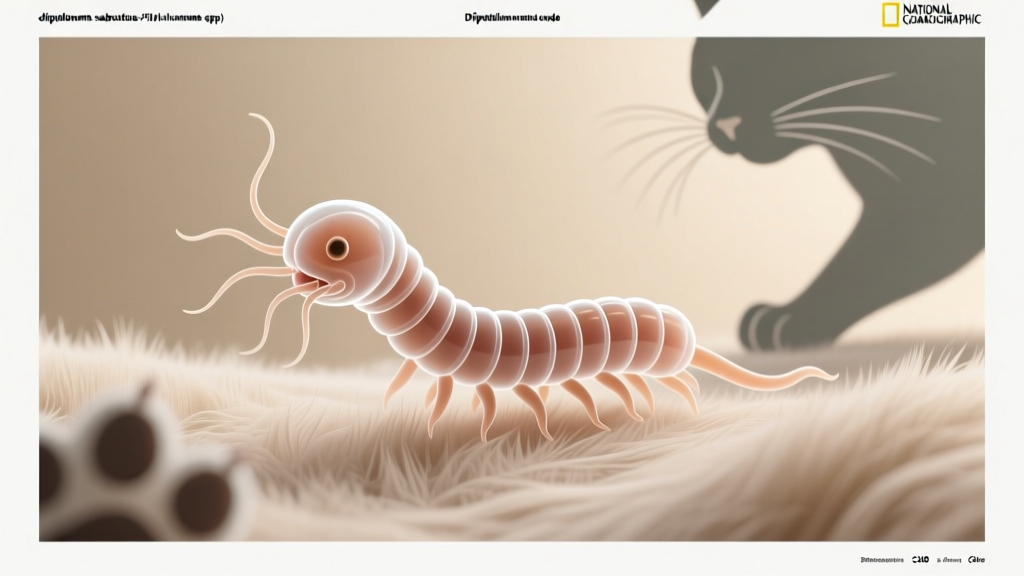
Filarial nematodes are thin, thread-like worms. Some filarial species live in the heart and blood vessels (like heartworm), while others prefer subcutaneous tissues (under the skin) or tissues around muscles and organs. When people say “feline Dipetalonema,” they are usually referring to a subcutaneous filarial infection in a cat.
Here’s the plain-language version of what happens:
- An infected biting insect (often a mosquito, flea, tick, or other vector depending on the species and region) transmits microscopic parasite stages to a cat.
- Over time, those stages mature into adult worms in tissues under the skin or nearby connective tissues.
- Some species release tiny offspring (called microfilariae) into the bloodstream or skin tissues, where they can be picked up by another insect and spread.
Because these parasites are not as commonly discussed as fleas, intestinal worms, or heartworm, they can be confusing. Your veterinarian’s job is to determine whether a skin issue is due to a parasite, an allergic condition, an infection, a cyst, or a tumor—and then tailor treatment to your cat’s specific diagnosis.
3. Symptoms and warning signs to watch for
Many cats with subcutaneous filarial infections have subtle signs or none at all. When symptoms occur, they often look like common skin problems. Contact your veterinarian if you notice any of the following:
- Small lumps or nodules under the skin (may be firm or slightly squishy)
- Localized swelling that comes and goes
- Itching, licking, or over-grooming in one specific area
- Redness, scabs, or skin irritation, especially if your cat scratches
- Hair loss in patches
- Sensitivity when touched over a lump
- General signs of discomfort (hiding more, less tolerant of petting)
Less commonly, cats can show more generalized signs if there is a significant inflammatory reaction:
- Decreased appetite
- Low energy
- Weight loss over time
Practical tip: If you feel a lump, take a clear photo and note its location and approximate size (for example, “pea-sized, right shoulder”). Recheck it every 3–7 days and write down whether it’s changing. Then book a veterinary visit—especially if it persists beyond two weeks or grows quickly.
4. Causes and risk factors
Subcutaneous filarial infections are typically acquired through the bite of an infected vector insect. Risk varies by geography, season, and your cat’s lifestyle.
Common risk factors include:
- Outdoor access (even “supervised yard time” increases exposure)
- Living in warm, humid regions where vectors are active longer
- High mosquito, flea, or tick pressure in your neighborhood
- Inconsistent parasite prevention (skipping monthly doses)
- Households with other pets that may bring insects indoors
Indoor cats aren’t automatically safe. Mosquitoes and fleas can enter homes, and some cats get exposed through screened porches, open doors, or hitchhiking insects on people and pets.
5. Diagnosis: Methods and what to expect at the vet
If your veterinarian suspects a subcutaneous filarial parasite, the goal is to confirm what the lump or skin change actually is. Many conditions mimic each other, so a step-by-step approach is normal.
Your vet visit may include:
- Physical exam with close inspection and palpation of the skin and lumps
- Fine needle aspirate (FNA): a small needle collects cells/fluid from a lump to examine under a microscope
- Skin scrapings or tape prep to check for mites, yeast, or bacteria
- Blood testing:
- A microfilariae test (microscopic exam of blood) may detect circulating parasite stages in some infections
- General lab work (CBC/chemistry) if your cat is unwell or if sedation is planned
- Ultrasound (occasionally) to evaluate deeper tissue involvement or guide sampling
- Biopsy or surgical removal if the diagnosis remains unclear or if the lump needs to be removed regardless
Sometimes, worms are discovered unexpectedly during sampling or surgery. Other times, diagnosis requires sending samples to a reference lab for more specialized identification.
Practical tip: Bring a list of parasite preventives you use (product name, last dose date). Also tell your vet if your cat travels, hunts, or spends time in areas with heavy mosquitoes or ticks.
6. Treatment options (medical, surgical, home care)
Treatment depends on three things: your cat’s symptoms, the parasite species suspected or confirmed, and whether there are discrete nodules that can be removed.
Medical treatment
- Prescription antiparasitics: Your veterinarian may recommend a medication that targets filarial parasites or microfilariae. The exact drug and dosing schedule should be chosen by a veterinarian, because cats can be more sensitive than dogs to certain antiparasitics.
- Anti-inflammatory medication: If the skin reaction is significant, your vet may prescribe medication to reduce itching and inflammation.
- Antibiotics: Only if there is a confirmed or strongly suspected secondary bacterial infection from scratching or skin breakdown.
Surgical treatment
- Surgical removal of a nodule may be recommended when:
- The lump is growing
- It’s painful or repeatedly inflamed
- Diagnosis is uncertain and cancer needs to be ruled out
- The nodule is causing chronic irritation
Home care and comfort measures
- Prevent self-trauma: Use an e-collar or recovery collar if your cat is licking or scratching a lesion.
- Follow medication directions exactly: Do not “double up” missed doses unless your vet instructs you.
- Monitor the site: Watch for increasing redness, swelling, discharge, or odor.
- Parasite control in the home: Keep your cat on veterinarian-recommended flea/tick prevention, vacuum regularly, and wash bedding if fleas are suspected.
Do not attempt to squeeze or lance a lump at home. This can introduce bacteria, worsen inflammation, and delay proper diagnosis.
7. Prevention strategies and early detection tips
Because these parasites rely on biting insects, prevention focuses on vector control and consistent parasite prevention.
Actionable steps you can start now:
- Use veterinarian-recommended monthly parasite prevention year-round (not just in summer). Ask your vet which product covers fleas, ticks, and helps reduce mosquito-borne parasite risk in your region.
- Reduce mosquito exposure:
- Fix window screens
- Avoid letting cats out at dawn/dusk when mosquitoes are active
- Remove standing water outdoors when possible
- Check your cat’s skin weekly:
- Run your hands along the neck, shoulders, sides, belly, and legs
- Look for small bumps, scabs, or hair loss
- Weigh your cat monthly: subtle weight loss can be an early clue that something is off.
- Schedule routine wellness exams: Your vet may pick up changes you haven’t noticed, especially in long-haired cats.
Reminder: Never use dog-only parasite products on cats unless your veterinarian specifically instructs you to. Some dog products are toxic to cats.
8. Prognosis and quality of life considerations
The outlook for cats with subcutaneous filarial infections is often good, especially when:
- The cat is otherwise healthy
- The problem is localized to one or a few nodules
- Appropriate antiparasitic therapy and/or surgical removal is performed
- Secondary skin infections are treated promptly
Quality of life is mainly affected by itching, inflammation, and discomfort from skin lesions. Once the underlying cause is addressed, many cats return to normal routines quickly.
Some cases may require ongoing monitoring, especially if your cat lives in an area with heavy insect exposure. Your veterinarian may recommend rechecks to ensure lesions resolve and to confirm there are no new nodules.
9. When to seek emergency veterinary care
Subcutaneous filarial parasites are usually not an immediate emergency, but complications can occur. Seek urgent veterinary attention (same day or emergency clinic) if you notice:
- Rapidly enlarging swelling, especially on the face or neck
- Difficulty breathing, open-mouth breathing, or blue/gray gums
- Severe lethargy or collapse
- Persistent vomiting or refusal to eat for more than 24 hours (or 12 hours in kittens)
- Signs of significant pain (crying out, aggression when touched, hunched posture)
- Draining wound, pus, or foul odor from a lump
- Fever (your vet can confirm) or your cat feels very hot and is acting ill
If you’re unsure whether it’s urgent, call your veterinarian or an emergency clinic and describe what you’re seeing. It’s always appropriate to ask for guidance.
10. FAQ: Common questions cat owners ask
Is feline Dipetalonema contagious to other cats or to people?
In general, these parasites are not spread by direct contact like cuddling or sharing bowls. They typically require an insect vector (such as mosquitoes, fleas, or ticks) to transmit them. Zoonotic risk (risk to people) depends on the exact species and region. If a filarial parasite is confirmed, ask your veterinarian whether any household precautions are recommended and whether your other pets should be tested or placed on specific preventives.
Will my cat definitely have symptoms if infected?
No. Many cats have mild infections or no obvious signs. That’s why regular wellness exams and consistent parasite prevention matter. When symptoms do occur, they’re often non-specific—lumps, itching, or skin irritation that could also be allergies or infections.
How is this different from heartworm disease?
Heartworm primarily affects the heart and lungs and can cause coughing, breathing changes, vomiting, and serious complications. Subcutaneous filarial parasites more often live under the skin or in connective tissues and may present as lumps or localized skin inflammation. Both are parasite-related and both deserve veterinary attention, but they behave differently and are diagnosed and treated differently.
Can I treat it with over-the-counter dewormers?
Not safely or reliably. Many over-the-counter dewormers target intestinal worms and may not be effective against filarial parasites. Cats are also sensitive to certain medications and dosages. Work with your veterinarian for accurate diagnosis and a cat-safe treatment plan.
Should I have the lump removed right away?
Not always, but you should have it evaluated promptly. Your vet may recommend sampling (FNA) first, monitoring for a short period, or removing it depending on size, location, growth rate, discomfort, and concern for other causes (like abscesses or tumors). Early evaluation gives you more options and usually lowers cost and stress.
What can I do today to lower my cat’s risk?
- Keep your cat on a veterinarian-approved monthly parasite preventive consistently.
- Do a weekly hands-on skin check and schedule a vet visit for any lump that persists or changes.
- Limit exposure to mosquitoes and fleas by keeping screens intact and addressing fleas quickly if seen.
If you suspect your cat may have a subcutaneous filarial infection—or any new lump, persistent itching, or skin change—schedule an appointment with your veterinarian. Early evaluation is the best way to protect your cat’s comfort and long-term health.
For more practical, vet-informed cat health articles and prevention guides, visit catloversbase.com.