Cat Ovarian Remnant Syndrome: Still in Heat After Spay
1. Why this topic matters to cat owners
Most cat owners choose spaying to prevent unwanted litters and reduce heat-related behaviors like loud vocalizing, restlessness, and attempts to escape. So it can be confusing—and honestly stressful—when a cat seems to go into heat after she’s already been spayed. You may worry the surgery didn’t “work,” or that something serious is happening.
One possible explanation is Ovarian Remnant Syndrome (ORS), a condition where a small piece of ovarian tissue remains in the body after a spay and continues to produce hormones. The good news: ORS is treatable, and most cats go on to live completely normal, comfortable lives once properly managed.
2. Overview: What is Ovarian Remnant Syndrome?
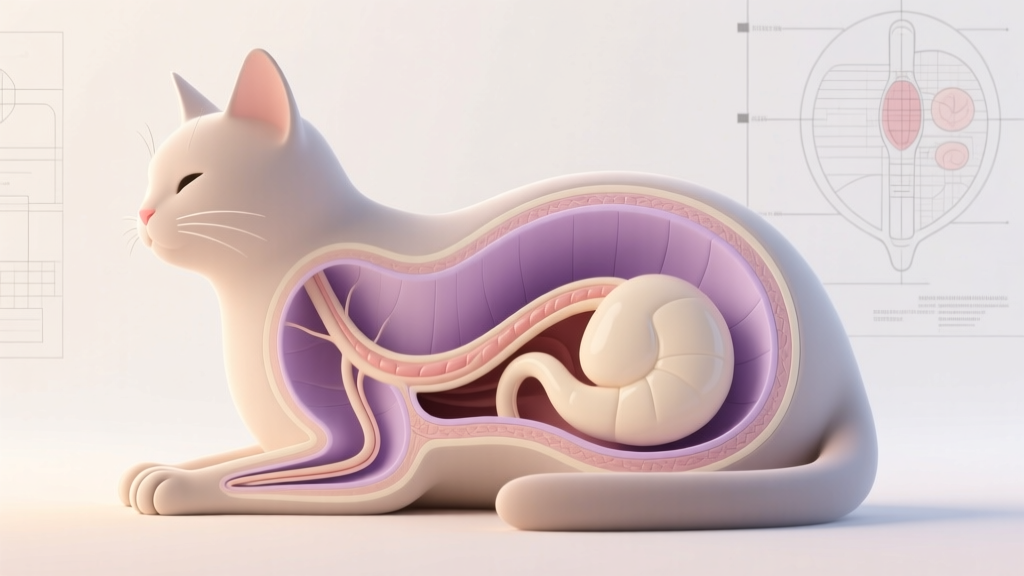
In a typical spay (ovariohysterectomy or ovariectomy), the ovaries are removed so the cat can no longer cycle (go into heat) or become pregnant. In Ovarian Remnant Syndrome, a tiny amount of ovarian tissue is unintentionally left behind during surgery. Over time, that tissue can re-establish a blood supply and start releasing reproductive hormones again.
Because cats are “seasonally polyestrous” (they can cycle repeatedly during certain times of the year, especially with longer daylight hours), even a small remnant of ovarian tissue can trigger:
- Heat behaviors
- Hormonal changes in the reproductive tract
- Occasionally, complications like infection of remaining uterine tissue (if any is present)
ORS is not the same as a cat simply acting “needy” or vocal. With ORS, the underlying driver is hormone production. Your veterinarian can help confirm whether hormones are involved and guide treatment.
3. Symptoms and warning signs to watch for
The most common sign of ORS is a cat showing signs of being in heat after spay. These signs may come and go in cycles.
Common heat-like behaviors
- Loud vocalizing (especially yowling)
- Increased affection or clinginess
- Restlessness, pacing, or rolling on the floor
- Lordosis posture (front end lowered, rear end raised, tail held to the side)
- Increased rubbing on people or objects
- Attempting to escape outdoors or seeking male cats
Physical signs that deserve a vet check
- Swollen vulva (may be subtle in cats)
- Vaginal discharge (not typical for a healthy spayed cat)
- Attraction of male cats to your home
- Skin or coat changes related to hormones (less common)
Red flags (not typical heat signs)
These symptoms may indicate an urgent issue rather than ORS alone:
- Lethargy, weakness, or hiding
- Fever (your vet will confirm)
- Loss of appetite
- Vomiting
- Painful or swollen abdomen
- Foul-smelling discharge
If you notice red flags, contact your veterinarian promptly.
4. Causes and risk factors
ORS most often happens when ovarian tissue is accidentally left behind during surgery. This can occur even with skilled surgeons—cats are small, tissues can be delicate, and visibility may be limited.
Potential causes
- Incomplete removal of ovarian tissue during spay
- Accessory (extra) ovarian tissue (rare) that isn’t easily seen
- Tissue tearing or small fragments left behind during surgery
- Adhesions or inflammation that make anatomy harder to identify
Risk factors that may increase likelihood
- Spay performed during or near heat cycles, when tissues and blood vessels can be more engorged
- Prior abdominal inflammation or scar tissue
- Very young, very small, or overweight cats (surgical visibility can be more challenging)
- History of pregnancy or uterine disease (can alter anatomy)
Even if your cat’s spay was years ago, ORS can still show up later—remnant tissue can take time to become hormonally active.
5. Diagnosis: What to expect at the vet
Diagnosing ORS typically involves confirming whether your cat is experiencing hormone-driven cycles and then locating the source if possible. Your vet will combine your history, a physical exam, and targeted testing.
Bring helpful information to your appointment
- The date (or approximate age) when your cat was spayed
- Any medical records you have from the surgery
- Notes about the behaviors: when they started, how long they last, and how often they repeat
- Videos of the behavior (very helpful for your vet)
Common diagnostic steps
- Physical exam: Your vet will look for heat signs and check overall health.
- Vaginal cytology: A gentle swab checks the types of cells present. Certain cell patterns suggest estrogen exposure.
- Hormone testing: Blood tests may include anti-Müllerian hormone (AMH), estradiol, progesterone, or others depending on timing and availability.
- Ultrasound: Can sometimes detect ovarian tissue or related changes, though small remnants can be hard to visualize.
- Testing during active signs: Many tests are more accurate if performed while your cat is actively showing heat behaviors.
Ruling out look-alike problems
Your vet may also consider:
- Urinary tract disease (straining, frequent trips to the box, vocalizing)
- Behavioral stress or environmental changes
- Vaginitis or other reproductive tract inflammation
- Stump pyometra (infection in remaining uterine tissue, if present)
6. Treatment options (medical, surgical, home care)
The best treatment depends on your cat’s symptoms, test results, and overall health. In most cases, surgical removal of the remnant tissue is considered the definitive treatment.
Surgical treatment (most common definitive option)
- Exploratory surgery to locate and remove ovarian remnant tissue
- Often performed by a veterinarian experienced in soft tissue surgery; referral may be recommended
- Timing can matter: surgery may be easier when the tissue is hormonally active and slightly enlarged
After surgery, many cats stop cycling and their heat behaviors resolve.
Medical management (selected cases)
Medication may be used short-term in certain situations (for example, if surgery must be delayed). Options vary by region and patient factors. Your veterinarian will weigh benefits and risks carefully.
- Hormonal medications may reduce cycling behaviors temporarily
- Not always a permanent fix and may carry side effects
Never give hormonal medications without veterinary guidance. Some products can increase the risk of diabetes, mammary tumors, uterine disease (if any tissue remains), and other complications.
Home care and comfort while you wait for treatment
You can’t “treat” ORS at home, but you can help your cat feel safer and reduce frustration:
- Keep your cat indoors: Cats in heat may bolt outside; prevent accidental escapes.
- Reduce exposure to male cats: Close windows/curtains if neighborhood cats are triggering stress.
- Use enrichment: Wand toys, food puzzles, and short play sessions can help redirect restless energy.
- Maintain routine: Predictable feeding and play schedules can reduce anxiety.
- Track symptoms: Note dates and behaviors to help your vet time testing.
7. Prevention strategies and early detection tips
ORS isn’t something an owner can prevent at home after the fact, but there are ways to reduce risk and catch it early.
Prevention (before and at the time of spay)
- Choose an experienced veterinary clinic for spay surgery
- Ask about pain control and surgical approach (your vet will recommend what’s appropriate)
- Schedule follow-ups if you notice any post-op concerns
Early detection tips (after spay)
- Take heat-like behaviors seriously, especially if they repeat in cycles
- Keep a simple calendar of signs (start date, duration, intensity)
- Photograph or video behaviors like lordosis posture or rolling/vocalizing
- Contact your vet sooner rather than “waiting it out,” particularly if there’s discharge or illness
8. Prognosis and quality of life
The outlook for cats with ORS is generally excellent once the remnant tissue is removed. Most cats return to their normal temperament and routines, and heat behaviors stop.
Quality of life considerations include:
- Stress and frustration during heat cycles (for cat and household)
- Risk of unwanted mating attempts if a cat escapes outdoors
- Potential medical complications if reproductive tissue remains and becomes infected
If surgery is successful and no other issues are present, long-term outcomes are typically very good.
9. When to seek emergency veterinary care
Heat behaviors alone are usually not an emergency, but certain symptoms should be treated urgently because they can indicate infection or other serious illness.
Seek emergency veterinary care if your spayed cat has any of the following:
- Vaginal discharge, especially if bloody, cloudy, yellow/green, or foul-smelling
- Lethargy, collapse, or unusual weakness
- Not eating for more than 24 hours, or not drinking
- Vomiting repeatedly or signs of dehydration
- Abdominal pain (crying out, tense belly, reluctance to move)
- Fever or very warm ears/body paired with illness signs
- Straining to urinate or frequent trips to the litter box with little output (especially if male cats are in the home too—urinary blockage is an emergency)
10. FAQ: Common questions from cat owners
Can a spayed cat really go into heat?
A fully spayed cat should not have true heat cycles. If a cat shows repeated heat-like behaviors after spay, ovarian remnant syndrome is one of the top concerns. Less commonly, other medical or behavioral issues can mimic heat signs, so a veterinary exam is the best next step.
How soon after spay can ovarian remnant syndrome show up?
It varies. Some cats show signs within weeks to months; others may not show noticeable cycling until years later. Season, daylight length, and individual hormone sensitivity can influence when signs become obvious.
Can my cat get pregnant if she has ORS?
In most cases, a spayed cat does not have a uterus, so pregnancy is not possible. However, cats with ORS can still attract male cats and may mate, which can cause stress, injuries, and infections. Very rarely, if uterine tissue remains, your veterinarian will discuss specific risks for your cat.
Is ovarian remnant syndrome painful for cats?
Heat cycles are not usually “painful,” but they can be uncomfortable and stressful. If there’s vaginal discharge, lethargy, or abdominal pain, that suggests something more than simple cycling and should be evaluated promptly.
How is ovarian remnant syndrome treated definitively?
Definitive treatment is typically surgical removal of the remaining ovarian tissue. Your vet may recommend scheduling surgery during a time when your cat is showing signs of heat, since the tissue can be easier to locate.
What can I do right now if my spayed cat is acting like she’s in heat?
- Call your veterinarian and describe the behavior, including timing and frequency.
- Keep her indoors and secure doors/windows to prevent escape.
- Record a short video of the behavior to show your vet.
- Do not give medications (especially hormones) unless prescribed.
If your spayed cat seems to be in heat, you’re not overreacting—your observations are valuable, and your vet can help confirm what’s going on and map out the safest plan. For more cat health guides, behavior tips, and wellness resources, visit catloversbase.com.