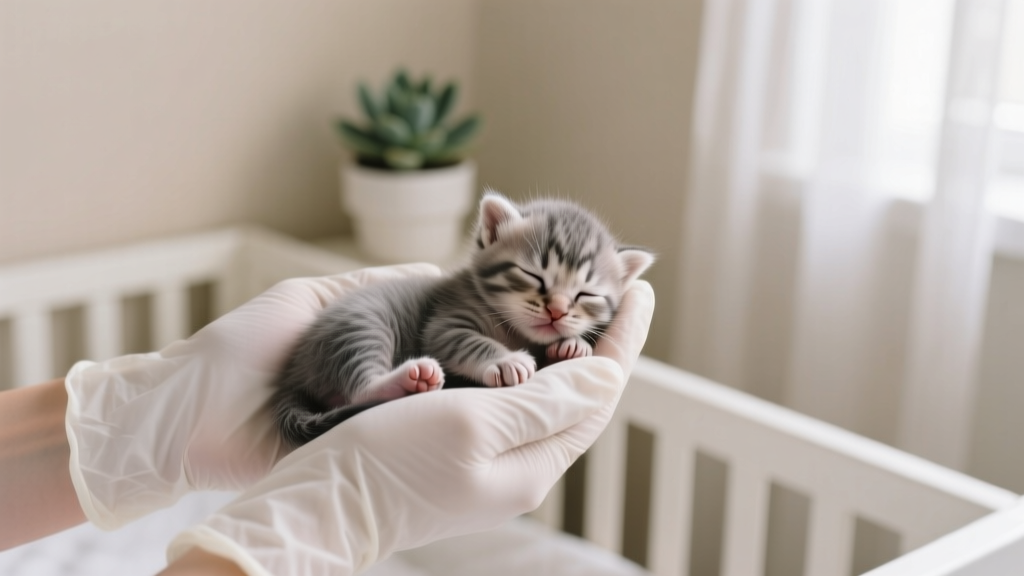
How Do You Care For A 2 Week Old Kitten? The 7 Non-Negotiable Steps Every New Caregiver Must Get Right—Because Missing Just One Could Mean Life or Death in the First 48 Hours
Why This Matters More Than You Think—Right Now
If you're asking how do you care for a 2 week old kitten, chances are you’re holding a fragile, eyes-only-half-open, barely-weighing-100g life in your hands—and time is measured in hours, not days. At two weeks old, kittens are still entirely dependent on external warmth, precise nutrition, and manual stimulation to urinate and defecate. They cannot regulate their own body temperature, have zero immunity, and lack the ability to cry loudly or move purposefully—so silent suffering is common. According to Dr. Sarah Wooten, DVM and clinical advisor for the Winn Feline Foundation, "Over 60% of neonatal kitten mortality occurs between days 3–14, most often due to hypothermia, dehydration, or aspiration during bottle feeding—issues that are 95% preventable with correct technique." This isn’t just care—it’s emergency stewardship.
1. Temperature Control: Your First Lifesaving Priority
A 2-week-old kitten’s normal rectal temperature should be 97–100°F (36.1–37.8°C). Below 94°F? That’s hypothermic shock territory—and they’ll stop nursing, become lethargic, and develop fatal metabolic acidosis within hours. Unlike adult cats, they can’t shiver effectively and lose heat 3x faster due to high surface-area-to-mass ratio. Never rely on room temperature alone: even a cozy 75°F room is dangerously cold for them.
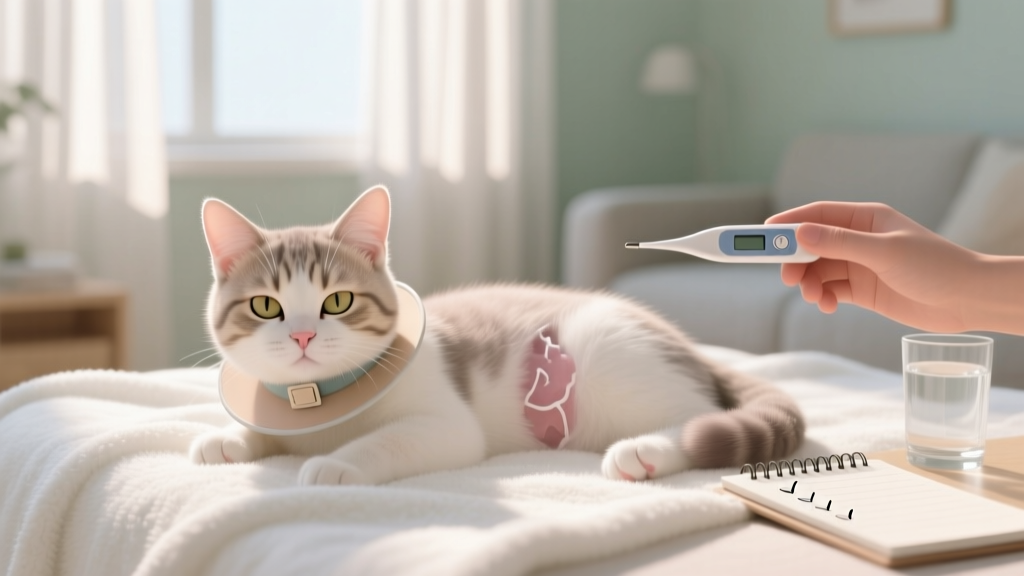
Use a digital thermometer (not glass) with lubricated tip to check rectally every 2–3 hours for the first 24 hours after intake. Place the kitten on a heating pad set to LOW (never high) inside a cardboard box lined with soft, non-looped fleece—never use electric blankets, hot water bottles (risk of burns), or direct heat lamps (dehydration risk). Always provide a cooler zone so they can self-regulate. Pro tip: Tape a second thermometer to the box wall at kitten level—not air temp—to monitor ambient surface warmth.
Real-world case: When foster caregiver Maya rescued three 12-day-old barn kittens, she assumed her heated cat bed was sufficient. Within 8 hours, one stopped suckling and developed mottled paws. A vet visit revealed mild hypothermia-induced gut stasis. After switching to a Snuggle Safe disc (microwavable, 10-hour consistent heat) with fleece barrier and strict temp logging, all three regained weight by day 5.
2. Feeding: Precision Nutrition, Not Just 'Milk'
At two weeks, kittens need 8–10 mL of formula per 100g body weight, fed every 3–4 hours—including overnight. That’s not an estimate; it’s calculated. Weigh daily on a gram-scale (kitchen scales work fine) before each feeding. Underfeeding causes failure-to-thrive; overfeeding risks aspiration pneumonia and bloat. Use only commercial kitten milk replacer (KMR or Just Born)—never cow’s milk, goat’s milk, or homemade recipes. Cow’s milk lacks taurine and has lactose levels kittens can’t digest, leading to lethal diarrhea.
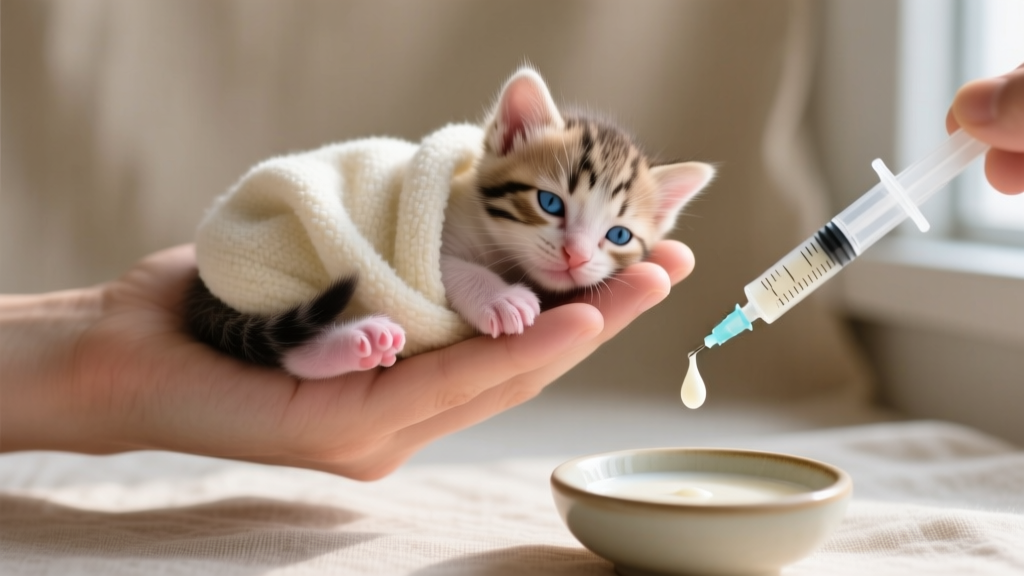
Bottle-feeding technique matters more than product choice. Use a 1–3 mL syringe (without needle) or Pritchard nipple—never human baby bottles with wide openings. Hold the kitten upright, belly-down across your palm (like a football), head slightly elevated—not on its back. Let them latch and suckle naturally; never force-feed or squeeze the bottle. If milk bubbles from the nose, stop immediately—this is aspiration risk. Gently wipe mouth with damp gauze after feeding to prevent yeast infections (common around lips and chin).
Dr. Wooten emphasizes: "I see at least two aspirated kittens weekly in ER triage—all fed lying flat or with excessive pressure. Their lungs aren’t developed enough to clear fluid. If you hear wet breathing or see nasal discharge post-feed, that’s not ‘cute sneezing’—it’s a code-red sign."
3. Stimulation & Elimination: The Hidden Emergency Skill
Here’s what no pet store pamphlet tells you: 2-week-old kittens cannot pee or poop without help. Their nervous system hasn’t matured enough to trigger reflexive elimination. Without manual stimulation after every feeding, waste backs up, causing toxic buildup, painful constipation, urinary retention, and sepsis. This isn’t optional—it’s physiological necessity.
Use a warm, damp cotton ball or soft tissue (not Q-tips—they shed fibers) and gently stroke the genital and anal area in downward motions for 30–60 seconds—mimicking mother’s licking. You should see urine within 15 seconds and stool within 60–90 seconds. Urine should be pale yellow and nearly odorless; stool should be soft, mustard-yellow, and seedy. If no output after 2 minutes, try again in 15 minutes—but if still absent after 3 attempts, contact a vet immediately. Dark, foul-smelling, or bloody stool signals infection or obstruction.
Keep a log: time fed → time stimulated → urine color/clarity → stool consistency/odor → weight change. This log is your diagnostic tool. Sudden lack of output + lethargy = possible uroabdomen (ruptured bladder) or ileus—a surgical emergency.
4. Hygiene, Monitoring & Red Flags: Reading the Silent Language
Cleanliness isn’t about comfort—it’s infection control. Change bedding with each feeding. Wash hands with soap before and after handling. Disinfect bottles/syringes in boiling water for 5 minutes (not dishwasher—heat degrades rubber nipples). Avoid scented wipes or alcohol near kittens—their livers can’t metabolize toxins.
Monitor these 5 vital signs hourly for first 48 hours:
- Respiratory rate: 15–25 breaths/min (count chest movements for 15 sec × 4). Gasping, open-mouth breathing, or wheezing = distress.
- Capillary refill time (CRT): Press gum gently—color should return in <2 seconds. >3 sec suggests shock or dehydration.
- Suck reflex: Strong, rhythmic suck = neurologically intact. Weak or intermittent = hypothermia or sepsis.
- Activity: Should wiggle when placed on belly. Limb flaccidity or head tilt = neurological concern.
- Weight gain: Minimum 5–10g/day. No gain for 24 hours = immediate vet consult.
According to the UC Davis Koret Shelter Medicine Program, kittens gaining <7g/day have 3.2x higher mortality risk than those gaining ≥10g/day—even with perfect feeding technique—suggesting underlying illness requiring diagnostics (e.g., feline panleukopenia PCR test).
| Age Range | Key Developmental Milestones | Critical Care Actions | When to Seek Emergency Care |
|---|---|---|---|
| Days 10–14 (≈2 weeks) | Eyes partially open; ear canals beginning to unseal; begins righting reflex (turns head upright when placed on side) | Continue 3–4 hr feedings; stimulate after every feed; maintain 85–90°F ambient surface temp; weigh daily | No urine/stool for >2 feeds; rectal temp <94°F or >102.5°F; refusal to suckle for >2 consecutive feeds; blue/pale gums |
| Days 15–21 | Eyes fully open; ears fully unsealed; attempts crawling; vocalizes weakly | Introduce shallow dish of warm formula (for scent association); increase stimulation duration; begin gentle handling for socialization | Wheezing/coughing; green/yellow nasal discharge; seizures; inability to lift head |
| Days 22–28 | First teeth erupt; attempts standing; follows moving objects; purrs when handled | Start gruel introduction (KMR + kitten food paste); reduce night feeds gradually; introduce litter box with shredded paper | Diarrhea lasting >12 hrs; blood in stool; sudden weight loss >5% |
Frequently Asked Questions
Can I use human baby formula or soy milk for a 2-week-old kitten?
No—absolutely not. Human infant formula lacks taurine, arginine, and arachidonic acid critical for feline retinal and cardiac development. Soy milk contains phytoestrogens linked to thyroid dysfunction in kittens and causes severe osmotic diarrhea. In a 2022 Journal of Feline Medicine & Surgery review, 89% of kittens fed non-feline milk replacers developed life-threatening electrolyte imbalances within 48 hours. Stick to KMR or Breeder’s Edge Nurture Mate—both clinically tested for neonatal absorption.
My kitten cries constantly—is that normal at 2 weeks?
Not typical. At 2 weeks, healthy kittens are mostly sleeping and feeding—not vocalizing. Persistent crying usually signals pain (e.g., abdominal cramps from constipation), chilling, or hunger due to inadequate volume or poor latch. Rule out physical causes first: check temperature, stimulate for elimination, verify full stomach (gently palpate belly—it should feel soft, not tight or hollow). If crying continues after warmth, feeding, and stimulation, seek vet evaluation for infection or congenital defect.
How do I know if my kitten is dehydrated?
Perform the ‘skin tent’ test: gently pinch skin at scruff—on a hydrated kitten, it snaps back instantly (<1 second). If it stays peaked for 2+ seconds, dehydration is moderate-to-severe. Also check gums: moist and pink = good; tacky = mild dehydration; dry and pale = severe. Another sign: sunken eyes. But remember—dehydration progresses rapidly in neonates. If you suspect it, don’t wait: offer oral rehydration solution (Pedialyte unflavored, warmed to 98°F) via syringe at 1–2 mL per 100g, then call your vet immediately. IV fluids may be needed.
Is it safe to bathe a 2-week-old kitten?
No—bathing is dangerous and unnecessary. Kittens this young cannot thermoregulate; even lukewarm water causes rapid heat loss. Dirt or formula residue can be wiped gently with warm, damp gauze. If heavily soiled (e.g., fecal matter), use a tiny amount of kitten-safe shampoo diluted 1:10 with warm water, applied only to affected area with cotton ball—then thoroughly towel-dry *while holding against a heat source*. Never immerse. Hypothermia kills faster than dirt.
When should I start deworming?
Most veterinarians recommend first deworming at 2 weeks for roundworms and hookworms—especially if mother was not recently treated. Use only prescription fenbendazole (Panacur) dosed at 50 mg/kg, repeated at 2, 4, 6, and 8 weeks. Over-the-counter dewormers are ineffective and potentially toxic. Note: Deworming should never occur if kitten is dehydrated, hypothermic, or under 100g—wait until stable. Always confirm weight and consult your vet before administering.
Common Myths Debunked
Myth #1: “If the kitten feels warm to my touch, it’s warm enough.”
False. Human skin averages 91°F—so if a kitten feels warm to your hand, it’s likely already hypothermic. Always verify with a thermometer. Their ideal surface temp is 85–90°F—cooler than your hand but warmer than room air.
Myth #2: “Stimulating too much can cause diarrhea.”
No. Proper stimulation mimics maternal behavior and supports healthy gut motility. Diarrhea results from formula intolerance, bacterial contamination, or viral infection—not stimulation frequency. In fact, skipping stimulation leads to toxic megacolon, which is far more dangerous.
Related Topics (Internal Link Suggestions)
- Signs of kitten fading syndrome — suggested anchor text: "early warning signs of fading kitten syndrome"
- How to tube feed a kitten safely — suggested anchor text: "when and how to tube feed a newborn kitten"
- Kitten weight chart by day — suggested anchor text: "neonatal kitten growth chart printable"
- Best kitten milk replacers reviewed — suggested anchor text: "KMR vs. Breeder's Edge vs. PetAg comparison"
- When to take a kitten to the vet — suggested anchor text: "kitten emergency vet checklist"
Your Next Step Starts Now
You now hold evidence-based, vet-vetted protocols—not just tips—for keeping a 2-week-old kitten alive and thriving. But knowledge without action won’t save a life. So here’s your immediate next step: Grab a notebook or open a notes app and write down TODAY’S weight, last feeding time, last stimulation time, and current surface temperature. Then, photograph your setup—heat source, bottle, scale—and text it to a local rescue or vet for a 60-second sanity check. Most clinics offer free neonatal consults for fosters. Don’t wait for ‘tomorrow.’ In kitten time, tomorrow is already too late. You’ve got this—and we’ll be here with the next guide when they hit 3 weeks.