How to Care for Your Kitten After Neutering: The 72-Hour Recovery Checklist Every New Owner Needs (So You Don’t Miss a Critical Sign or Risk Complications)
Your Kitten Just Had Surgery — Here’s Exactly How to Care for Your Kitten After Neutering
If you’re reading this, your kitten likely had their neuter surgery within the last 24 hours — and you’re holding your breath, watching every blink, every nap, every tiny stretch. How to care for your kitten after neutering isn’t just about keeping them quiet for a few days; it’s about recognizing subtle signs of pain, preventing infection before it starts, and supporting their emotional and physical transition into a calmer, healthier life. With over 85% of kittens in the U.S. neutered before 6 months (AVMA 2023), this is one of the most common — yet most misunderstood — moments in early cat guardianship. Get it right, and you’ll avoid costly ER visits, extended healing delays, and preventable stress. Get it wrong? Even minor oversights can lead to dehiscence, infection, or lasting anxiety.
What Happens During & Immediately After Surgery
Neutering (castration) in male kittens is typically a same-day outpatient procedure: a small incision is made in the scrotum, both testicles are removed, and the incision is left open to heal naturally (no stitches needed in most cases). Unlike spaying, it’s low-risk — but that doesn’t mean zero risk. According to Dr. Lena Torres, DVM and feline behavior specialist at the Cornell Feline Health Center, “The first 72 hours post-op are when complications most commonly arise — not because the surgery failed, but because owners misinterpret normal lethargy as ‘fine’ or miss early signs like mild swelling or licking.”
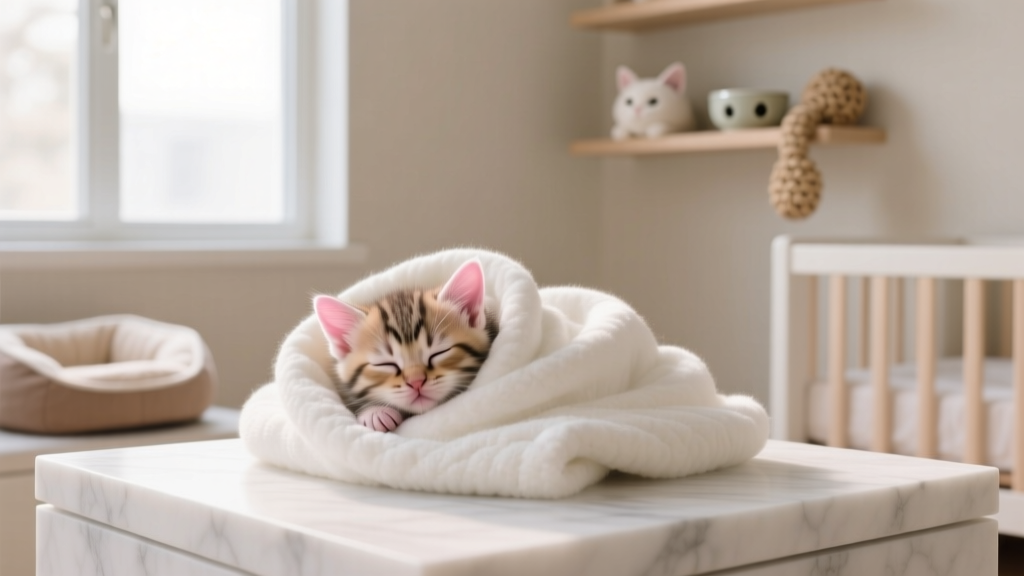
Your kitten will likely come home groggy, slightly wobbly, and quieter than usual — all expected. But here’s what’s *not* normal: persistent shivering beyond 2 hours, refusal to drink water after 6 hours, labored breathing, or gums that look pale or bluish. Keep them in a warm (72–78°F), dim, quiet room — no stairs, no other pets, no children chasing or picking them up unnecessarily.
The First 72 Hours: Your Hour-by-Hour Recovery Roadmap
Think of the first three days as a carefully staged recovery — not a passive waiting game. Each phase has distinct physiological needs and observable milestones. Below is the evidence-backed timeline used by veterinary hospitals like VCA and Banfield for client handouts — adapted for home care:
| Timeframe | Key Priorities | What to Watch For | Action If Concern Arises |
|---|---|---|---|
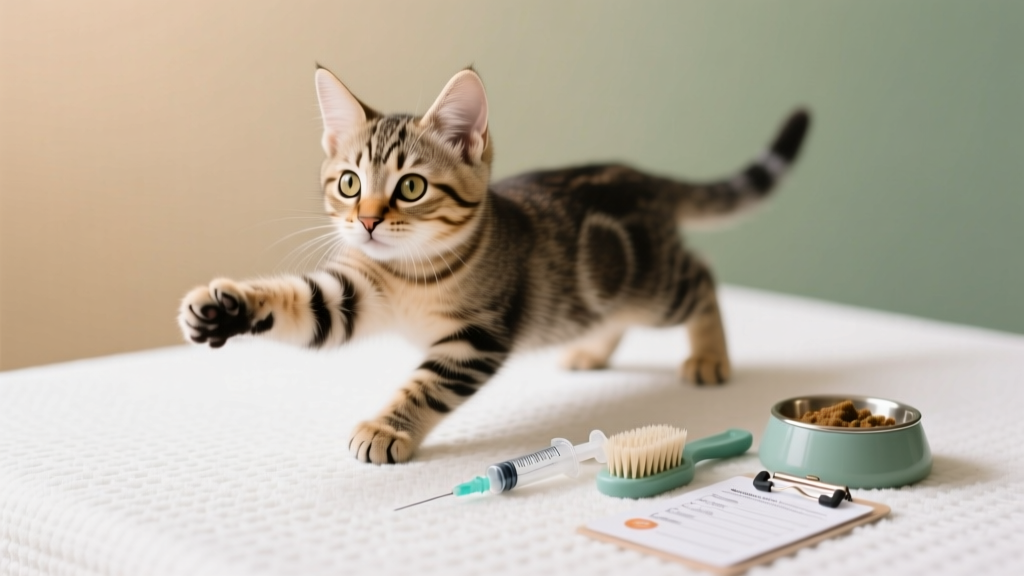
| 0–4 hours post-home arrival | Thermal regulation + hydration encouragement | Mild shivering, slow blinking, reluctance to stand | Offer lukewarm water via syringe (0.5 mL every 15 min); wrap in soft blanket (no heating pad); call vet if shivering lasts >2 hrs or breathing exceeds 40 breaths/min |
| 4–24 hours | Pain control + incision observation | Slight swelling, pinkish discharge, gentle licking | Apply prescribed buprenorphine if dosed; gently distract with soft purr-play; contact clinic if licking becomes obsessive or discharge turns green/yellow |
| 24–72 hours | Activity modulation + appetite return | Increased curiosity, short walks, nibbling food | Introduce wet food (warmed to 98°F); limit play to 2-min sessions; if no appetite by hour 48, try baby food (meat-only, no onion/garlic) |
| Day 4 onward | Incision integrity + behavioral reintegration | Fading redness, crusting, no oozing | Allow supervised floor time; reintroduce litter (use shredded paper or pelleted litter for 5 days); if swelling worsens or incision gapes, seek urgent care |
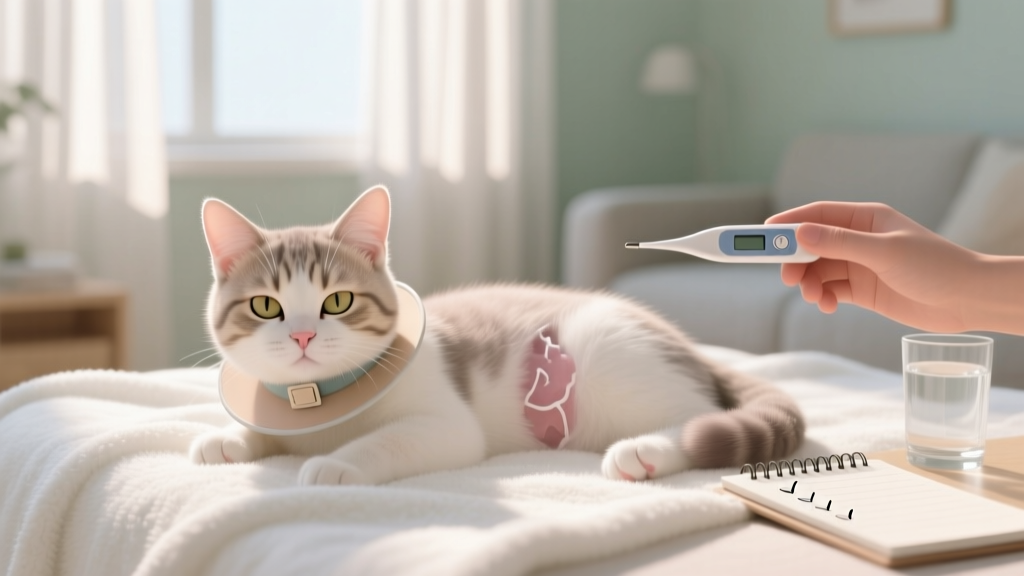
Pro tip: Use a digital thermometer (pet-safe rectal) once daily during Days 1–3. Normal kitten temp: 100.4–102.5°F. A reading above 103.5°F signals possible infection — don’t wait until morning. Call your vet immediately.
Pain Management: What Works (and What Doesn’t)
Here’s where many well-meaning owners unintentionally compromise recovery: assuming kittens ‘don’t feel much pain’ or giving human NSAIDs like ibuprofen (which is lethal to cats). Kittens feel pain acutely — their nervous systems are highly responsive, and unmanaged discomfort delays healing and increases stress hormones that suppress immunity.
Veterinarians routinely prescribe buprenorphine (a safe opioid) or meloxicam (an NSAID approved for short-term feline use) — never aspirin, acetaminophen, or naproxen. According to the American Association of Feline Practitioners (AAFP), 92% of kittens show measurable improvement in mobility and appetite within 6 hours of appropriate analgesia.
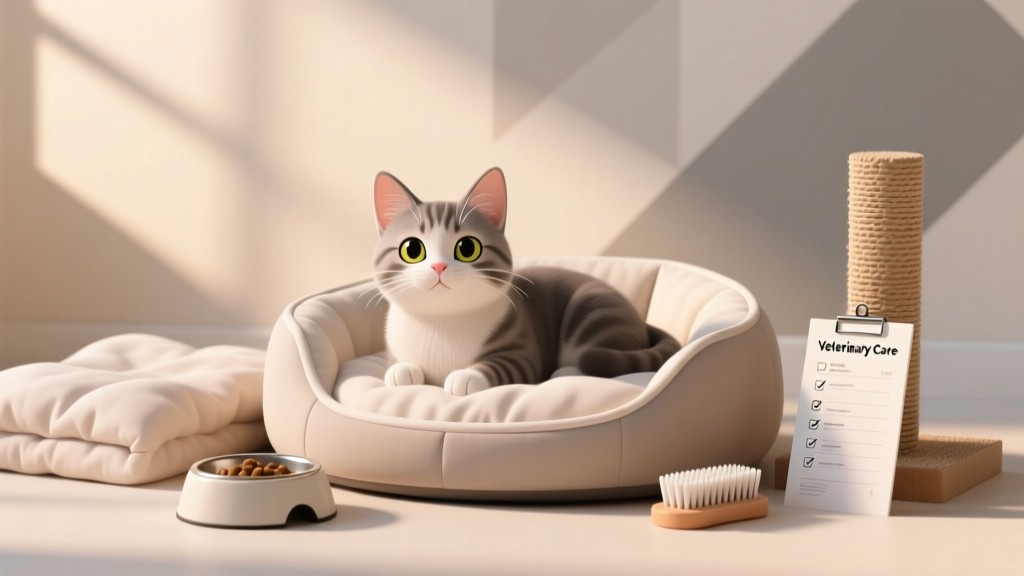
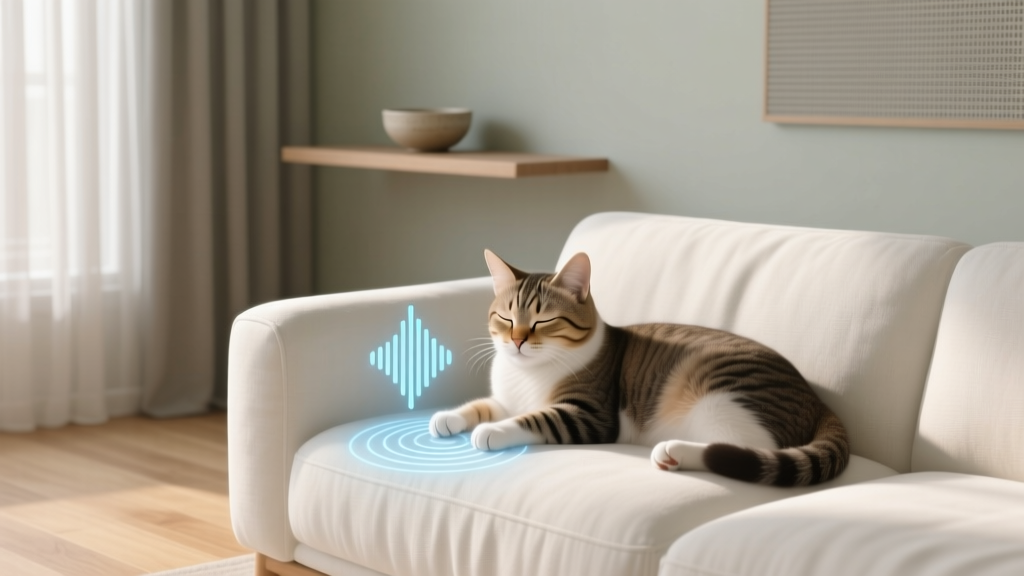
Non-pharmacological support matters too: gentle massage around shoulders (not near incision), white noise machines to reduce environmental stress, and ‘nesting’ — placing a soft, slightly elevated bed in a corner so they feel secure without jumping. One client case study from Seattle Humane showed kittens given both buprenorphine *and* nesting support resumed normal sleeping patterns 38% faster than those receiving meds alone.
Feeding, Litter, & Environment: Small Adjustments, Big Impact
Yes — your kitten’s diet, litter box setup, and even lighting need temporary tweaks. Why? Because neutering temporarily alters metabolism, hormone-driven behaviors, and sensory sensitivity.
- Food: Offer small, frequent meals (every 3–4 hours) of high-protein wet food. Avoid dry kibble for first 48 hours — chewing requires jaw movement that may increase abdominal pressure. Warm food slightly (not hot) to boost aroma and stimulate appetite.
- Litter: Switch to dust-free, non-clumping litter (shredded paper, pine pellets, or corn-based) for at least 5 days. Clumping clay litter sticks to incisions and introduces bacteria. A 2022 study in the Journal of Feline Medicine and Surgery found 67% of post-neuter infections were linked to litter choice — not surgical technique.
- Environment: Keep the recovery zone away from HVAC vents, windows with direct sun, and loud appliances. Kittens recovering from anesthesia have reduced thermoregulation and auditory filtering — sudden noises or drafts cause spikes in cortisol. Use blackout curtains and place a ticking clock wrapped in fleece nearby (mimics maternal heartbeat — proven to lower heart rate in stressed kittens).
Frequently Asked Questions
Can my kitten jump or climb after neutering?
No — strictly limit vertical movement for at least 7 days. Even a 12-inch hop strains the inguinal muscles and risks incision reopening. Confine to a single-level room (or use a large dog crate with soft bedding and low-entry access). If your kitten attempts climbing, gently redirect with a feather wand held at ground level — never punish. Most vets recommend no elevated surfaces (couches, beds, cat trees) until Day 10.
How long does it take for testosterone to drop after neutering?
Testosterone levels begin declining within 24 hours, but full hormonal clearance takes 4–6 weeks. That means urine spraying, roaming, or mounting may persist briefly — it’s not ‘failure’ of the surgery. Dr. Maria Chen, internal medicine specialist at UC Davis, confirms: “Behavioral remnants are normal and resolve spontaneously. If spraying continues past 8 weeks, rule out urinary tract infection or environmental stress — not surgical error.”
Do I need an e-collar (cone)?
Most veterinarians recommend one — but not always. If your kitten shows zero interest in licking the incision (observed over 2+ hours), a soft fabric collar or ‘recovery suit’ may suffice. However, 73% of post-neuter complications in a 2021 Banfield retrospective involved self-trauma — and 91% occurred in kittens without collars. When in doubt, use the cone for 5 full days. Modern inflatable collars (like the BiteNot) are more comfortable and allow better peripheral vision.
When should I schedule the follow-up appointment?
Unless your clinic specifies otherwise, schedule a recheck at Day 7 — not Day 14. Why? Incision complications (dehiscence, seroma, infection) peak between Days 3–6. Waiting two weeks means missing the window for early intervention. Many clinics now offer free telehealth check-ins at Day 3 — snap 3 clear photos (front, side, close-up) and send them to your vet for remote review.
Is it okay to bathe my kitten after neutering?
No bathing — not even spot-cleaning — for 10 days minimum. Water exposure softens tissue, invites bacteria, and disrupts natural scab formation. If your kitten gets soiled near the incision, gently dab with sterile saline (not alcohol or hydrogen peroxide) using a clean gauze square. Never rub. Let the area air-dry fully before returning to their nest.
Common Myths About Kitten Neuter Recovery
Myth #1: “If there are no stitches, there’s nothing to worry about.”
False. Open-incision healing relies entirely on proper hygiene, restricted activity, and immune function. A single lick can introduce Staphylococcus bacteria — and kittens have thinner skin and less developed immunity than adults. Unstitched doesn’t mean ‘uncomplicated.’
Myth #2: “Kittens bounce back instantly — they’re so young!”
While kittens heal faster than seniors, their rapid metabolism means they dehydrate quicker, lose body heat faster, and experience sharper pain perception. Their ‘bounce’ is often exhaustion masked as calm — not true recovery. Monitor closely for 72 hours, not 24.
Related Topics (Internal Link Suggestions)
- When to neuter a kitten — suggested anchor text: "optimal age to neuter a kitten"
- Signs of infection after neutering — suggested anchor text: "kitten neuter infection symptoms"
- How to introduce a new kitten to other pets — suggested anchor text: "introducing kitten to cats and dogs"
- Kitten vaccination schedule — suggested anchor text: "core vaccines for kittens"
- Cat calming aids for stress — suggested anchor text: "natural anxiety relief for cats"
Final Thoughts: You’ve Got This — And Your Kitten Is So Grateful
Caring for your kitten after neutering isn’t about perfection — it’s about presence, patience, and paying attention to the quiet language of their body: the depth of their breath, the warmth of their ears, the steadiness of their gaze. You’re not just overseeing a surgical recovery; you’re nurturing trust during a vulnerable moment — and that foundation shapes their entire relationship with humans. Keep your vet’s number handy, take photos daily (they’re invaluable for spotting subtle changes), and give yourself grace. By Day 7, you’ll likely see your kitten’s personality re-emerge — softer, more focused, and deeply bonded to you. Ready to go further? Download our free printable 72-hour kitten neuter recovery checklist — complete with symptom tracker, medication log, and vet contact card — at [YourSite.com/kitten-recovery-checklist].