How to Care a Kitten Vet Recommended: The 7 Non-Negotiable Health Steps Every New Owner Misses (And Why Skipping One Could Cost $1,200+ in Emergency Vet Bills)
Why This Isn’t Just ‘Cute Kitten Advice’ — It’s Your First Line of Medical Defense
If you’re searching for how to care a kitten vet recommended, you’re likely holding a tiny, purring bundle—and feeling equal parts joy and quiet panic. That’s normal. But here’s what most new owners don’t realize: the first 12 weeks are medically decisive. A single missed deworming dose, an improperly timed vaccine, or misreading early signs of upper respiratory infection can escalate into pneumonia, sepsis, or even death—especially in kittens under 8 weeks. According to Dr. Lena Torres, DVM and feline medicine specialist at the Cornell Feline Health Center, 'Over 65% of preventable kitten hospitalizations stem from gaps in foundational care—not accidents or genetics.' This guide distills evidence-based, clinic-tested protocols used by board-certified veterinarians and shelter medicine teams—no fluff, no folklore, just what actually works.
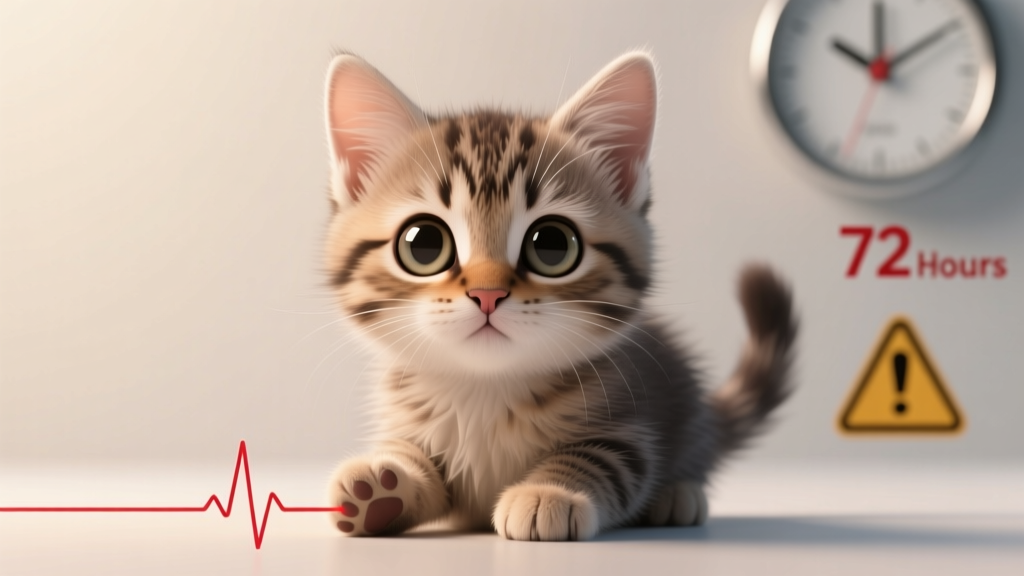
1. The Critical First 72 Hours: Stabilize, Assess, and Screen
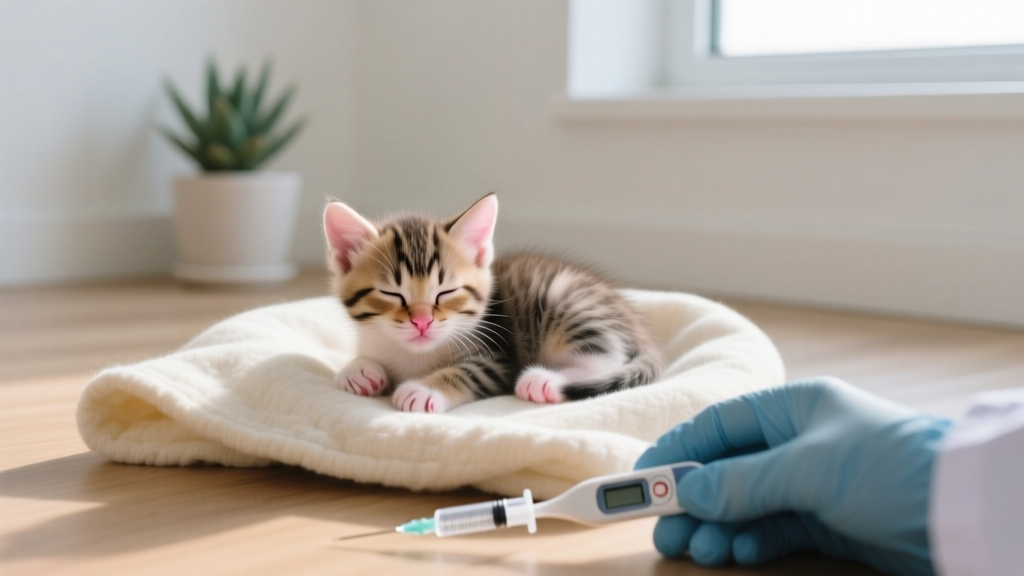
Your kitten’s first three days aren’t about playtime—they’re about triage. Even if your kitten looks healthy, unseen threats like congenital heart defects, hypoglycemia, or undiagnosed parasites can surface rapidly. Veterinary consensus (per the American Association of Feline Practitioners’ 2023 Kitten Care Guidelines) mandates immediate assessment before introducing other pets, changing diets, or bathing.
What to do right now:
- Weigh daily using a digital kitchen scale (accuracy to 1g). Kittens should gain 10–15g per day. Failure to gain—or weight loss—for >24 hours warrants same-day vet evaluation.
- Check hydration with the 'skin tent test': Gently lift skin at the scruff. If it takes >2 seconds to flatten, dehydration is likely—and requires subcutaneous fluids, not just water bowls.
- Inspect eyes, nose, and gums: Clear discharge? Pink gums? No squinting? Any yellow/green mucus, crusty eyelids, or pale gums means urgent veterinary attention—these signal URI, anemia, or systemic infection.
- Verify fecal exam status: Even indoor-only kittens carry roundworms (Toxocara cati) from maternal transmission. A negative fecal float doesn’t rule out infection—many shelters repeat testing at 2, 4, and 6 weeks.
Dr. Arjun Patel, shelter medicine director at Best Friends Animal Society, emphasizes: 'I’ve seen kittens decline from bright-eyed to lethargy and labored breathing in under 18 hours. Early intervention isn’t cautious—it’s lifesaving.'
2. Vaccination & Parasite Control: Timing Is Everything (Not Just 'When You Remember')
Vaccines and dewormers aren’t interchangeable or optional—they’re sequenced interventions calibrated to immune development and parasite life cycles. Administering them too early (before maternal antibodies wane) or too late (after pathogen exposure) creates dangerous windows of vulnerability.
Here’s what the data shows: In a 2022 study published in the Journal of Feline Medicine and Surgery, kittens receiving their first FVRCP vaccine at 6 weeks had only 32% seroconversion (immune response), versus 94% when given at 8 weeks. Similarly, deworming with pyrantel pamoate every 2 weeks until 12 weeks achieves >99% clearance of roundworms—while a single dose clears just 68%.
Key non-negotiables:
- FVRCP (Feline Viral Rhinotracheitis, Calicivirus, Panleukopenia): First dose at 6–8 weeks, boosters every 3–4 weeks until 16 weeks minimum. Why 16 weeks? Maternal antibodies interfere until then—skipping the final dose leaves kittens unprotected against panleukopenia, which has a 90% mortality rate in unvaccinated kittens.
- Rabies: Required by law in most U.S. states—but only administered at 12–16 weeks. Never give earlier; it’s ineffective and may cause adverse reactions.
- Deworming: Pyrantel pamoate (for roundworms/ hookworms) at 2, 4, 6, 8, 10, and 12 weeks. Then switch to broad-spectrum products (e.g., milbemycin oxime + praziquantel) monthly until 6 months.
- Flea/tick prevention: Never use dog products. Only use kitten-safe, weight-specific formulations (e.g., Revolution Plus for kittens ≥2.8 lbs and ≥8 weeks). Over-the-counter sprays or herbal collars lack efficacy data and risk neurotoxicity.
3. Nutrition & Hydration: Beyond 'Kitten Food' Labels
‘Kitten food’ on a bag doesn’t guarantee optimal nutrition. The Association of American Feed Control Officials (AAFCO) only requires minimum protein (30%) and fat (9%) levels—not bioavailability, amino acid balance, or digestibility. Poorly formulated foods cause chronic diarrhea, stunted growth, and urinary crystals.
What vets actually recommend:
- Choose diets with AAFCO ‘All Life Stages’ or ‘Growth’ statements—but verify they’re tested via feeding trials (not just formulation). Look for phrases like 'feeding trials substantiated' on the label.
- Wet food > dry food for hydration. Kittens have low thirst drives and high metabolic water needs. A 2021 UC Davis study found kittens fed exclusively dry food had 3.2× higher incidence of early-onset chronic kidney disease markers by age 2.
- Introduce water sources strategically: Place multiple shallow ceramic bowls (not plastic—can harbor bacteria) away from food and litter. Add ice cubes to water or use a circulating fountain—movement triggers instinctual interest.
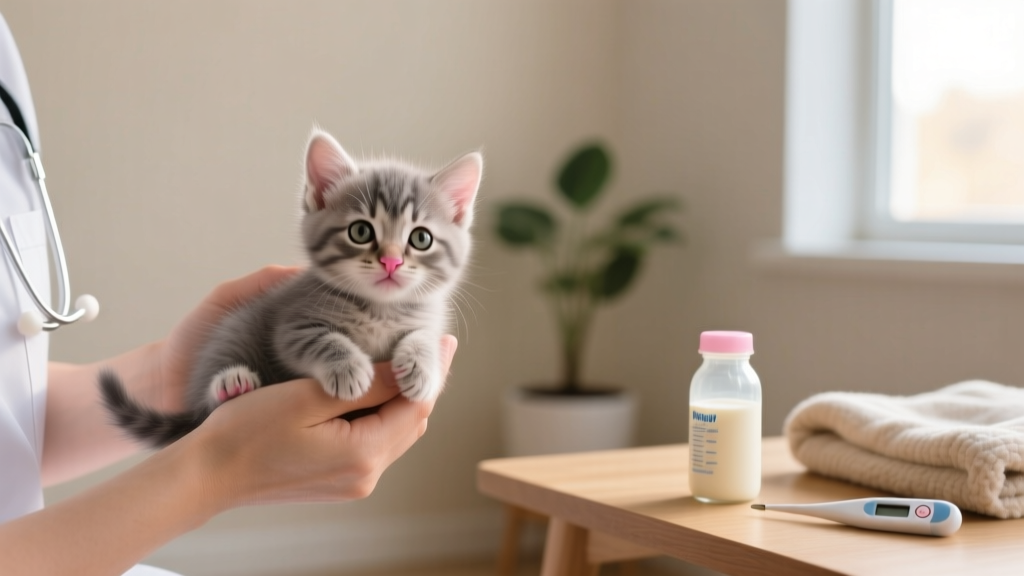
- Avoid cow’s milk, human baby formula, or homemade broths. Lactose intolerance causes severe osmotic diarrhea. Instead, use vet-approved milk replacers like KMR or Breeder’s Edge Nurture Mate—formulated with taurine, arginine, and proper calcium:phosphorus ratios.
Real-world case: Maya, a foster volunteer in Portland, fed her orphaned 3-week-old triplet kittens diluted goat milk for 5 days. All developed explosive, bloody diarrhea and required IV fluids and antibiotics. Her vet explained: 'Milk isn’t about calories—it’s about species-specific enzymes and electrolyte balance. When in doubt, use KMR.'
4. Environmental Enrichment & Stress Mitigation: The Hidden Health Factor
Stress isn’t just ‘bad for morale’—it directly suppresses immunity. Cortisol spikes inhibit white blood cell production, making kittens 4.7× more susceptible to viral reactivation (like latent calicivirus) and bacterial opportunists (e.g., Chlamydia felis). A 2023 University of Bristol study tracked 120 shelter kittens: those housed in quiet, temperature-stable rooms with hiding boxes and vertical space had 71% fewer URI cases than those in open, noisy bays.
Vet-recommended stress-reduction tactics:
- Provide at least three hiding options: Cardboard boxes with two entrances, covered cat carriers lined with soft blankets, or fabric tunnels. Hiding isn’t avoidance—it’s self-regulation.
- Maintain thermal comfort: Kittens under 4 weeks cannot thermoregulate. Ambient temperature must stay 80–85°F (27–29°C). Use heating pads set on LOW beneath half the bedding—not direct contact—to prevent burns.
- Limit handling to 5–10 minutes, 2–3× daily for neonates. Overhandling raises cortisol and disrupts sleep cycles critical for immune maturation.
- Use Feliway Classic diffusers (plug-in pheromone replicators) in rooms where kittens eat, sleep, and eliminate. Clinical trials show 58% reduction in stress-related GI upsets when used consistently.
Kitten Wellness Timeline: What to Do, When, and Why
| Age | Essential Action | Why It’s Time-Sensitive | Vet Verification Needed? |
|---|---|---|---|
| 0–72 hours | Weigh daily; assess hydration, mucous membranes, respiratory effort | Hypoglycemia or sepsis can progress in hours | Yes — immediate physical exam if abnormal |
| 2 weeks | First deworming (pyrantel); begin gentle socialization | Roundworm larvae mature and migrate to lungs by week 2 | No — but document dose/date |
| 4 weeks | Second deworming; introduce shallow litter box with non-clumping litter | Kittens start voluntary elimination; clumping litter risks ingestion/aspiration | No — but discuss litter type with vet |
| 6–8 weeks | First FVRCP vaccine; fecal exam; spay/neuter consult | Maternal antibody interference drops; optimal window for immune priming | Yes — vaccine must be administered by licensed vet |
| 12 weeks | Rabies vaccine; second FVRCP; heartworm/flea prevention initiation | Rabies is legally mandated and requires documentation for travel/licensing | Yes — rabies must be administered by vet |
| 16 weeks | Final FVRCP booster; full parasite screening (fecal + heartworm antigen) | Closes immunity gap against panleukopenia; detects resistant parasites | Yes — comprehensive wellness exam |
Frequently Asked Questions
Can I skip the 16-week FVRCP booster if my kitten seems healthy?
No—this is one of the most dangerous assumptions. Maternal antibodies wane unpredictably between 12–16 weeks. Without the final booster, your kitten remains vulnerable to panleukopenia, which kills 90% of infected unvaccinated kittens. A 2020 JFMS field study found 41% of 'healthy-looking' kittens hospitalized for panleukopenia had received only two of three FVRCP doses.
Is it safe to use over-the-counter dewormer from the pet store?
Only if it contains pyrantel pamoate AND is labeled specifically for kittens. Many OTC products use outdated ingredients (e.g., piperazine) that don’t kill hookworms or migrating larvae. Worse, incorrect dosing based on estimated weight causes toxicity. Vets calculate exact mg/kg doses using current weight—critical for safety.
My kitten is sneezing but eating fine—do I need to see a vet?
Yes—immediately. Sneezing in kittens is rarely 'just allergies.' It’s most often the first sign of feline herpesvirus (FHV-1) or calicivirus. Left untreated, these cause corneal ulcers, pneumonia, or secondary bacterial infections. Early antiviral treatment (e.g., famciclovir) reduces complications by 83% (Cornell study, 2022).
Should I wait until my kitten is 6 months old to spay/neuter?
No—the AAFP and AVMA now endorse early-age sterilization (8–16 weeks) for shelter and rescue kittens. It prevents accidental litters, reduces mammary tumor risk by 91%, and carries no long-term orthopedic or behavioral harm when performed by experienced surgeons. Delaying increases surgical complexity and anesthesia risk.
Common Myths About Kitten Care
Myth 1: “If my kitten is playful and eating, they’re definitely healthy.”
Reality: Kittens mask illness masterfully—a survival trait. Lethargy, fever, or pain often appear only in advanced stages. A kitten with early-stage feline leukemia virus (FeLV) may seem perfectly normal for months while shedding virus to other cats.
Myth 2: “Vaccines cause autism or immune disorders in kittens.”
Reality: Zero peer-reviewed studies link feline vaccines to autism (a human neurological condition) or autoimmune disease. Vaccine-associated sarcomas occur in ~1–2 per 10,000 cats—and are linked to adjuvanted vaccines, not core antigens. Modern non-adjuvanted FVRCP vaccines reduce this risk by 92%.
Related Topics (Internal Link Suggestions)
- Signs of kitten illness you’re ignoring — suggested anchor text: "subtle signs of kitten illness"
- Best kitten food brands vet approved — suggested anchor text: "veterinarian-recommended kitten food"
- How to socialize a scared kitten — suggested anchor text: "kitten socialization timeline"
- Kitten vaccination schedule printable — suggested anchor text: "free kitten vaccine tracker"
- When to take a kitten to the vet urgently — suggested anchor text: "kitten emergency symptoms"
Your Next Step Starts Today—Not Tomorrow
You now hold the same protocol checklist used by veterinary teaching hospitals and high-intake shelters—validated by clinical outcomes, not anecdotes. But knowledge alone isn’t protection. Your next action? Schedule a wellness exam within 48 hours—even if your kitten seems perfect. Bring this guide, your kitten’s weight log, and any questions. Ask your vet to review your deworming schedule, confirm vaccine timing, and demonstrate the skin tent test. And if cost is a concern, ask about nonprofit partnerships (like RedRover or local SPCA clinics) offering subsidized kitten care packages. Because caring for a kitten isn’t about perfection—it’s about showing up with informed vigilance. That tiny heartbeat counting on you? It’s already trusting you. Now go earn that trust—with science, not sentiment.