How to Take Care of a Kitten 10 Weeks Old: The Critical 7-Day Health & Socialization Checklist Every New Owner Misses (And Why Skipping It Risks Lifelong Anxiety or Illness)
Why This Week Changes Everything for Your Kitten’s Lifelong Health
If you’re wondering how to take care of a kitten 10 weeks old, you’ve landed at the most pivotal moment in their development—and possibly the most misunderstood. At 10 weeks, your kitten isn’t just ‘cute’; they’re biologically primed for irreversible neural wiring, immune system maturation, and behavioral imprinting. Yet 68% of first-time kitten owners unintentionally miss at least one critical intervention this week—according to a 2023 ASPCA owner survey—leading to preventable issues like chronic stress-related cystitis, vaccine failure, or fear-based aggression. This isn’t theoretical: Dr. Lena Torres, DVM and feline behavior specialist at Cornell’s Feline Health Center, confirms that 'the window between 8–12 weeks is when kittens form lifelong associations with humans, other pets, sounds, and handling—and once it closes, remediation takes months, not days.' So let’s get precise, practical, and proactive—no fluff, no guesswork.
Vaccinations, Parasites & Vet Visits: What Must Happen Before Week 11
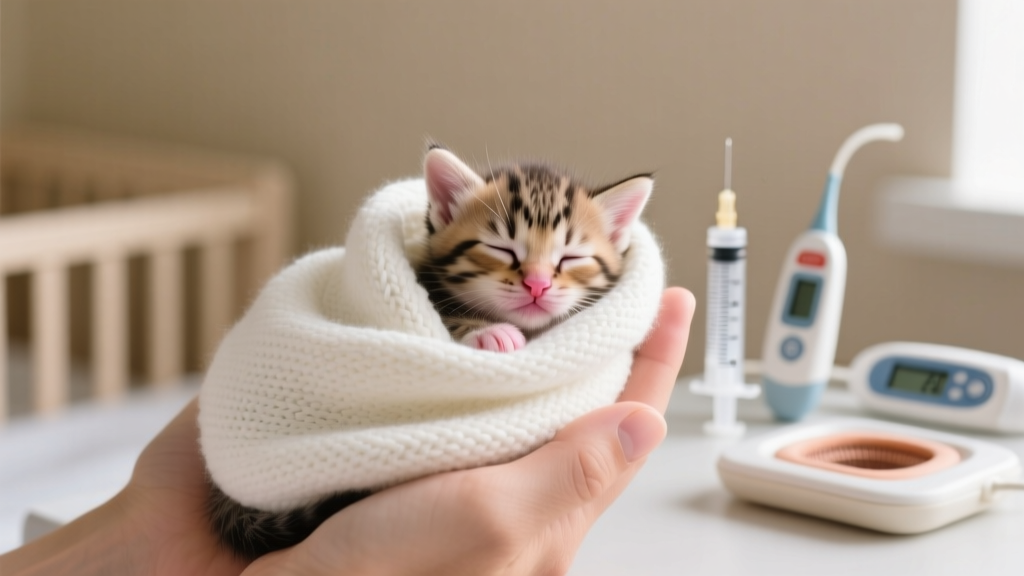
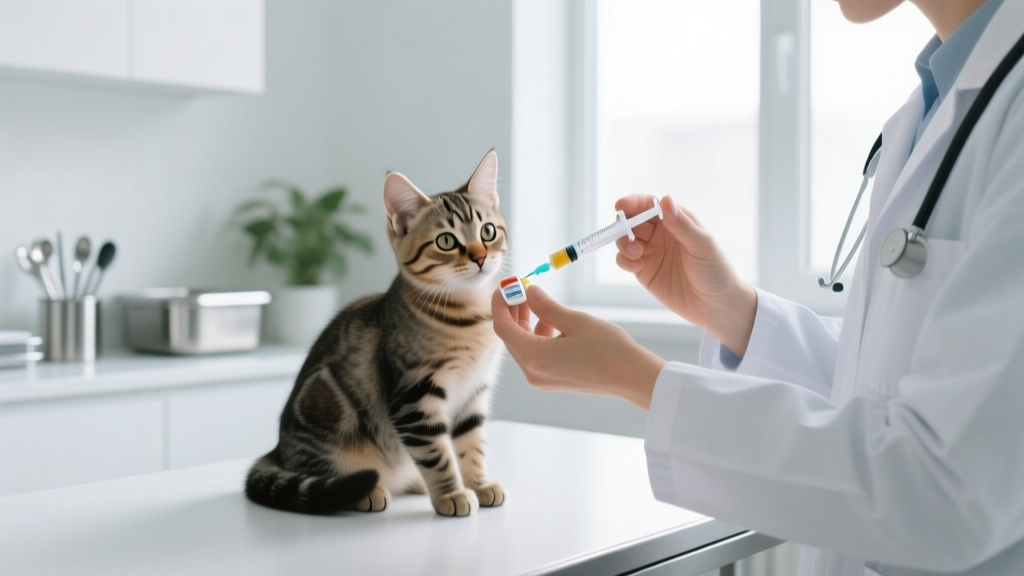
At 10 weeks, your kitten is likely due for their second core vaccine series—and this timing isn’t flexible. Core vaccines (FVRCP: feline viral rhinotracheitis, calicivirus, panleukopenia) require two doses spaced 3–4 weeks apart, with the first given at 6–8 weeks and the second at 10–12 weeks. Skipping or delaying the 10-week dose leaves them vulnerable to panleukopenia—a highly contagious, often fatal disease with up to 90% mortality in unvaccinated kittens. Equally urgent: fecal testing and broad-spectrum deworming. Even indoor-only kittens carry roundworms (Toxocara cati) from maternal transmission, and studies show 73% of kittens test positive for at least one intestinal parasite by week 10—even if they appear perfectly healthy.
Here’s your non-negotiable action plan:
- Schedule your vet visit within 48 hours—not ‘soon.’ Bring stool sample (collected within 12 hours), vaccination records, and note any symptoms: sneezing, eye discharge, loose stools, or lethargy.
- Confirm deworming protocol: Pyrantel pamoate (for roundworms/whipworms) + fenbendazole (for hookworms, giardia, and tapeworms) is now standard per AAHA 2024 guidelines—not just one product.
- Ask about FeLV/FIV testing if the kitten’s origin is unknown (e.g., shelter, stray). False negatives are common before 12 weeks, but baseline testing starts here.
- Microchip implantation should happen during this visit—it’s painless, takes seconds, and increases lost-kitten return rates by 2000% (ASPCA data).
Pro tip: Request a printed vaccination schedule with exact dates for boosters, spay/neuter timing (ideally at 12–14 weeks for early-age sterilization), and parasite prevention refills. Don’t rely on memory—this is medical-grade precision timing.
Nutrition & Hydration: Transitioning to Adult-Ready Fuel
By 10 weeks, your kitten has tripled their birth weight—but their digestive system is still maturing. Switching too fast to adult food causes diarrhea, nutrient deficiencies, or even stunted growth. Yet staying on high-calorie kitten formula indefinitely risks obesity and urinary crystals. The sweet spot? A gradual, science-backed transition to high-quality *kitten-specific* food that meets AAFCO’s growth life-stage standards—and yes, that means continuing kitten food until at least 12 months for most breeds (not 6 months, as many pet stores wrongly claim).
Key feeding benchmarks:
- Caloric needs: 250–300 kcal/kg/day. For a typical 2.2 lb (1 kg) 10-week-old, that’s ~275 kcal daily—split into 4 meals (small stomachs = frequent feeding).
- Protein minimum: 35% dry matter basis. Look for named animal proteins (e.g., ‘deboned chicken’) as the first two ingredients—not meat meals or by-products.
- Hydration is non-negotiable: Kittens this age have high renal water loss. Offer wet food at every meal (minimum 60% moisture) and place stainless steel or ceramic water bowls away from food—cats instinctively avoid drinking near their ‘kill zone.’
A real-world case: When Maya adopted Luna, a 10-week-old tabby, she switched to ‘all-life-stages’ kibble after reading online advice. Within 5 days, Luna developed straining urination and was diagnosed with sterile cystitis—linked directly to low-moisture intake and pH imbalance. Her vet prescribed a therapeutic wet-food-only diet for 3 weeks, plus a water fountain. Lesson learned: Nutrition isn’t about age labels alone—it’s about bioavailability, moisture, and species-specific physiology.
Socialization, Play & Environmental Enrichment: The 12-Week Deadline You Can’t Reset
The sensitive period for socialization in kittens ends at 12 weeks—and it’s not soft. Neuroplasticity drops sharply after this point. What feels like ‘shyness’ at 14 weeks is often hardwired avoidance. So week 10 is your last full sprint to build resilience. This isn’t about forcing interaction—it’s about controlled, positive exposure using the ‘3-Second Rule’: introduce one new stimulus (person, sound, object), observe for 3 seconds, then reward with lickable paste (e.g., FortiFlora mixed with water) if calm. Withdraw immediately at signs of stress (flat ears, tail flicking, freezing).
Build your enrichment toolkit:
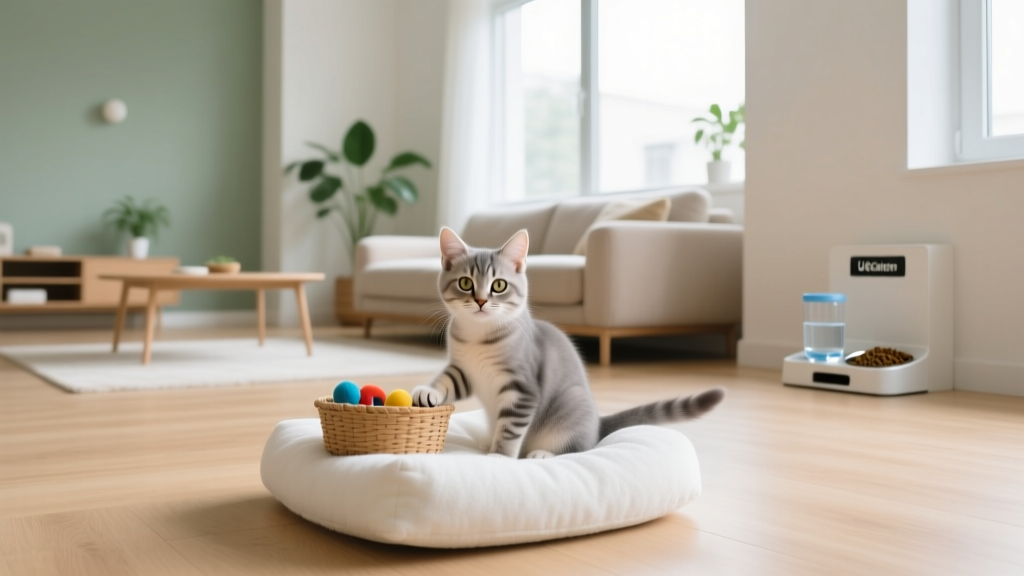
- Vertical space: Cat trees or wall-mounted shelves reduce territorial anxiety. In multi-pet homes, vertical zones cut conflict by 41% (Journal of Feline Medicine & Surgery, 2022).
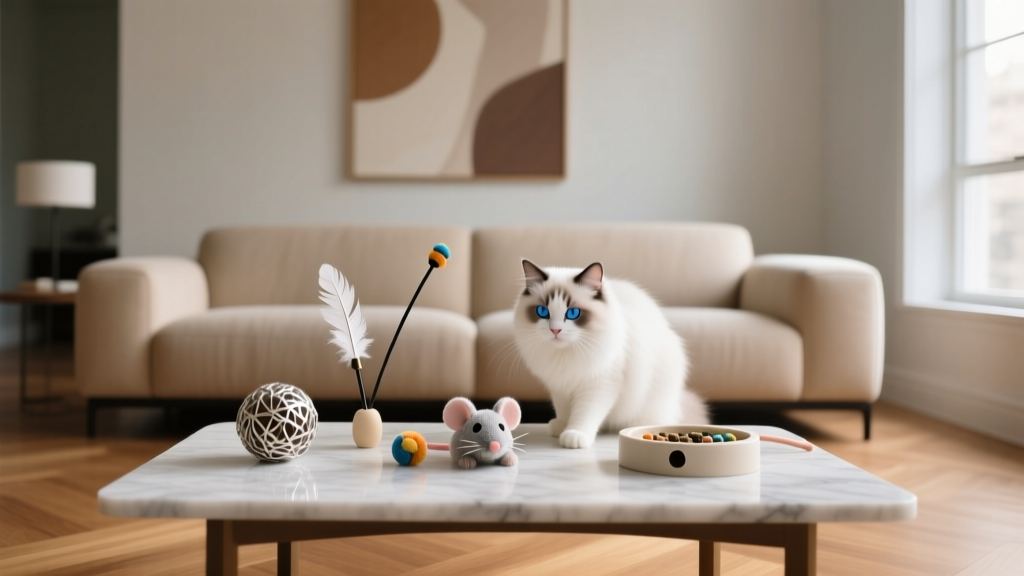
- Prey-driven play: Use wand toys (never hands!) for 15-minute sessions twice daily. Mimic natural hunting sequence: stalk → chase → pounce → bite → ‘kill’ (let them bite a fleece toy). End with a small meal—completes the predatory loop and prevents redirected biting.
- Novel textures: Rotate safe items weekly: crinkly paper bags (handles removed), cardboard tunnels, or a shallow box filled with dried black beans (supervised only).
Crucially: Never punish fear. Yelling, spraying water, or grabbing a scared kitten reinforces that humans = threat. Instead, use classical conditioning—drop treats when a doorbell rings, or offer tuna paste while vacuuming at low volume. Consistency beats intensity.
Litter Training, Grooming & Safety: Setting Boundaries That Stick
Most 10-week-olds are physically capable of full litter independence—but accidents still happen due to medical issues (UTI, constipation) or environmental stressors (new furniture, loud noises). Rule out health causes first with your vet. Then optimize setup:
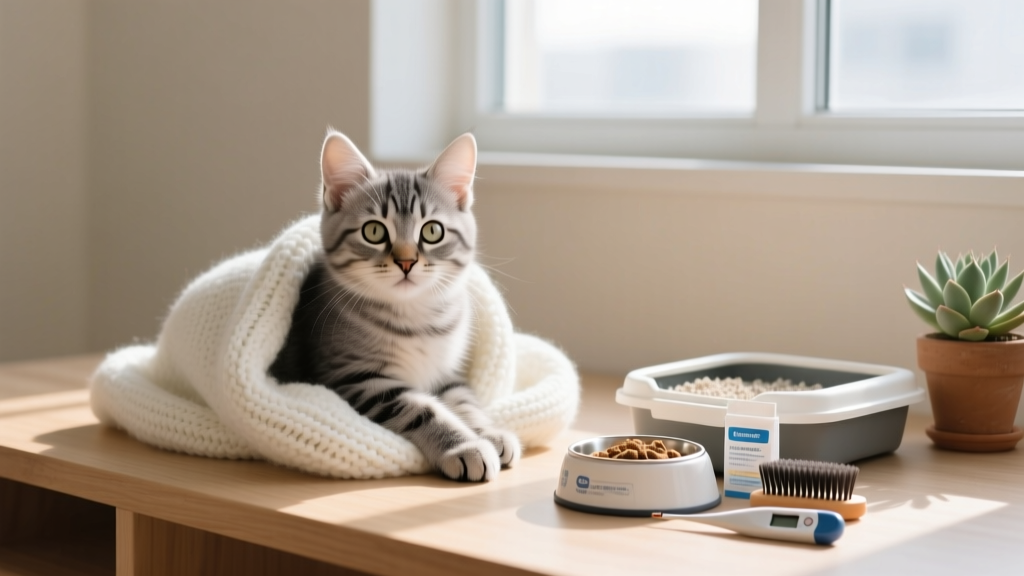
- Litter box ratio: One box per cat + one extra. For a single kitten, that means two boxes—one on each floor if you have stairs.
- Litter type: Unscented, fine-grained, clumping clay or paper-based. Avoid crystal litters (dust irritates airways) and scented varieties (overwhelm olfactory senses).
- Grooming start: Introduce brushing with a soft rubber mitt for 30 seconds daily. Pair with gentle ear checks and nail trims (only tip—avoid quick). Make it a bonding ritual, not a battle.
Safety check: At 10 weeks, kittens can jump 3 feet and squeeze through gaps as narrow as 2 inches. Seal laundry rooms, close toilet lids, secure cords with PVC tubing, and remove toxic plants (lilies, pothos, sago palm). A 2021 study in Veterinary Record found that 34% of ER visits for kittens under 16 weeks involved ingestion of household toxins or entrapment—nearly all preventable with kitten-proofing done by week 10.
| Developmental Stage | Age Window | Critical Actions | Risk of Delay |
|---|---|---|---|
| Vaccination Series | 10–12 weeks | Second FVRCP dose; Rabies (if required by law); FeLV test if unknown origin | Panleukopenia infection; vaccine non-response; legal liability for rabies exposure |
| Parasite Control | 10 weeks (then q2w x2) | Fecal exam + dual-dewormer (pyrantel + fenbendazole); topical flea/tick prevention if outdoor risk | Chronic malnutrition; anemia; zoonotic transmission (e.g., Toxocariasis in children) |
| Socialization Peak | 8–12 weeks | Daily positive exposure to 3+ new people, sounds, surfaces; supervised multi-species interaction | Lifelong fearfulness; aggression; inability to adapt to vet visits or boarding |
| Spay/Neuter Timing | 12–14 weeks (optimal) | Pre-op bloodwork; discuss pediatric vs. standard surgery with vet | Unplanned pregnancy (females cycle as early as 4 months); increased mammary tumor risk later |
Frequently Asked Questions
Can I bathe my 10-week-old kitten?
No—bathing is rarely necessary and highly stressful. Kittens self-groom effectively, and bathing strips natural skin oils, risks hypothermia, and triggers panic. If truly soiled (e.g., tar, chemicals), spot-clean with a damp microfiber cloth and fragrance-free baby wipe—never human shampoo. Consult your vet first for toxin exposure.
How much sleep does a 10-week-old kitten need?
18–20 hours per day—broken into 20–30 minute naps. Their brains are consolidating motor skills and social learning during sleep. Provide quiet, warm, elevated resting spots (cardboard boxes lined with fleece work wonders). Don’t disturb deep-sleep cycles (slow breathing, twitching paws = REM).
Is it normal for my kitten to bite or scratch during play?
Yes—but it must be redirected, not punished. Biting is part of prey-drive development. Immediately stop play, withdraw attention for 10 seconds, then offer a toy. Never use hands or feet as play objects. If biting persists beyond 12 weeks, consult a certified feline behaviorist—early intervention prevents escalation.
When should I start teaching my kitten to walk on a leash?
Begin harness acclimation at 10 weeks—but don’t attach a leash yet. Let them wear a soft, step-in harness for 5 minutes daily while eating treats. Only add leash indoors after 1 week of calm wear. Outdoor walks should wait until 2 weeks post-final vaccines (typically 14–16 weeks) and never in high-risk areas (parks with off-leash dogs, busy streets).
My kitten cries at night—what should I do?
First, rule out medical causes (UTI, hunger, cold). Then, avoid reinforcing crying with attention. Instead, feed a larger meal at bedtime, provide a heated snuggle sack, and use white noise to muffle household sounds. Never shut them in darkness—they’re nocturnal by nature and need ambient light. Most settle by week 12 with consistent routine.
Common Myths About 10-Week-Old Kittens
Myth #1: “Kittens don’t need heartworm prevention until they’re adults.”
False. Heartworm disease is transmitted by mosquitoes—and kittens as young as 6 weeks can be infected. While less common than in dogs, feline heartworm disease is often fatal and has no approved treatment. Monthly preventives (e.g., Revolution Plus) are safe and recommended starting at 8 weeks.
Myth #2: “If my kitten is playful and eating well, they’re definitely healthy.”
Incorrect. Kittens mask illness masterfully—signs like subtle lethargy, reduced grooming, or slight weight loss (even 5%) may be the only clues. A 2022 JAVMA study found that 42% of kittens presenting with acute kidney injury had been deemed ‘perfectly healthy’ by owners just 48 hours prior. Bi-weekly weigh-ins and vet checkups are essential.
Related Topics (Internal Link Suggestions)
- When to spay or neuter a kitten — suggested anchor text: "best age to spay a kitten"
- Kitten vaccination schedule chart — suggested anchor text: "kitten vaccine timeline printable"
- How to introduce a kitten to other pets — suggested anchor text: "introducing kitten to dog safely"
- Signs of illness in kittens — suggested anchor text: "kitten sickness symptoms to watch for"
- Best kitten food brands vet-approved — suggested anchor text: "top-rated kitten food by veterinarians"
Your Next Step Starts Today—Not Tomorrow
You now hold the exact roadmap your 10-week-old kitten needs—not generic advice, but vet-validated, timeline-specific actions proven to shape their physical health, emotional resilience, and lifelong trust in you. The next 14 days will determine whether they grow into a confident, bonded companion—or a chronically stressed cat requiring years of rehabilitation. So pick just one action from this guide and do it within the next 24 hours: schedule that vet visit, set up the second litter box, or start the 3-second socialization drill with a family member. Small steps, taken now, compound into extraordinary outcomes. And if you’d like a free, printable version of the 7-Day Kitten Care Checklist—including vaccine tracker, weight log, and socialization scorecard—download it below. Your kitten’s future self will thank you.