Feline Intestinal Adenocarcinoma: Symptoms & Care
1. Why this topic matters to cat owners
Occasional vomiting can be normal for cats, and some cats get picky with food as they age. The problem is when vomiting becomes frequent, your cat slowly loses weight, or their appetite changes in a way that doesn’t bounce back. These can be early clues of intestinal disease—some treatable, some serious.
Feline intestinal adenocarcinoma is one of the more concerning possibilities. It’s a type of cancer that can grow in the lining of the intestines and interfere with digestion, appetite, and nutrient absorption. Catching it earlier can open up more treatment options and help keep your cat comfortable for longer. This guide walks you through what intestinal adenocarcinoma is, what you might notice at home, what the vet will do, and how you can support your cat through diagnosis and care.
2. Overview: What is intestinal adenocarcinoma?
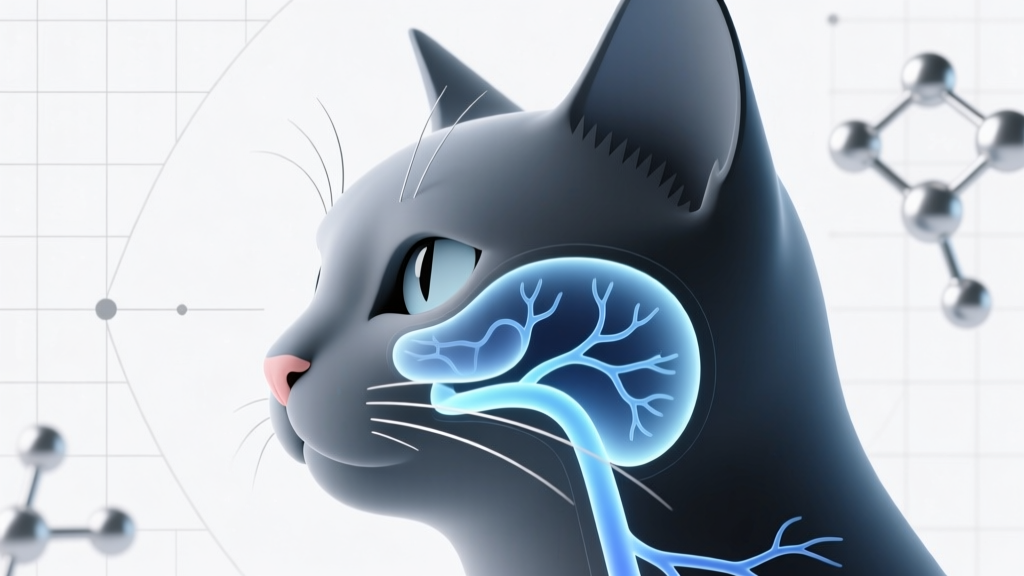
Adenocarcinoma is a malignant (cancerous) tumor that develops from glandular epithelial cells—cells that line organs and help produce mucus and other secretions. In cats, adenocarcinoma can occur in the gastrointestinal (GI) tract, including the:
- Small intestine (duodenum, jejunum, ileum)
- Large intestine/colon
- Rectum
As the tumor grows, it can cause:
- Narrowing of the intestinal passage (partial blockage)
- Ulceration and bleeding
- Poor absorption of nutrients
- Inflammation and pain
- Spread (metastasis) to local lymph nodes, liver, or other organs
Many GI problems can look similar in early stages (food intolerance, parasites, inflammatory bowel disease, pancreatitis). That’s why ongoing vomiting and weight loss deserve a veterinary workup rather than “wait and see.”
3. Symptoms and warning signs to watch for
Intestinal adenocarcinoma can be sneaky. Some cats have mild signs for weeks to months, then suddenly worsen if a blockage occurs or appetite drops sharply.
Common signs
- Vomiting (intermittent or frequent; sometimes after meals)
- Weight loss despite normal eating at first
- Decreased appetite or becoming finicky
- Diarrhea or softer stools
- Constipation or straining (more likely with large intestine tumors)
- Lethargy or reduced interest in play
- Dehydration (tacky gums, less skin elasticity)
Signs that suggest bleeding or anemia
- Pale gums
- Weakness or sleeping more than usual
- Black, tarry stool (digested blood) or visible blood in stool
Signs that may indicate a partial or complete obstruction
- Repeated vomiting and inability to keep food/water down
- Abdominal pain (hunched posture, hiding, growling when picked up)
- No stool production or very small amounts
- Sudden decline in energy and appetite
Practical at-home tracking you can start today
- Weigh your cat weekly (a baby scale works well). Record the number.
- Log vomiting: date, time, amount, food vs. bile vs. hairball, and whether your cat seems distressed.
- Note appetite changes: how much is eaten in 24 hours, treat interest, begging behavior.
- Monitor litter box output: stool frequency/texture, straining, blood, and urine output.
Bring these notes to your vet appointment—they can speed up diagnosis.
4. Causes and risk factors
No single cause explains every case. Cancer often develops from a mix of genetics, age-related cellular changes, and chronic inflammation.
Risk factors that may play a role
- Age: Most intestinal cancers are seen in middle-aged to older cats.
- Chronic intestinal inflammation: Long-standing GI irritation may increase risk (the relationship isn’t fully understood, but chronic inflammation is a known contributor to cancer risk in many species).
- Environmental factors: Secondhand smoke and some household exposures are suspected to increase cancer risk in pets in general, though exact links to intestinal adenocarcinoma are not always clear.
- Previous GI disease: Cats with a history of recurring vomiting/diarrhea should be monitored closely.
Most importantly: if your cat is losing weight or vomiting repeatedly, it’s worth investigating regardless of age or background.
5. Diagnosis: What to expect at the vet
Your veterinarian’s goal is to confirm what’s causing the GI signs and determine whether a mass is present, where it is, and whether it has spread. Diagnosis often takes a step-by-step approach.
History and physical exam
- Discussion of vomiting frequency, stool changes, appetite, and weight trend
- Abdominal palpation (sometimes a mass or thickened intestines can be felt)
- Check hydration, gum color, pain, and body condition score
Lab testing
- Complete blood count (CBC): looks for anemia, infection/inflammation
- Chemistry panel: evaluates liver/kidney function, protein levels, electrolytes
- Urinalysis: helps interpret overall health and hydration
- Fecal testing: rules out parasites and some infectious causes
- Vitamin B12 (cobalamin) and folate: may be low with small intestinal disease
Imaging
- Abdominal ultrasound: often the most helpful first-line imaging to identify masses, intestinal wall changes, lymph node enlargement, and fluid.
- X-rays (radiographs): useful for detecting obstruction patterns, large masses, or abdominal fluid; may be combined with contrast studies in some cases.
- Chest X-rays: sometimes recommended to check for spread and to assess anesthesia risk before surgery.
Getting a definitive diagnosis (biopsy/cytology)
Cancer cannot be confirmed by symptoms alone. A tissue sample is typically needed:
- Fine-needle aspirate (FNA) of enlarged lymph nodes or masses (not always diagnostic for intestinal tumors but can help)
- Endoscopy with biopsy: useful for some locations, but may not reach deeper lesions or certain intestinal segments
- Surgical biopsy (often during mass removal): provides the most complete sample and may allow treatment at the same time
What to ask your vet during the workup:
- “What are the top likely causes for these signs?”
- “Do you suspect obstruction or something inflammatory?”
- “What tests are most time-sensitive today?”
- “If we find a mass, what are the next steps for staging and treatment?”
6. Treatment options (medical, surgical, and home care)
Treatment depends on the tumor’s location, size, whether it has spread, and your cat’s overall health. Your veterinarian may recommend referral to a veterinary surgeon or oncologist for the best range of options.
Surgery
Surgical removal is often the main treatment when the tumor is localized and your cat is a good anesthesia candidate. The goal is to remove the tumor with margins and reconnect healthy sections of intestine.
- May relieve obstruction and reduce vomiting
- Allows full biopsy/histopathology for tumor type and grade
- May include sampling of lymph nodes or other tissues for staging
Surgery is major, and recovery requires careful monitoring for appetite, pain control, and normal stool output.
Chemotherapy and oncology care
Chemotherapy may be recommended:
- After surgery to address microscopic spread
- When the tumor can’t be fully removed
- If metastasis is present
Cats often tolerate chemotherapy better than people expect; doses are designed to prioritize quality of life. Your oncologist will discuss likely benefits, side effects, and monitoring.
Medical and supportive care
Supportive care can make a huge difference whether your cat is receiving surgery/chemo or focusing on comfort care.
- Anti-nausea medications to control vomiting
- Appetite stimulants when appropriate
- Pain relief tailored to cats (never give human pain meds unless explicitly prescribed)
- Gastroprotectants if ulceration or reflux is suspected
- B12 injections if deficient
- Fluids (subcutaneous at home or IV in hospital) to support hydration
Nutrition and home care
- Feed small, frequent meals to reduce nausea and improve calorie intake.
- Choose highly palatable, easy-to-digest food. Your vet may recommend a prescription GI diet or a calorie-dense recovery diet.
- Warm food slightly to enhance aroma (test temperature to avoid burns).
- Reduce stress: quiet feeding area, consistent routine, easy access to litter box.
- Monitor daily: appetite, vomiting, stool output, energy, and signs of pain.
If your cat is not eating well, contact your veterinarian quickly. Cats can develop hepatic lipidosis (fatty liver disease) after several days of poor intake, especially if they are overweight.
7. Prevention strategies and early detection tips
There is no guaranteed way to prevent intestinal adenocarcinoma, but you can lower risk and improve early detection.
Actionable steps for cat owners
- Schedule regular wellness exams (at least yearly for adults, every 6 months for seniors).
- Weigh your cat monthly at home; unexplained loss is a major early warning sign.
- Don’t normalize frequent vomiting. Hairballs happen, but repeated vomiting deserves investigation.
- Address chronic GI signs early (vomiting, diarrhea, constipation, appetite shifts).
- Avoid smoke exposure and keep household chemicals secured and used with good ventilation.
- Prompt parasite prevention and fecal checks as recommended by your vet.
Early detection often comes down to noticing subtle changes and bringing your cat in before they become severely underweight or dehydrated.
8. Prognosis and quality of life considerations
Prognosis varies widely. Factors that influence outlook include:
- Tumor location and whether it can be fully removed
- Degree of spread to lymph nodes or other organs
- Overall health, age, and other conditions (kidney disease, heart disease, diabetes)
- Response to treatment and ability to maintain nutrition
Many cats feel significantly better when vomiting is controlled, pain is managed, and nutrition improves—regardless of whether the plan is aggressive treatment or comfort-focused care.
Quality of life check-ins can help you make decisions with confidence. Consider tracking:
- Eating enough to maintain weight (or at least slowing loss)
- Comfort (no hiding in pain, relaxed posture)
- Ability to rest, groom, and move normally
- Interest in family interaction and favorite activities
- More good days than bad days
Your veterinarian can help you use a simple quality-of-life scale and adjust the plan as your cat’s needs change.
9. When to seek emergency veterinary care
Contact an emergency clinic or your veterinarian immediately if you notice any of the following:
- Repeated vomiting over several hours or inability to keep water down
- Signs of dehydration (sunken eyes, very tacky gums, marked lethargy)
- Severe abdominal pain, crying, or a tense, bloated belly
- Collapse, extreme weakness, or pale/white gums
- Black tarry stool or large amounts of blood in stool/vomit
- No eating for 24 hours (sooner for kittens, seniors, or cats with medical conditions)
- No stool output plus vomiting and poor appetite (possible obstruction)
If you’re unsure whether it’s an emergency, call—triage advice can prevent a dangerous delay.
10. FAQ: Common questions cat owners ask
Can intestinal adenocarcinoma look like a hairball problem?
Yes. Early on, some cats vomit intermittently and owners may assume it’s hairballs or a sensitive stomach. If vomiting becomes frequent, happens without producing a hairball, or is paired with weight loss, schedule a veterinary exam.
How fast do cats lose weight with intestinal cancer?
It varies. Some cats lose weight slowly over months; others drop weight quickly once appetite decreases or a blockage develops. Any unexplained weight loss (even a small amount) is worth discussing with your veterinarian.
Will a blood test show cancer?
Bloodwork can reveal dehydration, anemia, inflammation, low protein, or organ stress, but it usually can’t confirm intestinal cancer on its own. Imaging and a biopsy are typically needed for a definitive diagnosis.
Is surgery always the best option?
Not always. Surgery is often recommended when the tumor is localized and removable, especially if there are obstruction signs. If the cancer has spread widely or your cat has other health issues that make anesthesia risky, your vet may suggest chemotherapy, palliative care, or a combination.
What can I do at home to help my cat feel better right now?
- Offer small, frequent meals of a vet-approved, easy-to-digest diet.
- Keep fresh water accessible (consider a fountain if your cat prefers moving water).
- Start a daily symptom log (vomiting, appetite, stool, energy).
- Use only medications prescribed for your cat; avoid over-the-counter human remedies.
Most importantly, book a veterinary visit if vomiting or weight loss is ongoing—supportive care works best when it’s targeted to the underlying cause.
How do I know if my cat’s quality of life is still good?
Look for consistent eating (or supported nutrition), comfort, stable hydration, and interest in normal routines. If your cat is increasingly hiding, struggling with pain, vomiting frequently despite medication, or rapidly losing weight, talk with your veterinarian promptly about adjusting the plan.
If your cat is vomiting repeatedly or losing weight, professional care is the safest next step—many GI conditions are treatable, and earlier diagnosis usually means more options. For more caring, practical cat health guidance, visit catloversbase.com and explore our library of cat wellness resources.