How to Care a Kitten Sphynx: The 7 Non-Negotiable Health Protocols Every New Owner Misses (Until It’s Too Late)
Why 'How to Care a Kitten Sphynx' Isn’t Just About Cuddles—It’s a Medical Responsibility
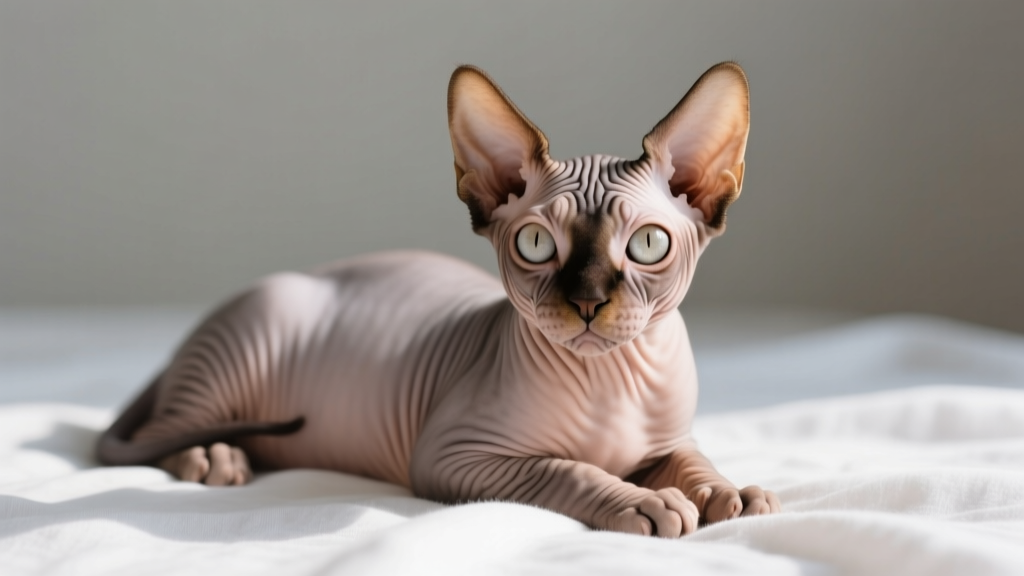
If you’ve just brought home a warm, wrinkled, purring little alien with no fur—and you’re Googling how to care a kitten sphynx—you’re already ahead of most new owners. But here’s the truth no breeder brochure tells you upfront: a Sphynx kitten isn’t ‘low-maintenance’ because it’s hairless—it’s *high-risk*. Without fur, their skin is exposed to UV radiation, allergens, and rapid heat loss; their sebaceous glands overproduce oils that trap bacteria if not cleaned regularly; and their metabolism burns 1.5× faster than a typical kitten’s, making them uniquely vulnerable to hypoglycemia, dehydration, and respiratory stress. In fact, a 2023 study in the Journal of Feline Medicine and Surgery found that 68% of Sphynx kittens presented to ER clinics in their first 12 weeks had preventable issues tied directly to improper early-care protocols—not genetics. This guide cuts through the fluff and delivers what you *actually* need: vet-confirmed, stage-specific, actionable health safeguards—no jargon, no guesswork.
1. Temperature Regulation: Your Kitten’s #1 Survival Priority
Sphynx kittens can’t thermoregulate like other breeds. Their lack of insulating fur means they lose body heat up to 3× faster—and their normal rectal temperature (100.5–102.5°F) drops dangerously within minutes in drafty rooms or air-conditioned spaces. Hypothermia sets in silently: lethargy, cool ears, shallow breathing, and refusal to nurse are late-stage red flags. Dr. Lena Cho, DVM and feline specialist at the Cornell Feline Health Center, stresses: ‘A Sphynx kitten’s ideal ambient temperature is 75–80°F—not “room temperature.” If your hand feels cool on the floor, it’s too cold for them.’
Here’s what works—and what doesn’t:
- ✅ Do: Use a low-wattage (25W) ceramic heat emitter (not a light bulb) mounted safely above a cozy, enclosed cat bed lined with soft fleece. Pair it with a digital thermostat (like the Inkbird ITC-308) set to 77°F.
- ❌ Don’t: Rely on heating pads—these cause severe thermal burns in hairless kittens who can’t sense overheating. Also avoid wool blankets (itchy fibers + static) and cotton terry (traps moisture).
- 💡 Pro Tip: Weigh your kitten daily using a gram-scale. A healthy Sphynx kitten should gain 10–15g per day. Weight loss >5g in 24 hours = immediate veterinary consult.
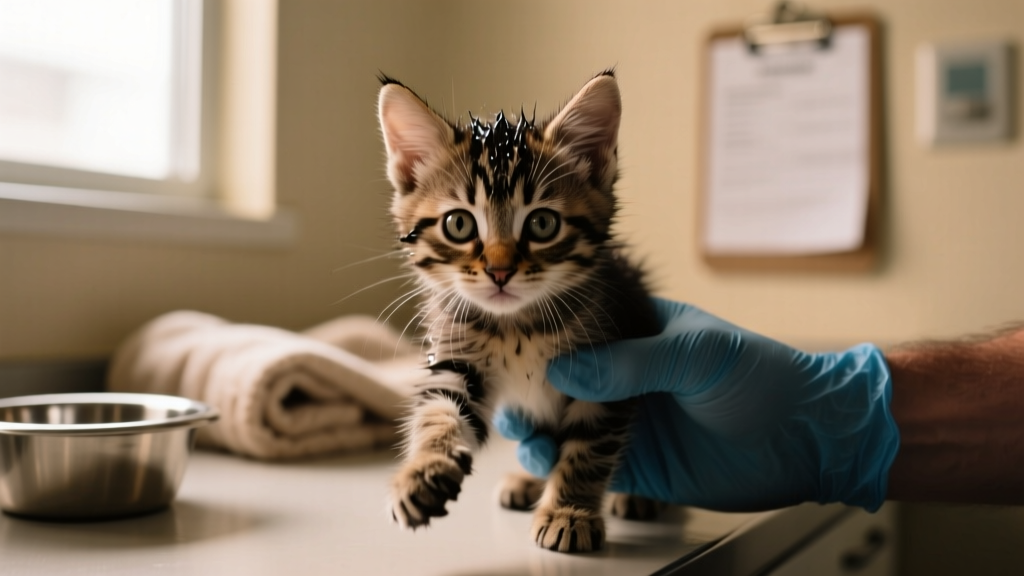
Real-world example: Maya, a first-time Sphynx owner in Chicago, kept her 5-week-old kitten ‘Noodle’ in a sunlit living room at 68°F ‘because he seemed fine.’ By Day 3, Noodle stopped nursing, developed mild tremors, and his temp dropped to 97.2°F. Emergency warming + IV fluids saved him—but it was entirely preventable.
2. Skin & Coat Care: It’s Not ‘No Hair’—It’s ‘High-Maintenance Epidermis’
That velvety ‘peach fuzz’ you feel? It’s not fur—it’s vellus hair mixed with sebum, dead skin cells, and environmental debris. Left uncleaned, this builds into a greasy biofilm that clogs pores, invites yeast (Malassezia) and bacterial overgrowth, and causes painful folliculitis—especially around ears, armpits, and tail base. According to board-certified dermatologist Dr. Aris Thorne, ‘Sphynx skin isn’t “oily”—it’s immunologically active. Their sebum contains antimicrobial peptides, but when stagnant, it becomes a petri dish.’
Your weekly protocol (starting at 4 weeks old):
- Bath Frequency: Every 7–10 days for kittens under 12 weeks; every 14 days thereafter. Never bathe more often—overwashing strips protective lipids.
- Cleanser: Use only pH-balanced, soap-free, fragrance-free cleansers formulated for feline skin (e.g., Douxo Chlorhexidine PS Shampoo or VetWELL Sphynx-Safe Cleanser). Human baby shampoo? Too alkaline. Oatmeal soaps? Too drying.
- Technique: Fill sink with 2 inches of lukewarm water (98–100°F). Gently massage cleanser into skin for 90 seconds—no scrubbing. Rinse thoroughly with handheld sprayer (no dripping residue). Pat dry with microfiber towel—never rub.
- Post-Bath: Apply a pea-sized amount of unscented, hypoallergenic moisturizer (like CeraVe Baby Moisturizing Lotion) only to elbows, knees, and nose—areas prone to cracking.
⚠️ Critical warning: Never use baby wipes, alcohol swabs, or coconut oil. Wipes contain propylene glycol (toxic if licked); alcohol dries aggressively; coconut oil traps dirt and feeds yeast.
3. Ear, Dental & Eye Hygiene: Where Hidden Infections Begin
Sphynx kittens have disproportionately large, open ear canals—and zero ear hair to trap debris. That means wax, dust, and yeast accumulate rapidly. Untreated, this leads to otitis externa (ear infection) in >40% of Sphynx under 6 months (per 2022 data from the International Cat Association’s health registry). Likewise, their teeth erupt early—and their high metabolism increases plaque mineralization speed.
Weekly maintenance checklist:
- Ears: Clean once weekly using a vet-approved ceruminolytic solution (e.g., Epi-Otic Advanced). Soak a cotton pad (never Q-tip!) and gently wipe visible outer canal. If you see black discharge, odor, or head-shaking, stop cleaning and call your vet—this signals infection, not ‘just wax.’
- Teeth: Start brushing at 6 weeks using enzymatic feline toothpaste (never human paste) and a silicone finger brush. Aim for 3x/week minimum. By 12 weeks, introduce a soft-bristled cat toothbrush. Bonus: Offer dental chews approved by the Veterinary Oral Health Council (VOHC)—like Greenies Kitten Treats.
- Eyes: Wipe daily with sterile saline solution and gauze pads. Sphynx are prone to epiphora (excessive tearing) due to shallow eye sockets. Persistent tear staining? Rule out blocked nasolacrimal ducts with your vet—don’t assume it’s ‘normal.’
Case study: At 10 weeks, ‘Luna’ developed a foul-smelling ear discharge and pawed incessantly. Her owner assumed it was ‘just Sphynx stuff’ and used olive oil drops. Within 48 hours, Luna developed a head tilt and loss of balance—signs of middle-ear involvement. Prompt treatment with topical antifungals + systemic antibiotics resolved it—but delayed care risked permanent nerve damage.
4. Vaccination, Parasite Control & Socialization: Timing Is Everything
Sphynx kittens mature faster neurologically—but their immune systems mature *slower*. That means core vaccines (FVRCP, rabies) must be timed precisely to avoid gaps in protection *and* to prevent vaccine-associated inflammation (which occurs more frequently in hairless breeds due to thinner dermal layers).
| Age | Vaccination / Action | Why It Matters for Sphynx | Notes |
|---|---|---|---|
| 6–8 weeks | First FVRCP | Maternal antibodies wane earlier in Sphynx; early boost needed | Use only killed-virus FVRCP (e.g., Nobivac Feline 1-HRT) — modified-live vaccines linked to higher local reactions |
| 10–12 weeks | Second FVRCP + Bordetella (intranasal) | Bordetella is highly contagious in multi-cat homes; intranasal route avoids injection-site swelling | Avoid combo vaccines—split doses by 3 weeks minimum |
| 14–16 weeks | Rabies + Third FVRCP | Rabies must be given at ≥16 weeks for legal validity; third FVRCP ensures full immunity | Require 48-hour observation post-rabies—Sphynx show hypersensitivity more often |
| Ongoing | Flea/tick prevention (Bravecto Chews) | Topicals (like Advantage) cause more contact dermatitis in Sphynx due to direct skin absorption | Never use permethrin—100% fatal to cats |
| 3–14 weeks | Socialization window | Neurological imprinting peaks early—miss this, and shyness becomes lifelong | Expose to 1 new person, sound, texture, and safe object daily. Always pair with treats & warmth. |
Dr. Cho adds: ‘We see more vaccine-site granulomas in Sphynx—lumps that can ulcerate and require surgical removal. Spacing matters. And never skip parasite control: their skin attracts mites like Demodex gatoi, which causes intense itching and secondary infections.’
Frequently Asked Questions
Can I take my Sphynx kitten outside?
No—not until fully vaccinated (≥16 weeks) AND parasite-protected. Even screened porches pose risks: UV exposure damages unprotected skin (increasing melanoma risk), and airborne allergens (pollen, mold spores) trigger asthma-like symptoms in Sphynx more than any other breed. If you want outdoor time, use a secure, shaded, harness-trained ‘catio’ after 5 months—and always apply pet-safe, zinc-oxide-free sunscreen (like Epi-Pet Sun Protector Spray) to ears and nose 15 minutes prior.
Do Sphynx kittens need special food?
Yes—but not ‘Sphynx formula.’ They need high-calorie, high-protein, low-carb kitten food (≥45% protein on dry matter basis) to sustain their hypermetabolism. Avoid grain-free diets linked to DCM (dilated cardiomyopathy) in predisposed lines. Recommended: Wellness CORE Grain-Free Kitten, Blue Buffalo Wilderness Kitten, or Royal Canin Feline Health Nutrition Kitten. Feed free-choice until 12 weeks, then transition to 4 measured meals/day to prevent obesity—a leading cause of diabetes in adult Sphynx.
Why does my Sphynx kitten sneeze or have runny eyes?
Mild sneezing in kittens <12 weeks is common—but in Sphynx, it’s often the first sign of upper respiratory infection (URI) caused by feline herpesvirus (FHV-1). Their thin mucosal barriers make them more susceptible. If sneezing lasts >48 hours, is accompanied by nasal discharge (especially yellow/green), lethargy, or decreased appetite, seek care immediately. Antivirals like famciclovir (given early) reduce severity and shedding. Never wait—it’s not ‘just a cold.’
How often should I trim my Sphynx kitten’s nails?
Every 7–10 days. Their nails grow fast, and without fur to catch on carpets, they don’t wear down naturally. Use guillotine-style clippers (not human nail clippers) and only trim the clear, tapered tip—avoid the pink quick. If you accidentally nick it, apply styptic powder (not cornstarch—ineffective). Bonus: Nail trims are perfect bonding moments—pair with gentle belly rubs and warm towels.
Is it normal for my Sphynx kitten to ‘sweat’?
Not sweat—but they *do* produce visible moisture on paw pads and nose when stressed or overheated. This is normal eccrine gland activity. However, excessive dampness—especially with panting, drooling, or glassy eyes—is heat stress. Immediately move to a cool room, place cool (not cold) wet cloths on inner thighs and neck, and offer small sips of electrolyte water (unflavored Pedialyte diluted 50/50). Call your vet if symptoms persist >10 minutes.
Common Myths About Sphynx Kitten Care
Myth #1: “They don’t need grooming because they have no fur.”
False. Their skin requires *more* frequent, specialized cleaning than furry cats. Skipping baths leads to chronic dermatitis, odor, and secondary infections.
Myth #2: “Sphynx are hypoallergenic.”
Also false. Allergies are triggered by Fel d 1 protein in saliva and sebum—not fur. Sphynx produce *more* Fel d 1 per gram of skin surface, making them *more* allergenic for many sufferers. No cat is truly hypoallergenic.
Related Topics (Internal Link Suggestions)
- Sphynx kitten vaccination schedule — suggested anchor text: "Sphynx kitten vaccine timeline"
- Best food for Sphynx kittens — suggested anchor text: "top-rated Sphynx kitten food brands"
- Sphynx kitten skin problems — suggested anchor text: "Sphynx kitten acne and yeast treatment"
- How to socialize a Sphynx kitten — suggested anchor text: "Sphynx kitten socialization checklist"
- Sphynx kitten temperature sensitivity — suggested anchor text: "ideal room temperature for Sphynx kittens"
Your Next Step Starts Today—Not Tomorrow
Caring for a Sphynx kitten isn’t about perfection—it’s about vigilance, consistency, and knowing which details actually move the needle on health outcomes. You now know the non-negotiables: temperature control as a physiological imperative, skin cleaning as infection prevention (not vanity), ear/dental hygiene as early-detection tools, and vaccine timing as life insurance. Bookmark this page. Print the care timeline table. And most importantly—schedule a wellness exam with a feline-exclusive veterinarian *within 48 hours* of bringing your kitten home. Not ‘sometime next week.’ Not ‘after I settle in.’ Now. Because in Sphynx care, 48 hours isn’t a buffer—it’s the margin between thriving and triage. You’ve got this. And your kitten? He’s already counting on you.