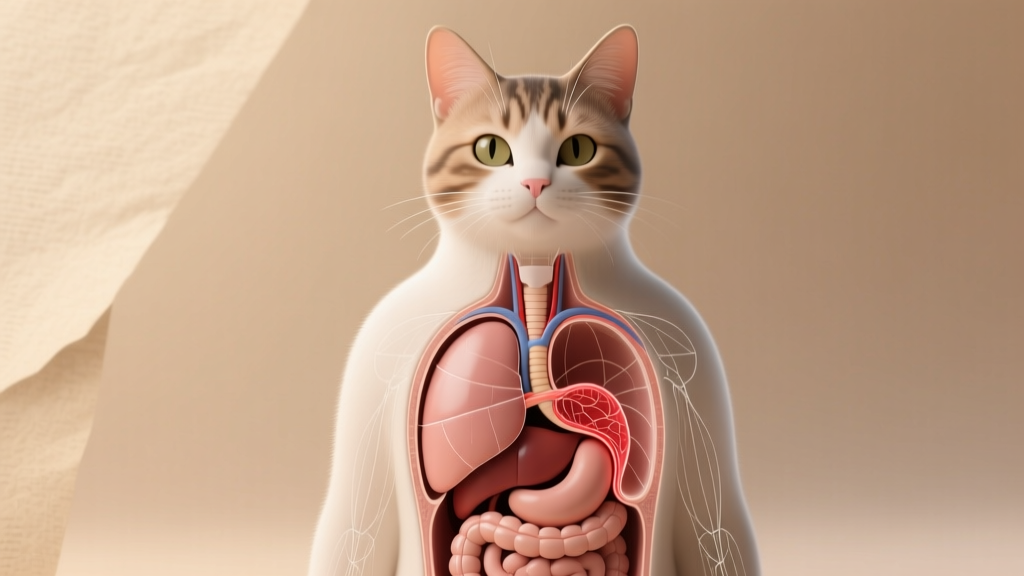
Cat Diaphragmatic Peritoneal Pericardial Hernia Congenital
1. Why this topic matters to cat owners
Hearing the word “hernia” can make any cat parent anxious—especially when it involves the chest and heart area. A congenital diaphragmatic peritoneal pericardial hernia (often shortened to PPDH) is a birth defect where abdominal organs can slip into the sac around the heart. Some cats live for years with few or no symptoms, while others develop breathing or digestive problems that need treatment.
Understanding how PPDH happens, what signs to watch for, and what veterinary care typically looks like helps you make calm, informed decisions. If your cat is diagnosed, you’ll also be better prepared to support them before and after treatment and protect their long-term quality of life.
2. Overview: What is congenital peritoneal-pericardial diaphragmatic hernia (PPDH)?
PPDH is a congenital (present at birth) condition. To understand it, it helps to know what these body parts do:
- Diaphragm: The muscle separating the chest from the abdomen. It helps your cat breathe.
- Peritoneum: The lining of the abdominal cavity.
- Pericardium: The sac surrounding the heart.
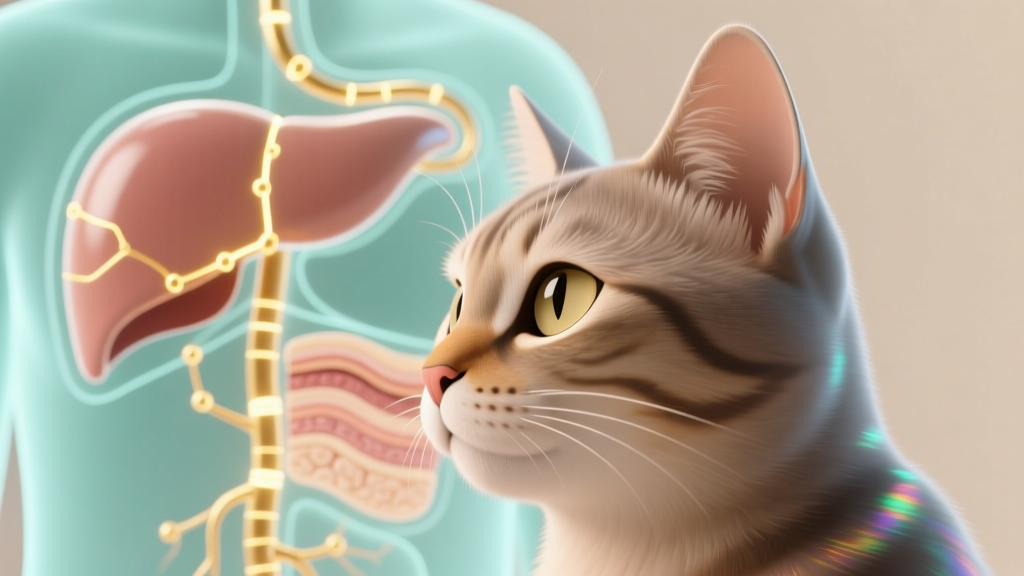
In PPDH, the diaphragm does not form completely during fetal development. That leaves an abnormal opening that connects the abdomen to the pericardial sac. As a result, abdominal organs (commonly liver, gallbladder, intestines, or stomach) can move into the pericardial sac.
This can cause problems in a few different ways:
- Reduced space for the lungs: The chest cavity may be crowded, making breathing less efficient.
- Pressure on the heart: Organs or fluid in the pericardial sac can affect how the heart fills and pumps.
- Digestive disruption: The displaced organs may not function normally, and in rare cases can become trapped.
PPDH is different from a traumatic diaphragmatic hernia (caused by an accident). PPDH is present from birth, even if it’s discovered later.
3. Symptoms and warning signs to watch for
Some cats with PPDH have no obvious symptoms and are diagnosed incidentally during X-rays for something else. Others develop mild to significant signs, which can wax and wane.
Breathing-related signs
- Faster breathing rate at rest
- Shallow breathing or increased effort (using belly muscles to breathe)
- Reduced stamina during play
- Coughing is less common in cats, but may occur
Digestive and appetite changes
- Decreased appetite or picky eating
- Vomiting or regurgitation
- Weight loss or poor growth in kittens
- Intermittent constipation or diarrhea
General signs
- Lethargy, “not quite themselves” behavior
- Difficulty gaining weight despite eating
- Abdominal discomfort or sensitivity when picked up (not always present)
Practical at-home check you can do today
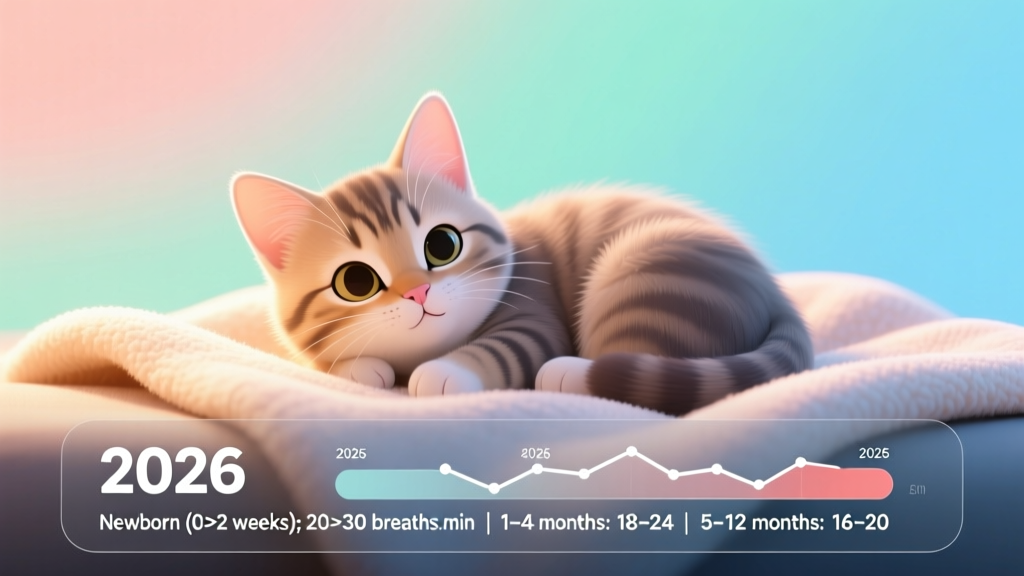
- Count your cat’s resting respiratory rate when they’re asleep or very relaxed. Count breaths for 30 seconds and multiply by 2. Many healthy cats are roughly 16–30 breaths per minute at rest, though individual variation exists. If your cat consistently breathes faster than normal for them, or shows effort breathing, call your veterinarian.
4. Causes and risk factors
Cause: PPDH occurs due to abnormal development of the diaphragm before birth. It is not caused by anything you did (diet, activity, vaccines, or routine handling) after your cat is born.
Risk factors and patterns:
- Congenital nature: Present from birth, but may not be detected until adulthood.
- Breed association: PPDH has been reported in multiple breeds, including domestic cats. Some purebred lines may have increased risk, but any cat can be affected.
- Other congenital issues: Some cats with PPDH may have additional birth defects (less common), which is one reason your vet may recommend a thorough workup.
5. Diagnosis: What to expect at the vet
If your vet suspects PPDH based on your cat’s history, exam, or breathing pattern, they will recommend imaging and sometimes heart evaluation.
Common diagnostic steps
- Physical exam: Your vet will listen to the heart and lungs. Sometimes heart sounds can seem muffled, or lung sounds may be quieter if the chest space is crowded.
- Chest X-rays (radiographs): Often the first big clue. The heart silhouette may look unusual, and abdominal organs may appear in the chest/pericardial region.
- Ultrasound (abdominal and/or echocardiogram): Ultrasound can help confirm which organs are displaced and assess heart function. An echocardiogram is especially helpful if there are concerns about cardiac compression or concurrent heart disease.
- CT scan: Not always required, but very useful for surgical planning in complex cases.
- Bloodwork (CBC/chemistry): Helps assess overall health and anesthesia safety, especially before surgery.
What it’s like for your cat
X-rays are quick and usually well tolerated. Some cats need gentle restraint or mild sedation, particularly if they are stressed or struggling to breathe. If breathing is compromised, vets prioritize oxygen support and low-stress handling before pursuing extensive tests.
6. Treatment options (medical, surgical, and home care)
Treatment depends on symptom severity, which organs are herniated, and your cat’s overall health. Your veterinarian or a board-certified surgeon will guide you through the best option.
Surgical treatment (definitive treatment)
Surgery is the only way to correct the anatomical defect. The goal is to move displaced organs back into the abdomen and repair the diaphragm/pericardial connection.
- When surgery is recommended: Cats with clinical signs (breathing trouble, vomiting, poor appetite), organ entrapment risk, or significant displacement on imaging.
- What surgery involves: Under general anesthesia, the surgeon repositions organs and closes the defect. Sometimes the pericardial sac is opened/managed as part of the repair.
- Hospitalization: Many cats stay 1–3 days (sometimes longer) for pain control and monitoring of breathing.
Medical management (supportive, not a cure)
If your cat has mild or no symptoms, your vet may discuss monitoring rather than immediate surgery, especially if anesthesia risk is high.
Supportive care may include:
- Oxygen therapy during stressful episodes or if breathing is difficult
- Anti-nausea medication if vomiting is present
- Diet adjustments to reduce stomach fullness/pressure (your vet can recommend an appropriate plan)
- Treatment of any secondary issues (respiratory infection, dehydration, constipation)
Medical management should always be guided by a veterinarian. Over-the-counter human medications can be dangerous for cats.
Home care after surgery (actionable tips)
- Strict rest: Use a small room or large crate for 10–14 days (or as directed). Limit jumping and rough play.
- Medication routine: Set phone reminders. Give pain meds exactly as prescribed. Never substitute with human pain relievers.
- Incision monitoring: Check twice daily for redness, swelling, discharge, or missing stitches.
- Litter box setup: Use a low-entry box to reduce strain.
- Feeding plan: Offer smaller, more frequent meals if recommended. Watch for vomiting or refusal to eat.
- Breathing check: Track resting respiratory rate once daily for the first couple of weeks. Report increases or effort breathing promptly.
7. Prevention strategies and early detection tips
Because PPDH is congenital, you can’t prevent it through lifestyle changes. What you can do is catch it early and reduce complications.
Early detection strategies
- Routine wellness exams: Yearly exams (twice yearly for seniors) help detect subtle changes in breathing, weight, and heart/lung sounds.
- Pay attention to “soft signs”: Reduced play stamina, picky appetite, or intermittent vomiting deserves a vet conversation—especially if it’s new.
- Pre-anesthetic screening: If your cat is scheduled for spay/neuter or dental work and has a history of breathing issues, ask your vet whether chest imaging is appropriate.
Breeding considerations
If your cat is diagnosed with PPDH, discuss with your veterinarian whether it could be inherited and whether breeding should be avoided. Preventing transmission within breeding lines is one of the few ways to reduce future cases.
8. Prognosis and quality of life considerations
The outlook for cats with PPDH is often good, especially when diagnosed before severe complications occur and when surgery is performed by an experienced team.
- Asymptomatic cats: Some live comfortably with monitoring. Your vet will weigh surgical benefits versus anesthesia risk.
- Symptomatic cats: Many improve significantly after surgery—better breathing, improved appetite, more energy.
- Potential long-term considerations: Some cats may have concurrent issues (liver changes, GI sensitivity, or heart findings). Follow-up exams help tailor ongoing care.
Quality of life is the guiding principle. If your cat is eating, grooming, interacting, and breathing comfortably, those are reassuring signs. If you notice persistent changes, your vet can help adjust the plan quickly.
9. When to seek emergency veterinary care
PPDH can become urgent if breathing is compromised or an organ becomes trapped. Seek emergency care right away if you notice:
- Open-mouth breathing or panting (especially at rest)
- Blue/gray gums or tongue
- Severe or rapidly worsening breathing effort (heaving sides, neck extended, unable to settle)
- Collapse, extreme weakness, or unresponsiveness
- Repeated vomiting with lethargy, bloated abdomen, or pain
- Sudden inability to eat plus signs of distress
For any breathing emergency, keep your cat calm, minimize handling, and go to the nearest emergency veterinary hospital. Call ahead if possible so they can be ready with oxygen support.
10. FAQ: Common questions from cat owners
Is PPDH the same as a traumatic diaphragmatic hernia?
No. PPDH is congenital (a developmental defect present at birth). Traumatic diaphragmatic hernias occur after blunt trauma, such as being hit by a car or falling from a height. The imaging findings and surgical approach can differ.
Can my cat live a normal life with PPDH?
Many cats do, especially if the hernia is mild or repaired surgically. Some cats have minimal symptoms and do well with monitoring, while others feel much better after surgery. Your vet can help you decide which path best supports your cat’s comfort and safety.
Will surgery cure it?
Surgery corrects the physical defect by returning organs to the abdomen and closing the abnormal opening. Most cats do very well, but outcomes depend on factors like overall health, which organs were involved, and whether there are other medical conditions.
Is anesthesia risky for cats with PPDH?
Any anesthesia carries risk, and cats with breathing compromise can be more delicate. That’s why pre-anesthetic testing and imaging matter, and why your vet may recommend referral to a surgical center with advanced monitoring and experienced anesthesia teams.
What should I monitor at home if my cat is being managed without surgery?
- Resting respiratory rate and breathing effort
- Appetite and weight (monthly weigh-ins are helpful)
- Vomiting frequency, stool quality, and abdominal discomfort
- Energy level and willingness to play
Keep a simple log and bring it to your veterinary visits. If signs worsen, contact your veterinarian promptly.
Could my cat’s vomiting or picky eating be related to PPDH?
It can be. If abdominal organs are displaced, digestion may be affected, and some cats experience intermittent GI signs. Vomiting is common in cats for many reasons, though, so it’s worth a veterinary exam rather than assuming PPDH is the cause.
If you suspect your cat may have breathing changes, chronic vomiting, or low stamina, schedule an appointment with your veterinarian. Early evaluation is the best way to protect your cat’s comfort and prevent complications.
For more cat health guides, symptom check tips, and caring support for common feline conditions, visit catloversbase.com.