Cat Megacolon: Chronic Constipation Treatment Options
1) Why this topic matters for cat owners
Most cat parents deal with an occasional “off” litter box day. But when constipation becomes frequent, painful, or stops your cat from passing stool altogether, it can quickly turn into a serious health problem. One of the most common long-term complications of chronic constipation is megacolon, a condition where the large intestine (colon) becomes enlarged and loses the ability to push stool out normally.
Megacolon can affect your cat’s comfort, appetite, hydration, and overall quality of life. The good news is that many cats do well with a thoughtful treatment plan—especially when constipation is recognized early. This guide explains what megacolon is, how vets diagnose it, and what treatment options (medical, surgical, and home care) may help your cat feel better.
2) Overview: What is megacolon?
Megacolon means the colon is abnormally stretched and weakened. In a healthy cat, the colon gently contracts to move stool toward the rectum. When stool sits in the colon too long, the body absorbs more water out of it. The stool becomes dry, hard, and difficult to pass. Over time, chronic stool buildup can stretch the colon like an overfilled balloon.
As the colon stretches, its muscular wall can lose tone. That makes it even harder to move stool along, creating a cycle:
- Constipation causes stool to build up
- Stool becomes larger, drier, and more painful to pass
- The colon stretches and weakens
- Weaker colon leads to more constipation
Megacolon may be:
- Idiopathic (most common): no single clear cause is found
- Secondary: triggered by a problem such as pelvic narrowing from an old fracture, neurologic disease, pain, dehydration, or obstruction
Megacolon is different from occasional constipation. It’s typically chronic, recurring, and often requires long-term management with veterinary guidance.
3) Symptoms and warning signs to watch for
Cats are masters at hiding discomfort, so subtle changes matter. Contact your veterinarian if you notice any of the following signs, especially if they last more than a day or recur.
Common signs of constipation/megacolon
- Straining in the litter box (may look like trying to poop but nothing comes out)
- Small, hard stools or no stool for 48+ hours (varies by cat, but this is a useful guideline)
- Crying out or acting uncomfortable while trying to defecate
- Frequent litter box trips with little output
- Decreased appetite or refusing food
- Lethargy or hiding more than usual
- Vomiting (especially if constipation is severe)
- Weight loss over time
- Dehydration (dry gums, less skin elasticity)
Constipation vs. urinary blockage: an important distinction
Straining in the litter box can also be a sign of a urinary blockage (especially in male cats), which is an emergency. If your cat is straining and you’re not sure whether they’re trying to urinate or defecate, treat it as urgent and call an emergency vet.
4) Causes and risk factors
Megacolon often develops after repeated constipation episodes, but understanding contributors can help prevent flare-ups.
Common risk factors
- Dehydration (not drinking enough, kidney disease, hot/dry environment)
- Low activity or obesity
- Pain that makes squatting uncomfortable (arthritis, spinal pain)
- Stress or litter box avoidance (dirty box, bullying, poor location)
- Diet-related issues (some cats do poorly on very low-moisture diets)
- Hair ingestion (especially long-haired cats) contributing to bulky stool
Medical causes that can contribute
- Pelvic canal narrowing from an old fracture (stool physically can’t pass easily)
- Neurologic problems affecting colon function
- Obstructions (foreign material, tumors, strictures)
- Metabolic disease (electrolyte imbalances such as low potassium; dehydration related to kidney disease)
- Side effects of certain medications (your vet can review your cat’s med list)
If constipation is recurring, the goal isn’t just to “get the poop out”—it’s to identify why it keeps happening.
5) Diagnosis: what to expect at the vet
Your vet will focus on two things: how severe the constipation is right now, and whether there’s an underlying cause that needs targeted treatment.
Common diagnostic steps
- History questions: stool frequency/appearance, diet, water intake, vomiting, activity level, medications, litter box setup
- Physical exam: checking hydration, abdominal palpation (sometimes firm stool can be felt)
- Rectal exam: may be recommended to check for narrowing, masses, pain, or obstruction
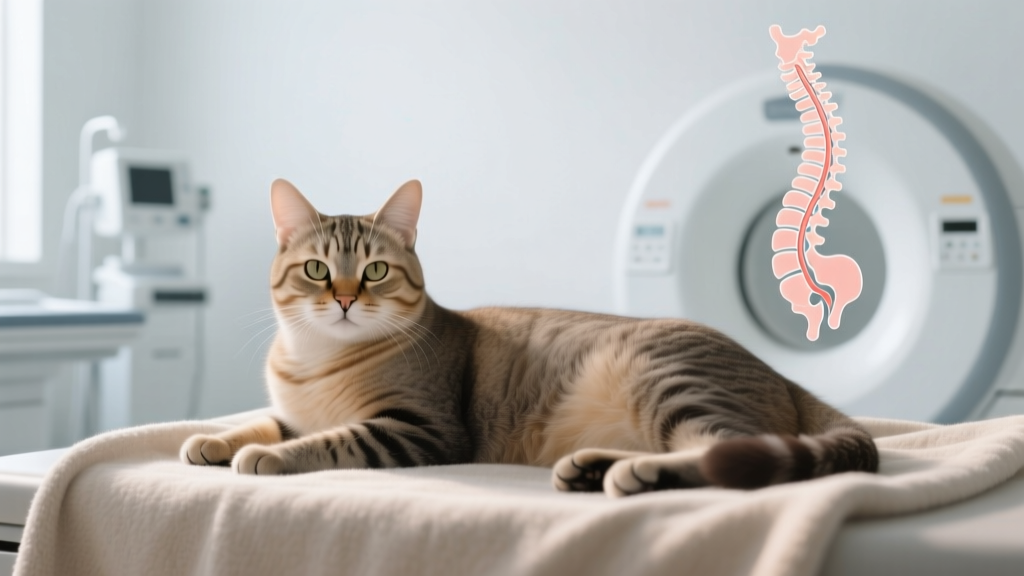
- X-rays (radiographs): the most common tool to assess stool load and colon size; helps identify pelvic narrowing or masses
- Bloodwork/urinalysis: evaluates dehydration, kidney function, electrolytes, and overall health before certain treatments or anesthesia
- Ultrasound or contrast studies: sometimes used if obstruction or mass is suspected
If your cat is severely constipated, your veterinarian may stabilize and relieve the constipation first, then pursue further testing once your cat is more comfortable.
6) Treatment options (medical, surgical, home care)
Treatment depends on severity, how long the problem has been present, and whether the colon is already significantly enlarged and weak. Many cats need a combination approach.
Medical treatment: relieving constipation and supporting colon function
- Rehydration: Subcutaneous or IV fluids may be needed, especially if your cat is dehydrated. Hydration helps soften stool and supports recovery.
- Enemas: Your vet may use cat-safe enemas to soften and lubricate stool. Never use human enemas (some, especially phosphate-based products, can be dangerous or fatal to cats).
- Deobstipation under sedation/anesthesia: For significant impaction, the safest and most effective option may be manual removal of stool while your cat is sedated. This prevents trauma and reduces stress and pain.
- Laxatives and stool softeners: Vets commonly prescribe medications to draw water into the colon or soften stool. The exact product and dose must be set by your veterinarian.
- Prokinetic medications: Some cats benefit from medications that help the colon contract more effectively, especially after impaction is relieved.
- Pain control: If arthritis or other pain contributes to litter box avoidance or poor posture, treating pain can be a major part of constipation control.
Dietary strategies (often a cornerstone of long-term control)
There isn’t one “perfect” megacolon diet for every cat. Your vet may recommend a trial based on your cat’s response.
- Increased moisture: Switching from dry to canned food (or adding water to food, if your cat accepts it) helps many constipated cats.
- Fiber modification: Some cats do better with added fiber; others do better with low-residue diets that reduce stool volume. Your vet may suggest a therapeutic diet rather than guessing.
- Weight management: A healthy body condition supports normal movement and grooming and may reduce constipation risk.
Home care: practical steps you can start right away (with vet guidance)
- Boost water intake:
- Offer multiple water bowls in quiet locations
- Try a cat water fountain
- Add a tablespoon or two of water to wet food (if tolerated)
- Optimize litter boxes:
- One box per cat, plus one extra
- Low-entry boxes for seniors or arthritic cats
- Scoop daily; fully change litter regularly
- Place boxes away from noisy appliances and away from food/water
- Encourage movement:
- Two to three short play sessions daily can stimulate gut motility
- Food puzzles can add gentle activity
- Grooming support:
- Brush routinely, especially long-haired cats, to reduce hair ingestion
- Track stool habits:
- Note stool frequency, size, and hardness
- Write down any vomiting, appetite changes, or straining
- This log helps your vet fine-tune treatment
Avoid giving over-the-counter laxatives or oils without veterinary direction. Some products are unsafe for cats or can cause dehydration, aspiration risk, or electrolyte imbalances.
Surgical treatment: when medical management isn’t enough
If the colon has lost most of its ability to contract, medications may provide only temporary relief. In severe or recurrent cases, surgery may be recommended.
- Subtotal colectomy: removal of most of the colon. This can sound intimidating, but many cats have a good quality of life afterward.
What to expect after surgery varies, but common points include:
- Stools may be softer or more frequent at first
- Some cats need diet adjustments during recovery
- Many cats improve dramatically in comfort and appetite once chronic blockage is resolved
Your veterinarian or a veterinary surgeon will discuss risks, benefits, and whether your cat is a good candidate based on overall health and the cause of megacolon.
7) Prevention strategies and early detection tips
Not all cases are preventable, especially idiopathic megacolon. But you can reduce constipation risk and catch problems earlier.
Prevention checklist
- Feed a vet-approved diet plan that supports hydration and regular stools
- Prioritize water intake (wet food, fountains, multiple stations)
- Keep litter boxes clean, accessible, and low-stress
- Maintain a healthy body weight
- Schedule regular veterinary checkups, especially for senior cats
- Address pain early (arthritis is a common hidden factor)
Early detection tips
- Know your cat’s normal bathroom pattern
- Watch for “quiet” signs: smaller stools, less frequent stools, mild appetite dips, or repeated box trips
- If your cat has a history of constipation, ask your vet for a written plan for flare-ups
8) Prognosis and quality of life
Many cats with constipation or early megacolon do well with long-term medical management: hydration support, diet changes, and appropriate medications. Quality of life often improves quickly once painful stool retention is under control.
Prognosis depends on:
- Severity and duration (how stretched/weak the colon has become)
- Underlying cause (pelvic narrowing or neurologic disease may require different strategies)
- How consistently treatment can be maintained (diet, meds, hydration, monitoring)
If surgery is needed, many cats regain a comfortable, happy routine afterward. The goal is not just producing stool—it’s maintaining appetite, energy, hydration, and a pain-free life.
9) When to seek emergency veterinary care
Constipation can turn into an emergency when a cat becomes obstructed, severely dehydrated, or systemically ill. Seek urgent veterinary care if you notice:
- No stool produced for 48–72 hours, especially with straining or discomfort
- Repeated vomiting or inability to keep food/water down
- Extreme lethargy, weakness, or collapse
- Painful, tense abdomen or crying when handled
- Straining with little/no urine (possible urinary blockage—treat as immediate emergency)
- Signs of severe dehydration (dry/sticky gums, sunken eyes)
- Blood in stool or black/tarry stool
If you’re unsure whether it’s constipation or a urinary issue, it’s safer to be seen immediately.
10) FAQ: Common questions from cat owners
How long can a cat go without pooping before I should worry?
Many cats poop daily or every other day. If your cat hasn’t passed stool for 48 hours and especially if they’re straining, vomiting, not eating, or acting uncomfortable, contact your veterinarian promptly. Earlier is better if your cat has a known history of constipation or megacolon.
Can I give my cat a human laxative or an enema at home?
Don’t give human laxatives or enemas unless your veterinarian specifically instructs you. Some enemas (especially phosphate-based products) can be dangerous for cats. The wrong product or dose can cause dehydration, electrolyte problems, or injury.
Is megacolon curable?
Some cats can be managed long-term with diet and medication, especially if caught early and if the colon still has reasonable muscle tone. In advanced cases where the colon no longer functions well, surgery (subtotal colectomy) can be a highly effective long-term solution. Your vet can help you decide what “best outcome” looks like for your cat.
What should I feed a constipated cat?
Many constipated cats benefit from increased moisture (often more wet food). Fiber changes can help some cats but worsen others. Because megacolon cases vary, ask your veterinarian for a diet plan—often a prescription GI diet trial is more effective than guesswork.
Will my cat be in pain with megacolon?
Constipation and stool impaction can be uncomfortable or painful. Cats may show pain subtly (hiding, decreased appetite, avoiding the litter box). With proper treatment—hydration, stool softening, and pain control when needed—most cats become noticeably more comfortable.
What can I do today to help prevent constipation?
- Switch at least part of the diet to wet food if your vet agrees
- Set up a water fountain or add extra water stations
- Scoop the litter box daily and ensure easy access (especially for seniors)
- Schedule a vet visit if constipation is recurring or your cat strains
If your cat is constipated often, or if you suspect megacolon, schedule a veterinary exam. Early treatment can prevent the colon from stretching and losing function, and it helps your cat stay comfortable.
For more caring, vet-guided cat health resources and practical home tips, visit catloversbase.com.