Signs of Infection in Cats After Surgery: Recovery Guide
1. Why this topic matters to cat owners
When your cat comes home after surgery—whether it’s a spay/neuter, dental procedure, mass removal, or orthopedic repair—you’re suddenly responsible for the most important part of recovery: healing at home. Most cats heal smoothly, but surgical incisions can develop problems such as irritation, swelling, wound opening, or infection. Catching changes early can prevent pain, delays in healing, and more serious complications.
Incision monitoring doesn’t need to be stressful or complicated. With a simple daily routine and a clear idea of what’s normal versus concerning, you can protect your cat’s comfort and help your veterinarian intervene quickly if needed.
2. Overview: what’s happening under the skin
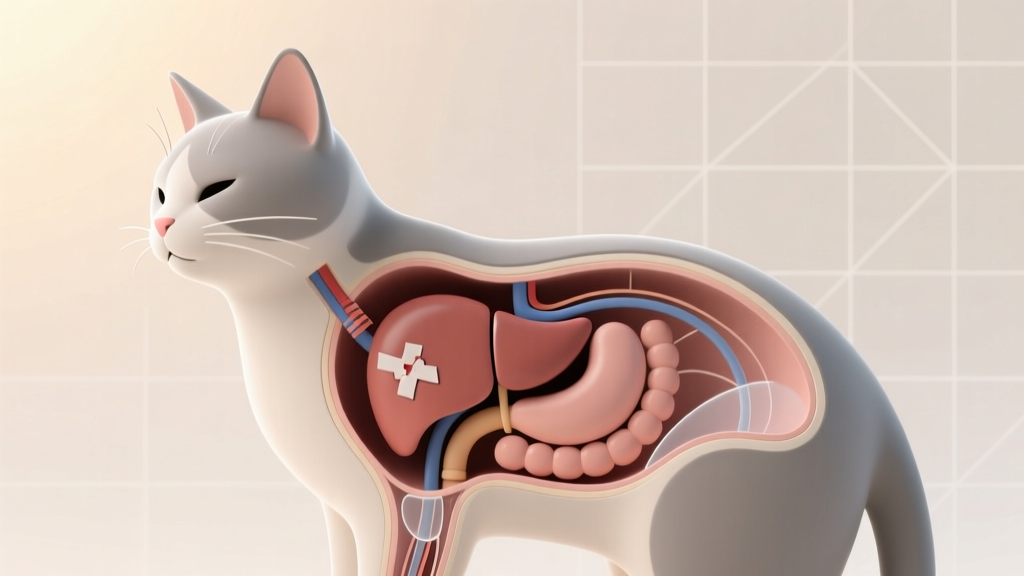
A surgical incision is a controlled cut through skin and sometimes deeper tissues. Your veterinarian closes the layers with sutures (stitches), staples, and/or surgical glue. Healing happens in stages:
- Inflammatory phase (first 1–3 days): Mild swelling, warmth, and pinkness are part of normal healing.
- Proliferative phase (days 3–14): New tissue forms, and the incision edges gain strength. Scabs may appear, and mild itching can occur.
- Remodeling phase (weeks to months): Scar tissue strengthens and smooths over time.
An incision infection occurs when bacteria multiply in or around the wound. This can happen at the skin level (superficial) or deeper in the tissues (deep infection). Some infections are mild and treatable with medication, while others can lead to wound breakdown, abscess formation, or spread of infection if not addressed promptly.
The goal is not perfection—many incisions look a little puffy or bruised at first. The goal is to notice trends: improving versus worsening.
3. Symptoms and warning signs to watch for
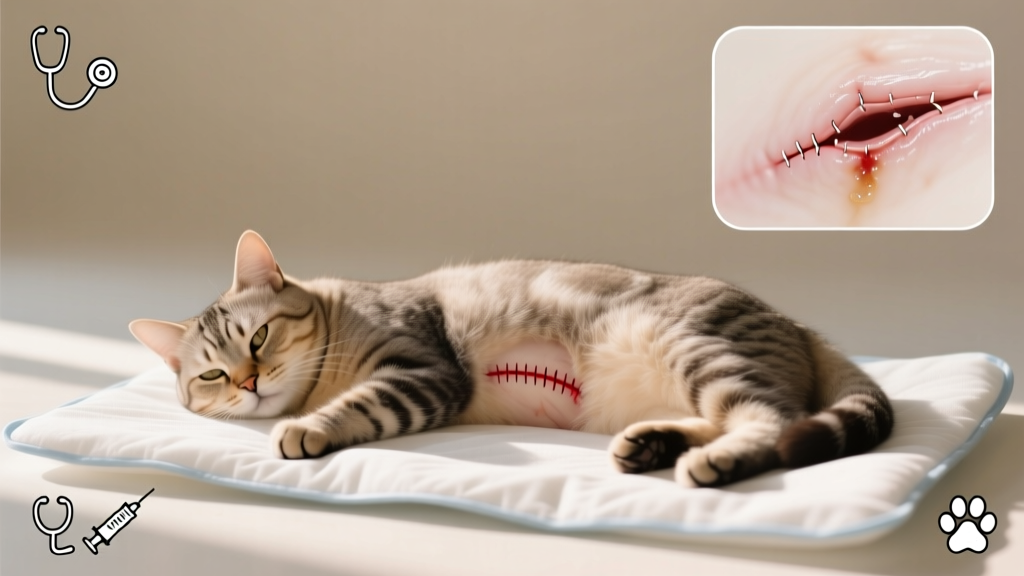
Check the incision at least once daily in good lighting. If your cat is wiggly, make it a quick “peek” rather than a wrestling match. Take a photo each day from the same angle—this makes subtle changes easier to spot.
What can be normal (especially in the first few days)
- Mild swelling or a small, firm ridge under the incision line
- Light pinkness at the edges
- Minor bruising (blue/purple discoloration) near the incision
- A small amount of clear or slightly blood-tinged moisture on the first day
- Sleepiness and reduced appetite for 12–24 hours after anesthesia (follow your vet’s guidance)
Signs that suggest irritation or a developing problem
- Increasing redness that spreads outward from the incision
- Worsening swelling after day 2–3, or swelling that feels soft/fluid-filled
- Heat at the incision compared to surrounding skin
- New or worsening pain (flinching, hiding, growling when touched, reluctance to move)
- Persistent licking, chewing, or scratching at the incision or nearby skin
- Missing staples/sutures or a gap between incision edges
Strong infection warning signs
- Discharge that is yellow, green, creamy, or foul-smelling
- Bleeding that doesn’t stop quickly with gentle pressure
- Open incision (wound edges separated) or visible tissue underneath
- Fever signs at home: lethargy, warm ears/paws, poor appetite, “not themselves” behavior (a thermometer reading over 102.5°F/39.2°C is typically considered a fever—ask your vet what range they use)
- Lump that rapidly enlarges near the incision, especially if painful (could be abscess or seroma)
Behavior changes that matter
Cats often show discomfort subtly. Contact your veterinarian if you notice:
- Hiding, avoiding contact, or unusual irritability
- Reduced appetite lasting beyond 24 hours (or any concern in kittens)
- Vomiting, diarrhea, or refusal to drink
- Sudden decrease in mobility (especially after orthopedic surgery)
4. Causes and risk factors
Even with excellent surgical technique, infections and incision complications can occur. Common contributors include:
- Licking/chewing the incision: This is a top cause of inflammation, infection, and wound opening.
- Excess activity too soon: Jumping and running can stress sutures and create swelling or fluid pockets.
- Moisture and contamination: Dirty litter, outdoor exposure, or a wet incision can introduce bacteria.
- Underlying health conditions: Diabetes, kidney disease, immune suppression, obesity, or poor nutrition can delay healing.
- Longer or more complex surgeries: Orthopedic or abdominal procedures may carry higher risk than very short procedures.
- Reaction to suture material: Some cats develop localized inflammation or “suture spitting,” where the body pushes a suture fragment to the surface.
- Seroma formation: A pocket of fluid under the skin can occur after surgery and may mimic infection; it can also increase infection risk if severe.
5. Diagnosis: what to expect at the vet
If you’re concerned about your cat’s incision, it’s always appropriate to call your veterinary clinic. Many practices can advise you based on a photo and your cat’s behavior, then decide whether your cat needs an exam.
At the appointment, your veterinarian may:
- Assess the incision visually and by gentle palpation (feeling for heat, pain, fluid, or gaps)
- Check temperature and vital signs
- Review medications and activity level since surgery
- Ask about licking/chewing and whether an e-collar or recovery suit is being used
If infection is suspected, additional tests may include:
- Cytology: A swab or sample of discharge examined under a microscope to look for bacteria and inflammatory cells.
- Bacterial culture and sensitivity: Helps choose the most effective antibiotic, especially for recurrent or severe infections.
- Bloodwork: May be recommended if your cat seems systemically ill (lethargic, feverish, poor appetite) or has underlying disease.
- Imaging (ultrasound or x-rays): Sometimes used for deep infections, swelling, or suspected fluid pockets.
6. Treatment options (medical, surgical, and home care)
Treatment depends on what’s going on: simple inflammation, a seroma, a mild superficial infection, or a deeper wound issue. Your veterinarian will tailor the plan to your cat’s procedure and overall health.
Medical treatments
- Antibiotics: Prescribed when infection is suspected or confirmed. Give exactly as directed and finish the full course unless your vet tells you otherwise.
- Pain control/anti-inflammatory medication: Helps comfort and can reduce stress behaviors like licking. Use only medications prescribed for your cat—never give human pain relievers.
- Topical therapies: Sometimes recommended, but only if your veterinarian approves. Many ointments can encourage licking or trap moisture.
Surgical or procedural treatments
- Incision cleaning and flushing: Performed at the clinic if needed.
- Drain placement: For significant fluid buildup or infection.
- Debridement: Removal of infected or dead tissue in more severe cases.
- Resuturing: If the incision has opened or is at risk of opening.
Home care you can do right away
- Prevent licking: Use the e-collar or recovery collar/suit your vet recommended. If your cat can still reach the incision, it’s not fitted correctly—call your clinic for help.
- Restrict activity: Follow your vet’s timeline. In many cases this means no jumping, running, or rough play for 10–14 days (sometimes longer after orthopedic surgery). Use a small room if needed.
- Keep the incision clean and dry: Do not bathe your cat or allow the incision to get wet unless your vet has given specific instructions.
- Use clean litter: Consider dust-free litter temporarily, especially for abdominal incisions. Keep the box very clean.
- Check daily: Look for changes in redness, swelling, discharge, and incision integrity.
- Give medications on schedule: If your cat resists, ask your vet about flavored liquids, compounding, or alternative formulations.
What not to do at home
- Do not use hydrogen peroxide, alcohol, or harsh antiseptics unless your vet instructs you—these can damage healing tissue.
- Do not apply human antibiotic ointments or creams without veterinary approval.
- Do not remove staples/sutures at home.
- Do not allow “just a little” licking—repeated small licks are enough to cause major irritation.
7. Prevention strategies and early detection tips
Most incision problems are preventable with consistent basics.
- Use the cone consistently: Many cats only need to get to the incision for a few minutes to create a problem. If the cone is off, supervise closely.
- Set up a recovery space: Quiet room, soft bedding, easy access to food/water, and a low-entry litter box. Block access to high furniture.
- Feed for healing: Keep nutrition steady. If your cat is a picky eater post-op, ask your vet about temporary appetite support or a recovery diet.
- Track progress: Take daily photos and note your cat’s appetite, energy, and litter box habits.
- Attend recheck appointments: Staple/suture removal and incision checks are not just “formalities”—they catch issues you may not see at home.
8. Prognosis and quality of life considerations
The outlook for most cats with incision irritation or mild infection is very good, especially when caught early. Cats often feel better quickly once pain is controlled, licking is prevented, and appropriate medication is started.
Quality of life during recovery is mostly about comfort and stress reduction:
- Comfortable confinement: A calm, predictable space reduces anxious activity.
- Pain management: A comfortable cat heals better and is less likely to interfere with the incision.
- Gentle enrichment: Food puzzles, calm petting (if your cat enjoys it), and quiet companionship can help.
If your cat needed complex surgery (orthopedic repairs, abdominal explorations), healing may take longer and may include additional restrictions. Your veterinarian can give you a realistic timeline and milestones to watch for.
9. When to seek emergency veterinary care
Contact an emergency veterinarian right away (or your regular clinic if they are open) if you see any of the following:
- The incision has opened or you can see tissue beneath the skin
- Heavy bleeding or bleeding that continues despite gentle pressure for a few minutes
- Large amounts of pus or a strong foul odor from the incision
- Rapidly expanding swelling near the incision, especially if painful
- Severe lethargy, collapse, or difficulty breathing
- Repeated vomiting, refusal to eat for more than 24 hours, or any refusal to drink with signs of dehydration
- Suspected medication reaction (facial swelling, hives, intense itching, weakness)
If you’re unsure whether something is urgent, call a veterinary professional. It’s always appropriate to ask—especially in the first two weeks after surgery.
10. FAQ: common questions from cat owners
How often should I check my cat’s incision?
Once or twice daily is ideal. Keep it brief and calm. A daily photo can help you compare day-to-day changes and decide whether things are improving.
My cat has a small lump under the incision. Is that normal?
A small firm ridge or mild swelling can be normal early on, especially in the first week. A soft, squishy, fluid-like swelling may be a seroma and should be discussed with your veterinarian. Any lump that rapidly grows, becomes painful, or is associated with discharge needs prompt veterinary attention.
Can I clean the incision at home?
Only clean the incision if your veterinarian specifically instructs you to. Many incisions heal best when left alone and kept dry. If your vet recommends cleaning, they will tell you what solution to use and how often.
What does “normal redness” look like after surgery?
Normal redness is usually mild pinkness right along the incision edges and should improve day by day. Redness that spreads outward, looks angry, or worsens after the first few days should be checked by your vet.
When can my cat stop wearing the e-collar?
Usually when the incision is fully sealed and your veterinarian confirms it’s safe—often around 10–14 days, but it depends on the surgery and your cat’s habits. If your cat is still interested in licking, continue the collar until your vet advises otherwise.
My cat seems fine but the incision looks a little “off.” Should I still call?
Yes. Cats can act fairly normal even with early infection or a mild wound issue. A quick call (and often a photo) can help your clinic decide whether to monitor at home or schedule a recheck. When it comes to surgical healing, early guidance is almost always easier than fixing a problem later.
If you’d like more practical cat health guidance, recovery tips, and behavior support during healing, visit catloversbase.com for more feline health resources.