How to Take Care of a Stray Kitten: The First 72 Hours That Save Lives (Vet-Backed Steps You Can’t Skip)
Why This Matters More Than Ever Right Now
If you've just found a tiny, shivering stray kitten huddled under your porch or crying in a storm drain, you're likely asking how to take care of a stray kitten — not out of curiosity, but urgency. These fragile beings face staggering odds: up to 75% of unassisted neonatal strays die within their first week due to hypothermia, dehydration, or untreated parasites (American Veterinary Medical Association, 2023). Unlike adult cats, kittens under 8 weeks lack immune maturity, thermoregulation, and feeding independence — making the first 72 hours the most critical window for intervention. What you do now doesn’t just improve survival chances — it determines whether that kitten grows into a healthy, trusting companion or succumbs to preventable causes. This isn’t about 'adopting a pet'; it’s emergency medicine with paws.
Step 1: Assess Safety & Stabilize — Before You Even Touch Them
Never rush in. Observe from a distance for 15–30 minutes: Are the kitten’s eyes open? Is it moving? Is there a mother nearby? According to Dr. Sarah Lin, a feline specialist at Cornell Feline Health Center, "Many well-meaning people remove kittens prematurely — only to discover mom was hunting nearby. Separating them before 4 weeks dramatically increases mortality." If the kitten is under 2 weeks old (eyes closed, ears folded, no teeth), it’s almost certainly still nursing and should only be removed if the mother is confirmed absent, injured, or deceased.
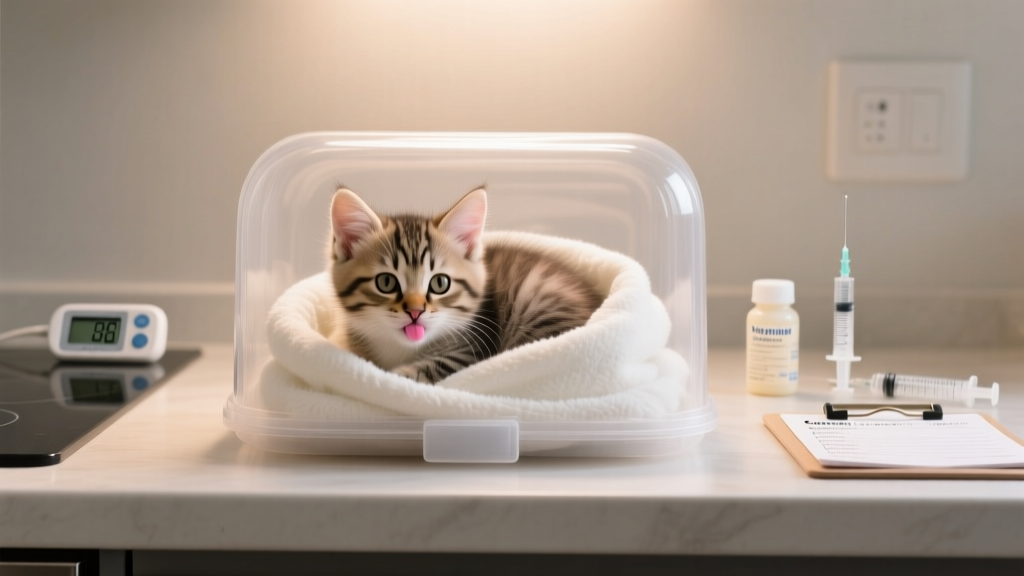
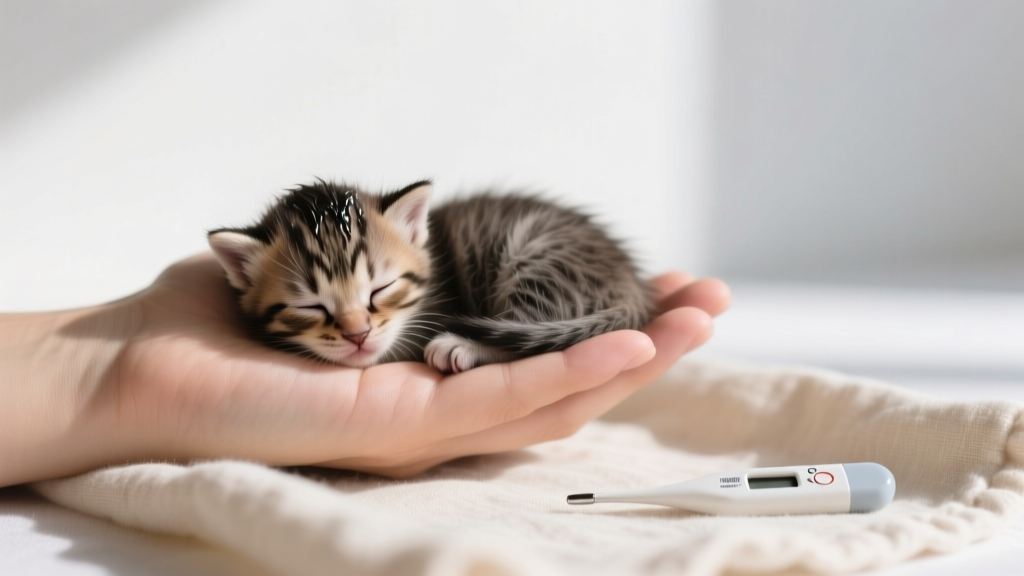
If removal is necessary, prioritize stabilization over cleaning or cuddling. Hypothermia kills faster than hunger. Neonates (<4 weeks) cannot regulate body temperature — their ideal ambient temp is 85–90°F (29–32°C). Wrap the kitten loosely in a pre-warmed (not hot) towel or blanket, then place it in a small box with a heating pad set on LOW underneath half the box (so the kitten can move away if overheated). Never use direct heat sources like hair dryers or heating lamps — burns are common and fatal.
Next: Check for dehydration. Gently pinch the skin between the shoulders. If it stays ‘tented’ >2 seconds, the kitten is severely dehydrated and needs immediate subcutaneous fluids — not water from a dropper. Oral rehydration is ineffective at this stage. Contact a rescue or vet immediately. As Dr. Lin emphasizes: "A dehydrated 10-day-old kitten may only have 6–12 hours before organ failure begins. Time is physiology, not convenience."
Step 2: Immediate Health Triage — What to Look For (and What to Ignore)
Once stable (warm, breathing normally, responsive), perform a rapid visual and tactile assessment. Use clean, gloved hands. Focus on five non-negotiable red flags:
- Eyes: Cloudy, yellow, or pus-filled discharge = conjunctivitis (often chlamydial or viral); requires antibiotics within 24 hrs.
- Nose/mouth: Crusty nasal discharge or oral ulcers suggest feline herpesvirus (FHV-1) — highly contagious and potentially fatal in neonates.
- Anal area: Bright red, swollen, or oozing tissue indicates severe coccidia or giardia infection — both cause life-threatening diarrhea.
- Belly: Swollen, hard, or distended = intestinal obstruction or severe parasitism (e.g., roundworms). Do not feed until cleared by a vet.
- Respiratory rate: Count breaths for 15 seconds while resting — multiply by 4. Normal is 20–30 bpm. >40 bpm signals distress or pneumonia.
Don’t panic over minor scabs, fleas, or mild eye gunk — these are treatable. But ignore any of the above signs, and you risk sepsis or sudden collapse. A 2022 study in the Journal of Feline Medicine and Surgery found that 68% of stray kittens admitted to shelters with untreated upper respiratory infections developed pneumonia within 48 hours.
Crucially: Do not bathe. Bathing strips natural oils, drops body temperature, and stresses the immune system. Fleas? Use a fine-tooth flea comb dipped in soapy water — never topical pesticides (Frontline, Advantage) on kittens under 8 weeks. They’re neurotoxic and linked to seizures in underdeveloped livers.
Step 3: Feeding, Hydration & Growth Tracking — The Science of Tiny Stomachs
Feeding a stray kitten isn’t about ‘giving milk.’ Cow’s milk causes fatal diarrhea. Goat’s milk lacks essential taurine. Human baby formula has incorrect protein ratios. Only use a commercial kitten milk replacer (KMR or Just Born) — warmed to 98–100°F (body temp). Test on your wrist: it should feel neutral, not warm.
Frequency depends entirely on age — not weight or appetite. Here’s the evidence-based schedule:
- 0–1 week: Feed every 2 hours (including overnight). 2–4 mL per feeding. Use a 1–3 mL syringe (no nipple) to avoid aspiration.
- 1–2 weeks: Every 3 hours. 5–10 mL. Begin gentle belly massage post-feeding to stimulate elimination.
- 2–3 weeks: Every 4 hours. 10–15 mL. Introduce shallow dish for lapping practice (mix KMR with water 50/50).
- 3–4 weeks: Every 6 hours. Start gruel: mix KMR + high-quality wet kitten food (e.g., Royal Canin Babycat) into paste. Offer in shallow dish.
Always burp after feeding — hold upright against your shoulder and gently pat. Failure to eliminate is deadly: neonates cannot defecate or urinate without stimulation. Use a warm, damp cotton ball to gently stroke the genital and anal area before and after each feeding — mimic mom’s licking. Stop when urine is pale yellow and stool is soft, mustard-yellow, and formed (not watery or bloody).
Track growth daily: weigh in grams using a kitchen scale. Healthy gain is 7–10g/day. No gain for 24 hours? Or loss? That’s an ER-level warning sign — contact a vet or foster coordinator immediately.
Step 4: Parasite Control, Vaccination & Socialization — Building Immunity, Not Just Survival
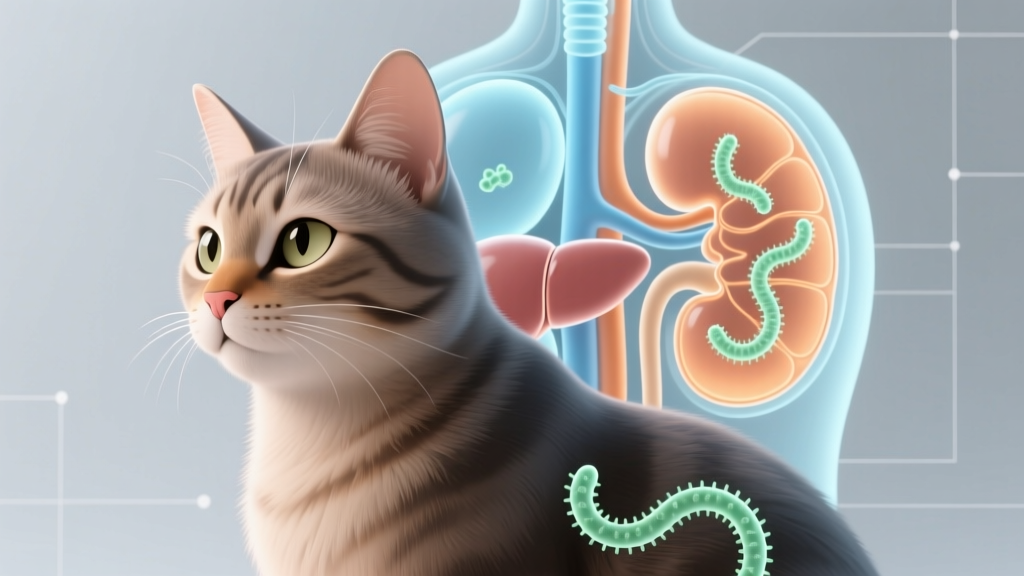
Every stray kitten carries internal and external parasites — but deworming timing is critical. Roundworms are present in >90% of strays (ASPCA Shelter Medicine Survey, 2023), yet giving dewormer too early (before day 21) can trigger toxic shock. The protocol: first dose at 2 weeks, repeat every 2 weeks until 8 weeks, then monthly until 6 months. Use only pyrantel pamoate (safe for neonates) — never fenbendazole or milbemycin in kittens under 4 weeks.
Vaccinations start at 6–8 weeks — but only if the kitten is healthy, parasite-free, and gaining weight. Core vaccines: FVRCP (feline viral rhinotracheitis, calicivirus, panleukopenia). Rabies is given at 12 weeks minimum. Skipping vaccines leaves kittens vulnerable to panleukopenia — a 90% fatality rate in unvaccinated neonates.
Socialization is neurological development, not ‘cute playtime.’ The prime window is 2–7 weeks. Miss it, and fear-based aggression may be permanent. Spend 2+ hours daily handling gently: cradle, stroke paws, touch ears, open mouth (gently), introduce new sounds (vacuum at low volume), and rotate human handlers. Always pair new experiences with KMR or treats. A landmark study in Applied Animal Behaviour Science (2021) showed kittens handled 45+ minutes/day during weeks 3–5 were 3.2x more likely to pass shelter behavior assessments at 12 weeks.
| Age Range | Critical Actions | Tools Needed | Red Flags Requiring Vet Visit |
|---|---|---|---|
| 0–2 weeks | Stabilize temp; stimulate elimination; feed KMR every 2–3 hrs; monitor weight daily | Heating pad (low), digital scale, 1–3 mL syringes, KMR, cotton balls, thermometer | No weight gain in 24 hrs; >40 breaths/min; eyes sealed shut past 14 days; no stool/urine after stimulation |
| 2–4 weeks | Introduce gruel; begin socialization; first deworming (pyrantel); watch for eye/nose discharge | Shallow dish, kitten food, flea comb, dewormer (pyrantel), soft toys | Persistent diarrhea (>3 loose stools/day); coughing or sneezing; lethargy beyond napping; refusal to eat for >2 feedings |
| 4–8 weeks | Transition to solid food; litter box training; second deworming; FVRCP vaccine #1; continue socialization | Litter box (low entry), unscented clay litter, FVRCP vaccine, kitten-safe litter mat | Fever (>103°F); vomiting >2x/day; blood in stool; hiding constantly; no interest in play or interaction |
| 8–12 weeks | Spay/neuter consultation; FVRCP #2 & #3; rabies vaccine; adoptability prep; environmental enrichment | Vet records, carrier, scratching post, interactive wand toy | Aggression toward humans; inability to use litter box after 2 weeks of training; persistent limping or eye squinting |
Frequently Asked Questions
Can I feed a stray kitten cow’s milk or human baby formula?
No — absolutely not. Cow’s milk contains lactose that neonatal kittens cannot digest, causing severe, dehydrating diarrhea. Human formula lacks taurine (an essential amino acid for heart and vision development) and has imbalanced calcium-phosphorus ratios that impair bone growth. A 2020 University of California Davis study found 92% of kittens fed cow’s milk developed enteritis within 48 hours. Use only veterinarian-approved kitten milk replacer (KMR or Just Born).
How do I know if a stray kitten is abandoned or just temporarily alone?
Observe quietly for 2–4 hours (longer if weather is mild). Mother cats often leave kittens for 30–90 minutes to hunt or rest. Signs she’s returning: fresh nesting material, grooming residue on kittens, or vocalizations answered by distant meowing. If kittens are cold, weak, or crying continuously for >2 hours — or if it’s raining, below 60°F, or nighttime — assume abandonment and intervene. When in doubt, call a local TNR (Trap-Neuter-Return) group or humane society for guidance before removing.
Is it safe to handle a stray kitten without gloves? What about disease risk?
Wear disposable gloves initially — especially if the kitten has visible discharge, fleas, or diarrhea. Strays commonly carry zoonotic pathogens: Ringworm (fungal, causes circular rashes), Hookworm larvae (causes skin penetration), and Toxoplasma gondii (rarely symptomatic in healthy adults but risky for immunocompromised or pregnant individuals). Wash hands thoroughly with soap for 20+ seconds after handling. Pregnant individuals should avoid direct contact until the kitten is tested and treated. According to the CDC, proper hygiene reduces zoonotic transmission risk to near zero.
When should I take a stray kitten to the vet — and what should I ask for?
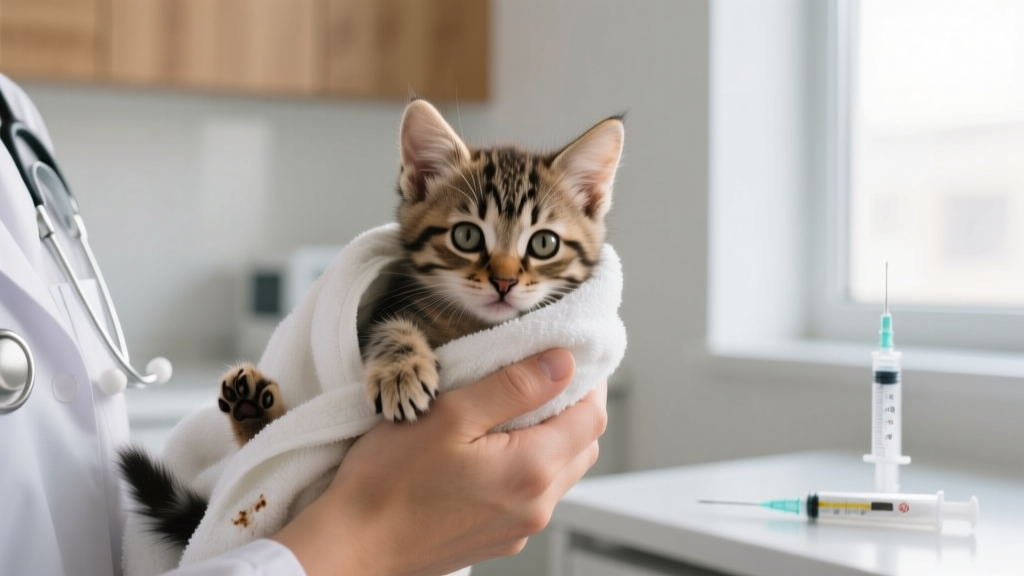
Take them within 24 hours of rescue — even if they seem fine. Request: (1) Physical exam with temperature, weight, and hydration check; (2) Fecal float test for parasites; (3) SNAP test for FeLV/FIV (though false positives common under 6 months — confirm with PCR at 16 weeks); (4) Ear swab for mites; (5) Starter deworming and vaccination plan. Ask for written instructions — don’t rely on memory. Most shelters and rescues offer low-cost intake clinics specifically for strays.
What if I can’t afford vet care — are there free or low-cost options?
Yes — dozens exist. Start with your local humane society, ASPCA affiliate, or municipal animal control office: many run subsidized kitten nurseries. Organizations like Kitten Lady’s Kitten Spay/Neuter Fund, Alley Cat Allies’ Resource Map, and the Humane Society’s Financial Assistance Directory list income-based programs. Many vets also offer payment plans (CareCredit) or pro bono slots. Never delay critical care — call three organizations before assuming ‘no options exist.’
Common Myths About Stray Kitten Care
Myth #1: “If it’s warm outside, the kitten doesn’t need extra heat.”
False. Ambient temperature ≠ body temperature. Kittens under 4 weeks cannot generate or retain heat efficiently — even at 75°F, they’ll become hypothermic in under an hour without supplemental warmth. Their thermoneutral zone starts at 85°F.
Myth #2: “You should wait until a kitten is weaned to take it to the vet.”
Dangerous. Weaning happens at 6–8 weeks — but panleukopenia, feline leukemia, and severe parasitism can kill long before then. Early vet assessment prevents irreversible damage and identifies treatable conditions like congenital heart defects or cleft palates.
Related Topics (Internal Link Suggestions)
- Kitten deworming schedule — suggested anchor text: "kitten deworming timeline and safe dosages"
- How to bottle feed a newborn kitten — suggested anchor text: "step-by-step bottle feeding guide with video demo"
- Signs of panleukopenia in kittens — suggested anchor text: "early symptoms and emergency response"
- Feral vs stray kitten behavior differences — suggested anchor text: "how to tell if a kitten is truly feral or just scared"
- Low-cost spay/neuter programs for kittens — suggested anchor text: "find free or sliding-scale kitten surgeries near you"
Your Next Step Starts Today — Not Tomorrow
You’ve just absorbed life-saving protocols used by veterinary technicians and shelter neonatal teams — but knowledge only helps if applied. Don’t wait for ‘perfect conditions.’ Grab a clean towel, a digital scale (borrow one if needed), and KMR from your local pet store — it’s stocked in most major chains. Then call your nearest cat rescue: groups like Kitten Rescue LA, TinyKittens Society, or Neighborhood Cats offer real-time phone triage, foster matching, and even doorstep supply delivery in many metro areas. Every minute counts — but so does your compassion. That tiny, trembling creature isn’t just ‘a stray.’ It’s a patient. A student. A future friend. And right now, it’s counting on you to be its first, best advocate.