Cat Wuchereria: Lymphatic Worm Elephantiasis
1. Introduction: Why this topic matters for cat owners
When most people hear “elephantiasis,” they think of severe swelling in humans caused by parasitic worms. It can be unsettling to learn that a similar type of lymphatic parasite may also affect animals in certain parts of the world. For cat owners, understanding lymphatic worm disease matters for two big reasons:
- Early signs can be subtle and easy to mistake for allergies, skin infections, or simple “puffiness.”
- Swelling can become uncomfortable or lead to complications if the lymphatic system is damaged over time.
This article explains what “cat Wuchereria” and lymphatic worm elephantiasis refers to, what to watch for, and how to protect your cat. If you suspect any swelling, recurring skin problems, or unexplained lumps, a veterinarian should always be your first call—prompt evaluation makes a real difference.
2. Overview: What is “Cat Wuchereria” (lymphatic worm elephantiasis)?
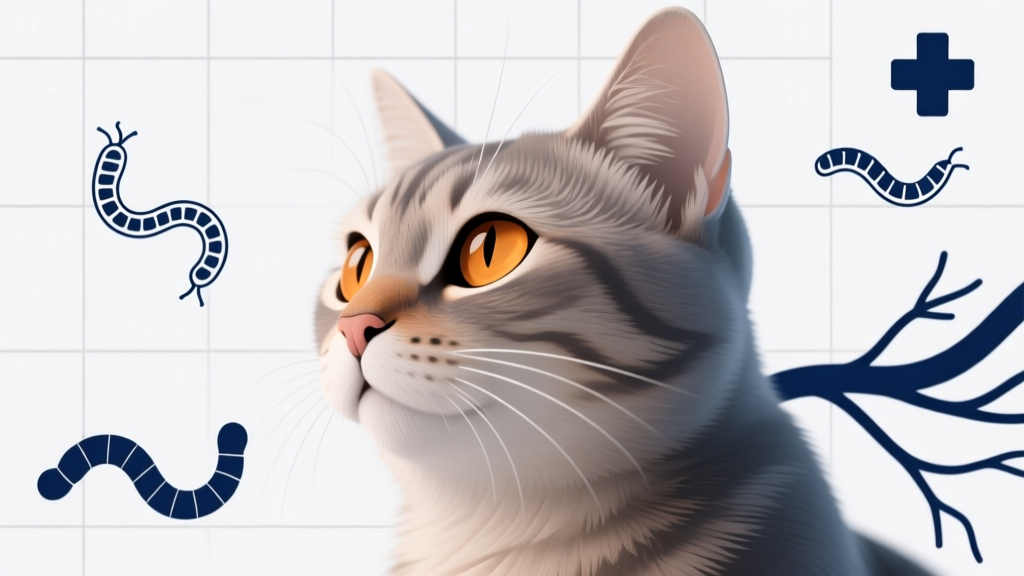
“Wuchereria” usually refers to Wuchereria bancrofti, a filarial worm best known for causing lymphatic filariasis in humans. Cats are not considered the primary host for Wuchereria in most regions, and true “elephantiasis” in cats is uncommon. However, cats can be affected by filarial (thread-like) worms that live in tissues and may involve the lymphatic system, sometimes leading to swelling, skin changes, and chronic inflammation.
When people use the phrase “cat Wuchereria,” they are typically referring to:
- Filarial worm infections in cats that may involve lymph vessels, skin, or body cavities
- Lymphatic obstruction (blocked lymph drainage) caused by inflammation, scarring, or parasites
- Elephantiasis-like changes, meaning persistent, firm swelling and thickened skin in an affected area
Plain-language explanation of the lymphatic system: Your cat’s lymphatic system is part of their immune and fluid-balance system. It’s a network of tiny vessels and lymph nodes that drains fluid from tissues and helps fight infection. If those vessels become inflamed or blocked, fluid can build up under the skin, causing swelling (called lymphedema).
How worms can contribute: Certain filarial worms are transmitted by biting insects (often mosquitoes). These parasites can trigger inflammation and immune responses, and in some cases they may be associated with lymph vessel damage or obstruction. Not every cat with a filarial infection develops visible swelling—some have no outward signs until the condition progresses or complications occur.
3. Symptoms and warning signs to watch for
Signs can vary based on which parasite is involved, where it lives in the body, and how strongly your cat’s immune system reacts. Contact your veterinarian if you notice any of the following:
Common or possible signs
- Swelling in one area (a limb, tail, face, or belly region), especially if it’s persistent
- Firm, thickened skin or a “leathery” texture over the swollen area
- Repeated skin infections, oozing sores, crusting, or poor healing
- Lumps or nodules under the skin
- Redness, warmth, or irritation in a swollen area
- Itching or over-grooming in one region
- Lethargy or decreased activity
- Reduced appetite
- Enlarged lymph nodes (may feel like small, firm “beans” under the jaw, in front of shoulders, or behind knees)
Signs that may suggest complications
- Pain when touched or reluctance to walk/jump (if a limb is involved)
- Foul odor from skin or wounds (possible infection)
- Fever (your vet will confirm)
- Drainage tracts or recurring abscess-like lesions
Practical at-home tip: Take a clear photo of the swelling (same angle, same lighting) and measure the widest part with a soft tape measure. Bring these records to your vet visit—tracking changes helps with diagnosis and treatment decisions.
4. Causes and risk factors
Elephantiasis-like swelling in cats can have multiple causes, and filarial worms are only one possibility. A veterinarian must sort out the underlying reason because treatments differ.
Potential causes
- Filarial worm infection (mosquito-borne parasites; species vary by region)
- Chronic bacterial skin infection leading to lymphatic damage
- Trauma or surgery that disrupts lymph drainage
- Inflammatory skin disease or immune-mediated conditions
- Foreign bodies (splinters, plant awns) causing recurring inflammation
- Tumors pressing on lymph vessels or lymph nodes
- Heartworm-associated disease (different parasite, but can cause respiratory signs and complicate parasite prevention choices)
Risk factors that can raise concern for filarial exposure
- Living in or traveling to mosquito-heavy regions (warm, humid climates; near standing water)
- Outdoor access, especially dawn/dusk when mosquitoes are active
- No consistent parasite prevention (missed monthly preventives)
- Multi-pet households where parasite control is inconsistent
- Stray/feral background with unknown health history
Actionable step today: If your cat goes outdoors or you live in a mosquito-prone area, talk with your veterinarian about a year-round parasite prevention plan tailored to your region and your cat’s lifestyle.
5. Diagnosis: Methods and what to expect at the vet
Because swelling and skin thickening can come from many different problems, diagnosis usually involves several steps. Your vet’s goal is to confirm what’s causing the swelling and identify any secondary infections or complications.
Typical vet visit components
- History: travel, outdoor exposure, mosquito exposure, onset and progression of swelling, itchiness, wounds, previous treatments
- Physical exam: palpation of the swelling, lymph nodes, skin condition, temperature, hydration, and pain assessment
Common diagnostic tests
- Bloodwork (CBC/chemistry): checks for inflammation, organ function, and overall health before medications
- Blood smear or specialized parasite tests: may look for microfilariae (baby worms) in the bloodstream, though some infections are “occult” and won’t show up easily
- Heartworm testing: may be recommended in mosquito regions because prevention and treatment choices can overlap
- Skin tests: skin scraping, cytology (tape/prep), bacterial culture if infection is suspected
- Fine needle aspirate (FNA): sample from a lump or lymph node to check for inflammation, infection, or cancer
- Imaging: ultrasound or X-rays if internal involvement, masses, or fluid accumulation is suspected
- Biopsy: sometimes needed to confirm chronic lymphedema, rule out cancer, or identify parasites in tissue
What you can do to help your vet: Bring a list of current medications/preventives (including brand names), note when the swelling first appeared, and share photos showing progression.
6. Treatment options (medical, surgical, home care)
Treatment depends on the confirmed cause. If a filarial worm infection is suspected or confirmed, therapy must be carefully chosen because killing parasites can trigger inflammation, and some medications are not safe for every cat. Never attempt to treat suspected worms with leftover dog medications or online products—cats have unique sensitivities and dosing requirements.
Medical treatment (vet-directed)
- Antiparasitic therapy: your veterinarian may prescribe specific medications based on the parasite type and your cat’s health status.
- Anti-inflammatory support: may be used to reduce swelling and discomfort, especially if there’s a strong inflammatory reaction.
- Antibiotics: often needed if there is secondary skin infection, cellulitis, or draining lesions.
- Pain control: swelling and skin inflammation can be painful; safe pain relief should come from your vet (never give human pain meds).
- Management of underlying conditions: treatment for allergies, immune disease, or other issues contributing to skin breakdown and lymphatic damage.
Surgical or procedural options
- Drainage or wound care procedures: if abscesses or pockets of infection develop.
- Removal of masses or foreign bodies: when a tumor or foreign material is obstructing lymph flow.
- Biopsy or excision of affected tissue: in select cases for diagnosis or to remove chronically diseased tissue.
Home care (supportive care you can do)
- Follow medication directions exactly: finish antibiotics, keep dosing consistent, and don’t stop early because things “look better.”
- Protect the skin: keep the area clean and dry; use only vet-approved cleansers or topical products.
- Prevent licking/chewing: use an e-collar or recovery collar if your cat is traumatizing the area.
- Weight and activity management: maintaining a healthy weight reduces strain on the body and may improve comfort with limb swelling.
- Monitor for changes: measure swelling weekly, watch for redness/heat, and track appetite and energy.
Helpful question to ask your vet: “What signs would tell us the swelling is improving versus getting infected or worsening, and when should I call you?”
7. Prevention strategies and early detection tips
Prevention focuses on reducing exposure to biting insects and using veterinarian-approved parasite control.
Practical prevention steps
- Use consistent monthly parasite prevention recommended by your veterinarian (product choice depends on region and your cat’s health).
- Keep cats indoors during peak mosquito times (dawn and dusk), especially in warm months.
- Reduce mosquitoes around the home: empty standing water (plant saucers, buckets), clean gutters, refresh pet water bowls frequently.
- Use window/door screens and consider pet-safe environmental controls as advised by your vet.
- Regular wellness exams: small changes in lymph nodes, skin, and body condition are easier to address early.
Early detection routine at home
- Do a monthly “hands-on” check: feel legs, paws, tail base, and under the jaw for swelling or lumps.
- Check the coat and skin for scabs, crusts, or recurring sores.
- Watch for new over-grooming focused on one area.
8. Prognosis and quality of life considerations
The outlook depends on the underlying cause and how early it’s addressed. If swelling is due to a treatable parasite and caught early, many cats do well with appropriate therapy and follow-up. If lymphatic vessels have been chronically damaged, swelling can become long-term and may require ongoing management.
Quality of life is the priority. Cats can live comfortably even with chronic conditions when pain is controlled, skin infections are prevented, and mobility is supported.
Ways to support comfort long-term
- Keep nails trimmed to reduce skin damage from scratching.
- Use soft bedding and easy-access litter boxes if movement is uncomfortable.
- Maintain flea control (flea bites can worsen skin inflammation).
- Schedule rechecks as recommended to monitor swelling, skin health, and medication response.
9. When to seek emergency veterinary care
Swelling itself is not always an emergency, but certain signs need same-day or urgent evaluation. Seek emergency care if your cat has:
- Rapidly expanding swelling, especially of the face or throat
- Difficulty breathing, open-mouth breathing, or persistent coughing
- Severe pain or sudden inability to use a limb
- High lethargy (can’t stay awake, won’t get up) or collapse
- Fever with swelling or a swollen area that becomes hot, red, and very tender
- Active bleeding, pus drainage, or a foul-smelling wound
- No eating for 24 hours or signs of dehydration (dry gums, hiding, weakness)
If you’re unsure, call your veterinary clinic or an emergency hospital and describe what you’re seeing. A quick phone triage can help you decide how urgently your cat needs to be seen.
10. FAQ: Common questions from cat owners
Can my cat really get “elephantiasis”?
Cats can develop elephantiasis-like swelling when lymph flow is chronically blocked (lymphedema), sometimes associated with infections, inflammation, tumors, trauma, or parasitic disease. True classic elephantiasis from human-associated Wuchereria bancrofti is not commonly diagnosed in cats, but filarial worms and lymphatic problems can still occur. A veterinarian is needed to identify the true cause.
Is lymphatic worm disease contagious to people or other pets?
These parasites are typically transmitted by biting insects (often mosquitoes), not by casual contact. Your cat cannot usually “give” the condition directly to you or another pet through touching. That said, if mosquitoes are present, they can pose a risk to multiple animals in the household. Talk to your veterinarian about prevention for all pets.
What does swelling from lymphatic blockage feel like?
Lymphedema can feel like puffy, persistent swelling that may become more firm and thickened over time. The skin may look stretched, irritated, or prone to infection. Because many other conditions can mimic this (abscesses, tumors, allergies), a hands-on exam is essential.
Can I treat suspected worms at home?
No. Cats require species-appropriate dosing, and the wrong product can be dangerous. Also, swelling may not be caused by worms at all. Home treatment can delay proper care and allow infections or other underlying issues to worsen. If you suspect parasites, schedule a veterinary visit for testing and a safe plan.
Will my cat need lifelong care?
Some cats recover fully once the underlying cause is treated. Others may have long-term lymphatic changes and need ongoing skin care, infection prevention, and periodic rechecks. Your veterinarian can help you set up a realistic monitoring plan and comfort-focused routines.
What’s the single best thing I can do to protect my cat?
Use consistent veterinarian-recommended parasite prevention and reduce mosquito exposure. Combine that with monthly at-home checks for swelling or skin issues and routine wellness exams.
If you’ve noticed swelling, recurring skin infections, or unexplained lumps on your cat, schedule a veterinary exam so you can get a clear diagnosis and a tailored treatment plan. For more caring, practical cat health guidance, visit catloversbase.com and explore our library of feline wellness resources.