How to Care for 6 Wk Old Kitten: The 7 Non-Negotiable Health & Safety Steps Every New Owner Misses (And Why Skipping #3 Could Land Your Kitten in the ER)
Why This Week Is the Most Critical in Your Kitten’s Life
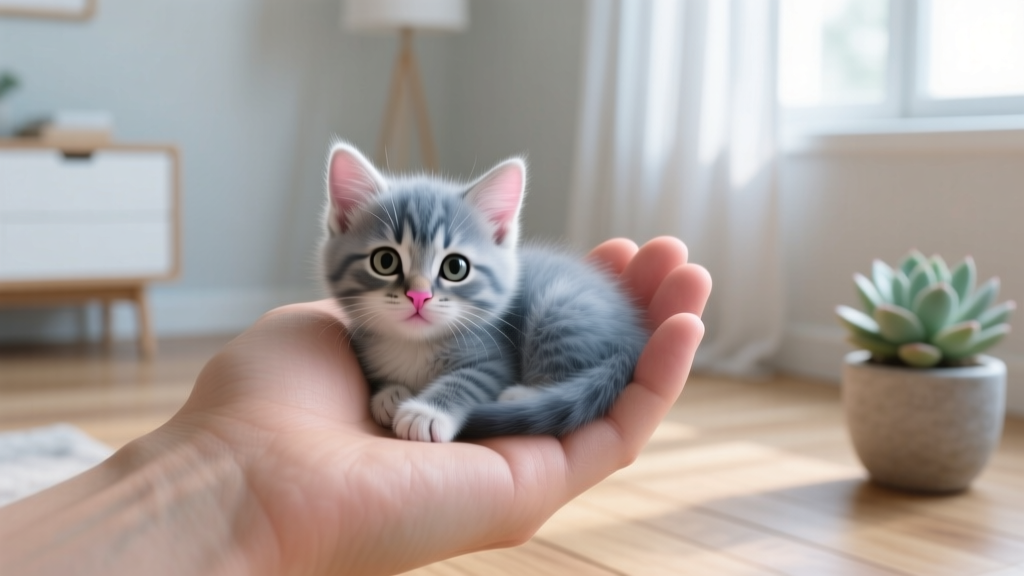
If you’re wondering how to care for 6 wk old kitten, you’ve landed at the most pivotal — and perilous — inflection point in their early development. At six weeks, kittens are weaning but still immunologically naive, socially impressionable, and physically delicate. Their tiny bodies burn calories at nearly double the rate of adult cats, yet their immune systems haven’t fully matured past maternal antibodies — leaving them vulnerable to upper respiratory infections, hypoglycemia, dehydration, and parasitic overload. According to Dr. Lena Torres, DVM and feline specialist with the American Association of Feline Practitioners, 'Six weeks is when mortality risk spikes if environmental stressors, improper nutrition, or delayed deworming occur — yet it’s also when intervention has the highest impact on lifelong resilience.'
Feeding & Nutrition: Beyond Just ‘Kitten Food’
At six weeks, your kitten is transitioning from milk to solid food — but doing it wrong can cause malnutrition, aspiration pneumonia, or severe gastrointestinal distress. They’re no longer nursing exclusively, but they’re not ready for dry kibble alone. Their teeth are emerging, chewing coordination is developing, and digestive enzymes for complex carbohydrates remain limited.
Start with a slurry: Mix high-quality, AAFCO-certified kitten wet food (not adult formula) with warm water or kitten milk replacer (KMR) at a 1:1 ratio. Serve it in a shallow ceramic dish — never plastic, which harbors bacteria — and gently dip their paw into the mixture to encourage licking. Offer 4–5 small meals daily (every 3–4 hours), gradually thickening the consistency over 7–10 days until they eat pate-style wet food unassisted. Avoid cow’s milk — lactose intolerance causes explosive diarrhea that rapidly dehydrates kittens.
Supplement only under veterinary guidance. While many owners reach for calcium or vitamin D drops, over-supplementation is dangerous: excess calcium disrupts phosphorus balance and can cause skeletal deformities. A 2022 study in the Journal of Feline Medicine and Surgery found that 68% of kittens presented with limping or bowed legs at 12 weeks had received unmonitored calcium supplements before eight weeks.
Watch for hunger cues — not just meowing. A healthy 6-week-old kitten should gain ~10–15 grams per day. Weigh them daily using a digital kitchen scale (calibrated in grams). If weight loss occurs over 24 hours or gain stalls for >48 hours, contact your vet immediately — this signals infection, parasites, or inadequate caloric intake.
Health Monitoring & Preventative Care: What You Can’t Afford to Skip
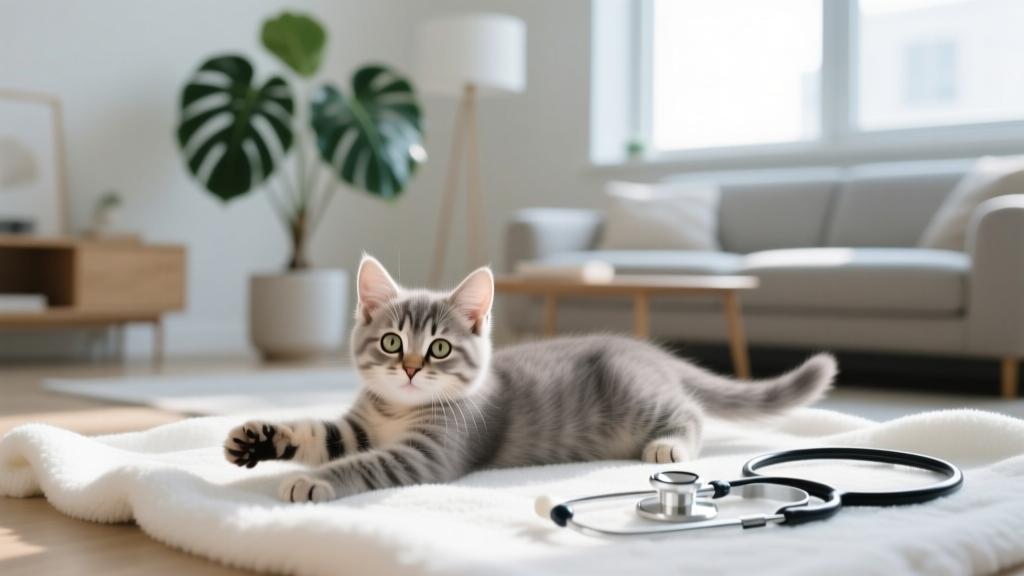
This is where most new caregivers underestimate urgency. At six weeks, kittens should have already received their first round of core vaccines (FVRCP) and undergone comprehensive parasite screening — but many shelters and breeders delay this until 8 weeks, creating a dangerous immunity gap. Dr. Torres emphasizes: 'Maternal antibodies wane unpredictably between 5–7 weeks. Waiting until 8 weeks means your kitten could be exposed to panleukopenia — a 90% fatal virus in unvaccinated kittens — during its most susceptible window.'
Your action plan:
- Deworming: Administer broad-spectrum dewormer (e.g., pyrantel pamoate) every 2 weeks starting at 2 weeks old — meaning your 6-week-old needs their third dose *this week*. Roundworms and hookworms are near-universal in kittens and cause anemia, poor growth, and pot-bellied appearance.
- Vaccination: Schedule FVRCP (feline viral rhinotracheitis, calicivirus, panleukopenia) now. Rabies is not given until 12–16 weeks, but don’t delay the core trio.
- Fecal float: Submit a fresh stool sample to your vet — not a home test kit. Giardia and coccidia require microscopic identification and species-specific treatment.
- Temperature check: Normal rectal temp is 100.5–102.5°F. Anything below 99°F or above 103.5°F warrants immediate vet attention. Use a digital thermometer lubricated with water-based lube; insert only ½ inch for 60 seconds.
A mini case study: Luna, a 6-week-old stray rescued from a garage, appeared playful but lost 12g overnight. Her fecal test revealed heavy hookworm burden and low-grade fever. After deworming and subcutaneous fluids, she gained 22g the next day. Her owner hadn’t known weight loss was the earliest red flag — not lethargy or vomiting.
Socialization, Environment & Litter Training: Building Confidence, Not Just Habits
Between 2–7 weeks is the prime socialization window — and 6 weeks is the last chance to cement positive associations with humans, handling, and novel stimuli. Miss it, and fear-based behaviors (hiding, aggression, litter aversion) become neurologically embedded. But ‘socializing’ isn’t just cuddling — it’s structured, low-stress exposure.
Follow the 5-5-5 rule daily:
- 5 minutes of gentle handling (holding, touching paws/ears/tail)
- 5 minutes of novel sound exposure (recorded vacuum, doorbell, children laughing at low volume)
- 5 minutes of interactive play with wand toys (never fingers!) to build prey drive and coordination
Litter training requires precision. Use unscented, non-clumping clay or paper-based litter — clumping litter poses ingestion and intestinal blockage risks if licked off paws. Place the box in a quiet, low-traffic area with easy access (no stairs). After every meal and nap, place them inside and gently scratch their front paws in the litter. Never punish accidents — instead, clean with enzymatic cleaner (not vinegar or ammonia) to remove scent cues that attract repeat soiling.
Temperature is non-negotiable. Kittens can’t regulate body heat well. Ambient room temperature must stay between 75–80°F. Provide a heated pad (set to 85°F surface temp) *under half* the bedding — so they can move away if too warm. Cold stress suppresses immunity and increases energy demands, directly competing with growth needs.
When to Call the Vet: Red Flags That Demand Immediate Action
Don’t wait for ‘obvious’ symptoms. By the time a 6-week-old kitten shows severe lethargy or labored breathing, they’re often in crisis. These 7 signs mean call your vet *now* — not tomorrow:
- No nursing or eating for >4 hours
- Rectal temperature <99°F or >103.5°F
- Gums pale, white, or bluish (check inner lip or gums — normal is bubblegum pink)
- Diarrhea containing blood or lasting >12 hours
- Respiratory rate >60 breaths/minute (count chest movements for 15 seconds × 4)
- Seizures, tremors, or inability to stand
- Eyes crusted shut or discharge that’s yellow/green (not clear)
Keep a ‘kitten ER kit’ ready: digital thermometer, pediatric electrolyte solution (Pedialyte unflavored, diluted 50/50 with water), soft-tipped syringe (1ml), heating pad, and your vet’s direct number. Never give human medications — even baby acetaminophen is fatal to kittens.
| Age | Key Developmental Milestone | Critical Action Required | Risk of Delay |
|---|---|---|---|
| 6 weeks | Weaning completed; teeth fully erupted | Begin transition to solid food; start FVRCP vaccine | Panleukopenia exposure; malnutrition |
| 6–7 weeks | Socialization window closing | Introduce 1 new person, sound, and texture daily | Life-long fearfulness, handling resistance |
| 6 weeks | Parasite load peaks | Administer 3rd deworming dose; submit fecal sample | Anemia, stunted growth, intestinal obstruction |
| 6–8 weeks | Maternal antibody interference ends | Repeat FVRCP in 3–4 weeks (booster) | Vaccine failure; incomplete immunity |
| 6 weeks | Thermoregulation still immature | Maintain ambient temp ≥75°F; provide external heat source | Hypothermia-induced organ failure |
Frequently Asked Questions
Can I bathe my 6-week-old kitten?
No — bathing is extremely risky at this age. Kittens lose body heat 3× faster than adults, and stress from bathing can trigger hypothermia or respiratory collapse. If visibly soiled, use a warm, damp washcloth to spot-clean, then dry thoroughly with a towel and heating pad. Only full immersion baths are justified for severe flea infestation — and then only under direct veterinary supervision with temperature-controlled water and immediate warming post-bath.
Is it safe to let my 6-week-old kitten play with my older cat?
Only under strict, constant supervision — and only if your older cat is vaccinated, parasite-free, and has a known gentle temperament. Unsupervised interaction risks injury (older cats may bite or swat too hard), disease transmission (even asymptomatic carriers shed herpesvirus), and resource guarding (food, litter, sleeping spots). Keep them separated except for 5–10 minute supervised sessions in neutral territory, with escape routes and vertical space for the kitten.
My kitten sleeps all day — is that normal?
Yes — but with nuance. Six-week-olds sleep 18–20 hours daily, but they should rouse readily for meals and show bursts of playful energy. If they’re difficult to wake, unresponsive to touch, or sleep through feeding times, it’s abnormal. Track sleep cycles: they should nap 45–90 minutes, then awaken alert for 15–30 minutes to eat, eliminate, and play. Persistent lethargy signals infection, hypoglycemia, or neurological issues.
Do I need to trim my kitten’s nails at 6 weeks?
Not yet — but start handling their paws daily. Gently extend each claw and praise them. Actual trimming should wait until 8–10 weeks, when claws are thicker and easier to see the quick (the pink vascular tissue). Premature trimming risks bleeding and creates negative associations with handling. Instead, provide cardboard scratchers to naturally wear down tips.
What toys are safe for a 6-week-old kitten?
Stick to soft, non-detachable items: plush mice without beads or plastic eyes, fabric ribbons (supervised only), and wand toys with securely knotted strings. Avoid anything small enough to swallow (<1 inch), with loose threads, bells, or stuffing. A 2021 ASPCA Animal Poison Control report showed that 42% of foreign-body obstructions in kittens under 12 weeks involved toy parts — especially plastic eyes and squeakers.
Common Myths About Caring for 6-Week-Old Kittens
Myth #1: “They’re old enough to go to a new home at 6 weeks.”
False. Reputable breeders and shelters hold kittens until 8–12 weeks minimum. Early separation causes profound behavioral deficits — including inappropriate suckling, excessive vocalization, and inability to self-soothe. Research published in Applied Animal Behaviour Science shows kittens separated before 8 weeks are 3.2× more likely to develop compulsive disorders as adults.
Myth #2: “If they’re eating solids, they don’t need milk replacer anymore.”
Incorrect. Until 8 weeks, many kittens still benefit from 1–2 daily servings of KMR mixed into wet food — especially if orphaned or from large litters. KMR provides essential taurine, arginine, and prebiotics absent in even premium kitten foods. Abrupt cessation can cause nutritional gaps affecting retinal and cardiac development.
Related Topics (Internal Link Suggestions)
- Signs of kitten dehydration — suggested anchor text: "how to tell if a kitten is dehydrated"
- Kitten vaccination schedule — suggested anchor text: "when to vaccinate kittens"
- Homemade kitten milk replacer recipes — suggested anchor text: "safe kitten milk replacer alternatives"
- How to introduce kittens to other pets — suggested anchor text: "introducing kitten to dog safely"
- Kitten weight chart by week — suggested anchor text: "6 week old kitten weight chart"
Your Next Step Starts Today — Not Tomorrow
Caring for a 6-week-old kitten isn’t about perfection — it’s about vigilant, informed presence. You now know the 7 non-negotiable actions that separate thriving from surviving: consistent feeding transitions, timely deworming and vaccination, precise temperature control, daily weight tracking, structured socialization, litter setup best practices, and recognizing subtle red flags before they escalate. Don’t wait for ‘more time’ or ‘a second opinion’ — your kitten’s immune system, neural wiring, and emotional foundation are being built *right now*, in real time. Download our free 6-Week Kitten Daily Tracker (includes weight log, feeding schedule, and symptom checklist) — and book that vet appointment today. Because in kitten care, the most powerful tool isn’t a product or supplement — it’s your awareness, applied consistently, one hour at a time.