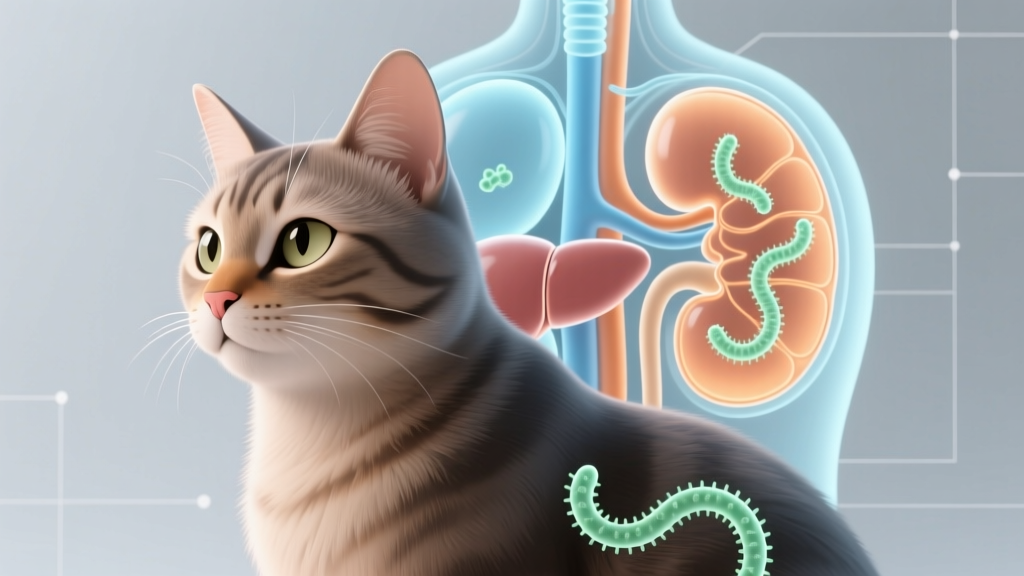
Feline Leptospira: Kidney and Liver Bacterial Infection
1) Why this topic matters to cat owners
Most cat owners hear about leptospirosis as a “dog disease,” but cats can be exposed to Leptospira bacteria too. While clinical illness appears less common in cats than in dogs, when infection does occur it can involve the kidneys and liver—two organs that are essential for filtering toxins, balancing fluids, and supporting overall health. Leptospirosis also matters because it can be a zoonotic disease, meaning it may spread from animals to people under certain conditions.
Knowing the warning signs and understanding when to call your veterinarian can help you catch kidney or liver problems early, protect other pets in the household, and reduce human exposure risks. If your cat seems “off,” especially with vomiting, lethargy, or changes in drinking and urination, professional veterinary care is always the safest next step.
2) Overview of the condition (plain-language medical explanation)
Leptospirosis is an infection caused by spiral-shaped bacteria called Leptospira. These bacteria are commonly carried by wildlife (especially rodents), and they can survive in damp environments. Infection usually happens when bacteria enter the body through:
- Mucous membranes (eyes, nose, mouth)
- Broken or softened skin
- Ingestion of contaminated water or prey
Once inside the body, Leptospira can spread through the bloodstream and may settle in organs—most notably the kidneys and sometimes the liver. This can lead to:
- Kidney inflammation and injury (ranging from mild changes to acute kidney failure)
- Liver inflammation (hepatitis), which can cause jaundice and abnormal clotting in more severe cases
Some cats may carry the bacteria with minimal outward signs, while others can become significantly ill. Because symptoms can mimic many other conditions (like pancreatitis, toxin exposure, or other infections), a veterinary exam and lab testing are essential.
3) Symptoms and warning signs to watch for
Signs of leptospirosis in cats can be subtle, non-specific, or resemble other illnesses. Contact your veterinarian if you notice any of the following, especially if more than one is present or symptoms persist longer than 24 hours.
Common possible signs
- Lethargy, hiding more than usual, reduced interaction
- Reduced appetite or refusing food
- Vomiting and/or diarrhea
- Fever or “warm ears,” acting uncomfortable
- Dehydration (dry gums, sunken appearance around eyes)
- Weight loss over days to weeks
Kidney-related warning signs
- Drinking more water than usual
- Urinating more (larger clumps in litter) or, conversely, urinating less
- Accidents outside the litter box (sometimes due to urgency or discomfort)
- Bad breath that smells “chemical” or unusually foul
- Mouth ulcers (in severe uremia)
Liver-related warning signs
- Jaundice: yellow tint to the whites of the eyes, gums, or inside the ears
- Dark urine (may look tea-colored)
- Pale stools (less common)
- Bruising easily or pinpoint red spots (rare, but serious)
Practical at-home check today: Take a quick look at your cat’s gums and the whites of the eyes in good lighting. They should be pink (gums) and white (eyes). Yellow discoloration warrants a veterinary call the same day.
4) Causes and risk factors
Cats are generally more selective drinkers than dogs and may be less commonly diagnosed with clinical leptospirosis, but exposure can still happen. Risk depends on environment and lifestyle.
How cats get exposed
- Contact with urine from infected animals (rodents, raccoons, skunks, opossums, farm animals)
- Hunting and eating infected prey (especially rodents)
- Drinking from puddles, ditches, ponds, or outdoor containers with contaminated water
- Living in areas with poor rodent control or heavy wildlife traffic
Cats at higher risk
- Outdoor cats or indoor/outdoor cats
- Cats that hunt or are fed raw prey/meat diets (increased pathogen exposure overall)
- Cats living in rural areas, near farms, or near standing water
- Multi-pet households where dogs go outdoors frequently (indirect environmental exposure)
- Warm, wet climates or seasons with frequent rainfall/flooding
If your cat is strictly indoors, exposure is less likely but not impossible (rodents can enter homes). If you suspect rodent activity, addressing it protects both pet and human health.
5) Diagnosis: what to expect at the vet
If your veterinarian suspects leptospirosis—or more broadly, kidney/liver disease—they’ll focus on confirming organ involvement, ruling out other common causes, and determining whether Leptospira is a likely contributor.
Typical veterinary workup
- History and exam: outdoor access, hunting, exposure to standing water, recent illness, appetite and litter box changes
- Bloodwork:
- Kidney values (BUN, creatinine, SDMA)
- Liver enzymes (ALT, AST, ALP), bilirubin
- Electrolytes and hydration status
- Complete blood count to check for inflammation, anemia, platelet changes
- Urinalysis: concentration, protein, evidence of inflammation; sometimes urine culture may be recommended
- Blood pressure: kidney disease can affect blood pressure
- Imaging: abdominal ultrasound or x-rays to assess kidney and liver size/structure and rule out obstructions or other issues
Testing specifically for Leptospira
- PCR testing (blood and/or urine): looks for bacterial DNA and can support a diagnosis, especially early
- Antibody testing (serology/MAT in some settings): looks for immune response; results can be tricky to interpret depending on timing and local exposure patterns
Your vet may begin treatment based on clinical suspicion while waiting for confirmatory results, especially if kidney values are worsening or your cat is dehydrated and unwell.
6) Treatment options (medical care, supportive care, home care)
Leptospirosis is treatable, and many cats improve with timely care. Treatment typically has two goals: eliminate the bacteria and support the kidneys/liver while they heal.
Medical treatment (veterinary care)
- Antibiotics: your veterinarian will select an antibiotic based on the most current guidance and your cat’s health status. This may start with injectable medication in-hospital and continue as oral medication at home.
- Fluid therapy: IV fluids are often needed if the cat is dehydrated or in acute kidney injury; fluids help restore circulation and support kidney filtration.
- Anti-nausea and appetite support: medications to control vomiting and encourage eating.
- Gastroprotectants: if ulcers or stomach irritation are suspected.
- Liver support: depending on lab findings, your vet may add supplements or medications (for example, SAMe/silybin-based products) and tailor diet recommendations.
- Monitoring: repeat bloodwork/urinalysis to ensure kidney and liver values trend in the right direction.
Is surgery ever needed?
Surgery is not a standard treatment for leptospirosis itself. However, imaging may reveal another problem that needs surgical management (such as urinary obstruction, foreign body, or gallbladder issues). Your veterinarian will guide you based on findings.
Home care (what you can do safely)
- Give medications exactly as prescribed and finish the full antibiotic course, even if your cat seems better.
- Encourage hydration:
- Provide multiple fresh water stations
- Consider a pet water fountain
- Offer wet food if approved by your veterinarian
- Support appetite:
- Warm wet food slightly to boost aroma
- Offer small, frequent meals
- Ask your vet before changing diets if kidney disease is suspected
- Litter box monitoring: note urine clump size, frequency, and any straining or vocalizing.
- Reduce stress: quiet recovery space, easy access to litter box, food, and water.
Household safety (zoonotic precautions)
If leptospirosis is suspected or confirmed, ask your veterinarian about precautions. General steps often include:
- Wear disposable gloves when cleaning the litter box
- Wash hands thoroughly after handling waste
- Clean any urine accidents promptly with appropriate disinfectant
- Keep immunocompromised family members away from waste cleanup tasks
7) Prevention strategies and early detection tips
Reducing exposure is the most practical prevention strategy for most cats.
Actionable prevention steps
- Keep cats indoors or supervise outdoor time (catio, leash/harness) to reduce hunting and contact with contaminated water.
- Rodent control:
- Seal entry points and remove food sources
- Avoid using rodenticides whenever possible (secondary poisoning is a real risk to pets and wildlife)
- Work with pest control professionals for pet-safe options
- Remove access to standing water: dump outdoor buckets, refresh water bowls daily, fix leaky spigots.
- Discuss lifestyle-based risk with your veterinarian, especially if you live in a high-rainfall area or your cat hunts.
Early detection habits
- Track appetite and weight (a baby scale can be helpful for smaller cats)
- Notice litter box changes (bigger or smaller clumps, changes in frequency)
- Schedule routine wellness exams and recommended bloodwork, especially for adult and senior cats
- Bring a fresh urine sample to appointments when asked (your clinic can tell you how)
Vaccination note: Leptospirosis vaccination is commonly discussed for dogs. For cats, vaccine availability and recommendations vary by region and individual risk. Your veterinarian is the best source for what’s appropriate where you live.
8) Prognosis and quality of life considerations
Prognosis depends on how severely the kidneys and/or liver are affected and how quickly treatment begins. Cats with mild disease caught early may recover well. Cats with significant acute kidney injury can still improve with aggressive care, but may need longer hospitalization and close monitoring. In some cases, kidney damage may not fully resolve and a cat may transition to chronic kidney disease management.
Quality of life goals during and after recovery
- Comfort: nausea control, pain management if needed
- Hydration: maintaining good fluid balance
- Nutrition: calories and appropriate diet for kidney/liver status
- Ongoing monitoring: repeat labs to catch relapse or chronic changes early
Ask your veterinarian for clear at-home checkpoints (for example: “Call if she vomits more than once in 24 hours,” “Call if she skips two meals,” “Call if urination drops off”). This helps you feel confident while your cat recovers.
9) When to seek emergency veterinary care
Seek urgent or emergency care the same day if your cat has any of the following:
- Repeated vomiting or inability to keep water down
- Severe lethargy, collapse, or unresponsiveness
- Not urinating, straining to urinate, or crying in the litter box
- Visible jaundice (yellow gums/eyes), especially with poor appetite
- Signs of dehydration (very tacky gums, weakness)
- Labored breathing or very fast breathing at rest
- Known exposure to floodwater/standing water plus sudden illness
If your veterinarian suspects leptospirosis, follow their advice about handling urine/litter and any precautions for your household.
10) FAQ: common questions about feline leptospirosis
Can indoor-only cats get leptospirosis?
It’s less likely, but possible. Rodents can enter homes, and bacteria can be introduced via contaminated soil or water tracked indoors. Indoor cats with sudden kidney or liver changes still need veterinary evaluation, regardless of lifestyle.
Is leptospirosis contagious from cat to cat (or to dogs)?
Direct transmission is not considered the most common route, but infected animals can shed bacteria in urine, which can contaminate the environment. If one pet is diagnosed, your veterinarian may recommend monitoring other pets and reviewing prevention steps, especially for dogs that go outdoors.
Can people catch leptospirosis from a cat?
Leptospirosis can infect humans, typically through contact with contaminated urine or water entering through broken skin or mucous membranes. The practical takeaway is not to panic, but to use smart hygiene: gloves for litter box cleanup, careful handwashing, and prompt disinfection of urine accidents. If anyone in the home is immunocompromised or develops flu-like illness after exposure, contact a physician and mention the pet’s diagnosis.
How fast does leptospirosis make a cat sick?
Timing varies. Some cats may show signs within days of exposure, while others may have vague symptoms that build gradually. Because signs overlap with many other illnesses, testing and organ function screening are the most reliable way to understand what’s going on.
Will my cat fully recover?
Many cats improve significantly with early antibiotics and supportive care. If the kidneys were severely affected, some cats may have lingering kidney impairment that requires long-term diet adjustments, hydration support, and periodic lab monitoring. Your veterinarian can give the most accurate outlook once response to treatment and follow-up lab trends are known.
What should I do right now if I’m worried?
- Call your veterinarian and describe symptoms and any outdoor/rodent/standing-water exposure.
- Monitor water intake, appetite, energy, and litter box output.
- Do not give human medications (many are toxic to cats).
- If your cat is not eating, is vomiting repeatedly, seems jaundiced, or is urinating less, seek same-day care.
Your cat depends on you to notice early changes—and you don’t have to figure this out alone. If leptospirosis is on the list of possibilities, your veterinarian can guide testing, treatment, and safe home practices for both pets and people.
For more supportive, cat-owner-friendly health guides and prevention tips, visit catloversbase.com.