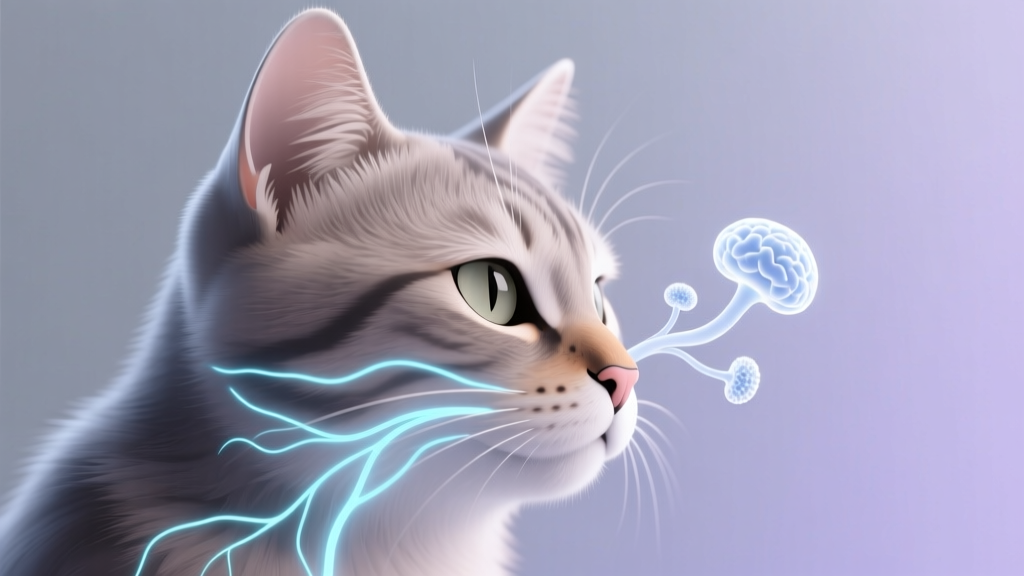
Cat Cryptococcosis: Fungal Nose and Brain Infection
1. Why this topic matters to cat owners
Most cat owners are familiar with common problems like upper respiratory infections, allergies, or dental disease. Cryptococcosis is less common, but it’s one of those conditions where recognizing early signs can make a big difference. This fungal infection often starts in the nose (which can look like “just a chronic cold”), but in some cats it can spread to the eyes, skin, lungs, or even the brain and nervous system.
The good news: many cats respond well to treatment, especially when diagnosed early and treated consistently. Knowing what to watch for helps you advocate for your cat and get them the right care sooner.
2. Overview: what cryptococcosis is (plain-language explanation)
Cryptococcosis is an infection caused by a yeast-like fungus called Cryptococcus, most commonly Cryptococcus neoformans or Cryptococcus gattii. These organisms live in the environment, and cats usually become infected by breathing in microscopic fungal spores.
In many cats, the fungus settles in the nasal passages. It can cause swelling, discharge, and a “mass-like” area in the nose. In some cases, the infection can:
- Extend into the sinuses
- Spread to the skin (often the nose and face)
- Affect the eyes
- Move into the lungs
- Cross into the central nervous system (brain/spinal cord), leading to neurologic signs
Cats don’t “catch” cryptococcosis from other cats in the typical sense. It’s generally acquired from the environment. This is part of why it can be confusing: your cat may be an indoor cat and still develop it if spores are carried in on dust, shoes, or airflow near openings.
3. Symptoms and warning signs to watch for
Cryptococcosis can look different depending on where the fungus is in the body. Some cats have only nasal signs; others have multi-system involvement. Contact your veterinarian if you notice any of the following, especially if they’re persistent or worsening.
Common nose and face signs
- Chronic nasal discharge (often one-sided at first; may become bilateral)
- Sneezing that doesn’t resolve with typical care
- Noisy breathing or congestion
- Nasal swelling or a “bulbous” appearance to the nose
- Ulcers, scabs, or small nodules on the nose or face
- Bloody nasal discharge (epistaxis)
- Decreased sense of smell, reduced appetite, or picky eating (smell drives appetite for many cats)
Eye-related signs
- Redness or squinting
- Cloudy eyes or visible changes inside the eye
- Unequal pupils
- Vision changes (bumping into objects, reluctance to jump)
Neurologic (brain/spinal cord) warning signs
- Head tilt, circling, or loss of balance
- Seizures
- Sudden behavior changes, confusion, or disorientation
- Weakness, stumbling, or abnormal eye movements
General signs
- Lethargy
- Weight loss
- Reduced appetite
- Fever (not always present)
Practical tip: If your cat has a “stubborn” runny nose for more than 1–2 weeks, especially if it’s one-sided, bloody, or accompanied by nasal swelling, schedule a veterinary exam rather than repeatedly trying new over-the-counter remedies.
4. Causes and risk factors
The underlying cause is environmental exposure to Cryptococcus spores. After inhalation, the fungus can establish infection locally or spread through the body.
Where exposure can occur
- Soil and decaying organic matter
- Areas contaminated with bird droppings (classically pigeons)
- Some tree-associated environments (more commonly discussed with certain Cryptococcus species in certain regions)
Risk factors that may increase susceptibility
- Outdoor access or time in garages, sheds, barns, or dusty crawlspaces
- Living in areas where the fungus is more prevalent (geography and climate matter)
- Immune system compromise (for example, cats with FIV/FeLV or other chronic illness)
- Use of immunosuppressive medications (such as high-dose steroids), when applicable
That said, cryptococcosis can occur in otherwise healthy cats. If your cat is showing compatible symptoms, it’s worth checking even if they’re young or primarily indoors.
5. Diagnosis: what to expect at the vet
Veterinary diagnosis is important because nasal discharge and sneezing have many causes (viral infection, polyps, dental disease, foreign bodies, tumors, and other fungal infections). Cryptococcosis requires specific testing and long-term treatment planning.
Common diagnostic steps
- Full physical exam with close inspection of the nose, face, skin, and eyes
- History questions about duration of signs, outdoor exposure, previous antibiotics, and appetite/weight changes
- Cryptococcal antigen test (often called a CrAg test) performed on blood and sometimes other fluids; this is a key tool for diagnosis and monitoring
- Cytology (microscopic evaluation) of nasal discharge, skin nodules, or samples obtained from the nasal cavity; Cryptococcus organisms often have a characteristic appearance
- Imaging to evaluate the nose/sinuses and check for spread:
- Skull X-rays may be used, but CT is often more informative for nasal disease
- MRI may be recommended if brain involvement is suspected
- Chest X-rays if lung involvement is a concern
- Biopsy or rhinoscopy (camera evaluation of nasal passages) in select cases, especially if a mass is suspected or results are unclear
- Baseline lab work (CBC/chemistry/urinalysis) to assess overall health and to help choose and monitor antifungal therapy
What this feels like for you and your cat: Many cats need sedation or anesthesia for advanced imaging or nasal sampling. Your veterinary team will discuss safety, fasting, and aftercare. Don’t hesitate to ask how pain will be controlled and what monitoring will be done.
6. Treatment options (medical, surgical, and home care)
Treatment depends on where the infection is located and how advanced it is. Most cats require months of therapy. Consistency is one of the biggest factors in success.
Medical treatment (antifungal medications)
Your veterinarian will choose a medication plan based on test results, severity, and any underlying health conditions. Common antifungals used in cats include:
- Fluconazole: often a go-to choice, especially for nasal and neurologic involvement because it penetrates tissues well
- Itraconazole: sometimes used, particularly for certain non-neurologic cases
- Amphotericin B: typically reserved for severe or refractory infections; may be given in a hospital setting or with careful monitoring due to potential kidney side effects
- Flucytosine: may be combined with other drugs in select challenging cases
Medication duration varies, but it’s common to treat for several months and to continue for a period after tests indicate control. Stopping too soon is a common reason infections return.
Surgical or procedural options
- Debulking/removal of nasal mass-like lesions may be recommended in some cats, especially if airflow is severely blocked or if medication alone isn’t resolving obstruction
- Sampling/flush procedures can help diagnosis and may relieve obstruction in select cases
Home care you can do right away
- Give medication exactly as prescribed, at the same time daily; use reminders or a pill organizer
- Track symptoms weekly in a notes app: sneezing frequency, nasal discharge (clear/colored/bloody), appetite, weight, energy, and breathing noise
- Weigh your cat every 1–2 weeks (a baby scale works well) to catch subtle weight loss early
- Support appetite:
- Offer warmed, strong-smelling foods (with vet approval)
- Keep food bowls clean and try shallow dishes for comfort
- Reduce nasal irritation:
- Run a humidifier in the room your cat rests in
- Keep the environment smoke-free and low-dust
- Attend all recheck appointments for lab monitoring and antigen testing when recommended
Always consult your veterinarian before giving human cold medicines, essential oils, or leftover antibiotics. Some products are dangerous to cats and can worsen breathing or cause toxicity.
7. Prevention strategies and early detection tips
Because Cryptococcus lives in the environment, prevention focuses on reducing exposure and catching illness early.
Steps that can help reduce risk
- Keep cats indoors or supervise outdoor time (catio/leash), especially if your area has known fungal risks
- Limit access to high-risk zones: lofts, barns, dusty sheds, attics, or areas with bird roosting and droppings
- Control dust in the home:
- Use HEPA filtration if possible
- Vacuum regularly
- Avoid sweeping dry debris that becomes airborne
- Support immune health with routine veterinary care, parasite control, dental care, and appropriate nutrition
Early detection habits
- Look at your cat’s nose weekly: discharge, crusting, swelling, or changes in symmetry
- Pay attention to “quiet” signs like reduced appetite, slower grooming, or less interest in play
- If your cat has chronic nasal signs, ask your veterinarian whether fungal testing (including cryptococcal antigen) makes sense
8. Prognosis and quality of life considerations
Prognosis varies. Many cats with localized nasal disease do very well with appropriate antifungal therapy and follow-up. Cases involving the brain, eyes, or widespread disease can be more complicated, but improvement is still possible with aggressive and consistent treatment.
Factors that tend to influence outcome
- How early treatment begins
- Whether the central nervous system is involved
- How well your cat tolerates medication and whether dosing is consistent
- Underlying immune status and overall health
Quality of life tips during treatment
- Prioritize stress reduction: predictable routines, quiet resting areas, and gentle handling
- Keep litter boxes easily accessible, especially if your cat is weak or unsteady
- Use ramps or step stools if jumping becomes difficult
- Ask your vet about nausea control or appetite support if eating becomes a struggle
If you’re feeling overwhelmed by the length of treatment, tell your veterinary team. They can often help with medication strategies, compounding options, and realistic milestones to track progress.
9. When to seek emergency veterinary care
Some signs suggest urgent complications, especially if the infection involves the nervous system or breathing becomes difficult. Seek emergency care right away if your cat has:
- Open-mouth breathing, marked breathing effort, or blue/pale gums
- Seizures or collapse
- Sudden severe disorientation, inability to stand, or rapid worsening of balance
- Uncontrolled bleeding from the nose or significant facial swelling developing quickly
- Sudden vision loss or severe eye pain (squinting, pawing at the eye, keeping the eye closed)
- Not eating for 24 hours (or less in kittens/seniors) or repeated vomiting that prevents medication dosing
When in doubt, call your veterinarian or an emergency clinic and describe what you’re seeing. It’s always appropriate to ask whether your cat should be seen immediately.
10. FAQ: common questions from cat owners
Can my cat give cryptococcosis to me or my other pets?
Cryptococcosis is generally acquired from the environment, not spread directly from cat to person or cat to cat. Basic hygiene is still smart (handwashing after cleaning nasal discharge, litter boxes, or handling medications), and immunocompromised people should be extra cautious around any sick pet. If you have concerns, ask your veterinarian and your physician for individualized guidance.
My cat has had antibiotics for a “sinus infection” but isn’t improving. Should I ask about cryptococcosis?
Yes. Chronic nasal discharge that doesn’t respond to appropriate antibiotics is one of the situations where vets consider fungal disease, foreign material, dental issues, polyps, or tumors. Asking whether cryptococcal antigen testing or nasal imaging is appropriate is reasonable.
How long does treatment take?
Many cats need antifungal medication for several months. Treatment length depends on the severity, the body sites involved, and follow-up testing (especially antigen levels). Your veterinarian will guide when it’s safe to stop; stopping early can lead to relapse.
Will my cat need hospitalization?
Some cats can be treated entirely at home with oral medications and periodic rechecks. Hospitalization may be needed if your cat is severely ill, dehydrated, having neurologic signs, needs advanced imaging under anesthesia, or is receiving certain medications that require close monitoring.
What side effects should I watch for with antifungal medications?
Side effects vary by medication, but can include decreased appetite, vomiting/diarrhea, lethargy, or changes in liver values on bloodwork. If your cat seems suddenly worse after starting medication, call your veterinarian promptly. Don’t stop prescription antifungals without veterinary instructions unless you’re directed to do so.
Can an indoor-only cat really get cryptococcosis?
Yes. While outdoor exposure can increase risk, spores can enter homes through dust, airflow, contaminated items, or open doors/windows. Indoor cats can also be exposed in garages, basements, or areas where birds roost nearby.
If your cat has ongoing nasal symptoms, unusual facial swelling, eye changes, or any neurologic signs, schedule a veterinary visit as soon as possible. Prompt testing and a clear treatment plan are the most effective way to protect your cat’s comfort and long-term health.
For more caring, practical cat health guides and prevention tips, visit catloversbase.com.