Feline Diabetes Remission Through Diet Change
1. Why this topic matters to cat owners
Hearing that your cat has diabetes can feel overwhelming, especially when you imagine lifelong injections and constant monitoring. The reassuring news is that many cats with diabetes—particularly those diagnosed early—can improve dramatically with the right care. Some cats even reach diabetic remission, meaning their blood sugar returns to a normal range without ongoing insulin.
Diet change is one of the most powerful tools you and your veterinary team can use. Feeding choices directly affect blood glucose swings, body weight, and how hard your cat’s pancreas has to work. If you’re caring for a diabetic cat (or you suspect your cat may be at risk), understanding how nutrition supports remission can help you make confident, practical decisions at home—while still partnering closely with your veterinarian.
2. Overview of feline diabetes (plain-language medical explanation)
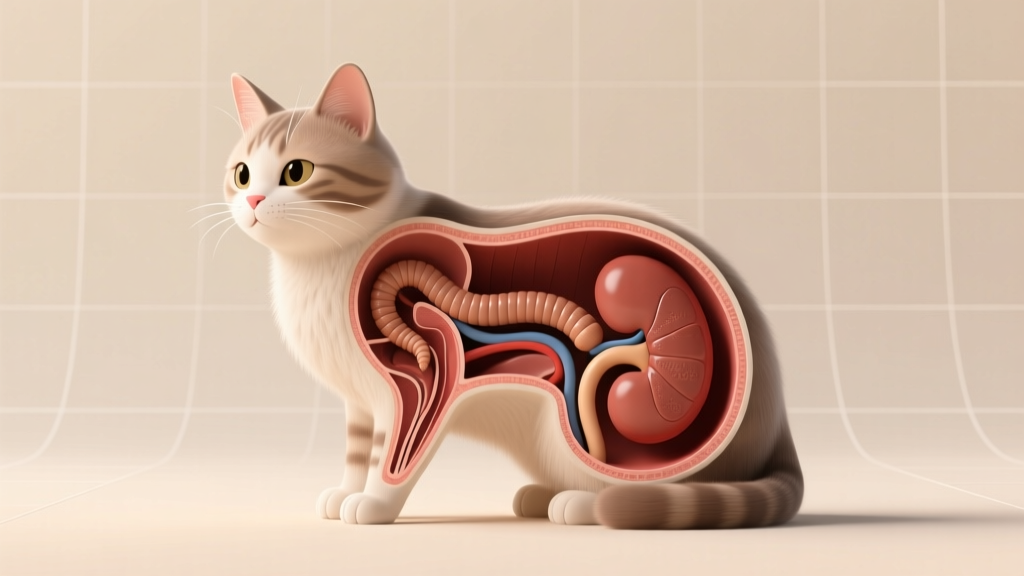
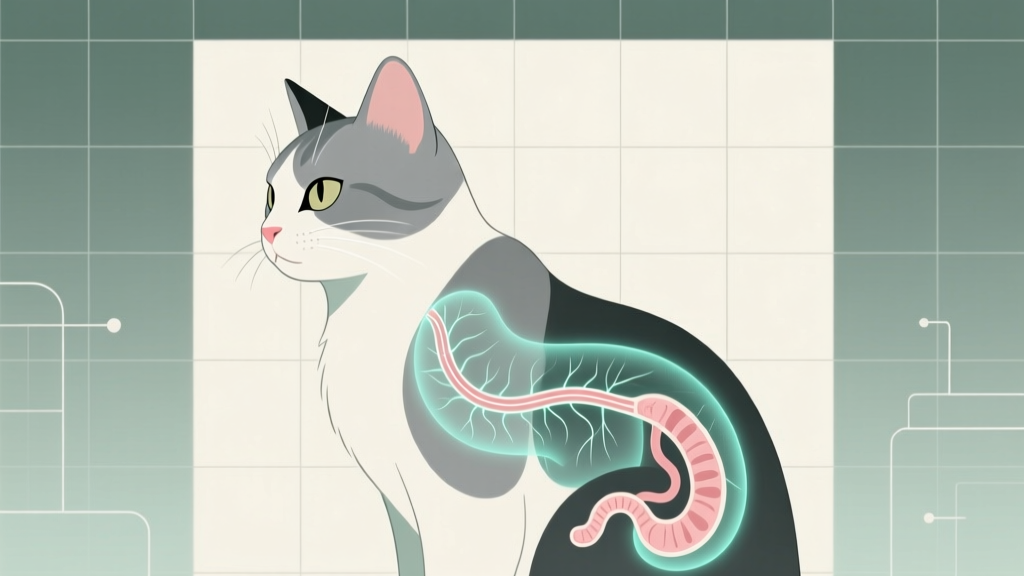
Diabetes mellitus in cats is a condition where the body can’t properly regulate blood sugar (glucose). Glucose is the main fuel for cells. To move glucose from the bloodstream into cells, the body uses a hormone called insulin, made by the pancreas.
- In many diabetic cats, the body becomes resistant to insulin (often linked to excess body fat), and the pancreas can’t keep up.
- Over time, high blood sugar can damage organs and cause your cat to feel very unwell.
Most cats have a form similar to Type 2 diabetes in humans (insulin resistance with progressive pancreatic exhaustion). That’s why weight management and carbohydrate control can be so impactful.
What does “remission” mean? Remission means your cat’s blood glucose stays in a healthy range without insulin for an extended period, as confirmed by your veterinarian. Remission doesn’t necessarily mean “cured.” Diabetes can return, especially if weight increases, diet changes, or another illness develops. Think of remission as “diabetes under excellent control without insulin”—a goal many cats can reach with early, consistent management.
3. Symptoms and warning signs to watch for
Diabetes often develops gradually. Contact your veterinarian if you notice any of the following, especially in combination:
- Increased thirst (emptying the water bowl faster than usual)
- Frequent urination (larger clumps in the litter box, accidents outside the box)
- Increased appetite paired with weight loss
- Low energy, less play, more sleeping
- Poor coat quality or dandruff
- Weakness in the back legs or a “plantigrade” stance (walking on hocks), called diabetic neuropathy
- Vomiting or reduced appetite (can indicate poor control or another illness)
These signs don’t automatically mean diabetes, but they do warrant a veterinary visit. Many other conditions (kidney disease, hyperthyroidism) can look similar.
4. Causes and risk factors
Diabetes is usually the result of several factors working together. Common risk factors include:
- Excess weight and obesity (a major contributor to insulin resistance)
- Middle-aged to older cats (often 7+ years)
- Male cats are overrepresented in many studies
- Indoor, low-activity lifestyle
- High-carbohydrate diets (many dry foods are higher in carbs than cats naturally need)
- Steroid medications (like prednisolone) can trigger or worsen diabetes in susceptible cats
- Other illnesses that cause insulin resistance, such as infections, dental disease, pancreatitis, Cushing’s disease (rare), and acromegaly (hormone disorder)
Not every overweight cat becomes diabetic, and not every diabetic cat is overweight. That’s why a full veterinary workup matters—especially when aiming for remission.
5. Diagnosis methods and what to expect at the vet
Your veterinarian will diagnose diabetes using a combination of history, exam findings, and lab tests. Expect some or all of the following:
- Physical exam with weight and body condition scoring
- Bloodwork to measure glucose and assess organ function (kidneys, liver)
- Urinalysis to check for glucose in urine and to screen for urinary tract infection (UTIs are common with diabetes)
- Fructosamine test (often used to assess average blood glucose over the past 1–2 weeks and help separate true diabetes from stress-related high glucose)
- Additional testing if control is difficult or remission isn’t happening as expected (thyroid test, imaging, or hormone testing for acromegaly/Cushing’s in select cases)
Many cats show elevated glucose during stress at the clinic. Your vet may repeat tests or use fructosamine to confirm the diagnosis.
6. Treatment options (medical, surgical, home care)
Medical treatment
- Insulin therapy: Many cats need insulin at diagnosis to quickly bring glucose down and “rest” the pancreas. This early control can increase remission chances. Your veterinarian will prescribe a specific insulin type and dose schedule.
- Treating concurrent disease: Dental infections, UTIs, pancreatitis, and inflammatory conditions can prevent regulation. Addressing these improves glucose control and comfort.
- Supplements/adjuncts: Your vet may recommend options like cobalamin (B12) for neuropathy support in certain cases. Avoid over-the-counter “diabetes cures” without veterinary guidance.
Surgical treatment
Surgery is not a typical diabetes treatment, but it may be needed to address contributing problems (for example, dental extractions for severe dental disease or removal of infected tissue). If a cat has another condition affecting glucose regulation, treating it can improve diabetic control.
Home care: the remission-focused plan
Diet change is a cornerstone of at-home care, but it must be done safely—especially if your cat is already on insulin. Improvements in blood sugar can happen quickly, and insulin doses may need adjustment to prevent low blood sugar.
Diet changes that support remission
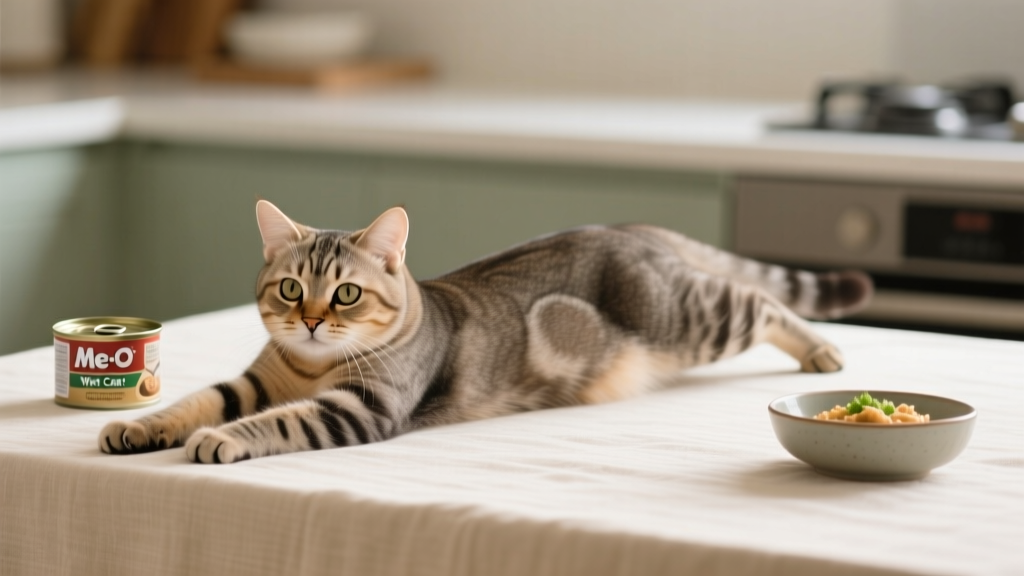
- Prioritize a low-carbohydrate, high-protein wet diet: Cats are obligate carnivores. Many canned diets are naturally lower in carbohydrates than dry kibble. Lower carbs can reduce blood glucose spikes after meals.
- Choose consistency: Feed the same diet daily to avoid unpredictable glucose swings.
- Work with your veterinarian on specific food selection: Not all canned foods are low-carb, and some “grain-free” diets are still high in starches. Your vet can recommend appropriate options for your cat’s overall health (kidneys, urinary tract, GI issues).
- Gradual transitions: Switch foods slowly over 5–10 days to reduce stomach upset—unless your veterinarian advises otherwise.
Weight management (without crash dieting)
- Safe, steady weight loss improves insulin sensitivity. Your vet can calculate a calorie goal and target weight.
- Avoid rapid weight loss: Overweight cats that stop eating or lose weight too quickly risk hepatic lipidosis (fatty liver disease), which can be life-threatening.
- Measure meals: Use a kitchen scale or measuring cups. “Eyeballing” portions often leads to accidental overfeeding.
Feeding schedule tips
- Coordinate feeding with insulin as instructed by your veterinarian. Many insulin protocols are paired with meals to reduce hypoglycemia risk.
- Small, frequent meals may help some cats, but the best schedule depends on the insulin type and your household routine.
- Multi-cat households: Consider microchip feeders or separate feeding areas so the diabetic cat eats the correct food and portion.
Home monitoring: practical steps you can start
- Track water intake and litter box output: Increased thirst/urination can signal poor regulation.
- Weigh your cat weekly: Use a baby scale or weigh yourself holding the cat (same time of day).
- Ask about home blood glucose testing: Many owners successfully learn ear-prick testing. Home curves can be more accurate than stressed clinic readings and help your vet adjust insulin safely.
- Keep a simple diary: Appetite, insulin dose, meal type/amount, energy level, and any vomiting/diarrhea.
Safety note: Never reduce or stop insulin on your own just because your cat “seems better.” A cat heading into remission needs veterinary-confirmed monitoring and dose changes to avoid hypoglycemia.
7. Prevention strategies and early detection tips
Not all diabetes is preventable, but you can reduce risk and catch problems earlier:
- Maintain a lean body condition: Ask your vet what an ideal weight and body condition score looks like for your cat.
- Feed for feline biology: Many cats do well on portion-controlled, protein-forward diets. Discuss the best plan for your cat’s age and health conditions.
- Encourage daily movement: Short play sessions (5–10 minutes, 2–3 times daily) with wand toys, treat puzzles, or fetch games can improve insulin sensitivity.
- Routine wellness exams: Annual exams (or every 6 months for seniors) with basic lab work can detect early metabolic changes.
- Watch the water bowl: A sudden increase in drinking is one of the earliest clues that something is off.
- Use medications wisely: If your cat needs steroids, ask your veterinarian about the lowest effective dose and monitoring plans.
8. Prognosis and quality of life considerations
With appropriate treatment, many diabetic cats live happy, comfortable lives. Remission is most likely when:
- Diabetes is diagnosed early
- Blood glucose is brought under control quickly and safely
- A low-carbohydrate diet and weight management plan are followed
- Underlying conditions (like dental disease or infection) are treated
Even if remission doesn’t happen, good regulation still provides excellent quality of life. Many cats adjust well to insulin injections, especially when owners use calm routines and gentle handling. If diabetic neuropathy is present, better glucose control and time often lead to improvement.
Remission, when it occurs, may happen within weeks to a few months after starting therapy. Your veterinarian will guide tapering insulin based on blood glucose data, fructosamine results, and your cat’s clinical signs. After remission, continued diet consistency and weight management remain key to keeping diabetes from returning.
9. When to seek emergency veterinary care
Seek urgent veterinary help (same day/emergency clinic) if you notice:
- Signs of low blood sugar (hypoglycemia): sudden weakness, wobbliness, tremors, disorientation, seizures, collapse
- Not eating for 24 hours (or significantly reduced appetite in a cat on insulin)
- Repeated vomiting, severe lethargy, or dehydration
- Deep, rapid breathing or unusual breathing effort
- Suspected diabetic ketoacidosis (DKA): lethargy, vomiting, dehydration, fruity/acetone breath, rapid breathing—DKA is life-threatening and requires immediate care
If you suspect hypoglycemia and your cat is conscious and able to swallow, call an emergency vet immediately. They may instruct you to rub a small amount of corn syrup or honey on the gums while you head in. Do not force liquids or food if your cat is not fully alert, as this can cause choking.
10. FAQ: Common questions cat owners ask
Can a diet change alone put my cat’s diabetes into remission?
Sometimes, especially in early or mild cases, but many cats still need insulin at first. Diet change is a major contributor to remission, yet it works best as part of a veterinarian-supervised plan that may include insulin, weight loss, and treatment of concurrent illness. If your cat is already on insulin, never change diets without veterinary guidance—blood sugar may drop quickly.
What is the best food for a diabetic cat?
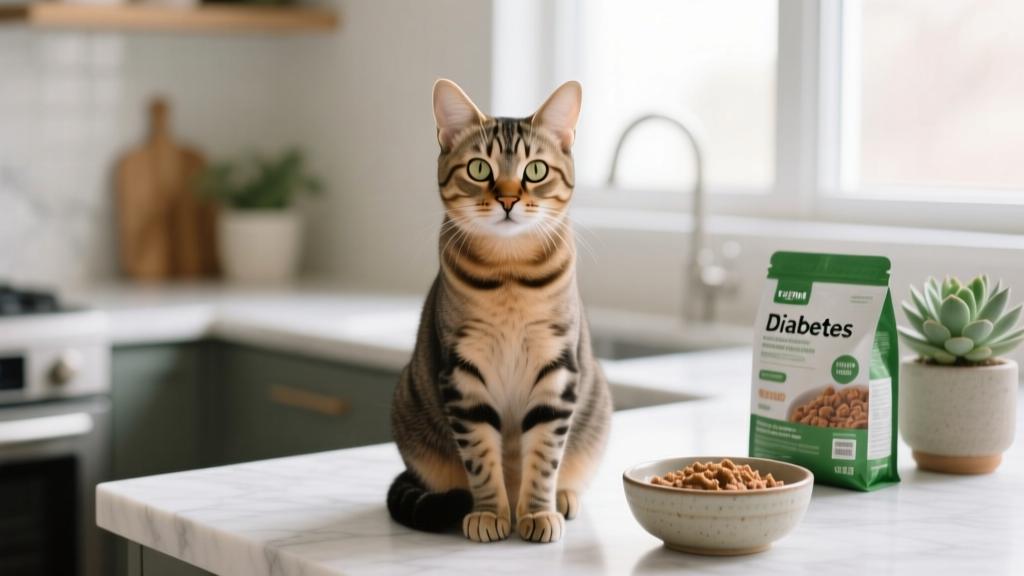
Many diabetic cats do well on low-carbohydrate, high-protein canned foods. The “best” choice depends on your cat’s full medical picture (kidney values, urinary issues, pancreatitis history, food sensitivities). Ask your veterinarian for specific recommendations and whether a prescription diet is appropriate.
Is dry food always off-limits for diabetic cats?
Not always, but many dry diets are higher in carbohydrates, which can make regulation harder. Some lower-carb dry options exist, and in certain situations (finicky eaters, dental considerations, household logistics) your veterinarian may help you build a plan that includes dry food. For many cats aiming for remission, a canned-focused approach is more effective.
How will I know if my cat is going into remission?
Clues include reduced thirst and urination, stable weight, and improved energy—but you can’t confirm remission by behavior alone. Remission is confirmed through blood glucose monitoring (often at home or through vet-directed curves) and sometimes fructosamine testing. Your vet will advise safe insulin dose reductions if numbers trend low.
How fast should my cat lose weight if they’re overweight?
Slow and steady is safest. Your veterinarian will set a target rate and calorie plan. Rapid weight loss or poor appetite in an overweight cat can trigger fatty liver disease, so always involve your vet in weight-loss planning—especially if your cat is diabetic.
What can I do today to help my diabetic cat?
- Schedule (or keep) your recheck appointment and ask about a remission-focused plan.
- Start a daily log: appetite, water intake, litter box changes, insulin dose, and energy.
- Measure food portions and remove free-feeding if your vet agrees.
- Ask your vet about transitioning to a low-carb canned diet and whether home glucose testing is right for you.
If your cat has diabetes—or you suspect it—partnering with a veterinarian is the safest path. With consistent nutrition, appropriate insulin use, and regular monitoring, many cats feel better quickly, and some achieve remission.
For more supportive, practical cat health guidance, visit catloversbase.com and explore our other feline wellness resources.