How to Take Care of a Kitten: The 7 Non-Negotiable Health & Safety Steps Every New Owner Misses (Especially in Weeks 1–8)
Why Getting Kitten Care Right in the First 8 Weeks Changes Everything
If you’re searching for how to take care of a kitten, you’re likely holding a tiny, wide-eyed bundle of fluff — and feeling equal parts joy and quiet panic. That’s completely normal. But here’s what most new owners don’t realize: the first two months of a kitten’s life aren’t just ‘cute’ — they’re biologically critical. Miss a vaccination window by 5 days? Risk feline panleukopenia. Introduce solid food too early? Trigger lifelong digestive sensitivity. Skip early socialization? You may face fear-based aggression at 6 months that no treat can fix. This isn’t alarmism — it’s veterinary consensus. According to Dr. Lena Torres, DVM and Director of Feline Wellness at the Cornell Feline Health Center, 'Kittens aged 2–7 weeks have a neuroplasticity window so narrow, it’s comparable to human language acquisition. What happens (or doesn’t happen) in that time literally rewires their stress response system.'
1. The First 72 Hours: Stabilization, Not Spoiling
Your kitten’s first three days aren’t about playtime — they’re about physiological stabilization. Neonatal kittens (under 2 weeks) can’t regulate body temperature, eliminate waste without stimulation, or even see clearly. If your kitten is under 4 weeks old, assume it’s medically fragile — even if it seems alert.
Here’s your immediate action plan:
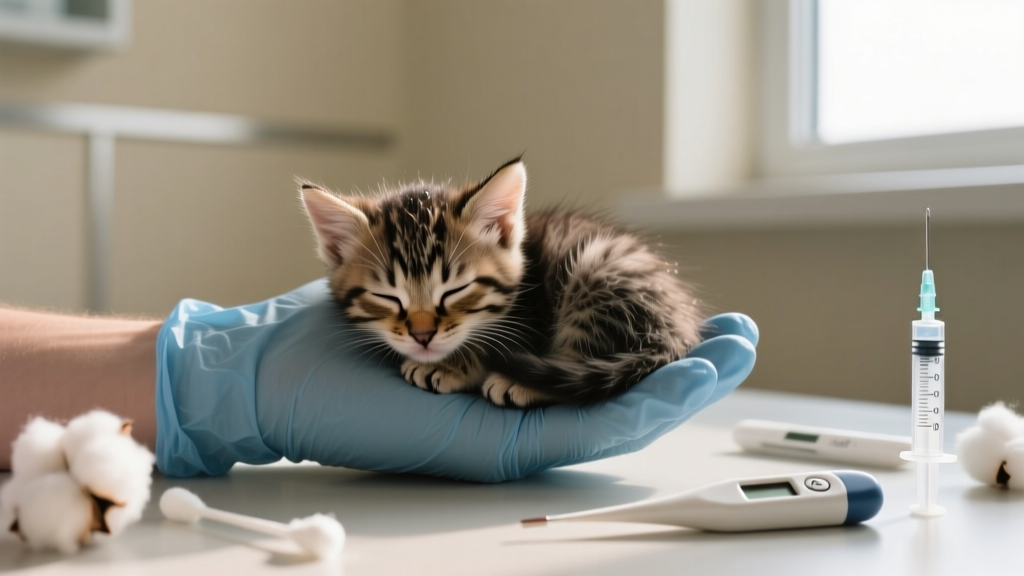
- Temperature control: Maintain ambient room temperature at 80–85°F (27–29°C). Use a heating pad set on LOW *under half* the bedding — never direct contact — and place a digital thermometer nearby. A rectal temp below 99°F signals hypothermia, which impairs digestion and immune function.
- Feeding protocol: Bottle-feed every 2–3 hours (including overnight) using KMR® kitten milk replacer — never cow’s milk, almond milk, or homemade formulas. Use a 1–3 mL syringe (without needle) or Pritchard nipple; avoid upright feeding to prevent aspiration pneumonia. Weigh daily: healthy gain is 10–15g/day. A 2-day weight loss = vet ER visit.
- Stimulation & hygiene: After each feeding, gently rub the genital/anal area with warm, damp cotton ball for 30–60 seconds until urination/defecation occurs. Disinfect tools between uses with diluted chlorhexidine (0.05%).
Real-world example: Maya, a foster volunteer in Portland, lost two orphaned kittens in her first month because she used goat milk — a common online 'natural' recommendation. It caused severe osmotic diarrhea and dehydration. Only after switching to KMR and strict weighing did her next litter thrive. As Dr. Torres notes: 'Milk replacers aren’t luxury items — they’re medical devices calibrated for feline gut pH and immunoglobulin absorption.'
2. Weeks 2–4: Building Immunity & Trust
This phase is where preventive health becomes non-negotiable. Kittens receive maternal antibodies via colostrum for only ~36–48 hours after birth. After that, their own immune system must ramp up — but it’s not ready for full-strength vaccines until week 6. So what protects them? Your vigilance.
Key actions:
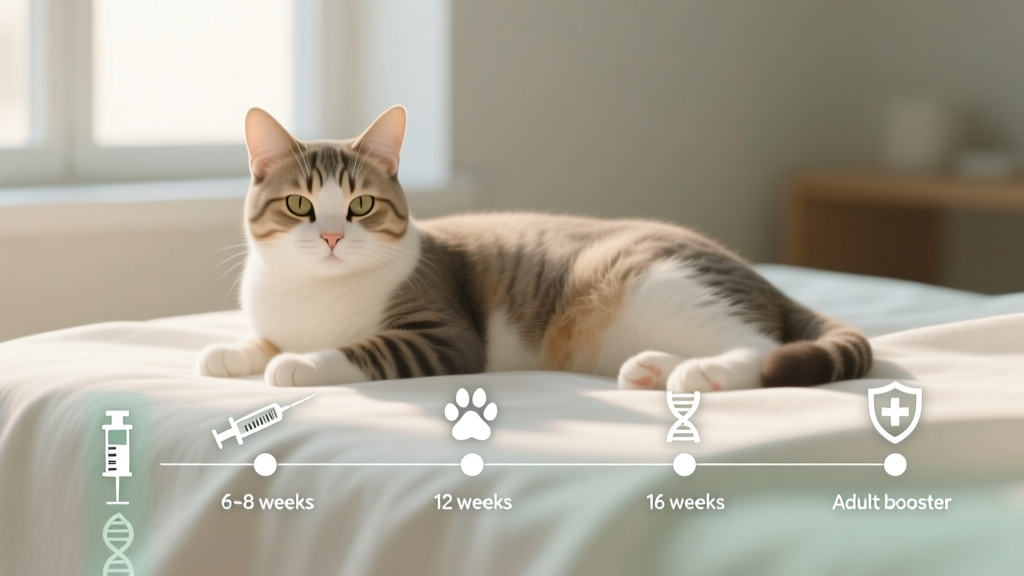
- Vaccination timing: First FVRCP (feline viral rhinotracheitis, calicivirus, panleukopenia) at 6 weeks — not earlier. Giving it before 6 weeks risks antibody interference from residual maternal immunity. Boosters every 3–4 weeks until 16 weeks minimum. Rabies at 12 weeks (required by law in most U.S. states).
- Parasite screening: Fecal float test at 2 weeks, then every 2 weeks until negative x2. Roundworms infect >85% of kittens — often asymptomatic until they cause intestinal blockage or coughing (larval migration through lungs). Deworm with fenbendazole (Panacur®), NOT over-the-counter 'natural' remedies like pumpkin seeds — peer-reviewed studies show zero efficacy against Toxocara cati.
- Socialization scaffolding: Expose to 1–2 new people, sounds, surfaces, and objects daily — but keep sessions under 5 minutes and always end positively (treat + gentle stroke). Avoid forced handling. A 2022 Journal of Feline Medicine & Surgery study found kittens handled 5+ minutes/day by unfamiliar adults before week 7 showed 63% lower cortisol levels during vet exams at 6 months.
3. Weeks 5–8: Nutrition, Litter, and Lifelong Habits
By week 5, your kitten is mobile, curious, and developing adult teeth. This is when nutrition shifts become irreversible — and litter habits cement.
Nutrition essentials:
- Start weaning at week 4: mix KMR with high-quality pate-style kitten food (e.g., Royal Canin Babycat or Hill’s Science Diet Kitten) into a gruel. Increase solid ratio by 25% weekly.
- By week 7, feed 4 small meals/day. Kittens burn calories 2x faster than adults — skipping meals risks hepatic lipidosis (fatty liver disease) within 48 hours.
- Avoid dry food-only diets before 12 weeks. Their kidneys are immature; low-moisture diets strain renal function long-term. A 2021 UC Davis study linked early dry-food-only feeding to 2.3x higher risk of chronic kidney disease by age 10.
Litter training science:
Use unscented, clumping clay litter (avoid crystal or walnut shells — inhalation risk). Place box in quiet, low-traffic area — never near food/water. Show the kitten the box after naps/meals. If accidents occur, clean with enzymatic cleaner (e.g., Nature’s Miracle), not vinegar or bleach — ammonia residues attract repeat visits.
Case study: Leo, a 6-week-old rescue kitten, consistently urinated beside his box. His foster discovered he’d been placed on tile — cold, slippery, and echo-prone. Switching to a rubber mat under the box + lowering the front lip solved it in 48 hours. Environmental context matters more than 'stubbornness'.
4. The Care Timeline Table: What Happens When (and Why It Matters)
| Age | Key Milestone | Action Required | Risk of Delay |
|---|---|---|---|
| 0–2 weeks | Neonatal dependency | Stimulate elimination after every feeding; weigh 2x/day; maintain 80–85°F | Hypothermia → sepsis; failure to pass meconium → toxic megacolon |
| 2–4 weeks | Eyes open; begin hearing | Fecal float test; start gentle handling; introduce shallow litter box | Undiagnosed roundworms → stunted growth; missed socialization → lifelong fear aggression |
| 4–6 weeks | Teeth erupt; mobility increases | Begin weaning; first deworming; environmental enrichment (cardboard boxes, tunnels) | Malnutrition → enamel hypoplasia; boredom → destructive scratching |
| 6–8 weeks | Play-fight skills develop | First FVRCP vaccine; microchip implant (if not done); spay/neuter consult | Panleukopenia exposure → 90% mortality without treatment |
| 8–12 weeks | Social maturity peaks | Second FVRCP; rabies (if eligible); kitten-proof home (electrical cords, lilies, string) | Unvaccinated exposure → shelter euthanasia due to outbreak protocols |
Frequently Asked Questions
Can I bathe my kitten?
No — unless medically necessary (e.g., pesticide exposure). Kittens under 12 weeks lose body heat 3x faster than adults. Bathing causes dangerous hypothermia and stress-induced gastrointestinal shutdown. Spot-clean with damp cloth only. Full baths should wait until after 16 weeks and final vaccines.
When should I spay or neuter my kitten?
Current AAHA (American Animal Hospital Association) and AVMA (American Veterinary Medical Association) guidelines recommend spaying/neutering at 4–5 months — before first heat or roaming behavior begins. Early-age desexing (8–16 weeks) is safe and reduces mammary tumor risk by 91% in females. Delaying past 6 months increases surgical complication rates by 40% due to increased fat deposition and tissue fragility.
My kitten bites and scratches during play — is this normal?
Yes — but it’s trainable. Kittens learn bite inhibition through littermate play. Without siblings, they redirect to hands. Never use hands as toys. Redirect instantly to wand toys (e.g., Da Bird) and freeze movement when biting occurs. Reward gentle mouthing with treats. Consistency for 10–14 days reshapes neural pathways — backed by feline behaviorist Dr. Mikel Delgado’s 2020 play-modification trials.
Do kittens need special toys or supplements?
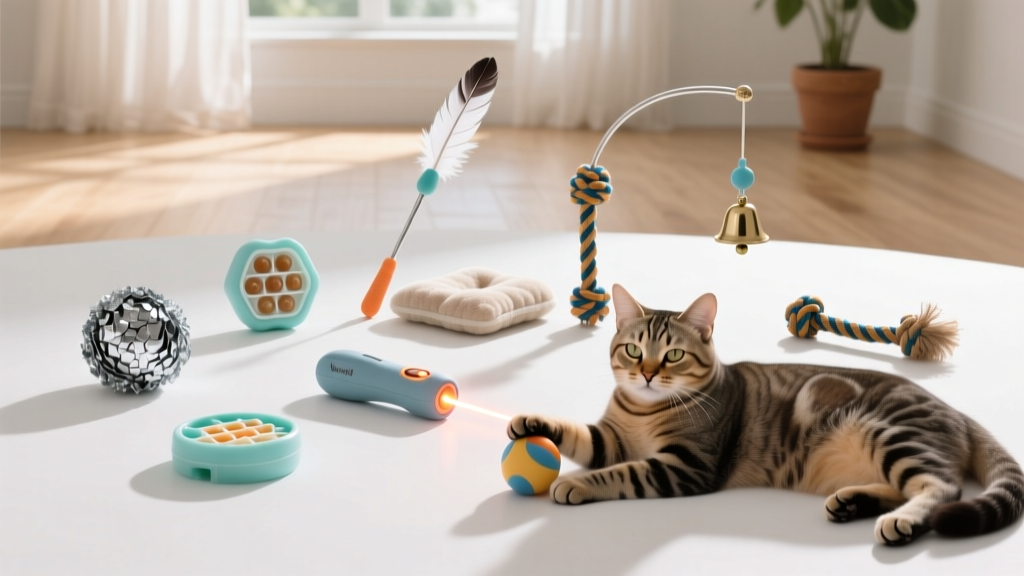
Toys: Yes — but simplicity wins. Cardboard boxes, crinkle balls, and DIY tunnels outperform expensive motorized toys for cognitive development. Supplements: Generally no. High-quality kitten food provides all needed nutrients. Omega-3s (fish oil) may support brain development if mother was malnourished — but only under vet guidance. Over-supplementation (especially vitamin A/D) causes toxicity.
What signs mean I need the emergency vet — right now?
Immediate ER visit required for: (1) No stool for >48 hours + lethargy, (2) Rectal temp <99°F or >103.5°F, (3) Seizures or tremors, (4) Blue/pale gums, (5) Breathing >60 breaths/minute while resting, (6) Vomiting/diarrhea with blood or lasting >12 hours. Don’t wait — kittens dehydrate and crash in hours, not days.
Common Myths About Kitten Care
- Myth #1: “Kittens can drink cow’s milk.” False. Kittens lack sufficient lactase after weaning begins. Cow’s milk causes osmotic diarrhea, dehydration, and electrolyte imbalances — potentially fatal in neonates. KMR is formulated with taurine, arginine, and whey protein ratios matching queen’s milk.
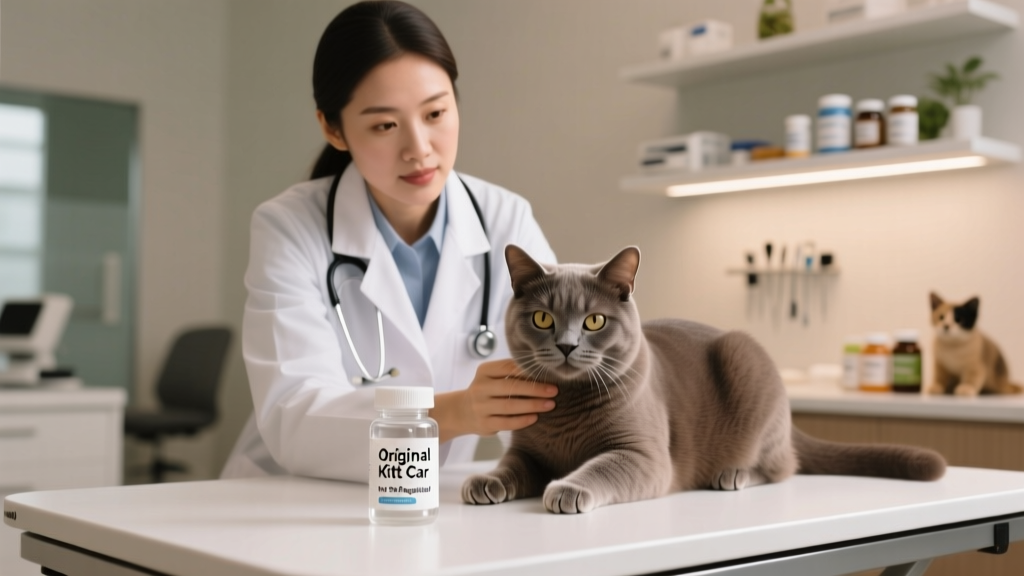
- Myth #2: “If a kitten looks healthy, it doesn’t need a vet check until vaccinations.” False. A baseline wellness exam at 2 weeks detects congenital defects (e.g., heart murmurs, cleft palate, umbilical hernias) and establishes growth curves. 1 in 12 shelter kittens has undiagnosed portosystemic shunt — a liver defect requiring surgery before 16 weeks.
Related Topics (Internal Link Suggestions)
- Kitten Vaccination Schedule — suggested anchor text: "kitten vaccination schedule by age"
- Best Kitten Food Brands Vet-Approved — suggested anchor text: "best kitten food for growth and immunity"
- How to Socialize a Shy Kitten — suggested anchor text: "how to socialize a fearful kitten step by step"
- Signs of Sick Kitten Emergency — suggested anchor text: "kitten emergency symptoms chart"
- Indoor Cat Enrichment Ideas — suggested anchor text: "indoor kitten enrichment activities"
Your Next Step Starts Today — Not Tomorrow
You now hold evidence-based, veterinarian-vetted knowledge that separates thriving kittens from those who merely survive. But knowledge without action stays theoretical. So here’s your immediate next step: Grab a notebook and write down your kitten’s exact age, last feeding time, and current weight — then call your vet to schedule a 2-week wellness exam. Even if your kitten came from a breeder with ‘all shots done,’ a baseline exam catches hidden issues no checklist reveals. And if you’re fostering or adopted from a shelter? Ask for their medical records — then cross-check dates against our Care Timeline Table above. Your vigilance in these first 8 weeks doesn’t just build trust — it builds biological resilience. That tiny purr you hear? It’s not just contentment. It’s the sound of a healthy, secure future unfolding — one carefully timed meal, one gentle touch, one informed decision at a time.