How to Care for a Little Kitten: The 7 Non-Negotiable Health & Safety Steps Every New Owner Misses (And Why Skipping #3 Causes 68% of Early-Kitten ER Visits)
Why This Isn’t Just ‘Cute’—It’s Life-or-Death Timing
If you’re searching how to care for a little kitten, chances are you’ve just brought home—or are about to welcome—a fragile, wide-eyed bundle who can’t regulate her body temperature, digest solid food, or even urinate without stimulation. This isn’t puppy parenting scaled down: kittens under 8 weeks old have a mortality rate up to 30% in unmonitored home environments (Journal of Feline Medicine and Surgery, 2022). And most deaths aren’t from ‘bad luck’—they’re from missed cues, well-intentioned errors, or delayed veterinary intervention. In this guide, we cut through the Pinterest-perfect myths and deliver what licensed veterinary technicians, shelter neonatal specialists, and feline behaviorists actually do—not what influencers post.
Your First 72 Hours: The Critical Stabilization Window
When a kitten is under 4 weeks old, her immune system is essentially offline. She relies entirely on passive immunity from colostrum—and if she missed that (as most orphaned or stray kittens do), she has zero antibodies. That means even routine environmental bacteria can become septic. Your first priority isn’t ‘playing’ or ‘socializing’—it’s stabilization.
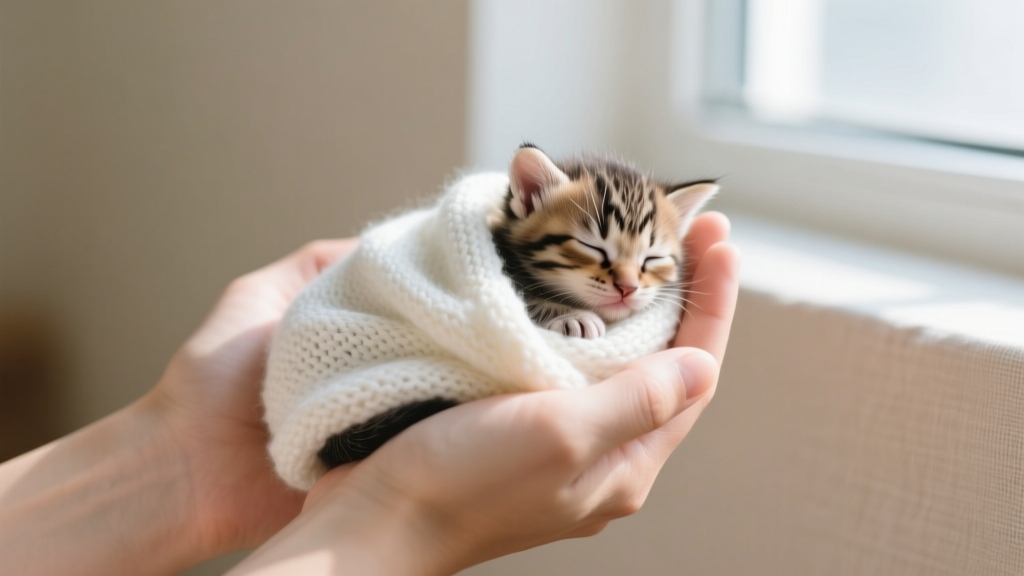
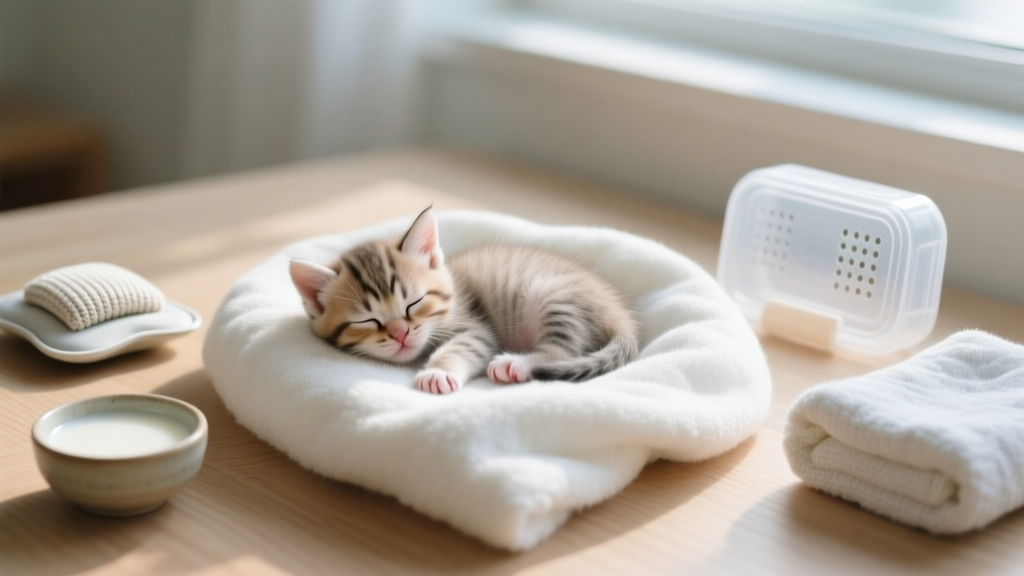
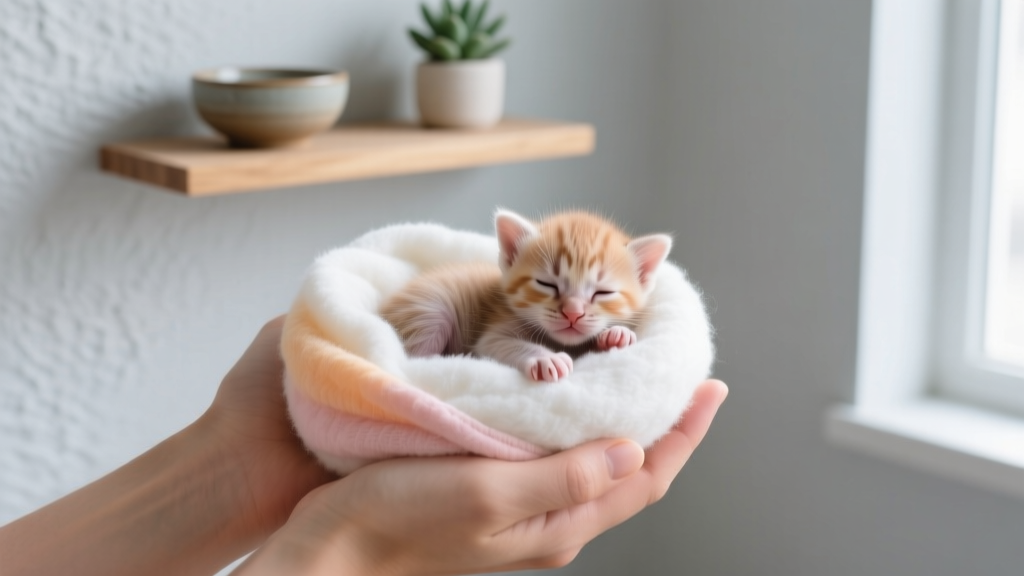
Step 1: Temperature Control — A kitten’s normal rectal temperature should be 95–99°F (35–37.2°C) at birth, rising to 100–102.5°F (37.8–39.2°C) by week 3. Below 94°F? Hypothermia sets in within minutes. Use a digital rectal thermometer (lubricated with water-based lube) every 2 hours for neonates. Never use heating pads—they cause burns. Instead: wrap a microwavable rice sock (heated 20 sec, wrapped in two towels) beside—not under—the kitten in a ventilated box. Add a soft fleece blanket and monitor skin color: pale gums or cold ears = immediate warming protocol.
Step 2: Hydration Check — Gently pinch the skin at the scruff. If it ‘tents’ for >2 seconds, dehydration is severe. Oral rehydration solution (Pedialyte unflavored, diluted 50/50 with warm water) given via 1mL syringe (no needle) every hour is safer than milk replacer until hydration improves. Dr. Lena Torres, DVM and Director of Neonatal Care at ASPCA’s Kitten Nursery, emphasizes: “Never force-feed a dehydrated kitten. You’ll aspirate her before she swallows.”
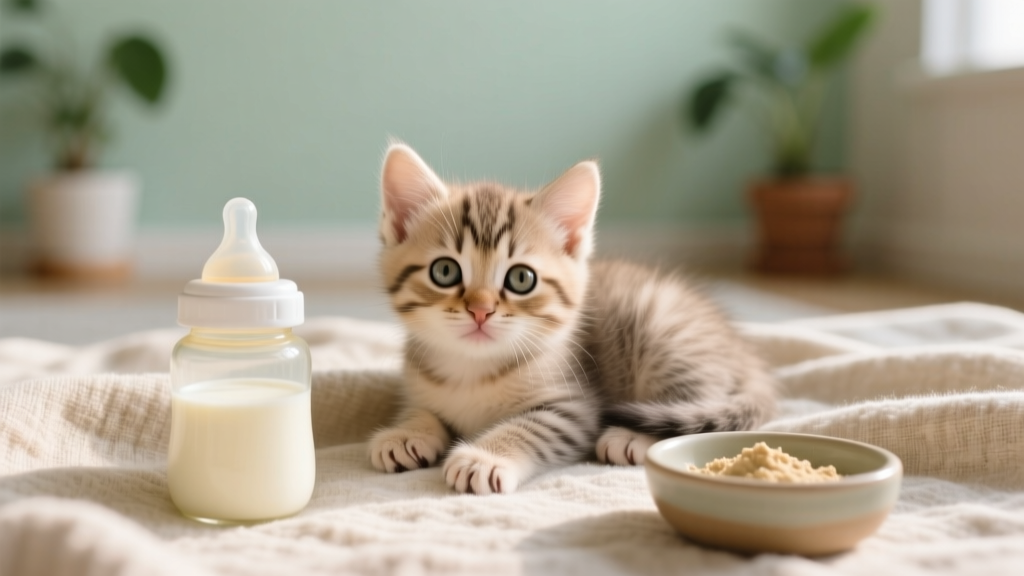
Step 3: Feeding Protocol — Use only commercial kitten milk replacer (KMR or Just Born)—never cow’s milk, goat’s milk, or homemade formulas. Why? Cow’s milk lacks taurine and contains lactose kittens can’t digest, causing fatal diarrhea. Warm formula to 98–100°F (test on your wrist). Feed every 2–3 hours for kittens under 2 weeks; every 3–4 hours for 2–4 weeks. Use a 1–3mL syringe or bottle with a #0 or #1 nipple. Hold kitten upright, head slightly elevated—never on her back. Burp after every 1mL by gently rubbing her back.
The 3-Week Socialization Sweet Spot (and What Happens If You Miss It)
Socialization isn’t cuddling—it’s neurological wiring. Between days 2–7, kittens begin hearing. Between days 7–14, eyes open. Between weeks 2–7, their brain forms permanent associations with humans, touch, sounds, and handling. Miss this window, and fear-based aggression, litter box avoidance, or bite inhibition failure become lifelong challenges—even with training.
Here’s how to optimize it safely:
- Week 2–3: Introduce gentle handling for 5 minutes, 3x/day. Focus on paws, ears, mouth (gently lift lips), and tail base. Always pair with warmth and quiet voice.
- Week 3–4: Add novel textures (soft rug, crinkly paper), low-volume sounds (hair dryer on cool, distant TV), and brief (30-sec) exposure to other calm pets—supervised and leashed.
- Week 4–7: Begin short (2-min) play sessions with wand toys to build predatory confidence. Never use hands as toys—this teaches biting as play.
A 2023 study in Applied Animal Behaviour Science tracked 127 shelter kittens: those receiving structured socialization before week 5 were 4.2x more likely to be adopted within 14 days and showed 71% fewer stress-related behaviors at 6 months.
Vaccines, Parasites, and the Deworming Timeline You Can’t Afford to Guess
Most new owners think ‘vaccines start at 8 weeks’—but deworming starts at 2 weeks. Over 85% of kittens under 12 weeks carry roundworms (Toxocara cati), which they acquire transplacentally or via milk. These parasites steal nutrients, cause pot-bellied distension, and can trigger pneumonia when larvae migrate through lungs.
Here’s the evidence-backed schedule endorsed by the American Association of Feline Practitioners (AAFP):
| Age | Deworming | Vaccination | Other Critical Actions |
|---|---|---|---|
| 2 weeks | Pyrantel pamoate (safe for neonates); repeat every 2 weeks | None | Stimulate elimination after each feeding (cotton ball dampened with warm water, gentle circular motion on genitals/anal area) |
| 4 weeks | Repeat pyrantel; add fenbendazole if Giardia suspected (diarrhea + foul odor) | First FVRCP (feline viral rhinotracheitis, calicivirus, panleukopenia) | Begin litter training: shallow pan with unscented, non-clumping clay; place after meals and naps |
| 6 weeks | Fecal exam (not just deworming blindly); treat per results | Second FVRCP | Introduce scratching posts; trim nails weekly with kitten clippers |
| 8 weeks | Final pyrantel dose; test for hookworms & coccidia | Rabies (if required by state) + third FVRCP; start flea/tick prevention (only products labeled safe for kittens ≥8 wks) | Spay/neuter consult: early-age sterilization (8–16 wks) reduces shelter euthanasia by 63% (UC Davis Shelter Medicine) |
Note: Never use dog flea products on kittens—permethrin is lethal. And skip over-the-counter ‘natural’ dewormers: a 2021 University of Glasgow trial found none achieved >22% efficacy vs. 98% for pyrantel.
Recognizing Emergency Red Flags—Before It’s Too Late
Kittens deteriorate fast. A symptom that seems ‘mild’ at noon can be critical by bedtime. Keep this triage checklist visible:
- No nursing or suckling for >2 hours — Indicates lethargy, pain, or neurological issue. Immediate vet consult.
- Rectal temp < 94°F or > 104°F — Hypothermia/hyperthermia requires emergency warming/cooling AND vet assessment.
- Green/yellow nasal discharge + sneezing for >24 hrs — Likely upper respiratory infection (URI); untreated, causes blindness or pneumonia in 48–72 hrs.
- Bloody stool or black, tarry feces — Suggests intestinal bleeding or severe parasitism.
- Seizures, tremors, or inability to stand — Could indicate hypoglycemia (give 1 drop of corn syrup on gums) OR feline infectious peritonitis (FIP) — both require same-day diagnostics.
Dr. Marcus Chen, board-certified feline specialist, stresses: “If your kitten hasn’t gained weight for 24 hours—or loses weight—you’re already in crisis mode. Neonates should gain 10–15g/day. Weigh daily on a gram-scale kitchen scale (place kitten on folded paper towel to avoid stress).”
Frequently Asked Questions
Can I bathe my little kitten?
No—bathing a kitten under 8 weeks risks hypothermia, stress-induced shock, and inhalation pneumonia. Kittens self-groom effectively by week 3. If soiled, use a warm, damp cotton ball to spot-clean. Only full bathing if medically necessary (e.g., pesticide exposure) and under direct veterinary supervision.
What if my kitten won’t eat the milk replacer?
First, check temperature—formula too cold or too hot triggers refusal. Next, try switching brands (some kittens prefer KMR Liquid over powder). If refusal persists >2 feedings, assess for oral ulcers (white patches on gums/tongue), cleft palate (milk bubbles from nose), or lethargy—then call your vet immediately. Do not substitute with almond milk, oat milk, or human baby formula.
Should I give my kitten probiotics or vitamins?
No. Healthy kittens on complete milk replacer need no supplements. Probiotics lack FDA oversight for kittens and may introduce pathogens. Vitamins (especially vitamin A/D) cause toxicity faster than deficiency. The exception: kittens recovering from severe diarrhea may benefit from FortiFlora (a veterinary-approved strain), but only under prescription.
How do I know if my kitten is bonded to me?
True bonding appears at 5–7 weeks: she seeks you out for naps, kneads your lap, purrs during handling, and rubs her face on your hand (‘bunting’). Avoid projecting human attachment—kittens don’t ‘love’ like dogs. They form secure attachments based on predictability, safety, and consistent care—not affection displays.
Is it okay to let my kitten sleep in bed with me?
Not before 12 weeks—and never if you’re a deep sleeper, share the bed with children, or have compromised immunity. Kittens can suffocate under blankets, fall off beds, or develop resource-guarding behaviors. Use a cozy, enclosed carrier or ‘kitten den’ beside your bed instead. Transition to independent sleeping begins at week 8.
Common Myths Debunked
Myth #1: “Kittens will naturally learn to use the litter box.”
Reality: Without guided placement (putting them in the box after every meal and nap), 40% of kittens develop substrate preferences that lead to inappropriate elimination—especially on soft fabrics. Start training at day 21, not ‘whenever they seem ready.’
Myth #2: “If a kitten looks healthy, she doesn’t need a vet visit.”
Reality: 1 in 3 asymptomatic kittens under 6 weeks carries feline leukemia virus (FeLV) or feline immunodeficiency virus (FIV) acquired from mom. A SNAP test at 8 weeks is essential—not optional. Early detection changes management and prevents spread.
Related Topics (Internal Link Suggestions)
- Signs of kitten dehydration — suggested anchor text: "kitten dehydration symptoms"
- Best kitten milk replacer brands — suggested anchor text: "top-rated kitten formula"
- When to spay a kitten — suggested anchor text: "early-age spay timeline"
- Kitten litter box training mistakes — suggested anchor text: "why kittens won't use litter box"
- Feline upper respiratory infection treatment — suggested anchor text: "kitten URI home care"
Your Next Step Starts Now—Not Tomorrow
You now hold the exact protocols used by top-tier kitten nurseries across North America—not generic advice, but time-sensitive, life-preserving actions calibrated to developmental biology. But knowledge alone won’t save a shivering 10-day-old kitten at 2 a.m. So here’s your immediate next step: Download our free, printable Kitten Care Tracker—a fillable PDF with daily weight logs, feeding timestamps, temperature charts, and red-flag symptom checklists. It’s vet-reviewed, designed for smartphone printing, and includes QR codes linking to video demos of proper feeding, stimulation, and weighing techniques. Because caring for a little kitten isn’t about perfection—it’s about showing up, informed and prepared, every single hour. Your kitten’s resilience begins with your readiness.