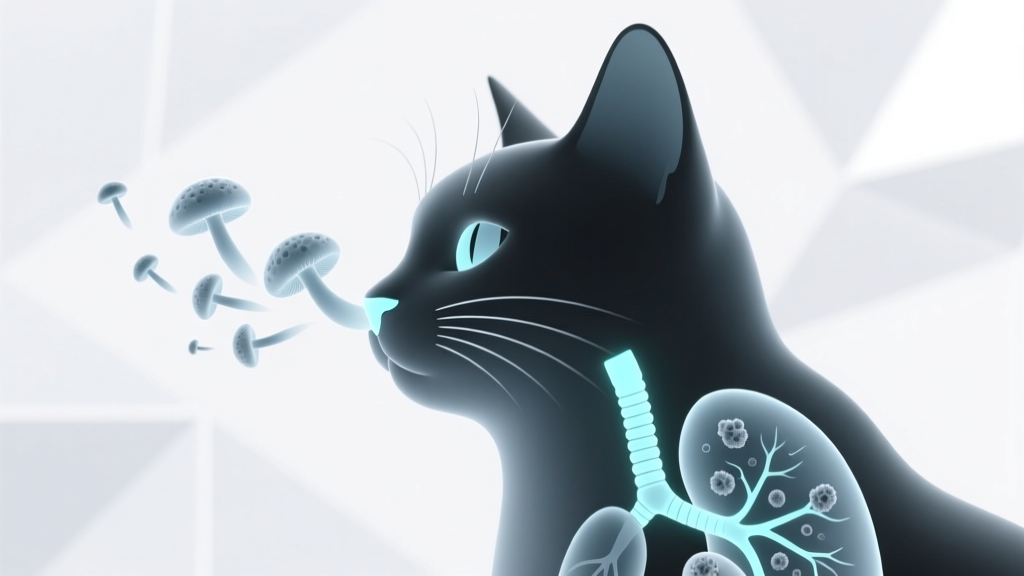
Feline Aspergillosis: Sinus and Lung Mold Infection
1. Why this topic matters for cat owners
When a cat develops chronic sneezing, nasal discharge, noisy breathing, or an unexplained cough, it’s easy to assume it’s “just allergies” or a stubborn cold. Most of the time, upper respiratory issues are caused by viruses or bacteria and respond to supportive care. Aspergillosis is different. It’s a fungal (mold) infection that can affect the nasal passages and sinuses, and in some cases the lungs or other organs. It’s uncommon in cats, but it can be serious, and it often requires specific testing and targeted treatment.
Knowing the warning signs helps you act early. Prompt veterinary care can reduce discomfort, protect the delicate structures of the nose and sinuses, and improve the chances of a good outcome. If your cat has lingering respiratory signs that keep returning or aren’t improving as expected, this is one of the conditions your veterinarian may want to rule out.
2. Overview: What is feline aspergillosis?
Aspergillosis is an infection caused by fungi in the genus Aspergillus. These molds are very common in the environment—found in soil, decaying plant material, compost, dust, and even indoor air. Most cats inhale Aspergillus spores regularly without getting sick. Disease occurs when the spores settle in the body and the cat’s local defenses or immune system can’t clear them.
In cats, aspergillosis is generally described in two main ways:
- Sino-nasal aspergillosis (SNA): Infection primarily in the nasal passages and sinuses. This is the form many owners notice first because of persistent nasal symptoms.
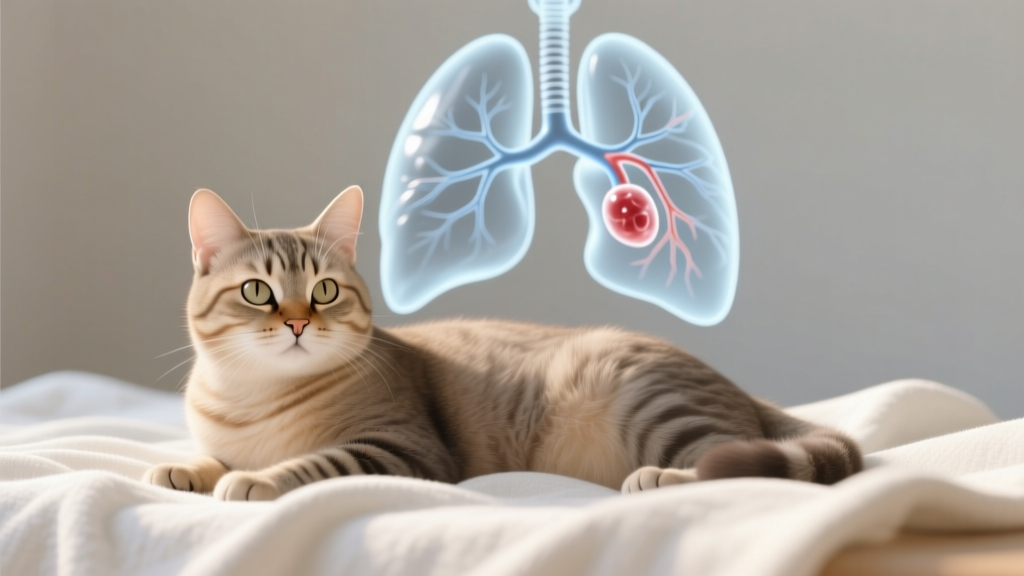
- Lower respiratory/pulmonary aspergillosis: Infection in the lungs and lower airways. This can look like chronic bronchitis, pneumonia, or unexplained breathing difficulty.
There is also a less common but more severe form called disseminated aspergillosis, where the fungus spreads beyond the nose/lungs to other organs (such as kidneys, brain, bones, or eyes). Disseminated disease is more likely in cats with immune suppression or significant underlying illness.
One helpful way to think about aspergillosis: it’s not “a cold” and it’s not usually something that clears on its own. It often requires antifungal medication and sometimes procedures to remove fungal material and damaged tissue.
3. Symptoms and warning signs to watch for
Signs can vary depending on whether the infection is in the nose/sinuses, the lungs, or has spread elsewhere. Many cats show subtle symptoms at first.
Common signs of sino-nasal (sinus) aspergillosis
- Chronic or recurrent nasal discharge (one-sided or both sides)
- Discharge that may be thick, yellow/green, or sometimes bloody
- Sneezing that persists for weeks
- Nasal congestion, noisy breathing, snoring sounds when awake
- Pawing at the face or rubbing the nose
- Reduced appetite (often due to decreased sense of smell)
- Bad breath or oral discomfort (less common, but possible)
- Facial swelling or pain over the bridge of the nose (more concerning)
Common signs of pulmonary (lung) aspergillosis
- Coughing (cats cough less obviously than dogs; it may look like gagging or retching)
- Increased respiratory rate or effort
- Lethargy
- Weight loss
- Fever (not always present)
- Wheezing or abnormal lung sounds (usually detected by your veterinarian)
Possible signs of disseminated disease (urgent veterinary evaluation)
- Sudden or progressive weakness
- Neurologic signs (stumbling, seizures, head tilt)
- Eye inflammation or vision changes
- Lameness or bone pain
- Persistent fever, poor appetite, weight loss
Practical tip: If your cat has nasal discharge longer than 10–14 days, repeated “respiratory infections,” or any one-sided/bloody nasal discharge, schedule a veterinary visit. Chronic symptoms deserve a deeper look.
4. Causes and risk factors
Aspergillus spores are widespread; exposure is common. Not every exposed cat becomes ill. Factors that increase risk include:
- Underlying nasal disease (chronic rhinitis, nasal polyps, previous trauma, or tumors) that disrupts normal defenses
- Immune suppression from illness (such as FeLV/FIV), certain cancers, or medications (for example, high-dose or long-term corticosteroids)
- Chronic stress or poor overall health that reduces immune function
- Environmental exposure to high spore loads (compost, barns, dusty renovations, moldy basements)
- Dental disease or oral/nasal communication (less common, but infections can complicate nasal health)
Many cats with aspergillosis are otherwise healthy, so lack of obvious risk factors does not rule it out.
5. Diagnosis: What to expect at the vet
Because symptoms can mimic other problems (viral infections, bacterial infections, allergies, foreign bodies, nasal polyps, cancer), diagnosis usually involves several steps. Your veterinarian’s goal is to confirm a fungal infection and determine how far it extends.
History and physical exam
Your vet will ask about duration of signs, whether discharge is one-sided or two-sided, appetite changes, weight loss, home environment (dust/mold exposure), and any medications. They’ll examine your cat’s nose, mouth, lymph nodes, eyes, and lungs.
Baseline testing
- Bloodwork (CBC/chemistry) to assess overall health and inflammation; helps plan anesthesia safely
- FeLV/FIV testing if status is unknown or risk is present
- Urinalysis if systemic illness is suspected
Imaging
- CT scan (often the best tool for nasal/sinus disease): shows turbinate destruction, sinus involvement, masses, and guides sampling
- Skull/nasal radiographs: sometimes used, but less sensitive than CT
- Chest X-rays if coughing or lung involvement is suspected
Rhinoscopy and sampling
A definitive diagnosis often requires looking inside the nasal passages under anesthesia:
- Rhinoscopy (using a small scope) to visualize fungal plaques, inflammation, or masses
- Biopsy for histopathology (microscopic evaluation)
- Fungal culture or PCR to identify Aspergillus species
- Cytology of nasal discharge may help but can miss fungal elements
Antigen/antibody testing
Some blood tests can support a diagnosis, but results must be interpreted carefully. Cats can have variable test performance depending on the form of disease and the lab method. Your veterinarian will decide whether these are useful for your cat’s case.
What this means for you: Many cats need sedation/anesthesia for the most helpful tests. Your vet team should discuss anesthesia safety, pain control, and expected recovery.
6. Treatment options (medical, surgical, home care)
Treatment is individualized based on whether the infection is localized to the nose/sinuses, involves the lungs, or is disseminated. Always follow your veterinarian’s plan—antifungals can be lifesaving but require correct dosing, monitoring, and time.
Medical therapy (antifungal medication)
- Systemic antifungals are commonly used. Options may include itraconazole, fluconazole, voriconazole, posaconazole, or others depending on the case and specialist guidance.
- Treatment duration is often weeks to months, and stopping too early can lead to relapse.
- Monitoring may include repeat exams, follow-up imaging, and periodic bloodwork to watch liver values and overall tolerance.
Owner action step: Use a medication calendar and set reminders. Antifungals work best when given consistently. If your cat vomits a dose or you miss a dose, call your vet for advice rather than doubling up.
Topical therapy and procedures (primarily for sino-nasal disease)
In some cases, especially when fungal plaques are present, treatment may include:
- Debridement (removal of fungal material) during rhinoscopy
- Topical antifungal infusion into the nasal passages/sinuses under anesthesia (performed by experienced veterinarians or specialists)
These approaches aim to reduce fungal burden quickly and may improve outcomes in select cases, but they require careful case selection and monitoring.
Supportive care at home
- Keep your cat eating: Offer warmed, aromatic wet food; ask your vet about appetite support if needed.
- Reduce airborne irritants: Avoid smoke, strong fragrances, aerosol sprays, and dusty litter.
- Humidity: A cool-mist humidifier can make breathing more comfortable for some cats (keep it clean to prevent mold buildup).
- Stress reduction: Provide a quiet resting spot, maintain routine, and use gentle handling—congestion and headaches can make cats cranky.
What to avoid: Do not give over-the-counter human cold meds, essential oils, or leftover antibiotics. Many are toxic to cats or can worsen symptoms.
7. Prevention strategies and early detection tips
Because Aspergillus is everywhere, prevention is about reducing risk and catching disease early rather than eliminating exposure completely.
- Limit heavy mold exposure: Keep cats away from compost piles, moldy basements, dusty renovation zones, and barns/storage areas with damp hay.
- Control indoor humidity: Aim for a comfortable range (often 30–50%). Use dehumidifiers in damp spaces and fix leaks promptly.
- Use clean litter: Choose low-dust litter when possible and keep boxes clean to reduce respiratory irritation.
- Support immune health: Regular veterinary wellness exams, parasite control, good nutrition, and prompt care for chronic illness all help.
- Address chronic nasal disease: If your cat has ongoing rhinitis or recurrent “colds,” ask your veterinarian about deeper diagnostics rather than repeating antibiotics indefinitely.
Early detection tip: Track respiratory symptoms in a simple note on your phone: start date, discharge color, appetite, energy, and whether signs are one-sided. Patterns help your vet move faster toward the right diagnosis.
8. Prognosis and quality of life
The outlook depends on the form of aspergillosis and how early it’s identified:
- Sino-nasal aspergillosis: Many cats can do well with appropriate antifungal therapy and/or procedures. Some may have residual nasal sensitivity or intermittent congestion.
- Pulmonary aspergillosis: Prognosis is more variable. Some cats respond well to long-term antifungals; others may have chronic lung changes that require ongoing management.
- Disseminated aspergillosis: Guarded prognosis, often requiring aggressive treatment and close monitoring, sometimes with internal medicine or neurology specialists.
Quality of life is the main focus. Signs that your treatment plan is helping include improved appetite, less discharge, quieter breathing, better sleep, and increased activity. Your veterinarian may recommend rechecks at specific intervals to ensure the infection is truly resolving and to adjust medications safely.
9. When to seek emergency veterinary care
Schedule an urgent or emergency visit if you notice any of the following:
- Open-mouth breathing, severe breathing effort, or rapid breathing at rest
- Blue, gray, or very pale gums
- Profuse nosebleed or repeated bleeding that won’t stop
- Facial swelling with significant pain or sudden worsening
- Collapse, extreme weakness, or inability to stand
- Seizures, severe disorientation, or sudden vision problems
- Not eating for 24 hours (or 12 hours in kittens or cats with other medical issues), especially if paired with lethargy
If you’re unsure, call your veterinary clinic or an emergency hospital and describe your cat’s breathing and behavior. Breathing concerns should never “wait and see.”
10. FAQ: Common questions cat owners ask
Is aspergillosis contagious to other cats or humans?
Aspergillosis is generally considered an infection acquired from the environment rather than passed directly from cat to cat. Humans and pets are exposed to Aspergillus spores regularly. A sick cat is not typically a direct contagion risk, but you should still practice good hygiene (wash hands after handling discharge, clean surfaces) and address any mold issues in the home. If someone in the household is immunocompromised, ask your physician and your veterinarian for tailored guidance.
Can aspergillosis be mistaken for a regular upper respiratory infection?
Yes. Early signs can look similar to viral or bacterial respiratory disease. Red flags include symptoms lasting more than 2 weeks, one-sided discharge, bloody discharge, facial pain/swelling, or repeated relapses after antibiotics. These are good reasons to request advanced diagnostics.
Will antibiotics help?
Antibiotics do not treat fungal infections. Some cats may temporarily seem better if a secondary bacterial infection is present, but the underlying fungal problem remains. If antibiotics haven’t provided lasting relief, your vet may recommend imaging and fungal testing.
How long does treatment take?
Many cats require weeks to months of antifungal medication. Your veterinarian will tailor the timeline based on clinical improvement and recheck results. Stopping early is a common reason for relapse, so plan for a longer course and follow-up visits.
Are antifungal medications safe for cats?
Many cats tolerate antifungals well, but side effects are possible (such as decreased appetite, vomiting, diarrhea, or liver enzyme changes). This is why regular checkups and periodic bloodwork are often recommended. If your cat seems unwell after starting medication, call your veterinarian promptly—do not stop or change the dose without guidance.
What can I do today if I suspect a problem?
- Book a veterinary appointment if nasal or breathing signs are persistent or worsening.
- Take short videos of your cat’s breathing, sneezing, or coughing episodes to show your vet.
- Reduce irritants at home (smoke, fragrances, dust) and keep your cat away from damp/moldy areas.
- Track appetite and weight; notify your vet if your cat eats less or loses weight.
If your cat has ongoing nasal discharge, noisy breathing, or a chronic cough, your veterinarian is your best partner for sorting out the cause and starting the right treatment. For more supportive, cat-owner-friendly health guides and wellness tips, visit catloversbase.com and explore our growing library of cat health resources.