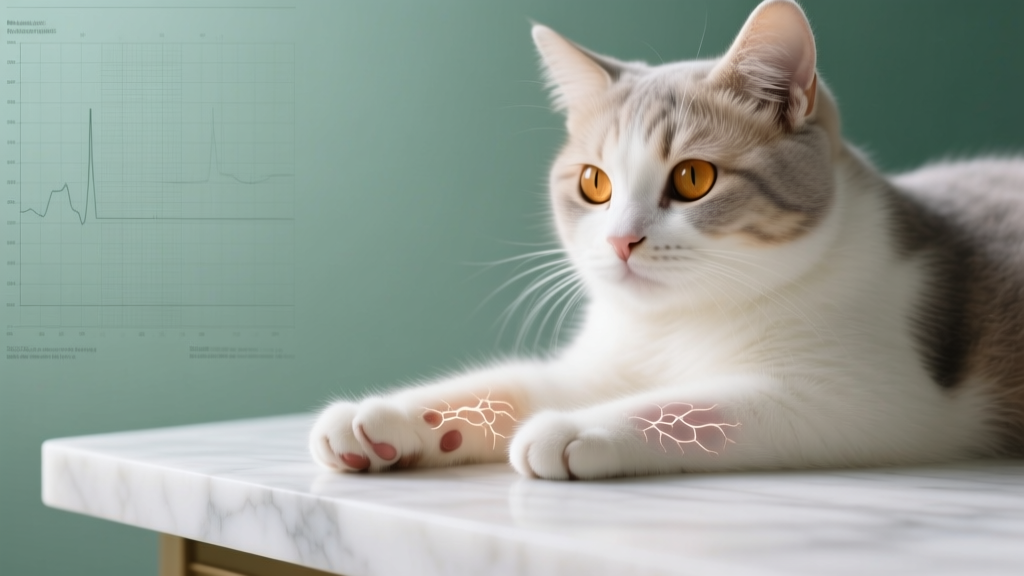
Feline Thrombocytopenia: Low Platelet Count Bleeding Risk
1. Why this topic matters for cat owners
Cats are experts at hiding illness. A cat can seem “a little tired” or “not quite themselves” while something significant is happening under the surface. Thrombocytopenia—meaning a low platelet count—matters because platelets help your cat’s blood clot. When platelets are too low, even minor bumps or normal daily activities can lead to bruising or bleeding. In more serious cases, internal bleeding can occur without obvious external wounds.
The good news: thrombocytopenia is a condition veterinarians can often identify with basic lab work, and many causes are treatable. Knowing the warning signs and what to do next can help you protect your cat’s comfort and safety.
2. Overview: what thrombocytopenia is (plain-language medical explanation)
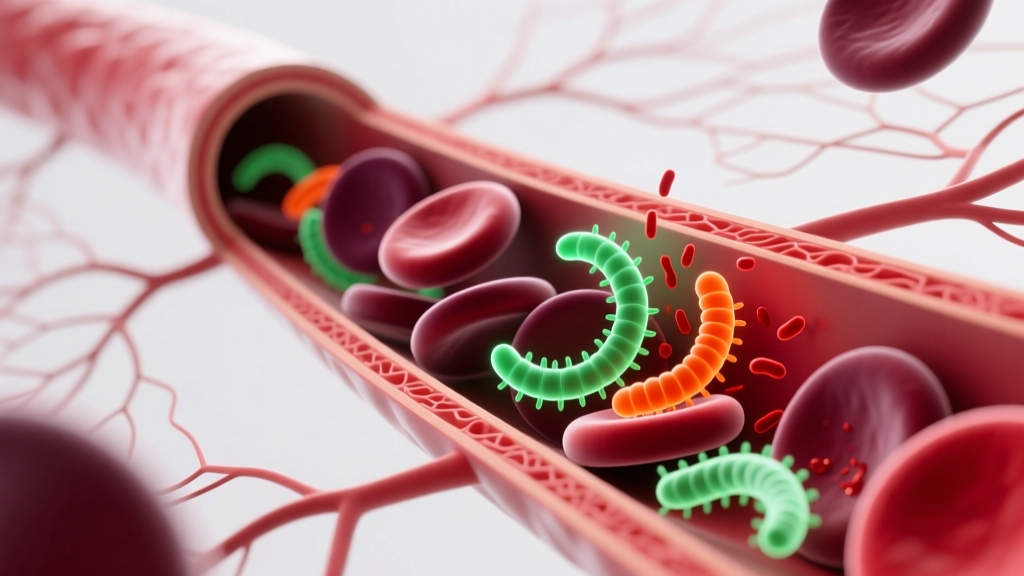
Platelets (also called thrombocytes) are tiny cell fragments in the blood that act like the body’s “first responders” for bleeding. When a blood vessel is damaged, platelets rush to the site, clump together, and help form a plug while the rest of the clotting system strengthens the seal.
Thrombocytopenia means there are fewer platelets than normal circulating in the bloodstream. With fewer platelets available, your cat may:
- Bruise more easily
- Bleed longer from small cuts
- Develop pinpoint bleeding spots on the skin or gums
- In severe cases, bleed internally
It helps to think about thrombocytopenia in three broad categories (your vet will work through these when building a diagnosis):
- Decreased production: the bone marrow isn’t making enough platelets.
- Increased destruction: platelets are being destroyed (often by the immune system or infection).
- Increased use or loss: platelets are being consumed in the body (for example, widespread clotting problems) or lost through bleeding.
Sometimes lab results can be confusing because cats are prone to platelet clumping in blood samples, which can make the platelet count appear lower than it really is. This is one reason veterinarians often confirm a low platelet count by examining a blood smear under the microscope.
3. Symptoms and warning signs to watch for
Some cats with mild thrombocytopenia have no obvious symptoms at home. When signs do appear, they often relate to bleeding or anemia (low red blood cells) if bleeding is significant.
Contact your veterinarian promptly if you notice any of the following:
- Small red or purple dots on the skin, belly, inner ears, or gums (petechiae)
- Larger bruised areas under the skin (ecchymoses)
- Bleeding from the gums or blood in saliva
- Nosebleeds
- Blood in urine (pink/red urine) or bloody stool (red or black/tarry)
- Prolonged bleeding after nail trims or minor cuts
- Weakness, lethargy, hiding, reduced appetite
- Pale gums (possible anemia)
- Sudden vision changes (rarely, bleeding in or around the eye can occur)
Practical at-home check: Once daily while you’re concerned, gently lift your cat’s lip and look at gum color and the gumline. Healthy gums are typically pink (pigment varies by cat). Note any new pinpoint red spots, unusual bruising, or obvious bleeding. If your cat resists handling, don’t force it—stress and struggling can worsen bleeding risk.
4. Causes and risk factors
Thrombocytopenia isn’t one single disease; it’s a finding that has an underlying cause. Common causes in cats include:
- Immune-mediated thrombocytopenia (IMT): the immune system mistakenly attacks platelets. This can happen on its own or secondary to another issue (infection, cancer, drug reaction).
- Infectious diseases: certain infections can suppress bone marrow, trigger immune destruction, or affect clotting. Depending on region and lifestyle, veterinarians may consider:
- Feline leukemia virus (FeLV)
- Feline immunodeficiency virus (FIV)
- Hemotropic mycoplasmas (blood-borne organisms affecting red cells; can be associated with broader blood abnormalities)
- Other region-specific vector-borne illnesses
- Bone marrow disorders: inflammation, fibrosis, toxin exposure, or cancers (like leukemia) can reduce platelet production.
- Cancer (neoplasia): some cancers affect marrow production, trigger immune reactions, or contribute to abnormal clotting/consumption.
- Drug or toxin effects: certain medications or toxins may interfere with platelet function or production. Never give human medications to cats unless a veterinarian instructs you—some are dangerous even at small doses.
- Disseminated intravascular coagulation (DIC): a serious condition where the body forms tiny clots throughout the bloodstream, consuming platelets and clotting factors. DIC is usually secondary to major illness (severe infection, trauma, heatstroke, organ failure).
- Severe bleeding: major blood loss can reduce circulating platelets.
Risk factors that may increase concern include outdoor access (higher exposure to infections and trauma), known FeLV/FIV status, recent new medications, unexplained weight loss, persistent fever, or a history of bleeding problems.
5. Diagnosis: what to expect at the vet
Your veterinarian’s goal is twofold: (1) confirm that platelets are truly low and (2) identify the underlying cause so treatment is targeted.
Common diagnostic steps include:
- Physical exam: checking for bruising, gum bleeding, pale mucous membranes, enlarged lymph nodes, abdominal discomfort, and signs of underlying disease.
- Complete blood count (CBC): measures platelet count, red blood cells, and white blood cells.
- Blood smear review: confirms platelet numbers and checks for platelet clumps (which can falsely lower automated counts), abnormal cells, or blood parasites.
- Biochemistry panel: evaluates organ function (liver, kidneys) and overall health.
- Urinalysis: checks for blood in urine and helps assess systemic illness.
- FeLV/FIV testing: often recommended, especially if status is unknown or exposure risk exists.
- Coagulation testing: such as PT/aPTT when clotting disorders or DIC are a concern.
- Imaging: X-rays or ultrasound may be used to look for internal bleeding, tumors, or organ abnormalities.
- Bone marrow testing: sometimes recommended if production problems are suspected or bloodwork suggests marrow disease.
What you can do to help your vet immediately: bring a list of all medications/supplements your cat has had in the last month, note any toxin exposures (rodent bait, lilies, human pain relievers), and share photos of bruising or gum spots if your cat won’t allow a thorough exam at home.
6. Treatment options (medical, surgical, and home care)
Treatment depends on the cause and how low the platelet count is. Your veterinarian will also consider whether there is active bleeding, anemia, or evidence of internal hemorrhage.
Medical treatment
- Treat the underlying cause:
- Antibiotics/antimicrobials for certain infections
- Therapy plans for FeLV/FIV-associated complications
- Cancer care (options may include surgery, chemotherapy, or palliative support depending on diagnosis)
- Immune suppression (when immune-mediated disease is suspected): medications such as corticosteroids may be used to reduce immune destruction of platelets. Your vet will tailor the plan and monitor for side effects.
- Supportive care: fluids if needed, anti-nausea medication, appetite support, stomach protectants, and pain control that is safe for cats.
- Transfusions:
- Red blood cell transfusion may be needed if significant anemia develops from bleeding.
- Platelet-rich products are less commonly available in veterinary medicine, but specialized centers may offer them in select cases.
- Hospital monitoring: for cats with very low platelet counts, active bleeding, suspected internal bleeding, or unstable vital signs.
Surgical or procedural treatment
- Addressing a bleeding source: if imaging identifies a mass or injury that is actively bleeding, a procedure may be recommended. Surgery is approached carefully because low platelets increase bleeding risk.
- Managing internal tumors or splenic/liver issues: some cases require referral to a specialist for advanced imaging and surgical planning.
Home care and safety steps (actionable tips)
If your vet confirms thrombocytopenia and your cat is stable enough to go home, you can reduce bleeding risk with a calm, protective routine:
- Strictly indoor rest: prevent fights, falls, and unknown toxin exposure.
- Limit jumping: consider temporarily blocking access to high shelves or cat trees if your vet recommends activity restriction.
- Skip nail trims and rough play: avoid anything that might trigger bleeding.
- Use a soft e-collar alternative only if advised: if your cat is licking a spot raw, ask your vet about the safest approach.
- Give only vet-approved medications: never use aspirin, ibuprofen, naproxen, or other human pain relievers in cats.
- Monitor daily: appetite, energy, gum appearance, litter box output, and any new bruising or bleeding.
If your cat is difficult to pill, ask about flavored liquids, transdermal options when appropriate, or a medication schedule that reduces stress. Stress and struggle can increase risk of injury.
7. Prevention strategies and early detection tips
Not every cause of thrombocytopenia is preventable, but you can lower risk and catch problems earlier.
- Keep your cat indoors or use supervised outdoor time (catio, leash/harness) to reduce trauma and infectious exposure.
- Routine wellness exams help detect subtle issues before they become urgent.
- Baseline bloodwork (especially for seniors or cats with chronic conditions) can identify trends early.
- Know FeLV/FIV status and follow your vet’s recommendations for testing and prevention.
- Parasite prevention as recommended in your area (fleas/ticks can contribute to illness and anemia; some vector-borne risks vary by region).
- Toxin-proof your home: store medications securely, avoid exposure to rodenticides, and keep dangerous plants out of reach.
- Gentle grooming habits: soft brushes, avoid aggressive de-matting, and seek professional help for mats if your cat’s skin bruises easily.
Early detection habit that takes 30 seconds: once a week, do a quick “head-to-tail check”—look at gums, glance at ears and belly skin for bruising, and note any changes in energy or appetite. If something seems off for more than a day, call your veterinarian.
8. Prognosis and quality of life considerations
Prognosis depends on the underlying cause, severity of the platelet drop, and whether complications (like severe anemia or internal bleeding) are present.
- Good to fair prognosis: some infections or immune-mediated cases respond well to treatment and monitoring.
- Guarded prognosis: severe marrow disease, certain cancers, or DIC can be more difficult to manage and may require intensive care.
Quality of life is a central part of any plan. Many cats do well with:
- Short-term activity restriction
- Follow-up blood tests to track platelets
- Medication adjustments based on response and side effects
- Comfort-focused home routines (quiet space, predictable feeding, easy litter box access)
If long-term therapy is needed, ask your vet what signs at home suggest improvement vs. relapse, and how often rechecks should happen. Having a clear monitoring plan reduces worry and helps you act quickly if anything changes.
9. When to seek emergency veterinary care
Seek emergency care right away (ER or urgent clinic) if you notice:
- Difficulty breathing or open-mouth breathing
- Collapse, extreme weakness, or inability to stand
- Large or rapidly spreading bruises
- Active bleeding that won’t stop (nose, mouth, rectum, urinary tract, or a wound)
- Black/tarry stool or vomiting blood
- Very pale or white gums
- Swollen belly, signs of pain, or sudden lethargy (possible internal bleeding)
- Head tilt, seizures, or sudden disorientation
While you’re heading in: keep your cat calm in a carrier lined with a soft towel. Avoid pressing on bruised areas. Don’t give any medications unless a veterinarian specifically instructs you to do so.
10. FAQ: common questions from cat owners
Can thrombocytopenia go away on its own?
Sometimes a mild, temporary decrease can improve, but true thrombocytopenia should always be evaluated by a veterinarian. Because the cause may be immune-related, infectious, or bone marrow-related, waiting can increase the risk of serious bleeding. If your vet suspects platelet clumping caused a falsely low count, they may repeat testing or confirm with a smear.
Is a low platelet count the same as hemophilia?
No. Hemophilia is usually a problem with clotting factors (proteins involved in clot formation). Thrombocytopenia is a low number of platelets. Both can cause bleeding issues, but they’re different conditions and require different diagnostic testing and treatment approaches.
What platelet count is dangerous for cats?
The “danger zone” depends on the individual cat and whether there’s active bleeding, but very low platelet counts raise concern for spontaneous bleeding. Your veterinarian will interpret the number alongside a physical exam, smear review, and other lab results. If the count is extremely low or your cat is bleeding, hospitalization and intensive care may be recommended.
Can diet or supplements raise my cat’s platelets?
A balanced, complete diet supports overall health, but supplements rarely fix thrombocytopenia on their own. Some supplements can interfere with medications or worsen bleeding risk. Always check with your veterinarian before adding anything new, especially if your cat already has bruising or bleeding.
Should I stop my cat’s medications if thrombocytopenia is found?
Don’t stop medications without veterinary guidance. Some drugs must be tapered, and stopping suddenly can be risky. If a medication reaction is suspected, your veterinarian will advise the safest plan and may offer alternatives.
How often will my cat need recheck bloodwork?
It varies. Many cats need repeat CBCs fairly soon after diagnosis to confirm improvement and adjust treatment. Once stable, rechecks may become less frequent. Ask your vet for a schedule and what changes at home should trigger an earlier visit.
If you suspect your cat may have thrombocytopenia—or you’ve noticed bruising, gum spots, or unusual bleeding—schedule a veterinary visit promptly. Early testing and a clear plan can make this condition far less frightening and much more manageable.
For more cat health guides, practical care tips, and owner-friendly explanations, visit catloversbase.com.