How to Care for a Kitten from Stray Cats: The 7-Step Health-Saving Protocol Vets Use (That Most Rescuers Miss in the First 72 Hours)
Why This Isn’t Just ‘Adorable’—It’s Life-or-Death Urgency
If you’ve just brought home a shivering, underweight kitten found near a stray cat colony—or discovered newborns hidden beneath a porch—you’re facing one of the most time-sensitive caregiving scenarios in feline medicine. How to care a kitten for stray cats isn’t about cute Instagram moments; it’s about preventing sepsis, hypoglycemia, and fatal parasitic overload within the first 72 hours. Stray kittens face mortality rates exceeding 60% in unmanaged settings (ASPCA Shelter Medicine Survey, 2023), but with evidence-based intervention, survival jumps to 92%—even for neonates under 2 weeks old. This guide distills protocols used by shelter veterinarians, foster coordinators, and TNR (Trap-Neuter-Return) field teams into actionable, non-negotiable steps—no prior experience required.
Step 1: Immediate Stabilization — Warm, Hydrate, Assess (First 60 Minutes)
Stray kittens rarely arrive warm, hydrated, or fed. Their tiny bodies lose heat 3x faster than adults—and core temperature below 94°F triggers irreversible organ shutdown. Do not feed milk yet. Instead:
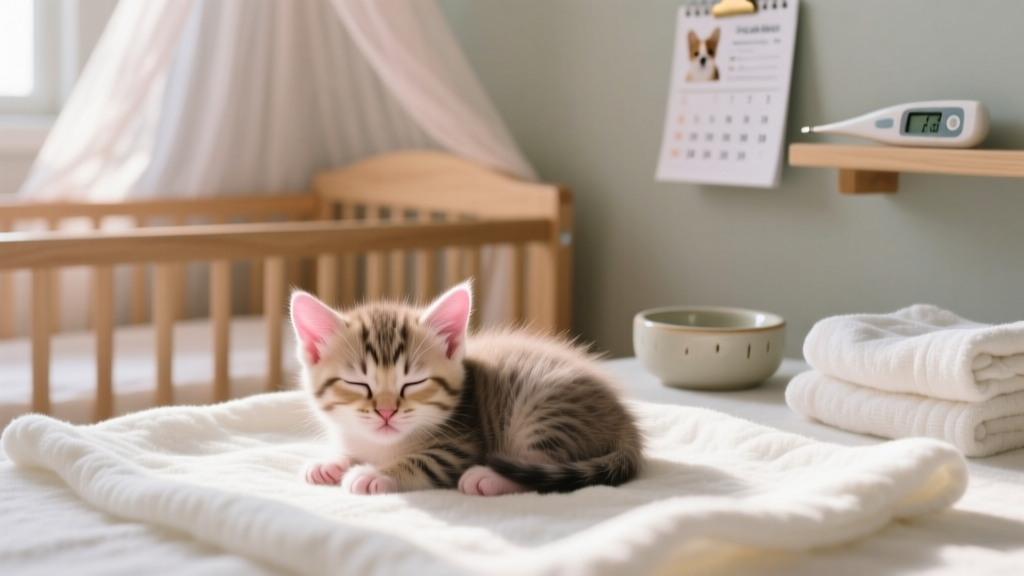
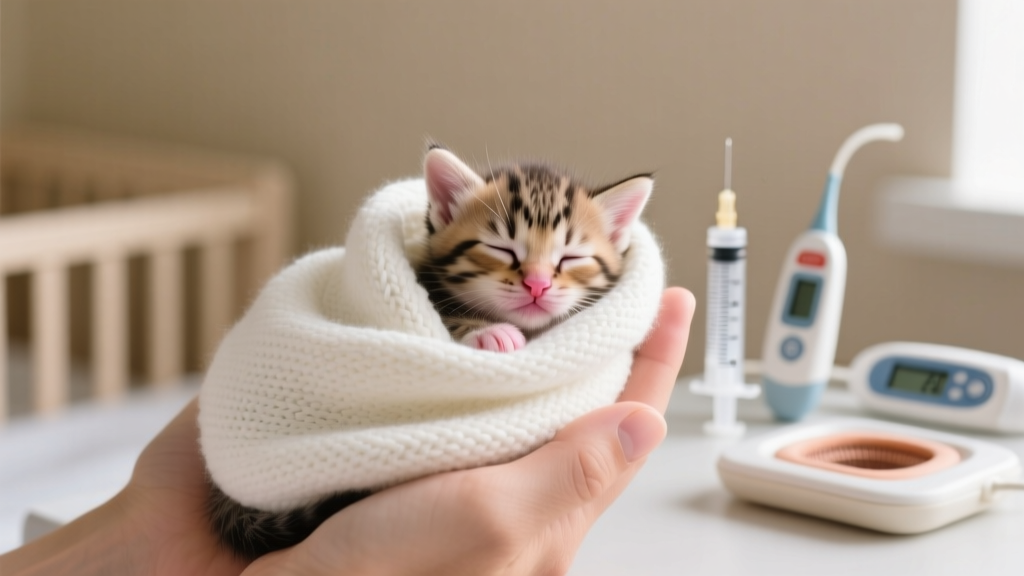
- Warm gradually: Wrap in a towel pre-warmed in a dryer (not heated pad—risk of burns). Place against your chest under clothing for skin-to-skin contact. Monitor rectal temp every 10 minutes with a digital thermometer.
- Hydrate before feeding: If lethargy or sunken eyes suggest dehydration, administer 1–2 mL of pediatric electrolyte solution (e.g., Pedialyte unflavored) via oral syringe every 15 minutes for 1 hour. Never force-feed.
- Assess red flags: Check gums (pale = anemia/shock), breathing (labored = pneumonia), and reflexes (no suckle reflex = neurological concern requiring ER vet).
Dr. Lena Cho, DVM and Director of Community Veterinary Outreach at Alley Cat Allies, emphasizes: “A cold kitten is a medical emergency—not a ‘wait-and-see.’ Warming must precede all nutrition. Feeding a hypothermic kitten causes aspiration pneumonia or gut stasis, which kills faster than starvation.”
Step 2: Parasite & Disease Triage — What to Test, Treat, and When
Stray kittens carry invisible threats: roundworms (infecting >85% per Cornell Feline Health Center data), coccidia, fleas (causing anemia), and deadly viruses like panleukopenia. But blanket treatment can harm fragile systems. Here’s the vet-recommended sequence:
- Day 1–2: Topical flea control only (e.g., Revolution Plus for kittens ≥1.5 lbs). Oral dewormers (pyrantel pamoate) wait until Day 3—after warming and hydration stabilize gut motility.
- Day 3–5: Fecal float test + Giardia ELISA. Treat coccidia with ponazuril if confirmed. Deworm for roundworms/hookworms (repeat at 2-week intervals x3).
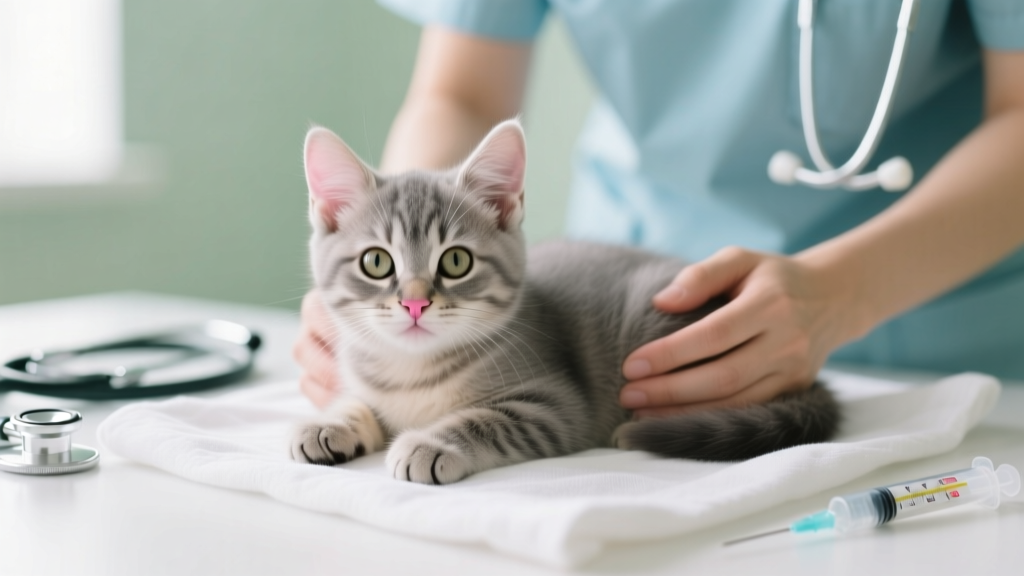
- Day 7: Run FVRCP (distemper) vaccine only if healthy, weight-stable, and ≥6 weeks old. Kittens under 4 weeks get no vaccines—maternal antibodies interfere, and immune systems are too immature.
- Day 14: FELV/FIV test (snap test). Note: False negatives occur in early infection—retest at 12 weeks if initial result is negative but exposure risk remains high.
Crucially: Avoid over-the-counter dewormers labeled “safe for kittens.” Many contain fenbendazole doses unsafe for neonates. Always use weight-calculated pyrantel (2.5 mg/lb) under veterinary guidance—even for seemingly healthy strays.
Step 3: Feeding & Nutrition — Formula, Frequency, and the Bottle-Feeding Trap
Human baby formula, cow’s milk, or goat milk cause severe diarrhea, bloat, and death in kittens. Their digestive enzymes can’t process lactose or casein ratios outside feline-specific formulas. Yet many well-meaning rescuers default to these out of urgency.
Use only commercial kitten milk replacer (KMR or Esbilac). Mix fresh daily, refrigerate unused portions ≤24 hrs, and warm to 98–100°F (test on wrist). Feed frequency depends entirely on age:
- 0–1 week: Every 2–3 hours (including overnight). 2–4 mL per feeding.
- 1–2 weeks: Every 3–4 hours. 5–10 mL per feeding.
- 2–3 weeks: Every 4–6 hours. 10–15 mL per feeding. Introduce shallow dish for licking practice.
- 3–4 weeks: Begin gruel (KMR + high-quality wet food, 3:1 ratio), gradually thickening.
Warning: Overfeeding causes aspiration, bloating, and ‘fading kitten syndrome.’ Always burp after feeding (hold upright, gently pat back). If stool turns yellow-green or develops mucus, reduce volume by 20% and consult a vet—this signals gut dysbiosis or viral enteritis.
Step 4: Socialization & Environment — Building Trust Without Stress
Stray kittens aren’t ‘feral’ by nature—they’re unsocialized due to lack of human contact during the critical window (2–7 weeks). But forced handling triggers cortisol spikes that suppress immunity. Effective socialization is science-backed, not sentimental:
- Days 1–3: Minimal handling. Speak softly while cleaning or feeding. Let them observe you from a safe distance (e.g., behind a crate door).
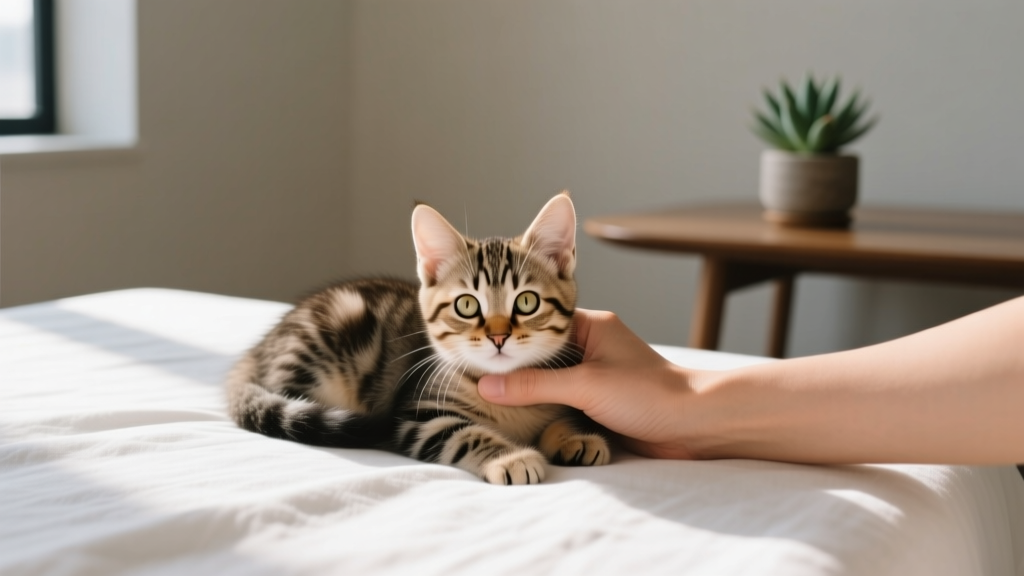
- Days 4–7: Introduce gentle touch—start with chin scratches while they eat. Never restrain. Reward calmness with warmth and quiet praise.
- Week 2 onward: Short (3-min), positive sessions: offer treats, brush with soft toothbrush, play with wand toys. End before stress signs appear (tail flicking, flattened ears, hiding).
A 2022 study in Journal of Feline Medicine and Surgery found kittens socialized using this paced method were 3.7x more likely to be adopted within 30 days versus those subjected to forced cuddling. Key insight: Trust is built through predictability—not proximity.
| Timeline | Action | Tools/Products Needed | Expected Outcome |
|---|---|---|---|
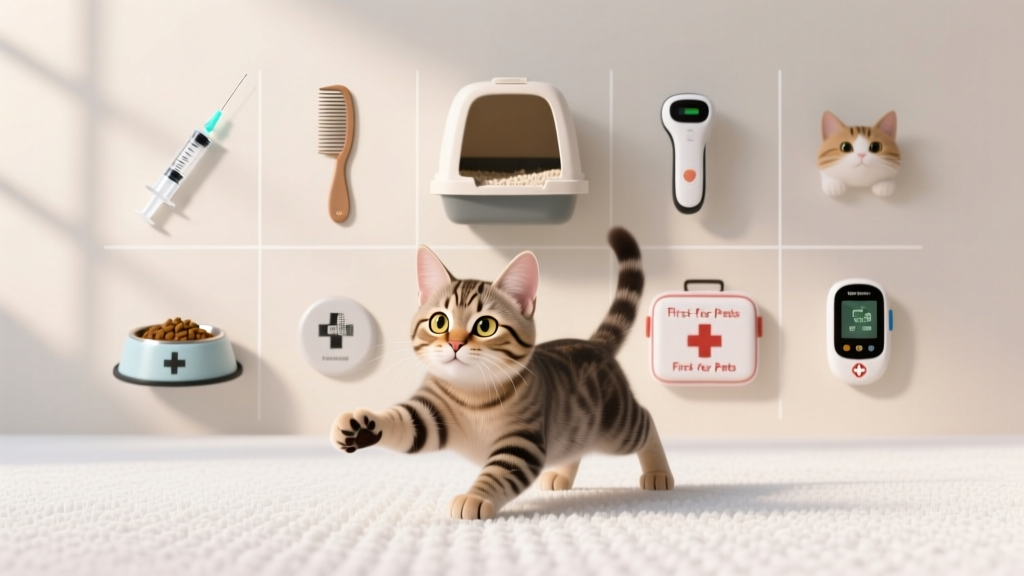
| Hour 0–1 | Gradual warming + hydration assessment | Digital thermometer, warmed towel, pediatric electrolyte solution, oral syringe | Core temp ≥97°F; alertness improves; gums pink |
| Hour 2–6 | First feeding (if stable), flea control | KMR formula, kitten bottle, Revolution Plus (vet-approved dose) | No vomiting/diarrhea; no visible fleas |
| Day 3 | Fecal test + first deworming | Fecal collection kit, pyrantel pamoate (veterinarian-prescribed) | Stool consistency normalizes; no blood/mucus |
| Day 7–14 | Vaccination (if ≥6 wks) + FELV/FIV test | FVRCP vaccine, SNAP combo test kit, vet visit | Documented immunity status; no acute illness post-vaccine |
| Week 3–4 | Introduce gruel + litter box training | High-protein wet food, shallow litter box with non-clumping paper pellets | Self-feeding begins; 70%+ successful litter use |
Frequently Asked Questions
Can I foster a stray kitten without taking it to a vet?
No—and here’s why: Even asymptomatic kittens carry pathogens that endanger themselves and other pets. A single fecal exam reveals parasites that cause rapid anemia; a simple SNAP test detects FELV, which is 100% fatal without isolation and supportive care. Skipping diagnostics risks spreading disease to your resident cats and wastes precious time. Many low-cost clinics (like Friends of Animals or local SPCA) offer $25–$40 kitten intake packages covering exams, tests, and first vaccines.
My kitten won’t nurse from a bottle—what do I do?
First, rule out medical causes: check for cleft palate (visible gap in roof of mouth), jaw deformity, or respiratory congestion. If physical issues are absent, try switching to a smaller nipple (size #1), warming formula slightly more (to 100°F), or placing a dab of Karo syrup on the nipple to trigger suckle reflex. If still refusing after 2 hours, seek emergency care—hypoglycemia sets in fast. Never use a dropper or spoon; aspiration risk is extreme.
How do I know if my stray kitten is truly feral or just scared?
Observe body language over 48 hours: A truly feral kitten (born outdoors, no human contact) will avoid eye contact, flatten ears sideways (not backward), and freeze or bolt—not hiss or swat. A scared but socializable kitten makes brief eye contact, blinks slowly when calm, and may approach your hand if you sit quietly nearby. Age is decisive: Kittens under 4 weeks almost always socialize fully with consistent, gentle effort. Those over 12 weeks require professional behaviorist support.
Should I spay/neuter a stray kitten before adoption?
Yes—and earlier than you think. Pediatric spay/neuter (at 8–12 weeks, ≥2 lbs) is endorsed by AAHA and shelters nationwide. It prevents accidental litters, reduces shelter euthanasia rates, and carries lower surgical complication rates than waiting until 6 months. Hormone-driven behaviors (spraying, roaming) vanish completely when done pre-puberty. Your vet will confirm weight and health readiness.
What if I find a whole litter—do I separate them?
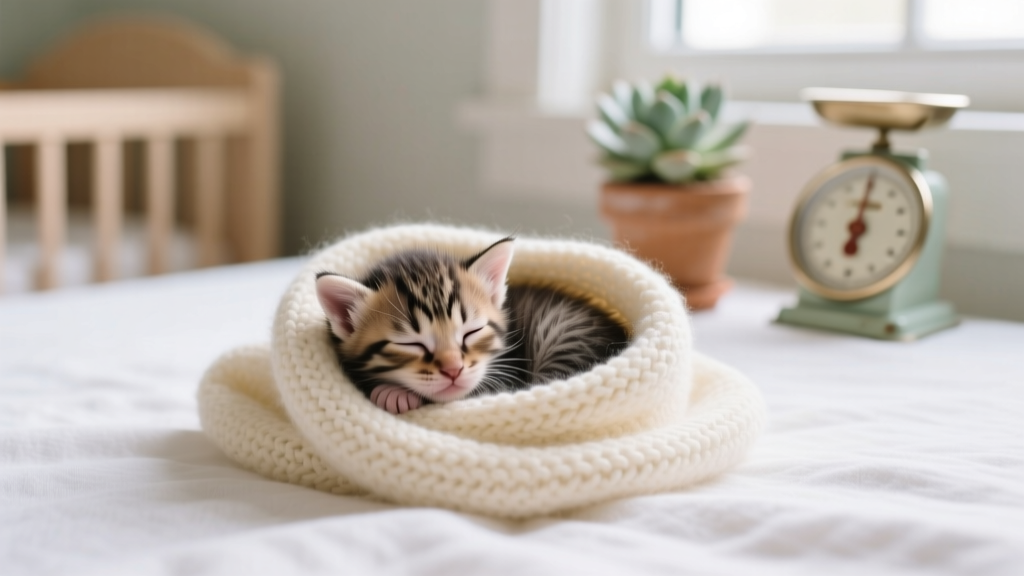
No—littermates provide vital thermoregulation and social learning. Separate only if one is severely ill (e.g., septic, dehydrated) to prevent contagion. Keep them together in a draft-free, warm space (85°F ambient) with shared bedding. Weigh each daily: a healthy kitten gains 7–10g/day. If one falls behind by >15%, increase its feedings and consult a vet immediately.
Common Myths About Caring for Stray Kittens
- Myth 1: “Mother cats abandon kittens if humans touch them.” — False. Feral moms regularly return to nests touched by humans. Abandonment occurs due to environmental stress (predators, flooding, relocation), not scent. If you see mom nearby, monitor from afar for 4–6 hours before intervening.
- Myth 2: “Kittens need cow’s milk for strength.” — Dangerous. Cow’s milk causes osmotic diarrhea, dehydration, and metabolic acidosis. KMR contains taurine, arginine, and fat ratios matched to feline biology—nothing else meets minimum nutritional standards.
Related Topics (Internal Link Suggestions)
- Stray Cat TNR Guide — suggested anchor text: "how to humanely trap, neuter, and return stray cats"
- Kitten Vaccination Schedule — suggested anchor text: "when to vaccinate kittens for distemper and rabies"
- Fading Kitten Syndrome Treatment — suggested anchor text: "early signs and emergency response for fading kittens"
- Low-Cost Vet Clinics Near Me — suggested anchor text: "affordable kitten wellness exams and vaccines"
- Homemade Kitten Formula Alternatives — suggested anchor text: "safe emergency kitten milk replacers (vet-approved)"
Your Next Step Is Simpler Than You Think
You don’t need a veterinary degree or endless free time to save a stray kitten’s life. You need the right sequence, the right tools, and the confidence to act decisively in the first 72 hours. Start today: Download our free Stray Kitten Triage Checklist (includes dosage calculator, symptom tracker, and vet referral map). Then, call your nearest low-cost clinic and say: “I have a stray kitten needing intake—what’s your earliest appointment?” That single call bridges the gap between compassion and competence. Every kitten deserves that chance—and you’re now equipped to give it.