Cat Lysine Supplementation for Herpesvirus: Does It Work?
1. Introduction: Why This Topic Matters to Cat Owners
If your cat has ever had watery eyes, frequent sneezing, or recurring “colds,” you’ve likely heard someone recommend lysine supplements for feline herpesvirus. Lysine is widely marketed as a safe, simple way to reduce flare-ups. Many caring owners try it because they want to prevent discomfort, reduce contagion to other cats, and avoid repeated vet visits.
The challenge is that feline herpesvirus (FHV-1) is a lifelong infection, and advice about lysine has changed over time. Cat owners deserve clear, up-to-date guidance: what herpesvirus really is, how it’s treated, whether lysine helps, and what you can do at home to support your cat—while knowing when veterinary care is needed.
2. Overview of the Condition: Feline Herpesvirus in Plain Language
Feline herpesvirus type-1 (FHV-1) is one of the most common causes of upper respiratory infections in cats. It’s highly contagious among cats and is especially common in shelters, multi-cat homes, and any environment where cats share airspace, bowls, bedding, or close contact.
Here’s the key point: once a cat is infected, the virus usually stays in the body for life. Even after symptoms improve, the virus can “hide” in nerve tissue (this is called latency). Later, during times of stress or illness, the virus can reactivate, causing another flare-up. Some cats have rare episodes; others have frequent, recurring signs.
FHV-1 affects primarily:
- Nose and sinuses (sneezing, congestion)
- Eyes (conjunctivitis, discharge, squinting)
- Cornea (the clear surface of the eye; ulcers can occur)
Many cats with herpesvirus live normal, happy lives. The goal is to reduce flare severity, support hydration and nutrition, protect the eyes, and limit stress and spread.
3. Symptoms and Warning Signs to Watch For
Herpesvirus signs can range from mild to significant. Some cats mainly show eye symptoms, while others have more classic “cold” symptoms.
Common signs:
- Sneezing
- Nasal congestion or noisy breathing
- Runny nose (clear at first, sometimes thicker later)
- Watery eyes or eye discharge
- Red, swollen conjunctiva (conjunctivitis)
- Squinting, light sensitivity, pawing at the eye
- Decreased appetite (often because congestion reduces sense of smell)
- Lethargy
- Fever (more common in kittens)
Eye-related warning signs that should prompt a prompt vet visit:
- Keeping one or both eyes closed
- Cloudiness, a white/gray spot, or visible surface change on the eye
- Thick yellow/green discharge
- Sudden worsening of squinting or apparent pain
These can indicate corneal ulcers or secondary infections, which need timely treatment to protect vision.
4. Causes and Risk Factors
Cats catch FHV-1 from other cats—mainly through close contact and shared secretions (saliva, nasal discharge, eye discharge). The virus doesn’t typically survive for long in the environment, but it spreads easily in real-life situations where cats interact.
Risk factors for infection or flare-ups include:
- Young age (kittens are more vulnerable)
- Crowding (shelters, boarding facilities, multi-cat households)
- Stress (moving, new pets, schedule changes, construction noise)
- Other illness or immune compromise
- Poor ventilation or frequent exposure to unfamiliar cats
- Unvaccinated status (vaccines don’t prevent infection perfectly, but they reduce severity)
Stress is one of the most common triggers for reactivation. This is why management often involves both medical treatment and lifestyle adjustments.
5. Diagnosis Methods and What to Expect at the Vet
Many cases are diagnosed based on history and a physical exam—especially if signs are classic (upper respiratory symptoms plus conjunctivitis) and there’s a known exposure risk.
Your veterinarian may perform:
- Physical exam (listening to breathing, checking hydration, temperature)
- Eye exam including fluorescein stain to look for corneal ulcers
- Assessment of nasal discharge and overall comfort
In some situations, additional tests are recommended:
- PCR testing (swabs from the eyes, nose, or throat to detect viral DNA)
- Cytology (examining cells from eye discharge)
- Testing for other respiratory pathogens (like calicivirus, Chlamydia felis, Bordetella) if outbreaks or stubborn symptoms occur
What owners often find surprising: PCR can detect virus even in cats who are carriers without active disease. Your vet will interpret results alongside symptoms to decide what’s meaningful and what’s incidental.
6. Treatment Options (Medical, Surgical, Home Care)
Medical Treatment
Treatment depends on which body system is most affected and how severe the flare is.
- Antiviral medications: For significant eye involvement or frequent/severe flares, vets may prescribe antivirals. Options vary by region and patient needs. These can reduce viral replication and improve comfort.
- Eye medications: Antibiotic eye drops/ointments may be used if there’s secondary bacterial infection. If an ulcer is present, specific eye medications and close rechecks are critical.
- Pain relief: Corneal disease can be painful. Your vet may prescribe pain control to support healing and appetite.
- Antibiotics (oral): Not all “cat colds” need antibiotics, but they may be used when bacterial infection is suspected (fever, lethargy, thick discharge, or pneumonia risk).
- Fluids and nutritional support: Dehydration and poor appetite are common. In-clinic supportive care can be a game-changer for sick kittens or adults.
Surgical/Procedural Care
Surgery is not typical for uncomplicated herpesvirus. However, in chronic cases with severe nasal disease, polyps, or structural issues, your veterinarian may refer you for advanced imaging and specialty evaluation. For eye complications, a veterinary ophthalmologist may be recommended.
Home Care: Practical Steps You Can Do Today
Supportive care at home helps many cats feel better faster and encourages eating and drinking.
- Boost hydration: Offer fresh water, cat-safe broth, or wet food. Ask your vet if additional hydration support is appropriate.
- Encourage eating:
- Warm wet food slightly to increase aroma
- Offer strong-smelling options (vet-approved)
- Feed small, frequent meals
- Gentle cleaning: Use a warm, damp cotton pad to wipe eye/nose discharge. Use a fresh pad for each eye to avoid spread.
- Humid air: A humidifier in your cat’s resting area can ease congestion. (Avoid essential oils; many are unsafe for cats.)
- Reduce stress: Keep a calm routine, provide hiding spaces, use puzzle feeders, and avoid major changes during recovery.
- Isolate when needed: If you have multiple cats, separate the sick cat, wash bedding, and clean bowls to reduce transmission.
If your cat is not eating for 24 hours (or less for kittens), contact a veterinarian. Cats can become dangerously ill when they stop eating, especially if they’re overweight.
Where Lysine Fits In: Does It Work?
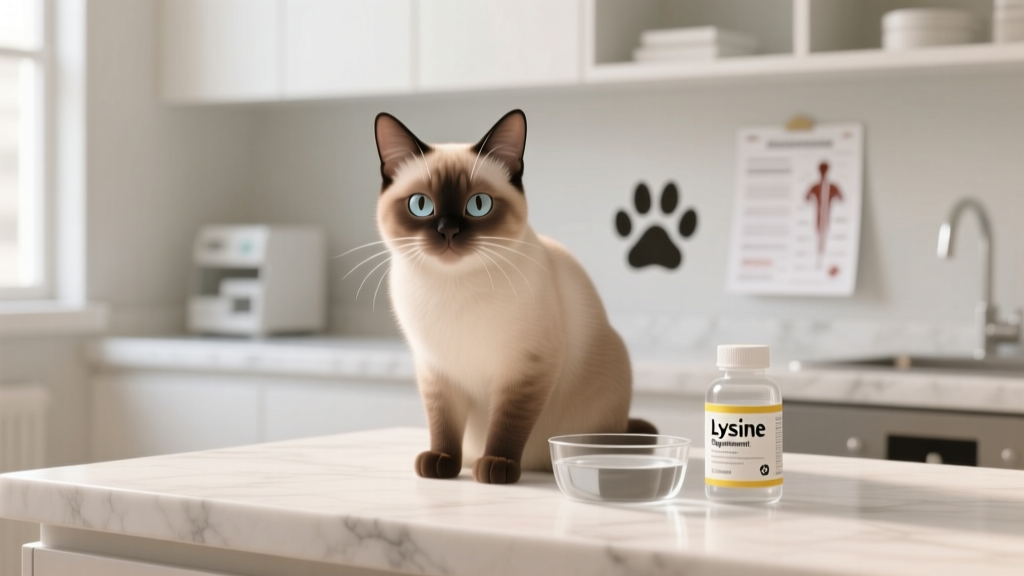
Lysine (L-lysine) was historically recommended because herpesviruses need the amino acid arginine to replicate, and lysine was thought to interfere with arginine availability. This idea led to widespread use in cats with FHV-1, particularly to reduce flare-ups.
What more recent research and expert guidance suggest:
- Lysine has not consistently shown benefit for preventing or treating feline herpesvirus signs in well-controlled studies.
- Some research suggests lysine may be ineffective, and there have been concerns it could potentially be counterproductive in certain situations by affecting arginine balance (arginine is essential for cats).
Because cats require arginine from their diet, strategies that significantly alter amino acid balance are not taken lightly. Most cats on commercial diets already receive appropriate amino acid levels, and adding supplements doesn’t necessarily create the intended effect in the body.
Practical takeaway: If your cat is currently on lysine and doing well, don’t stop or start supplements abruptly without guidance. If you’re considering lysine, it’s best to talk with your veterinarian first. Many vets now prioritize proven supportive care and, when indicated, antiviral therapy over lysine supplementation.
If your veterinarian does recommend lysine for a specific patient, ask these questions:
- What exact product and dose do you recommend?
- How long should we try it before deciding if it’s helping?
- What signs would mean we should stop?
- Are there better-supported alternatives for my cat’s pattern of disease?
7. Prevention Strategies and Early Detection Tips
Herpesvirus is common, but you can reduce the chance of severe illness and frequent recurrences.
Prevention and management tips:
- Vaccination: Keep core vaccines current as advised by your vet. Vaccines don’t eliminate herpesvirus risk, but they can reduce severity.
- Quarantine new cats: Separate new arrivals for a period recommended by your veterinarian and watch for sneezing/eye discharge before introductions.
- Reduce stress:
- Maintain predictable feeding and play times
- Provide vertical spaces and safe hiding spots
- Use slow introductions for new pets
- Consider veterinarian-recommended calming aids for stressful events
- Hygiene: Wash hands after handling a symptomatic cat, and clean food/water bowls routinely.
- Early detection: At the first sign of squinting or eye redness, schedule a veterinary visit. Eye issues can progress quickly.
8. Prognosis and Quality of Life Considerations
Most cats with FHV-1 have a good long-term outlook. Many have occasional mild flares that resolve with supportive care. Others develop chronic issues such as recurrent conjunctivitis or intermittent corneal ulcers, which may require ongoing management.
Quality of life is usually excellent when you focus on:
- Prompt treatment of eye flares
- Maintaining appetite and hydration during “cold” episodes
- Stress reduction and stable routines
- Regular vet check-ins for cats with frequent recurrence
If your cat has frequent episodes (for example, every few weeks or monthly), ask your veterinarian about investigating triggers, ruling out other infections, and creating a tailored long-term plan.
9. When to Seek Emergency Veterinary Care
Many herpesvirus flares can wait for a next-day appointment, but some signs should be treated as urgent.
Seek emergency care if your cat:
- Is struggling to breathe, open-mouth breathing, or has blue/gray gums
- Has an eye that is held shut, very painful, or has a visible cloudiness/spot
- Stops eating for 24 hours (or 12 hours for kittens), or won’t drink
- Is severely lethargic, collapsing, or unusually weak
- Has persistent vomiting, signs of dehydration (sticky gums), or high fever
- Is a young kitten with respiratory signs (kittens can decline quickly)
If you’re unsure, call your veterinary clinic or an emergency hospital and describe the symptoms. They can help you decide how quickly your cat should be seen.
10. FAQ: Common Questions About Lysine and Feline Herpesvirus
Does lysine cure feline herpesvirus?
No. FHV-1 is typically lifelong. The goal is managing flare-ups and protecting eyes and overall comfort, not eliminating the virus completely.
Is lysine safe for cats?
Many cats tolerate lysine, but “safe” doesn’t always mean “helpful,” and cats have strict nutritional requirements (including arginine). Always ask your veterinarian before starting supplements, especially for kittens, pregnant cats, or cats with other health conditions.
If lysine doesn’t work well, what helps most?
Supportive care (hydration, nutrition, humidity, cleaning discharge) and prompt veterinary treatment for eye disease are most helpful. For cats with frequent or severe signs, your veterinarian may recommend antiviral therapy and a long-term management plan.
Can my other cats catch herpesvirus from a sick cat?
Yes. FHV-1 spreads between cats, especially through close contact and shared bowls/bedding. Separating the sick cat, cleaning surfaces, and good hand hygiene can reduce transmission risk. Talk to your vet about vaccination status and household protocols.
My cat keeps getting watery eyes—does that always mean herpes?
Not always. Allergies, irritants, dry eye issues, blocked tear ducts, corneal problems, dental disease, and other infections can look similar. Recurrent eye discharge deserves a veterinary exam, especially if there’s squinting or redness.
When should I ask my vet about a referral to an eye specialist?
Consider it if your cat has recurring corneal ulcers, chronic squinting, non-healing eye lesions, or reduced vision. A veterinary ophthalmologist can offer specialized diagnostics and targeted therapies.
If your cat is dealing with frequent “cold” symptoms or ongoing eye issues, your veterinarian is your best partner for a plan that fits your cat’s age, lifestyle, and overall health. For more supportive, cat-owner-friendly health guidance, visit catloversbase.com for additional cat health resources.